


Innovative Biologic Approaches in Managing Ankle Cartilage Damage: Insights from Advanced Imaging and Cellular Research
Introduction: Understanding Ankle Cartilage Damage
Ankle cartilage injuries are surprisingly common and can make simple activities difficult and painful. Cartilage is the smooth, rubbery tissue covering the ends of bones in our joints, acting as a cushion to keep movements smooth and pain-free. Although the ankle shares some similarities with other joints like the knee, its cartilage has unique properties that influence how it becomes damaged and how well it can heal. Discovering these differences is helping doctors develop better, more effective treatments tailored specifically for the ankle .
What Makes Ankle Cartilage Different?
Ankle cartilage isn't just smaller than knee cartilage —it's also uniquely structured. It contains higher levels of proteoglycans and water, creating a stiffer, more shock-resistant cushion. Imagine it as a denser and tightly packed pad that absorbs impact more effectively. Thanks to this special makeup, ankle cartilage has a slightly better natural ability to recover after injury. Studies suggest these unique qualities affect both how ankle cartilage deteriorates and how it repairs, which is essential knowledge for designing treatments that work.
The Challenges of Treating Ankle Cartilage Damage
Even though ankle cartilage is naturally resilient, fully restoring it after an injury remains a major challenge. Traditional surgeries often lead to the growth of fibrocartilage—a type of repair tissue that isn’t as durable or smooth as the original hyaline cartilage . This can mean incomplete healing and lingering joint problems . Medications that aim to boost cartilage repair have also produced limited results, and non-surgical efforts have been frustratingly inconsistent. One reason is that not every source of cartilage cells is equally effective: research has found that cartilage cells from damaged tissue may not perform as well in repair, especially after trauma or disease (Candrian et al., 2010).
Free non-medical discussion
Not sure what to do next?
Information only · No medical advice or diagnosis.
Biologic Therapies: Helping the Body Heal Itself
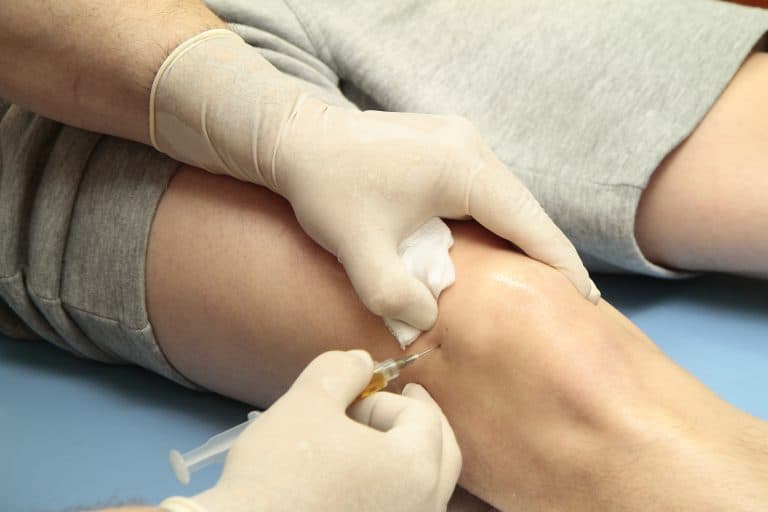
Recent breakthroughs in biologic therapies are offering hope for more natural and lasting repair. These treatments use the body’s own resources—such as platelet-rich plasma (PRP), bone marrow concentrate , or hyaluronic acid—to jumpstart true cartilage regeneration . For example, PRP is packed with growth factors that stimulate cartilage cells (chondrocytes) to rebuild tissue. Some biologic therapies are also designed to protect these cells after injury , further improving their ability to heal. Research has shown that early intervention, particularly aiming to reduce inflammation after injury , can make a significant difference in the recovery process (Adams et al., 2020). Importantly, not all cells are suitable for repairs, especially those taken from damaged fragments, so patient-specific strategies are becoming more important for success (Candrian et al., 2010).

How Advanced Imaging Improves Diagnosis and Treatment
Pinpointing cartilage damage early is crucial, and breakthroughs in imaging technology are making this possible. Modern MRI scans can show detailed images of cartilage—sometimes even at the molecular level—helping doctors understand the type, location, and severity of the injury. This clearer picture allows for personalized treatment decisions and makes it easier to match the right biologic therapy to each patient. When doctors have a precise view, they can act faster and more effectively, increasing the odds of recovery.
Comparing Biologic Treatments with Traditional Surgery
Biologic therapies offer several advantages over traditional surgical approaches. They’re usually less invasive, carry fewer risks, and typically involve a shorter recovery period. Most importantly, they aim to promote the body’s own ability to regrow healthy cartilage , rather than patching damage with lower-quality tissue. For many patients, this can mean better long-term relief and improved joint function—sometimes without surgery at all. There’s also strong evidence that medications targeting inflammation immediately after injury can help protect cartilage from further breakdown, making recovery smoother and more effective (Adams et al., 2020).
Looking Forward: The Future of Ankle Cartilage Repair
The outlook for ankle cartilage damage is rapidly improving, thanks to a combination of innovative biologic therapies and smarter imaging techniques . While the ankle’s unique cartilage brings both challenges and opportunities, advances in our understanding are making real progress possible. Collaboration among doctors, researchers, and imaging experts will be vital to keep pushing these developments forward. As the science evolves, non-surgical biologic treatments have real potential to transform care, giving patients a better chance at a long-lasting, pain-free recovery.
References
Adams, S. B., Allen, N. B., & Abar, B. (2020). The intra-articular hematoma immediately after ankle fracture causes cartilage damage that is partially attenuated by anti-inflammatory agents. Foot & Ankle Orthopaedics, 5(2). https://doi.org/10.1177/2473011420s00002
Candrian, C., Miot, S., Wolf, F., Bonacina, E., Dickinson, S. C., Wirz, D., Jakob, M., Valderrábano, V., Barbero, A., & Martín, I. (2010). Are ankle chondrocytes from damaged fragments a suitable cell source for cartilage repair? Osteoarthritis and Cartilage, 18(8), 1067-1076. https://doi.org/10.1016/j.joca.2010.04.010
Moon, J.-S., Shim, J. C., Suh, J.-S., & Lee, W.-C. (2010). Radiographic predictability of cartilage damage in medial ankle osteoarthritis. Clinical Orthopaedics and Related Research, 468(8), 2188-2197. https://doi.org/10.1007/s11999-010-1352-2
Legal & Medical Disclaimer
This article is written by an independent contributor and reflects their own views and experience, not necessarily those of London Cartilage Clinic. It is provided for general information and education only and does not constitute medical advice, diagnosis, or treatment.
Always seek personalised advice from a qualified healthcare professional before making decisions about your health. London Cartilage Clinic accepts no responsibility for errors, omissions, third-party content, or any loss, damage, or injury arising from reliance on this material.
If you believe this article contains inaccurate or infringing content, please contact us at [email protected].
London Cartilage Clinic
Modern treatments, designed for lasting knee outcomes
Every treatment plan is selected to help you return to the quality of life you deserve. Our team combines up-to-date techniques with consultant-led decision making across cartilage repair, regeneration and replacement.
What your journey can look like
Step 01
Consultant-Led Assessment
Symptoms, imaging and goals reviewed in one structured appointment.
Step 02
Personalised Treatment Plan
A clear route chosen from repair, regeneration or replacement options.
Step 03
Precision Delivery
Modern techniques and specialist equipment matched to your diagnosis.
Step 04
Long-Term Knee Health
Follow-up guidance focused on durable function and quality of life.
Will the Arthrosamid work for me
PAAG-8+ Questionnaire
A bright, structured entry point for patients exploring Arthrosamid. The questionnaire helps frame suitability, expectations, and 24-month clinical benefit discussion before a fuller consultant-led review.
Designed for shared decision-making. It does not replace specialist consultation, examination, imaging review, or formal medical advice.