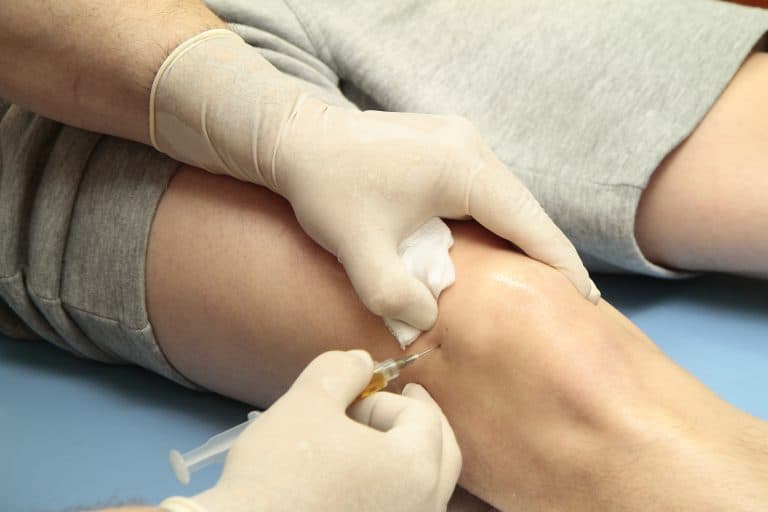



The articular cartilage in the ankle is truly remarkable. This specialized tissue covers the ends of the bones within the ankle joint, acting as a natural shock absorber and reducing friction each time you walk, run, or jump. Thanks to its smooth, resilient surface, our ankles move almost effortlessly—often without us giving it a second thought. However, ankle cartilage is particularly vulnerable to injury and wear, which can lead to pain and difficulty moving. Fortunately, recent advances in research and medical practice are helping us better understand how this delicate tissue functions and how we can effectively treat it when things go wrong.
What Makes Ankle Cartilage So Special?
Compared to the cartilage in larger joints like the knee or hip, ankle cartilage is relatively thin, but it's denser and tougher. This unique design allows it to withstand the significant and complex forces involved in supporting the body's weight and permitting agile movement in many directions. Ankle cartilage is made mainly of water, strong collagen fibers, and specialized cells called chondrocytes, which help maintain the tissue's health.
Because the cartilage is so thin, it doesn’t heal easily when it’s damaged—which is why early detection and intervention are so important. Even though healthy cartilage can serve us well for decades, any harm can become a long-lasting issue. Under certain conditions, the body's natural repair mechanisms for cartilage are limited, making research into new treatments especially crucial.
New Ways to See and Understand Ankle Cartilage
Recent advances in imaging technology mean doctors can now visualize ankle cartilage in far greater detail than ever before. High-resolution magnetic resonance imaging (MRI), and specialized techniques like T2 mapping, can pick up early signs of cartilage damage —changes that wouldn't appear on a regular X-ray. These tools allow for earlier diagnosis and better tracking of treatment progress.
Meanwhile, laboratory research using cell cultures and animal models is helping scientists unravel the molecular secrets of cartilage. By identifying biological signals that keep cartilage cells healthy and understanding how they respond to injury, researchers are paving the way for new therapies that focus on prevention, protection, and improved repair.
These discoveries are transforming how doctors approach ankle cartilage problems, shifting the focus toward more precise and personalized care. Novel imaging methods also open up fresh possibilities for monitoring both native and repaired cartilage , giving us a better chance than ever to maintain healthy joints.
New Treatments and Pathways to Recovery
Treatment for ankle cartilage problems has evolved dramatically. Instead of simply managing pain , today’s approach often aims to repair and regenerate damaged tissue . Surgical techniques include microfracture (which stimulates the body to grow new cartilage), autologous chondrocyte implantation (where a patient's own cartilage cells are cultured and re-implanted), and osteochondral grafting (transplanting healthy cartilage and bone).
Innovations in regenerative medicine —using stem cells and growth factors—are showing exciting promise by promoting tissue healing at the cellular level. For those seeking non-surgical solutions, targeted physiotherapy and anti-inflammatory medications can support recovery and enhance tissue repair . Modern rehabilitation strategies also emphasize the importance of early, guided movement, helping promote healing without risking further injury.
Research shows that while some factors can slow the healing process, the body does retain remarkable potential for repair—especially with the help of new treatments and careful management.
Looking Ahead: The Future of Ankle Cartilage Care
The ability to understand, diagnose, and treat ankle cartilage injuries has advanced immensely, thanks to breakthroughs in imaging, biology, and therapy. Recognizing the ankle ’s unique structure and the stresses it withstands means that clinicians can provide more tailored and effective care. Yet, challenges remain—including the innate limits of cartilage to heal itself and the complexity of ankle movement.
The future of ankle cartilage care will rely on continued collaboration among doctors, researchers, and rehabilitation specialists. As these partnerships flourish, we can look forward to more personalized, less invasive treatments that help patients recover faster and maintain better joint health for years to come.
With ongoing research and constant innovation, the outlook for people with ankle cartilage problems is brighter than ever—a promising step toward keeping us all moving freely and comfortably.
References
Herzog, W. (2006). Articular cartilage. In (pp. ). Wiley. https://doi.org/10.1002/9780471740360.ebs0233
Urist, M. R., & Adams, T. (1968). Cartilage or bone induction by articular cartilage. Journal of Bone and Joint Surgery - British Volume, 50-B(1), 198-215.
Paunipagar, B. K., & Rasalkar, D. D. (2014). Imaging of articular cartilage. Indian Journal of Radiology and Imaging, 24(03), 237-248. https://doi.org/10.4103/0971-3026.137028
Frequently Asked Questions
- Ankle cartilage is relatively thin, yet denser and tougher than that in larger joints like the knee. This unique design allows it to support significant weight and complex movement. However, its thinness means it does not heal easily, making early intervention and treatment crucial for long-term joint health.
- London Cartilage Clinic offers state-of-the-art diagnostic tools, including high-resolution MRI and advanced imaging like T2 mapping. These technologies, overseen by Professor Lee and his expert team, enable detection of early cartilage changes, allowing for timely and effective treatment tailored to each patient’s unique needs and lifestyle.
- Professor Lee provides cutting-edge treatments, from minimally invasive microfracture surgery to autologous chondrocyte implantation and osteochondral grafting. His expertise in regenerative medicine, including stem cell therapies, ensures patients benefit from the latest approaches for tissue repair and lasting ankle joint health at London Cartilage Clinic.
- Absolutely. London Cartilage Clinic offers personalised physiotherapy, targeted anti-inflammatory medication, and modern rehabilitation protocols designed by Professor Lee. These treatments help relieve pain, improve mobility, and encourage natural healing of cartilage, giving patients the best chance of recovery without surgery whenever possible.
- With years of experience and a focus on the latest innovations, Professor Lee and London Cartilage Clinic deliver leading patient-centred care. Patients benefit from expert diagnosis, bespoke treatment plans, and a holistic rehabilitation approach—helping restore function more quickly and maintain joint health long into the future.
Legal & Medical Disclaimer
This article is written by an independent contributor and reflects their own views and experience, not necessarily those of London Cartilage Clinic. It is provided for general information and education only and does not constitute medical advice, diagnosis, or treatment.
Always seek personalised advice from a qualified healthcare professional before making decisions about your health. London Cartilage Clinic accepts no responsibility for errors, omissions, third-party content, or any loss, damage, or injury arising from reliance on this material.
If you believe this article contains inaccurate or infringing content, please contact us at [email protected].
London Cartilage Clinic
Modern treatments, designed for lasting knee outcomes
Every treatment plan is selected to help you return to the quality of life you deserve. Our team combines up-to-date techniques with consultant-led decision making across cartilage repair, regeneration and replacement.
What your journey can look like
Step 01
Consultant-Led Assessment
Symptoms, imaging and goals reviewed in one structured appointment.
Step 02
Personalised Treatment Plan
A clear route chosen from repair, regeneration or replacement options.
Step 03
Precision Delivery
Modern techniques and specialist equipment matched to your diagnosis.
Step 04
Long-Term Knee Health
Follow-up guidance focused on durable function and quality of life.
Will the Arthrosamid work for me
PAAG-8+ Questionnaire
A bright, structured entry point for patients exploring Arthrosamid. The questionnaire helps frame suitability, expectations, and 24-month clinical benefit discussion before a fuller consultant-led review.
Designed for shared decision-making. It does not replace specialist consultation, examination, imaging review, or formal medical advice.