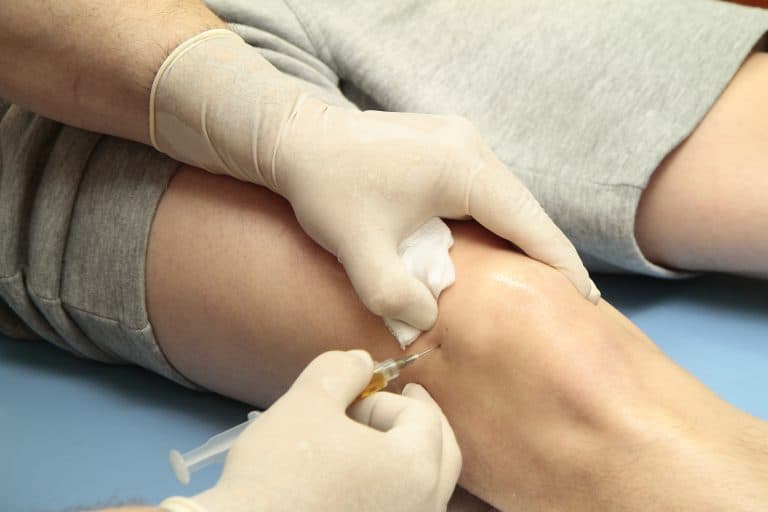



Innovations in Ankle Cartilage Repair: How Advanced Imaging and Regenerative Therapies Are Changing the Game
Introduction
Repairing ankle cartilage is a real challenge for both patients and doctors. The ankle does a lot of work, supporting our weight and enabling smooth movement, but its cartilage doesn’t heal easily. Unlike larger joints such as the knee or hip, ankle cartilage has little blood supply, making self-repair almost impossible. Fortunately, new advances are changing that outlook. By combining detailed imaging with cutting-edge regenerative treatments, medical science is now paving the way for more effective ankle cartilage repair and faster recovery.
Why Conventional Treatments Often Fall Short
Traditional methods for treating ankle cartilage injuries , such as microfracture surgery or simply cleaning up damaged tissue, often offer only temporary relief. The intricate structure of the ankle makes surgical repair more complicated compared to other joints . Standard imaging tools like X-rays or basic MRI scans may miss early cartilage damage or can’t show how well tissue is healing after treatment. This makes it tougher for doctors to diagnose injuries accurately and provide customized care. As a result, many patients experience ongoing pain and limited improvement—highlighting the need for better diagnostic tools and treatments.
Free non-medical discussion
Not sure what to do next?
Information only · No medical advice or diagnosis.
How Cutting-Edge Imaging Is Revolutionizing Diagnosis
Luckily, advances in medical imaging are transforming how doctors detect and monitor ankle cartilage problems . New MRI techniques—like T2 mapping, T1rho mapping, and dGEMRIC (delayed gadolinium-enhanced MRI of cartilage)—let doctors see beyond the surface. These scans reveal the cartilage ’s molecular structure, picking up early signs of wear and tear that traditional imaging misses. For example, they help assess the arrangement of collagen fibers and track vital molecules that keep cartilage healthy. With this level of detail, doctors can monitor healing more closely and design treatment plans tailored to each patient. The results: more accurate diagnoses and a better shot at full recovery.

Exciting New Regenerative Treatments
At the same time, regenerative medicine is opening doors to completely new ways of repairing ankle cartilage . Stem cell therapy , which harnesses the healing power of mesenchymal stem cells , encourages the growth of new, healthy tissue. Another promising approach is autologous chondrocyte implantation (ACI): doctors collect a patient’s own cartilage cells , grow them in a lab, and re-implant them into the ankle using minimally invasive surgery . Specially designed bioengineered scaffolds are also in use—they provide support and mimic the ideal environment for new cartilage to develop. These therapies are adapted to the unique stresses of the ankle and, when used alongside advanced imaging, greatly boost the chances of a successful, lasting repair. Current treatments also include options such as osteochondral transplantation and allografts, providing a broader range of solutions for different types of injuries .
Looking Ahead: The Future of Ankle Cartilage Repair
By combining powerful new imaging technologies with personalized regenerative treatments , doctors are making huge strides in ankle cartilage repair . This approach means problems can be caught earlier, healing can be tracked more accurately, and treatment can truly help restore healthy tissue rather than simply patching up damage. Looking to the future, these innovations promise shorter recovery times, a lower risk of arthritis , and better long-term joint function for patients. That said, ongoing research and strong collaboration between physicians, scientists, and imaging experts will be key to refining these breakthroughs. With momentum building, the future of ankle cartilage repair looks more precise, personalized, and hopeful than ever.
References
Nehrer, S., & Vannini, F. (2016). Ankle cartilage repair. Cartilage, 8(1), 11. https://doi.org/10.1177/1947603516678519
Choi, Y. S., Potter, H. G., & Chun, T. J. (2008). MR imaging of cartilage repair in the knee and ankle. Radiographics, 28(4), 1043-1059. https://doi.org/10.1148/rg.284075111
Dahmen, J., Bayer, S., Toale, J., Mulvin, C., Hurley, E. T., Batista, J., ... & Murawski, C. D. (2022). Osteochondral lesions of the tibial plafond and ankle instability with ankle cartilage lesions: Proceedings of the International Consensus Meeting on Cartilage Repair of the Ankle. Foot & Ankle International, 43(3), 448-452. https://doi.org/10.1177/10711007211049169
Frequently Asked Questions
- Ankle cartilage has limited blood supply, making natural healing very challenging. Unlike knees or hips, standard treatments often fail to restore full function. At London Cartilage Clinic, Prof Lee uses advanced diagnostic and regenerative solutions to achieve better outcomes for patients with stubborn ankle cartilage injuries.
- Unlike traditional methods that often bring only temporary relief, London Cartilage Clinic employs state-of-the-art imaging and regenerative therapies under Prof Lee’s expert care. This enables earlier, more accurate diagnosis and truly personalised treatment plans—improving the chances of long-term success and faster recovery for every patient.
- London Cartilage Clinic, led by Prof Lee, uses advanced MRI techniques such as T2 mapping, T1rho mapping and dGEMRIC. These scanning methods provide detailed, molecular-level insight into ankle cartilage health, allowing for highly accurate diagnosis and effective treatment monitoring for optimal patient outcomes.
- Prof Lee specialises in regenerative options like stem cell therapy, autologous chondrocyte implantation (ACI), and bioengineered scaffolds. These treatments are tailored to each individual and, combined with advanced imaging, provide a far greater chance of genuine tissue regeneration and long-lasting joint function.
- Prof Lee is a recognised leader in cartilage repair, bringing deep expertise and innovative techniques to every case. At London Cartilage Clinic, patients benefit from cutting-edge technology, personal attention, and a commitment to achieving the best possible results in ankle cartilage healing and recovery.
Legal & Medical Disclaimer
This article is written by an independent contributor and reflects their own views and experience, not necessarily those of London Cartilage Clinic. It is provided for general information and education only and does not constitute medical advice, diagnosis, or treatment.
Always seek personalised advice from a qualified healthcare professional before making decisions about your health. London Cartilage Clinic accepts no responsibility for errors, omissions, third-party content, or any loss, damage, or injury arising from reliance on this material.
If you believe this article contains inaccurate or infringing content, please contact us at [email protected].
London Cartilage Clinic
Modern treatments, designed for lasting knee outcomes
Every treatment plan is selected to help you return to the quality of life you deserve. Our team combines up-to-date techniques with consultant-led decision making across cartilage repair, regeneration and replacement.
What your journey can look like
Step 01
Consultant-Led Assessment
Symptoms, imaging and goals reviewed in one structured appointment.
Step 02
Personalised Treatment Plan
A clear route chosen from repair, regeneration or replacement options.
Step 03
Precision Delivery
Modern techniques and specialist equipment matched to your diagnosis.
Step 04
Long-Term Knee Health
Follow-up guidance focused on durable function and quality of life.
Will the Arthrosamid work for me
PAAG-8+ Questionnaire
A bright, structured entry point for patients exploring Arthrosamid. The questionnaire helps frame suitability, expectations, and 24-month clinical benefit discussion before a fuller consultant-led review.
Designed for shared decision-making. It does not replace specialist consultation, examination, imaging review, or formal medical advice.