


How to Regenerate Knee Cartilage Naturally: A Practical Guide to Healing and Strengthening Your Joints
Introduction
Knee cartilage problems are a leading cause of pain and stiffness, making everyday activities like walking , climbing stairs, or even standing for long periods a challenge for millions of people. While treatments and surgeries are available, many people prefer natural, noninvasive ways to nurture their knee health and tap into the body’s own ability to heal . If you’re curious about how to regenerate knee cartilage naturally , you’re in the right place. In this guide, we’ll explore the role of nutrition, movement, and simple lifestyle changes in protecting and even repairing your knee cartilage —all while comparing these natural methods with the latest medical breakthroughs.
What Is Knee Cartilage and Why Is It Important?
Before exploring natural remedies, it's helpful to know what knee cartilage does and why it’s vital for joint health . Cartilage is a smooth, resilient tissue that cushions the bones in your knee , allowing easy, friction-free movement. Over time, aging, injuries, or consistent stress can thin or damage this protective layer, often resulting in pain and limited mobility—a condition known as osteoarthritis .
Medical science has made exciting strides, from stem cell therapies to cartilage “scaffolds” designed to help regrow damaged tissue. While these advanced treatments offer hope, they are expensive, may not be widely available, and often require more research to become mainstream solutions. Meanwhile, researchers are uncovering novel therapies, like plasma jet treatments, that may inspire new natural healing methods in the future. For most people, however, supporting the body’s natural repair processes with everyday habits remains one of the most practical and accessible options for maintaining knee health .
How Your Diet Can Help Repair Cartilage
What you eat can make a significant difference in the health of your knee cartilage . Certain nutrients act as building blocks for cartilage or help limit inflammation that accelerates joint damage. Key compounds like glucosamine and chondroitin—naturally present in cartilage—support strength and resilience. While supplements exist, you can also get glucosamine and chondroitin from foods like bone broth, shellfish, and some vegetables.
Omega-3 fatty acids—found in fatty fish like salmon and mackerel—are natural inflammation fighters that support healing and limit cartilage breakdown. Antioxidants from colorful fruits and leafy greens help protect joint tissues from oxidative stress. By regularly including these foods in your diet, you give your knees the raw materials needed to stay strong and repair themselves over time.
Free non-medical discussion
Not sure what to do next?
Information only · No medical advice or diagnosis.
Move Smart: Exercises That Support Your Knees
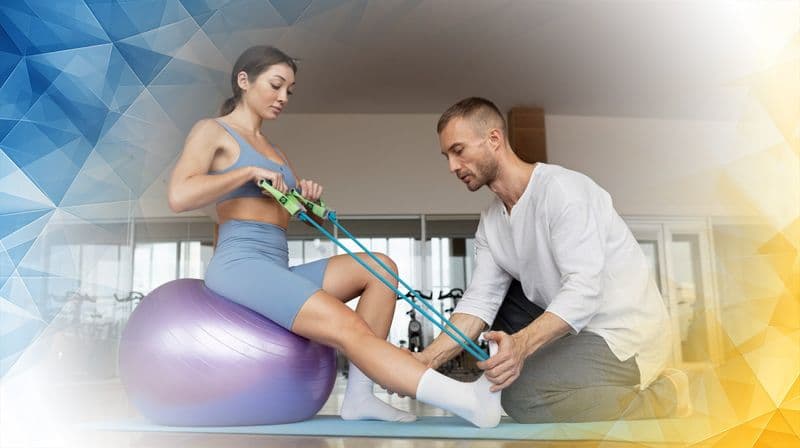
In addition to healthy eating, your movement habits play a big role in knee health. Low-impact exercises that gently strengthen the muscles around your knee can reduce pressure on cartilage and boost stability. Simple moves like leg lifts, hamstring curls, and gentle squats—easily done at home—help build supportive muscle without straining your joints .
Stretching keeps your joints flexible and helps prevent stiffness, while activities like swimming or cycling give you a great workout without pounding your knees. Regular movement also improves circulation, delivering nutrients to cartilage and carrying away waste. Just be sure to balance activity with rest so your joints have time to recover and get stronger.

Natural Methods and Medical Science: A Winning Combination
Natural strategies are great for everyday knee care, and when paired with professional advice, they become even more powerful. Scientists continue to develop new methods, such as biomaterial scaffolds and stem cell therapies , aimed at regenerating damaged cartilage . Other innovations, like plasma jet therapy, show promise in early studies. While these treatments may shape the future of joint care, most are still experimental or limited to clinical settings.
That means the best current approach is to use natural methods to build a healthy foundation, and to consult your healthcare provider about appropriate medical interventions when needed. Simple changes to your diet and exercise routine can make a meaningful, lasting difference in how your knees feel day to day.
Simple Steps You Can Take Today
Ready to make a change? Here are some easy ways to get started:
- Add anti- inflammatory foods —such as turmeric, ginger, and berries—to your meals regularly.
- Include sources of glucosamine and chondroitin, like bone broth and shellfish, when possible.
- Eat fatty fish rich in omega-3s (such as salmon) twice a week, or consider fish oil supplements if appropriate for you.
- Perform knee-friendly exercises—like leg lifts, wall sits, and stretches—for 15–20 minutes, three times a week.
- Aim for a healthy weight to take stress off your knees.
- Alternate activity with rest, avoiding overuse of your joints.
- Stay hydrated and limit processed foods that promote inflammation.
By forming these habits and sticking with them, you’ll give your body the tools it needs to repair and maintain healthy knee cartilage naturally .
Conclusion
Regenerating knee cartilage naturally is both possible and practical. By pairing mindful eating with gentle, regular movement, you can slow cartilage breakdown, ease discomfort, and keep moving with confidence. Science continues to support the value of these approaches—while also opening the door to even more effective treatments in the future. Take control of your knee health today through simple changes in diet and activity, and give your joints the chance to thrive for years to come.
References
Rodríguez‐Merchán, E. C. (2012). Regeneration of articular cartilage of the knee. Rheumatology International, 33(4), 837-845. https://doi.org/10.1007/s00296-012-2601-3
Okahashi, K., Fujisawa, Y., Sugimoto, K., & Tanaka, Y. (2010). Cartilage regeneration of knee OA after high tibial osteotomy. Techniques in Knee Surgery, 9(2), 95-100.
Koohpar, A. K., Jahandideh, A., & Mortazavi, P. (2023). Investigation of the effect of plasma jet on regeneration of rabbit knee cartilage. International Bulletin of Veterinary Medicine, (2), 379-387. https://doi.org/10.52419/issn2072-2419.2023.2.379
Legal & Medical Disclaimer
This article is written by an independent contributor and reflects their own views and experience, not necessarily those of London Cartilage Clinic. It is provided for general information and education only and does not constitute medical advice, diagnosis, or treatment.
Always seek personalised advice from a qualified healthcare professional before making decisions about your health. London Cartilage Clinic accepts no responsibility for errors, omissions, third-party content, or any loss, damage, or injury arising from reliance on this material.
If you believe this article contains inaccurate or infringing content, please contact us at [email protected].
London Cartilage Clinic
Modern treatments, designed for lasting knee outcomes
Every treatment plan is selected to help you return to the quality of life you deserve. Our team combines up-to-date techniques with consultant-led decision making across cartilage repair, regeneration and replacement.
What your journey can look like
Step 01
Consultant-Led Assessment
Symptoms, imaging and goals reviewed in one structured appointment.
Step 02
Personalised Treatment Plan
A clear route chosen from repair, regeneration or replacement options.
Step 03
Precision Delivery
Modern techniques and specialist equipment matched to your diagnosis.
Step 04
Long-Term Knee Health
Follow-up guidance focused on durable function and quality of life.
Will the Arthrosamid work for me
PAAG-8+ Questionnaire
A bright, structured entry point for patients exploring Arthrosamid. The questionnaire helps frame suitability, expectations, and 24-month clinical benefit discussion before a fuller consultant-led review.
Designed for shared decision-making. It does not replace specialist consultation, examination, imaging review, or formal medical advice.