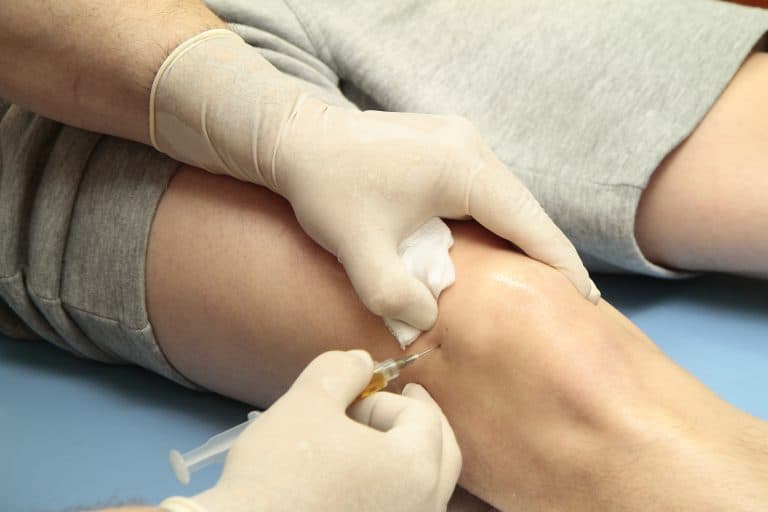



Harnessing Mechanical Loading for the Regeneration of Ankle Articular Cartilage
Introduction
Articular cartilage is the smooth, tough tissue that covers the ends of bones where they meet in our joints. It acts like a cushion, enabling our joints to move fluidly and absorb the shocks from daily activities. The ankle joint is particularly interesting: while smaller than joints like the knee, it endures significant forces but actually has cartilage that is more resilient and less likely to develop osteoarthritis . This resilience has sparked curiosity among researchers—what makes ankle cartilage special, and how does it seem to heal and maintain itself more effectively? A major part of the answer appears to lie in the role of mechanical loading—the normal forces placed on the ankle during movement. These natural stresses not only keep ankle cartilage healthy, but they also play a key role in repair and regeneration.
What Makes Ankle Cartilage Special?
Ankle cartilage differs from that in other joints in a few important ways. It’s generally thinner than knee cartilage , but it’s also stiffer and less permeable—which means it is better equipped to handle repeated pressure and impact. On a microscopic level, the collagen fibers in ankle cartilage are arranged in a way that makes the tissue especially strong and durable. The levels and types of proteoglycans—a kind of molecule that helps the cartilage retain water—also play a part, bolstering both strength and resilience. All of these features help ankle cartilage withstand the daily demands placed on it, and more importantly, help it respond positively to mechanical stress. These differences don’t just make ankle cartilage tougher ; they also explain its remarkable capacity for repair when damaged. Notably, cartilage is a unique tissue composed mostly of water, supported by a matrix of structural proteins and a small population of specialized cells—an arrangement that allows it to both absorb shock and respond dynamically to new stresses or injury.
Free non-medical discussion
Not sure what to do next?
Information only · No medical advice or diagnosis.
How Mechanical Loading Supports Cartilage Repair
Mechanical loading goes beyond simply applying pressure: it serves as a powerful biological trigger for healing. When cartilage endures regular, well-controlled stress—like during movement or weight-bearing activities—the cells inside it (called chondrocytes) become activated. They start to produce more collagen and proteoglycans, the very materials needed to repair and rebuild the tissue. This process also stimulates the release of growth factors and other molecular signals that reduce inflammation and help shape new, healthy cartilage .
This understanding has led directly to advances in treatment. For example, procedures like autologous chondrocyte implantation involve harvesting a patient’s own cartilage cells, cultivating them in a lab, and then reintroducing them to the damaged area—where their growth is often supported by controlled mechanical environments. Even non-surgical methods, such as physical therapy and targeted exercise, harness the principle of mechanical loading—using specific movements and forces to stimulate natural repair processes in the joint.
Research has further revealed that cartilage ’s unique structure—with a dense matrix, high water content, and only a small number of cells—enables this dynamic, load-responsive healing. Early transplantation studies reinforced the idea that under the right mechanical and biological conditions, cartilage can regenerate robustly. Improvements in imaging technology (like MRI) have also transformed how we track cartilage health, monitor recovery, and tailor treatments for each individual patient.

What This Means for Patients and Future Treatments
The growing understanding of mechanical loading’s role in cartilage regeneration is shaping new, more effective treatments for ankle injuries and joint problems. Modern therapies increasingly aim to mimic the natural forces the ankle experiences during daily movement to improve healing outcomes. With advanced imaging, clinicians can assess cartilage health in detail and create personalized rehabilitation plans, optimizing when and how to apply mechanical forces for the best possible repair.
Meanwhile, advances in regenerative medicine —such as tissue engineering and biologic therapies—hold great promise, especially when combined with mechanical loading strategies. These approaches could mean faster recoveries, less pain, and a lower risk of developing arthritis after injury. Continued research will be crucial to refining these techniques and making them widely accessible to patients. Importantly, protecting and restoring ankle cartilage isn ’t just about short-term healing; it’s about ensuring lifelong joint function and mobility.
Conclusion
Ankle cartilage is uniquely engineered to handle the intense demands we place on it, and the very stresses it endures are key to keeping it healthy and supporting its repair. By understanding and harnessing the natural power of mechanical loading, researchers and clinicians are developing innovative treatments that not only heal damaged cartilage but may also prevent lifelong joint problems. This field is evolving rapidly and promises to improve the quality of life for countless people with ankle injuries and joint disorders in the years to come.
References
Herzog, W. (2006). Articular Cartilage. In (pp. ). Wiley. https://doi.org/10.1002/9780471740360.ebs0233
Urist, M. R., & Adams, T. (1968). Cartilage or bone induction by articular cartilage. Journal of Bone and Joint Surgery - British Volume, 50-B(1), 198-215.
Paunipagar, B. K., & Rasalkar, D. D. (2014). Imaging of articular cartilage. Indian Journal of Radiology and Imaging, 24(03), 237-248. https://doi.org/10.4103/0971-3026.137028
Legal & Medical Disclaimer
This article is written by an independent contributor and reflects their own views and experience, not necessarily those of London Cartilage Clinic. It is provided for general information and education only and does not constitute medical advice, diagnosis, or treatment.
Always seek personalised advice from a qualified healthcare professional before making decisions about your health. London Cartilage Clinic accepts no responsibility for errors, omissions, third-party content, or any loss, damage, or injury arising from reliance on this material.
If you believe this article contains inaccurate or infringing content, please contact us at [email protected].
London Cartilage Clinic
Modern treatments, designed for lasting knee outcomes
Every treatment plan is selected to help you return to the quality of life you deserve. Our team combines up-to-date techniques with consultant-led decision making across cartilage repair, regeneration and replacement.
What your journey can look like
Step 01
Consultant-Led Assessment
Symptoms, imaging and goals reviewed in one structured appointment.
Step 02
Personalised Treatment Plan
A clear route chosen from repair, regeneration or replacement options.
Step 03
Precision Delivery
Modern techniques and specialist equipment matched to your diagnosis.
Step 04
Long-Term Knee Health
Follow-up guidance focused on durable function and quality of life.
Will the Arthrosamid work for me
PAAG-8+ Questionnaire
A bright, structured entry point for patients exploring Arthrosamid. The questionnaire helps frame suitability, expectations, and 24-month clinical benefit discussion before a fuller consultant-led review.
Designed for shared decision-making. It does not replace specialist consultation, examination, imaging review, or formal medical advice.