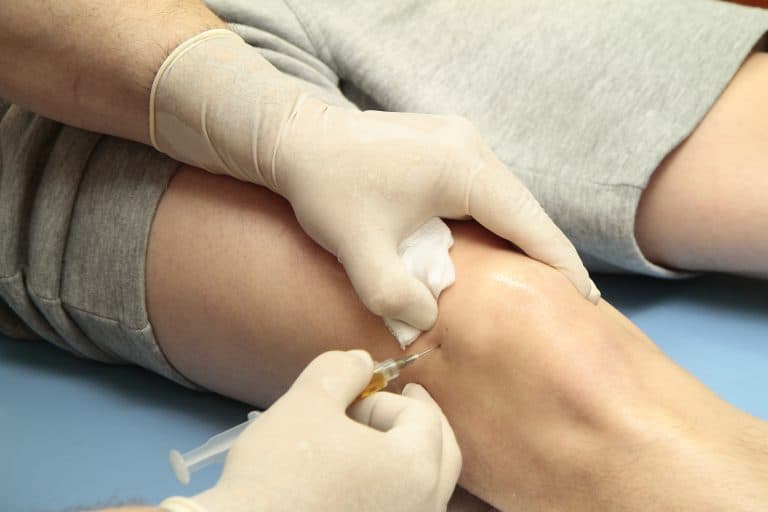



Knee cartilage plays a crucial role in joint health, providing a smooth surface for bones to glide over and cushioning impact during movement. Damage to this essential tissue can lead to significant pain and reduced mobility. London Cartilage Clinic specialises in advanced techniques to repair knee cartilage and enhance patient outcomes. This article aims to answer a common question: "Do I need a joint replacement to address cartilage damage?"
Understanding Knee Cartilage and Its Importance
Knee cartilage is a tough, flexible tissue that covers the ends of bones in your knee joint. It reduces friction, absorbs shock, and allows for smooth movement. There are two main types of cartilage in the knee: articular cartilage and meniscus cartilage. Articular cartilage covers the ends of bones, while the meniscus cartilage acts as a shock absorber between the thigh bone and shin bone. When cartilage is damaged due to injury or arthritis, it can lead to pain, swelling, and decreased mobility. Understanding the role of knee cartilage and the importance of keeping it healthy is the first step towards effective treatment and recovery.
Free non-medical discussion
Not sure what to do next?
Information only · No medical advice or diagnosis.
Do I Need a Joint Replacement?
The decision to undergo joint replacement surgery depends on several factors, including the extent of cartilage damage, the severity of symptoms, and the impact on your daily life. While joint replacement can be highly effective, it's not always the first or only option. There are several non-surgical and less invasive surgical treatments available that can effectively address cartilage damage.

How to Decide on the Right Treatment
Deciding on the right treatment for cartilage damage involves a thorough evaluation by an orthopaedic specialist. Factors such as the extent of cartilage damage, your overall health, and your treatment goals will be considered. Our team combines cutting-edge treatments with personalised care to ensure the best possible outcomes for our patients. Whatever your road to recovery, it will always begin with a consultation with one of our medical professionals, where we take the time to understand your situation. Contact us to get started.
Frequently Asked Questions
- Non-surgical treatments are often the first line of defence against cartilage damage. These can include physical therapy, medications, and injections such as corticosteroids or <a href="https://londoncartilage.com/hyaluronic-acid-injections/">hyaluronic acid</a>. These treatments aim to reduce pain, improve joint function, and slow down the progression of cartilage damage.
- Biological treatments utilise the body's natural healing processes to repair and regenerate damaged cartilage. Platelet-rich plasma (<a href="https://londoncartilage.com/prp-injection/">PRP</a>) therapy and stem cell therapy are two popular biological treatments that can promote healing and improve joint function without the need for surgery.
- When non-surgical treatments are not enough, minimally invasive surgical options can be considered. Procedures such as arthroscopic debridement and microfracture surgery are less invasive than joint replacement and can effectively treat smaller areas of cartilage damage.
- Cartilage grafting is a surgical technique where healthy cartilage is transplanted to the damaged area. This procedure can be highly effective for treating larger cartilage defects and can delay or prevent the need for joint replacement.
- Signs that you might need a joint replacement include severe pain that interferes with daily activities, significant stiffness or swelling, and a decrease in joint function that doesn't improve with non-surgical treatments.
- Yes, there are several alternatives to joint replacement, including non-surgical treatments, biological treatments, minimally invasive surgery, and cartilage grafting. These options can effectively address cartilage damage and improve joint function.
- Recovery time for cartilage grafting varies but generally ranges from several weeks to a few months. Physical therapy is often required to ensure a successful recovery and to restore full function to the knee.
- A thorough evaluation by an orthopaedic specialist is necessary to determine if you are a candidate for joint replacement surgery. Factors such as the extent of cartilage damage, overall health, and treatment goals will be considered.
Legal & Medical Disclaimer
This article is written by an independent contributor and reflects their own views and experience, not necessarily those of London Cartilage Clinic. It is provided for general information and education only and does not constitute medical advice, diagnosis, or treatment.
Always seek personalised advice from a qualified healthcare professional before making decisions about your health. London Cartilage Clinic accepts no responsibility for errors, omissions, third-party content, or any loss, damage, or injury arising from reliance on this material.
If you believe this article contains inaccurate or infringing content, please contact us at [email protected].
London Cartilage Clinic
Modern treatments, designed for lasting knee outcomes
Every treatment plan is selected to help you return to the quality of life you deserve. Our team combines up-to-date techniques with consultant-led decision making across cartilage repair, regeneration and replacement.
What your journey can look like
Step 01
Consultant-Led Assessment
Symptoms, imaging and goals reviewed in one structured appointment.
Step 02
Personalised Treatment Plan
A clear route chosen from repair, regeneration or replacement options.
Step 03
Precision Delivery
Modern techniques and specialist equipment matched to your diagnosis.
Step 04
Long-Term Knee Health
Follow-up guidance focused on durable function and quality of life.
Will the Arthrosamid work for me
PAAG-8+ Questionnaire
A bright, structured entry point for patients exploring Arthrosamid. The questionnaire helps frame suitability, expectations, and 24-month clinical benefit discussion before a fuller consultant-led review.
Designed for shared decision-making. It does not replace specialist consultation, examination, imaging review, or formal medical advice.