


Distinguishing Shoulder Impingement Symptoms from Labral Tears: A Practical Diagnostic Guide
Introduction
The shoulder is an incredibly flexible and complex joint, letting us perform countless daily activities—from reaching for a book on a high shelf to playing sports. When shoulder pain appears, it can feel both limiting and frustrating. Two of the most common sources of shoulder pain are shoulder impingement and labral tears. Although they can cause similar symptoms, these conditions are quite different and require unique treatments. This guide will walk you through how to tell them apart, using up-to-date medical insights to highlight the differences and the most reliable ways to diagnose each. Learning these distinctions means you and your healthcare provider can pinpoint the right treatment faster, getting you back to moving comfortably and confidently.
Understanding Shoulder Anatomy and Common Conditions
It helps to start with a quick look at shoulder anatomy . The shoulder consists of three main bones: the humerus (upper arm bone), the scapula (shoulder blade), and the clavicle (collarbone). The shoulder joint’s shallow socket is deepened by a ring of cartilage known as the labrum, which both cushions and stabilizes the joint.
A labral tear happens when this cartilage ring is damaged. Causes can include traumatic injury, repetitive overhead motions such as swimming or throwing, or gradual wear and tear. Shoulder impingement , on the other hand, involves the rotator cuff tendons being pinched or compressed against nearby bones when you lift your arm. This can lead to inflammation, irritation , and pain. Both conditions affect shoulder movement, but they involve different structures and often develop for different reasons.
How to Tell the Symptoms Apart
It’s easy to see why these two issues are often mixed up—they share many symptoms, like shoulder pain and limited movement. But some key features can help differentiate them.
Shoulder impingement typically causes sharp or burning pain at the front or side of the shoulder. This pain tends to worsen with overhead activities like reaching or lifting and often gets more pronounced at night, especially when lying on the affected side.
Labral tears usually cause a deeper, more diffuse ache within the shoulder. You might notice clicking, popping, or a catching sensation, as if something isn’t moving smoothly inside your shoulder . Some people feel a sense of instability or experience their shoulder “giving way” during certain movements. Weakness is also common. Recognizing these nuanced differences can make a huge difference in getting the right diagnosis .
Free non-medical discussion
Not sure what to do next?
Information only · No medical advice or diagnosis.
How Are These Conditions Diagnosed?
Doctors use a mix of physical exams and imaging tests to pinpoint the issue. For shoulder impingement , clinical exams such as the Neer and Hawkins-Kennedy tests involve moving your arm in specific ways to see if this triggers classic impingement pain. If a labral tear is suspected, other tests—like O’Brien’s test or the crank test—are designed to put stress on the labrum and reproduce symptoms.
While these tests are useful, imaging provides a clearer picture. MRI, especially with contrast dye ( MR arthrography ), is considered the gold standard for diagnosing labral tears because it shows soft tissue in detail. Ultrasound can help spot rotator cuff issues and impingement signs but isn’t as effective for labral injuries. Combining a careful clinical exam with the right imaging method helps ensure an accurate, confident diagnosis .

Why Getting the Diagnosis Right Matters
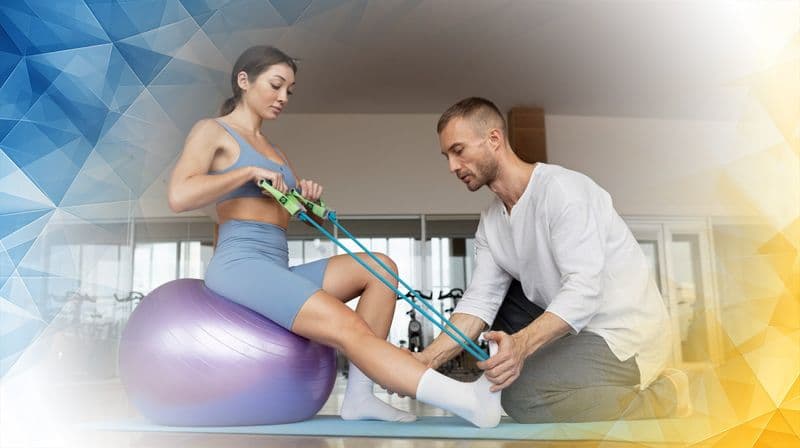
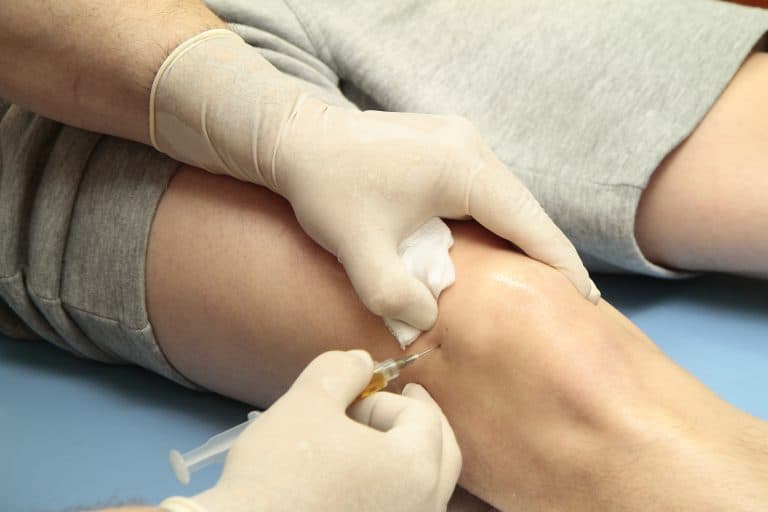
Accurate diagnosis drives proper treatment. Shoulder impingement is usually managed without surgery— physical therapy , specific exercises to strengthen and stretch the shoulder, and sometimes anti-inflammatory medications help relieve symptoms and improve shoulder mechanics. Injections or, in rare cases, surgery may be considered if symptoms persist.
Labral tears often require surgical repair, typically through minimally invasive arthroscopy, especially for younger or athletic patients. If a labral tear is incorrectly treated as impingement, or vice versa, recovery could be delayed or symptoms could get worse. That’s why careful diagnosis—based on symptoms, clinical exams, and the appropriate imaging—is so important for a successful recovery.
Conclusion
While shoulder impingement and labral tears can seem similar at first, they are quite different conditions in both cause and treatment. By paying attention to specific symptoms, using targeted clinical tests, and relying on advanced imaging when necessary, healthcare professionals can distinguish between the two with confidence. This thoughtful approach not only speeds your recovery but also ensures the best chance of regaining pain-free shoulder movement . If you're dealing with shoulder pain , understanding these differences can empower you to ask the right questions and get back to the activities you love.
References
Cools, A., Cambier, D., & Witvrouw, E. (2008). Screening the athlete’s shoulder for impingement symptoms: a clinical reasoning algorithm for early detection of shoulder pathology. British Journal of Sports Medicine, 42(8), 628-635. https://doi.org/10.1136/bjsm.2008.048074
Ludewig, P. M., & Cook, T. M. (2002). Translations of the humerus in persons with shoulder impingement symptoms. Journal of Orthopaedic and Sports Physical Therapy, 32(6), 248-259. https://doi.org/10.2519/jospt.2002.32.6.248
Tyler, T. F., Nicholas, S., Lee, S. J., Mullaney, M. J., & McHugh, M. P. (2009). Correction of posterior shoulder tightness is associated with symptom resolution in patients with internal impingement. The American Journal of Sports Medicine, 38(1), 114-119. https://doi.org/10.1177/0363546509346050
Legal & Medical Disclaimer
This article is written by an independent contributor and reflects their own views and experience, not necessarily those of London Cartilage Clinic. It is provided for general information and education only and does not constitute medical advice, diagnosis, or treatment.
Always seek personalised advice from a qualified healthcare professional before making decisions about your health. London Cartilage Clinic accepts no responsibility for errors, omissions, third-party content, or any loss, damage, or injury arising from reliance on this material.
If you believe this article contains inaccurate or infringing content, please contact us at [email protected].
London Cartilage Clinic
Modern treatments, designed for lasting knee outcomes
Every treatment plan is selected to help you return to the quality of life you deserve. Our team combines up-to-date techniques with consultant-led decision making across cartilage repair, regeneration and replacement.
What your journey can look like
Step 01
Consultant-Led Assessment
Symptoms, imaging and goals reviewed in one structured appointment.
Step 02
Personalised Treatment Plan
A clear route chosen from repair, regeneration or replacement options.
Step 03
Precision Delivery
Modern techniques and specialist equipment matched to your diagnosis.
Step 04
Long-Term Knee Health
Follow-up guidance focused on durable function and quality of life.
Will the Arthrosamid work for me
PAAG-8+ Questionnaire
A bright, structured entry point for patients exploring Arthrosamid. The questionnaire helps frame suitability, expectations, and 24-month clinical benefit discussion before a fuller consultant-led review.
Designed for shared decision-making. It does not replace specialist consultation, examination, imaging review, or formal medical advice.