

Detecting the Unseen: Advanced Diagnostic Indicators for Meniscus Tear in the Knee
The meniscus, a small yet essential structure in the knee, serves as a shock absorber and stabilizer during movement. However, tears in this cartilage can be difficult to catch in their early stages. Identifying meniscus injuries before they worsen is critical to preventing long-term joint problems and ensuring patients receive the best possible treatment. In this article, we’ll explore the subtle warning signs and modern diagnostic techniques that empower healthcare professionals to spot meniscus tears early—before they lead to more serious consequences.
We’ll cover five main points: understanding meniscus anatomy and function, recognizing the early signs of a meniscus tear , discovering the latest diagnostic tools, connecting these methods to recent research, and finally, discussing what these developments mean for everyday medical care.
Understanding Meniscus Anatomy and Function
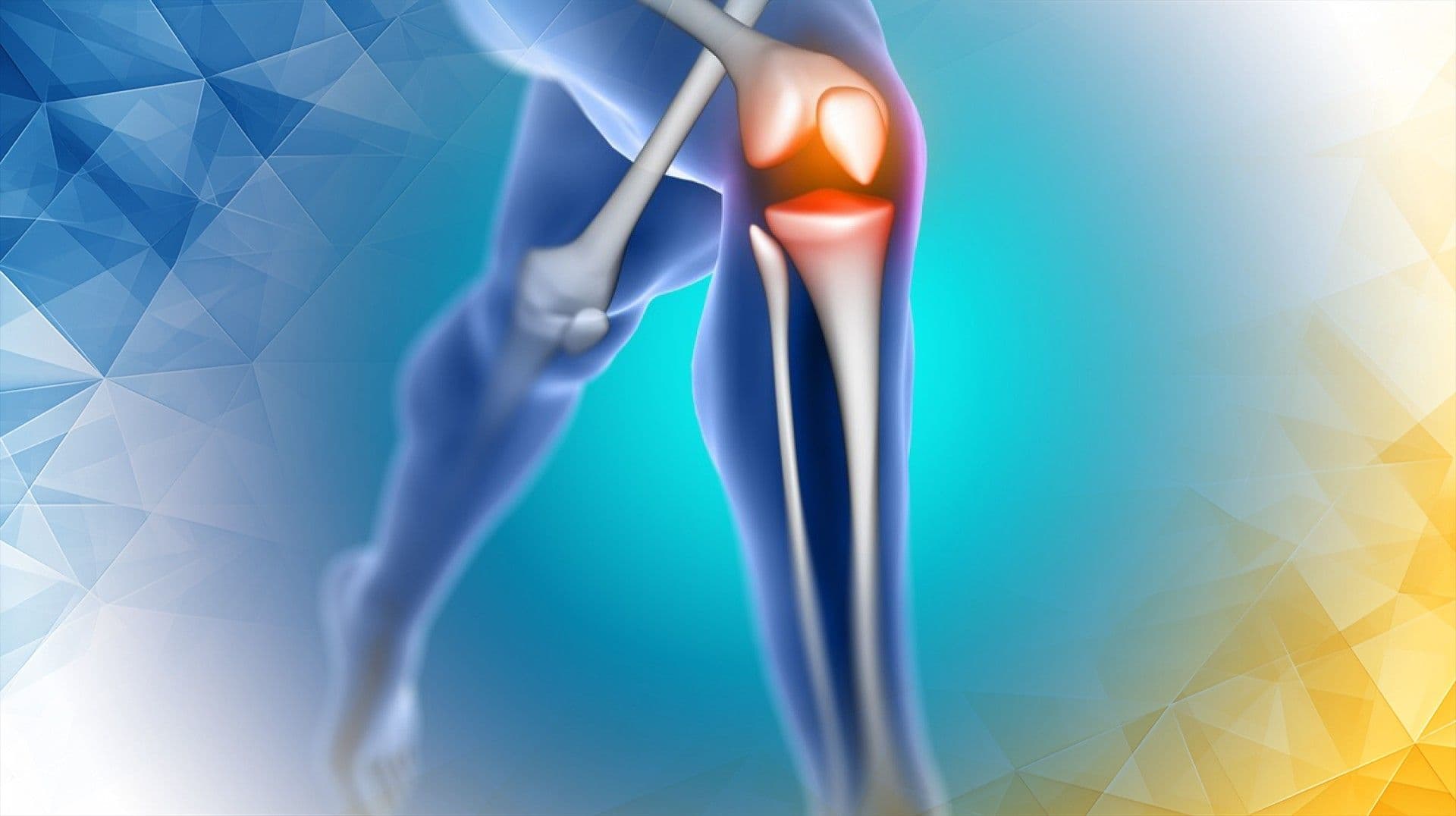
The meniscus consists of two crescent-shaped pieces of tough, rubbery cartilage located inside your knee: the medial meniscus on the inner side and the lateral meniscus on the outer. Their primary roles are to distribute weight across the knee joint , cushion impacts, and stabilize movement, all while keeping the joint lubricated. Their unique shape and flexibility allow the knee to bend, twist, and rotate smoothly. When the meniscus is damaged, these functions are compromised, leading to pain, swelling, and diminished mobility. Understanding how the meniscus works highlights the importance of catching tears early to protect knee health and function.
Recent research underscores the need to preserve the meniscus whenever possible. Notably, meniscus-sparing treatments help maintain long-term joint stability and reduce the risk of developing arthritis following injury.
Subtle Clinical Signs of Meniscus Tear
Meniscus tears don’t always begin with dramatic symptoms. In the early stages, signs can be subtle and easily mistaken for other knee issues . You might feel occasional “locking” or “catching,” where your knee briefly sticks or clicks during movement. Swelling can fluctuate, appearing and disappearing with certain activities. Pain is often triggered by twisting or squatting, but it doesn’t always linger. These early symptoms tend to be fleeting and mild, unlike the persistent discomfort that accompanies larger tears.
From a clinical standpoint, doctors look for tenderness along the knee ’s joint line, unexpected “giving way” of the joint, stiffness after rest, and discomfort during prolonged sitting. Recognizing these understated symptoms is pivotal for early diagnosis and better outcomes.
Meniscus injuries can also overlap with other knee problems. For example, tears in the lateral meniscus are seen in up to 20–30% of anterior cruciate ligament (ACL) injuries, highlighting the importance of careful evaluation.
Innovative Diagnostic Techniques
Technological advances have made diagnosing meniscus tears more accurate than ever. Magnetic resonance imaging (MRI) remains the gold standard, offering highly detailed views of the knee ’s cartilage and allowing doctors to spot even small or early-stage tears. Newer MRI approaches can reveal subtle degenerative changes that might otherwise go unnoticed.
While less commonly used for meniscus evaluation , ultrasound imaging can show the knee in motion, sometimes revealing mechanical issues that static images miss. On physical examination, refined techniques like the McMurray and Thessaly tests help replicate the knee movements that typically provoke pain or clicking, aiding in diagnosis.
During knee arthroscopy —a minimally invasive surgical procedure used for diagnosis and treatment—surgeons can observe the “flounce sign,” a wavy fold on the free edge of the medial meniscus. The presence of this sign can strongly suggest a healthy meniscus and help guide intraoperative decisions.
Additionally, nuclear medicine imaging, such as radionuclide scintigraphy, has shown particular value in detecting certain types of tears, especially in young athletes, and can complement more widely used scans like MRI.
Thanks to advances in surgical techniques, more meniscus tears can be repaired rather than removed, preserving natural knee function for the long term.
Using a combination of these imaging, examination, and surgical tools gives clinicians a complete and accurate picture, improving the chances of diagnosing tears early.
Free non-medical discussion
Not sure what to do next?
Information only · No medical advice or diagnosis.
Correlation with Academic Research
The importance of spotting early meniscus damage is strongly supported by recent studies. Research shows that patients with mild, hard-to-recognize symptoms often have distinct patterns of meniscus fibre changes on high-resolution MRI. Early intervention—whether through rehabilitation or minimally invasive surgery —can dramatically lower the risk of future osteoarthritis.
Clinical studies on the flounce sign illustrate its usefulness: one analysis reported a high degree of accuracy, with sensitivity, specificity, and predictive values all supporting its use in practice. Such findings have encouraged doctors to incorporate new visual and clinical indicators into standard knee exams.
Moreover, new repair techniques are now tailored to different types of tears, such as complete radial, bucket handle, and posterior root tears, offering better outcomes than in the past.

Implications for Medical Practice
Early detection of meniscus tears can completely change the treatment pathway. Many patients, if diagnosed quickly, can benefit from non-surgical strategies like physical therapy, targeted exercises, and lifestyle changes—sometimes avoiding surgery altogether. For healthcare providers, staying alert to subtle symptoms and leveraging the latest diagnostic technologies enhances care and tailors treatment to each patient’s needs.
It’s important to encourage patients to mention even mild or occasional knee problems, as these early signs can mark the beginning of an injury. By combining advanced diagnostics with patient awareness, clinicians can help preserve knee health and functionality well into the future.
Conclusion
Spotting meniscus tears before they get worse relies on recognizing the early, often subtle, symptoms; employing advanced diagnostic techniques; and staying up to date with the latest research. Early detection enables timely intervention, preventing further joint damage and setting the stage for the best possible recovery. As medical technology and knowledge continue to evolve, both healthcare professionals and patients benefit from greater awareness and expanded treatment options for knee injuries .
References
- Tapasvi, S. (2021). Lateral meniscus tears in ACL injured knee. The Hip and Knee Journal, 2(1), 5-21. https://doi.org/10.46355/hipknee.v2i1.71
- Gupta, Y., Mahara, D. P., & Lamichhane, A. (2015). Validity of flounce sign to rule out medial meniscus tear in knee arthroscopy. BMC Musculoskeletal Disorders, 16. https://doi.org/10.1186/s12891-015-0800-2
- Marymont, J. V., Lynch, M. A., & Henning, C. E. (1983). Evaluation of meniscus tears of the knee by radionuclide imaging. The American Journal of Sports Medicine, 11(6), 432-435.
Frequently Asked Questions
- Early symptoms include brief knee locking, clicking, or giving way, plus pain during twisting or squatting. Such signs may seem minor or temporary, but they often indicate emerging meniscus damage. At London Cartilage Clinic, Prof Lee’s expert assessment ensures subtle symptoms are recognised promptly for timely intervention.
- The clinic employs state-of-the-art MRI, refined examination techniques, and sometimes ultrasound to provide a detailed diagnosis. Prof Lee’s expertise in interpreting these scans and utilising minimally invasive procedures, like knee arthroscopy, ensures even early or complex tears are accurately identified, allowing patients to access tailored treatment plans.
- Early diagnosis allows for more conservative, non-surgical treatments, including physical therapy and specific rehabilitation. Under Prof Lee’s guidance, patients often avoid surgery altogether and minimise long-term joint damage. This approach preserves knee function, reduces arthritis risk, and significantly improves recovery outcomes compared to delayed intervention.
- Prof Lee is renowned for his extensive clinical experience, advanced research, and mastery of the latest repair techniques. His patient-centred approach at London Cartilage Clinic combines precision diagnosis with minimally invasive treatments, resulting in optimal outcomes and helping patients return to active lifestyles sooner and more confidently.
- Patients are encouraged to seek expertise promptly—even for minor or occasional symptoms—since early intervention can prevent more serious injuries. Consultations at London Cartilage Clinic with Prof Lee ensure thorough evaluation, advanced diagnostics, and customised management, offering the best chance of preserving long-term knee health and function.
Legal & Medical Disclaimer
This article is written by an independent contributor and reflects their own views and experience, not necessarily those of London Cartilage Clinic. It is provided for general information and education only and does not constitute medical advice, diagnosis, or treatment.
Always seek personalised advice from a qualified healthcare professional before making decisions about your health. London Cartilage Clinic accepts no responsibility for errors, omissions, third-party content, or any loss, damage, or injury arising from reliance on this material.
If you believe this article contains inaccurate or infringing content, please contact us at [email protected].
London Cartilage Clinic
Modern treatments, designed for lasting knee outcomes
Every treatment plan is selected to help you return to the quality of life you deserve. Our team combines up-to-date techniques with consultant-led decision making across cartilage repair, regeneration and replacement.
What your journey can look like
Step 01
Consultant-Led Assessment
Symptoms, imaging and goals reviewed in one structured appointment.
Step 02
Personalised Treatment Plan
A clear route chosen from repair, regeneration or replacement options.
Step 03
Precision Delivery
Modern techniques and specialist equipment matched to your diagnosis.
Step 04
Long-Term Knee Health
Follow-up guidance focused on durable function and quality of life.
Will the Arthrosamid work for me
PAAG-8+ Questionnaire
A bright, structured entry point for patients exploring Arthrosamid. The questionnaire helps frame suitability, expectations, and 24-month clinical benefit discussion before a fuller consultant-led review.
Designed for shared decision-making. It does not replace specialist consultation, examination, imaging review, or formal medical advice.