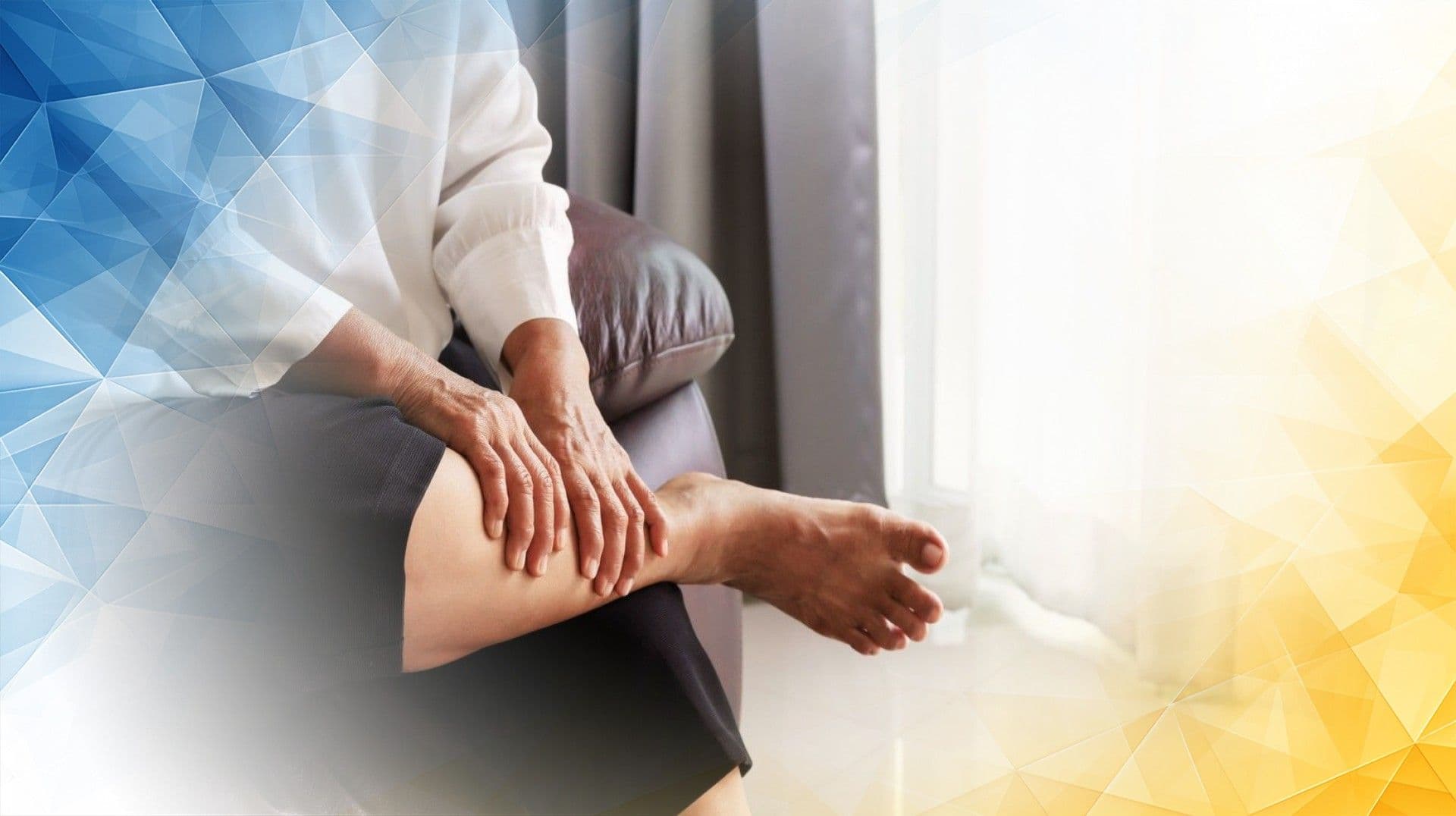
Decoding the Interplay of Hormones, Biomechanics, and Lifestyle in Female Knee Pain
Knee pain is a common challenge for many women, often making daily activities feel uncomfortable or limiting. But why does it happen more often in women than men? The answer lies in a combination of body structure, hormonal shifts, and lifestyle habits—not just a single cause. In this article, we’ll break down how biomechanics, hormones, and everyday behaviors all influence knee pain in women. By the end, you’ll better understand what contributes to knee pain and find clear, practical steps for managing it.
Biomechanical Factors: The Importance of the Q-Angle
One key biomechanical factor in female knee pain is the Q-angle. This angle, formed by your thigh muscles and the tendon connecting to your kneecap, tends to be wider in women due to naturally broader hips.
Why does this matter? A larger Q-angle can cause the kneecap to shift slightly off its ideal track when you move your knee, much like a train straying from its rails. Over time, this misalignment increases wear and tear, leading to discomfort or pain.
Women with a wider Q-angle are also more likely to have weaker thigh muscles and are at greater risk for conditions like patellofemoral pain syndrome—a frequent culprit in anterior knee pain . Understanding this helps healthcare providers create exercise programs that target these specific issues, strengthening the muscles that help keep the kneecap aligned.
Other factors like joint fluid buildup or the presence of a Baker's cyst—both found more commonly in certain women—can also lead to knee discomfort , reminding us that multiple biomechanical elements can contribute to pain in different ways.
Hormones: Their Role in Knee Stability
Hormones play a significant role in keeping your knees healthy —especially for women. Throughout the menstrual cycle, hormone levels like estrogen and relaxin can fluctuate, loosening the ligaments that stabilize the knee. This temporary flexibility may increase the risk of joint instability and injury.
Later in life, menopause brings a decrease in hormone levels. This can mean less collagen (which helps keep joints strong) and reduced joint lubrication, making the knee more vulnerable to wear and pain.
These hormonal influences explain why some women notice more knee discomfort at certain times of the month or during menopause. It also highlights the value of considering both biology and structure when treating knee pain .
Physical changes like varus deformities (bowing of the leg) or excess fluid in the knee can further amplify discomfort, especially when interacting with these hormonal shifts.
Lifestyle Choices: Habits That Impact Knee Health
Your daily habits have a real effect on your knees . Take shoes, for example: wearing high heels shifts your weight forward, puts added strain on the knees, and alters your gait. Over time, this extra stress can accelerate joint wearing and pain.
Research shows that women who frequently wear high heels tend to experience more knee pain than those who wear supportive or flat shoes. The empowering part? Simple habits—choosing better footwear and doing knee-strengthening exercises—can go a long way toward relieving discomfort and preventing problems down the road.
Managing your lifestyle also helps when tackling chronic knee conditions like osteoarthritis, which can lead to significant pain and reduce your quality of life. Taking preventative action is key to preserving joint health.
Diagnosing Knee Pain: What Happens at the Doctor
If knee pain starts interfering with your life, a doctor’s visit is a good next step. Your doctor will typically begin with a physical exam—checking how your knee moves, its stability, and looking for swelling or tenderness. Depending on the findings, imaging like MRI or ultrasound may be ordered for a closer look inside your knee .
Because knee pain can stem from many sources—from patellofemoral pain syndrome to less common causes—it’s important to get a thorough evaluation. Some online tools, like knee pain symptom checkers, can help you decide when it’s time to see a professional, but only a hands-on assessment can pinpoint the cause and guide effective treatment .
Proper diagnosis often means paying close attention to specific features like joint alignment, fluid buildup, or cysts, as these can strongly influence pain and treatment choices.
Treatment and Prevention: Practical Steps for Relief
Most knee pain in women can be improved without surgery. Physical therapy is usually the first approach, using exercises to strengthen the muscles that support your knee, improve flexibility, and correct mechanical issues. For example, if pain strikes the inner side of your knee but there’s no swelling, targeted stretches and activity modifications can bring relief.
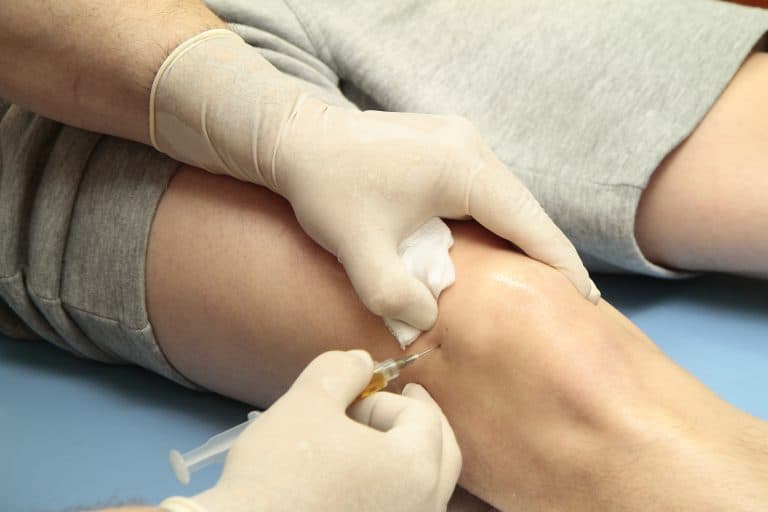
If therapy and lifestyle changes aren’t enough, further options like joint injections or surgery may be considered, depending on the underlying cause. A team-based approach involving your healthcare provider, physical therapist, and sometimes a specialist, can help create a treatment plan tailored to your needs.
Recent research suggests that some education and manual therapies may be more helpful for mental aspects of pain, like worry or fear of movement, than for pain intensity itself. Keep this in mind when exploring various treatment options.
Importantly, pain does not always match up neatly with physical findings—the severity or location of damage may not fully explain how much pain you feel—so treatment must be individualized.
Pulling It All Together: What We Know
It’s clear that knee pain in women arises from a blend of factors: the way your legs are built, hormonal changes across your life, and the things you do every day. Research on knee movement , hormones, and lifestyle habits all stress the importance of looking at the big picture.
By combining scientific insight with practical action—like targeted exercises, good footwear choices, and awareness of hormonal changes—women can address knee pain at its roots rather than just treating the symptoms.
Certain conditions, such as fluid-filled cysts and joint effusion, can have a big impact and shouldn’t be overlooked when diagnosing and managing knee issues .
Conclusion: Empower Yourself to Protect Your Knees
For women, knee pain usually results from several overlapping elements—anatomy, hormones, and daily choices. Recognizing this puts you in control: you can take steps to support your knees throughout life.
A personalized plan—incorporating the right exercises, paying attention to hormonal changes, and making smart lifestyle adjustments—offers the best shot at reducing pain and staying active. Thanks to ongoing research and effective prevention strategies, strong, pain-free knees are possible at every age.
References
Breugem, S. J. M. (2014). Anterior knee pain after a total knee arthroplasty: What can cause this pain? World Journal of Orthopedics, 5(3), 163. https://doi.org/10.5312/wjo.v5.i3.163
Lluch, E., Dueñas, L., Falla, D., Baert, I., Meeus, M., Sánchez‐Frutos, J., & Nijs, J. (2018). Preoperative pain neuroscience education combined with knee joint mobilization for knee osteoarthritis. Clinical Journal of Pain, 34(1), 44–52. https://doi.org/10.1097/ajp.0000000000000511
Radwan, A., Radwan, A., & Khalifa, M. (2020). Causes of pain in knee osteoarthritis. Sohag Medical Journal, 24(3), 38–42.
Legal & Medical Disclaimer
This article is written by an independent contributor and reflects their own views and experience, not necessarily those of London Cartilage Clinic. It is provided for general information and education only and does not constitute medical advice, diagnosis, or treatment.
Always seek personalised advice from a qualified healthcare professional before making decisions about your health. London Cartilage Clinic accepts no responsibility for errors, omissions, third-party content, or any loss, damage, or injury arising from reliance on this material.
If you believe this article contains inaccurate or infringing content, please contact us at [email protected].
London Cartilage Clinic
Modern treatments, designed for lasting knee outcomes
Every treatment plan is selected to help you return to the quality of life you deserve. Our team combines up-to-date techniques with consultant-led decision making across cartilage repair, regeneration and replacement.
What your journey can look like
Step 01
Consultant-Led Assessment
Symptoms, imaging and goals reviewed in one structured appointment.
Step 02
Personalised Treatment Plan
A clear route chosen from repair, regeneration or replacement options.
Step 03
Precision Delivery
Modern techniques and specialist equipment matched to your diagnosis.
Step 04
Long-Term Knee Health
Follow-up guidance focused on durable function and quality of life.
Will the Arthrosamid work for me
PAAG-8+ Questionnaire
A bright, structured entry point for patients exploring Arthrosamid. The questionnaire helps frame suitability, expectations, and 24-month clinical benefit discussion before a fuller consultant-led review.
Designed for shared decision-making. It does not replace specialist consultation, examination, imaging review, or formal medical advice.