

Introduction
The shoulder is a marvel of flexibility and function, enabling us to reach, lift, throw, and perform countless daily activities. Its stability and movement depend on key structures: the rotator cuff —a group of muscles and tendons that keep the joint steady—and the labrum, a ring of cartilage that deepens the shoulder socket and further stabilizes the joint. When issues arise here, particularly shoulder impingement and labral tears, they can cause pain, limit movement, and affect quality of life. Fortunately, recent research is giving both patients and healthcare professionals a better understanding of these conditions, leading to improved ways to diagnose and treat them. In this article, we’ll explore these new insights and explain how they can help you or someone you care about.
What Is Shoulder Impingement?
Shoulder impingement occurs when tendons or small fluid-filled sacs (bursae) get pinched in the narrow space beneath the acromion—the bony top part of your shoulder. This often happens when lifting your arm overhead, making it common among athletes and people in repetitive-motion jobs.
Symptoms include pain while raising the arm, weakness, and limited range of motion. Impingement may start as nagging discomfort, but if untreated, it can lead to inflammation and damage to the rotator cuff .
New research has shed light on the root causes of impingement . For example, the shape of your acromion influences your risk—those with a hooked or curved acromion (type III) have a narrower space and are more likely to develop impingement. This means treatment isn’t one-size-fits-all; your unique anatomy and lifestyle play a big role in recovery.
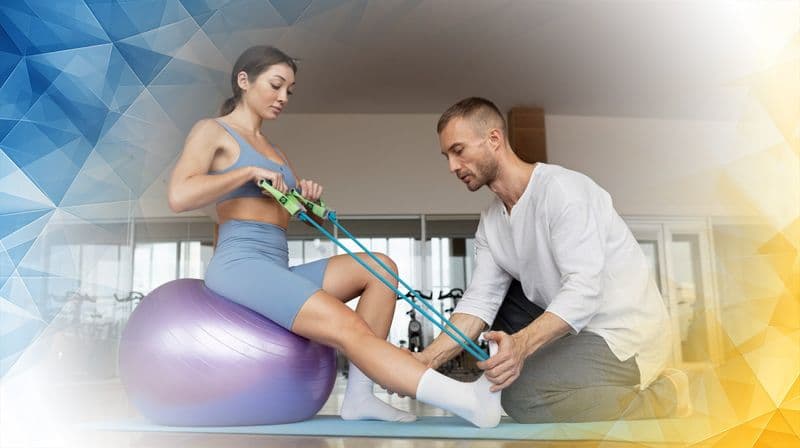
Rehabilitation today focuses on more than just rest and ice. Early treatment emphasizes strengthening the muscles that keep the upper arm bone ( humerus ) properly positioned, such as the rotator cuff and scapular muscles. As you progress, exercises become more targeted, focusing on restoring correct shoulder movement and preventing future injuries.
Free non-medical discussion
Not sure what to do next?
Information only · No medical advice or diagnosis.
Understanding Labral Tears
The labrum acts as a cushion and stabilizer for the shoulder socket, helping keep everything in place. Labral tears can happen suddenly from trauma (like a fall or dislocation), or develop over time from repetitive stress.
Two common types are SLAP tears, involving the upper (superior) part of the labrum—often seen in overhead athletes—and Bankart tears, usually related to shoulder dislocations . The symptoms can be vague, including pain, clicking, or a feeling of instability or weakness.
Diagnosing a labral tear can be challenging because the symptoms often mimic other shoulder problems . Advanced imaging, like an MRI with special contrast (magnetic resonance arthrography), is often needed to see the damage clearly.
Treatment depends on the severity and your activity goals. Many people improve with physiotherapy focused on strengthening the shoulder and restoring stability. Some, especially active individuals or those with persistent instability, may need minimally invasive surgery. Early diagnosis and treatment are important to prevent future problems.

How Impingement and Labral Tears Are Connected
Impingement and labral tears often overlap. If the shoulder ’s tendons or bursae keep getting pinched, inflammation can strain other structures—like the labrum—making tears more likely. Conversely, a torn labrum can make the shoulder unstable, changing how the joint moves and increasing the risk of impingement.
This two-way relationship means treatments are increasingly combined and customized. For example, surgeons might address both impingement (by relieving pressure) and labral damage during a single procedure. Rehabilitation plans now focus on restoring muscle balance and proper movement patterns to prevent further issues.
Modern shoulder care recognizes that successful recovery isn’t just about treating isolated problems, but about seeing how everything in the joint works together. Tailored rehabilitation , progressing through each phase—pain control, restoring balance, then building strength —gives patients the best chance for a full return to activity.
Conclusion
Shoulder impingement and labral tears are common, often interconnected problems, but advances in research are leading to better ways to diagnose, treat, and prevent them. By understanding the mechanics behind these conditions, doctors can tailor treatments to each person, improving outcomes and restoring quality of life. Ongoing research promises even more effective solutions, giving hope to anyone struggling with shoulder pain or instability.
References
Sørensen, A. K. B., & Jørgensen, U. G. (2000). Secondary impingement in the shoulder. Scandinavian Journal of Medicine and Science in Sports, 10(5), 266-278. https://doi.org/10.1034/j.1600-0838.2000.010005266.x
Tagg, C., Campbell, A. V., & McNally, E. (2013). Shoulder Impingement. Seminars in Musculoskeletal Radiology, 17(1), 3-11. https://doi.org/10.1055/s-0033-1333908
Morrison, D., Greenbaum, B. S., & Einhorn, A. (2000). Shoulder impingement. Orthopedic Clinics of North America, 31(2), 285-293.
Frequently Asked Questions
- Patients typically experience pain when lifting their arm, weakness, clicking noises, limited movement, and sometimes instability. At London Cartilage Clinic, Professor Lee uses advanced diagnostics to distinguish these symptoms from similar conditions, ensuring that patients receive prompt and precise care for optimal recovery outcomes.
- Professor Lee combines thorough physical examination with cutting-edge imaging techniques like magnetic resonance arthrography. This precise approach allows him to identify subtle differences between impingement and labral tears, leading to highly accurate diagnoses and ensuring patients access the most appropriate, personalised treatment solutions.
- At London Cartilage Clinic, rehabilitation is individually tailored. Professor Lee’s team focuses on gradual strengthening of rotator cuff and scapular muscles, correct movement restoration, and preventing recurrence. Their modern, research-driven protocols support every stage of recovery, giving patients confidence in regaining strength and returning to normal activity efficiently.
- Surgery is often recommended when physiotherapy does not resolve pain or instability, or if tears are severe. At London Cartilage Clinic, Professor Lee, with extensive surgical expertise, performs minimally invasive procedures that address multiple issues in one operation, helping patients achieve faster, safer, and more comprehensive recoveries.
- Professor Lee is a leading specialist known for personalised, up-to-date care in diagnosing and treating shoulder conditions. London Cartilage Clinic offers state-of-the-art facilities and rehabilitation programmes, ensuring that every patient receives expert guidance and achieves the highest standard of recovery from complex shoulder problems.
Legal & Medical Disclaimer
This article is written by an independent contributor and reflects their own views and experience, not necessarily those of London Cartilage Clinic. It is provided for general information and education only and does not constitute medical advice, diagnosis, or treatment.
Always seek personalised advice from a qualified healthcare professional before making decisions about your health. London Cartilage Clinic accepts no responsibility for errors, omissions, third-party content, or any loss, damage, or injury arising from reliance on this material.
If you believe this article contains inaccurate or infringing content, please contact us at [email protected].
London Cartilage Clinic
Modern treatments, designed for lasting knee outcomes
Every treatment plan is selected to help you return to the quality of life you deserve. Our team combines up-to-date techniques with consultant-led decision making across cartilage repair, regeneration and replacement.
What your journey can look like
Step 01
Consultant-Led Assessment
Symptoms, imaging and goals reviewed in one structured appointment.
Step 02
Personalised Treatment Plan
A clear route chosen from repair, regeneration or replacement options.
Step 03
Precision Delivery
Modern techniques and specialist equipment matched to your diagnosis.
Step 04
Long-Term Knee Health
Follow-up guidance focused on durable function and quality of life.
Will the Arthrosamid work for me
PAAG-8+ Questionnaire
A bright, structured entry point for patients exploring Arthrosamid. The questionnaire helps frame suitability, expectations, and 24-month clinical benefit discussion before a fuller consultant-led review.
Designed for shared decision-making. It does not replace specialist consultation, examination, imaging review, or formal medical advice.