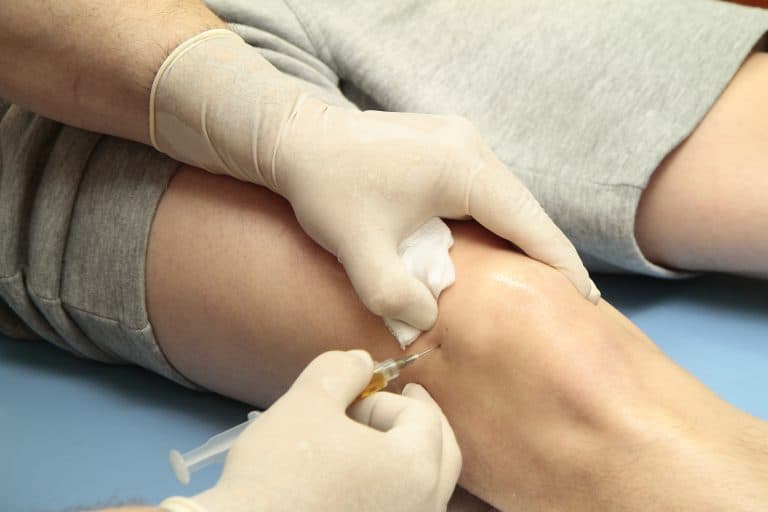



Why Knee Health Is Important
Have you ever felt a sudden, sharp pain or discomfort in your knee while walking or climbing stairs? Knee pain can catch you off guard and make even simple movements challenging. Your knees are complex joints that bear your body’s weight and let you bend, twist, and move around. Inside each knee, the meniscus plays a crucial role—it’s a C-shaped piece of cartilage that acts as a shock absorber between the thigh bone and shin bone, keeping your knee stable. Understanding the early signs of a meniscus tear can help you seek help before the injury becomes worse. In this article, we’ll break down the basics of meniscus tears, the early warning signs, and why keeping your knees healthy matters.
What Is the Meniscus and How Can It Tear?
Think of the meniscus as a rubbery cushion that helps distribute pressure across your knee joint when you walk, run, or jump. It protects your bones and helps your knee move smoothly. Meniscus tears are one of the most common knee injuries . They often happen after a quick twist or turn, like when playing sports and planting your foot before turning. But the meniscus can also tear gradually as it gets weaker with age—much like an old rubber band losing its stretch. When the meniscus is damaged, your knee may feel painful or unstable. Sports injuries, accidents, or years of repeated stress can all lead to a tear. Knowing what causes meniscus tears and how they feel helps you take action early.
How to Spot the Early Signs of a Meniscus Tear
Catching a meniscus tear early can make a huge difference for your recovery. One telltale sign is your knee “locking” or “catching”—it might feel like the joint gets temporarily stuck or unable to move fully. You may also hear clicking or popping noises while moving your knee, which can mean a piece of torn cartilage is interfering with the joint’s movement. Persistent pain—especially when shifting from resting to moving—and swelling are also early warning signs. These symptoms can be subtle at first, so it’s important to notice any changes in how your knee feels or works. Sometimes, imaging tests like MRIs can show special patterns that help doctors diagnose the injury, such as the “double ACL sign,” which points to certain types of complex meniscus tears. Meniscus injuries can also occur alongside other knee injuries , like tears of the anterior cruciate ligament (ACL), so it’s important to seek an evaluation if you notice anything unusual. Learning the difference between ordinary soreness and symptoms of a tear can help you get proper care before things get worse.
Free non-medical discussion
Not sure what to do next?
Information only · No medical advice or diagnosis.
How Are Meniscus Tears Diagnosed?
If you’re experiencing symptoms of a meniscus tear , it’s smart to visit a healthcare professional. Diagnosis usually starts with a physical exam—your doctor will check your knee’s movement, tenderness, and stability. To get a closer look, doctors often use an MRI scan , which produces detailed images of the knee’s soft tissue. In some cases, doctors use arthroscopy—a minimally invasive procedure where a tiny camera is inserted into your knee to see the meniscus directly. These tests together help identify the location and size of the tear so your doctor can recommend the best treatment plan. Occasionally, during arthroscopy, the surgeon may spot specific clues like the “meniscal flounce,” a wavy fold that suggests a healthy meniscus, helping to rule out serious injury.

Treatment Options: What to Expect
Treatment for a meniscus tear depends on how severe the injury is, where it's located, and your overall knee health . For minor tears, simple steps—such as resting your knee, applying ice, using a compression bandage, and keeping the knee elevated (the RICE method)—can reduce pain and swelling. Physical therapy is often recommended to strengthen surrounding muscles and restore movement. Over-the-counter medications can help relieve pain and decrease inflammation. If the tear is severe or causes ongoing problems, your doctor might advise surgery to repair or remove the damaged part. Whenever possible, surgeons try to save and repair the meniscus to maintain knee stability and prevent long-term complications like arthritis. Research shows that the sooner you diagnose and treat a meniscus tear , the better your chances of making a full recovery and avoiding chronic knee issues.
Taking Care of Your Knees
In short, being alert to the early signs of a meniscus tear—like locking, clicking or popping, persistent pain, or swelling—can help protect your knees and prevent a minor injury from turning into a major setback. Trust how your body feels and don’t ignore ongoing discomfort. Seeing a healthcare provider early can make a world of difference for your recovery. Your knees work hard to keep you moving each day, so giving them the attention they deserve will help keep you active, comfortable, and pain-free. If you or someone you know has symptoms of a meniscus tear , don’t hesitate to seek advice—and pass this information along to help others stay knee health y too.
References
Gupta, Y., Mahara, D. P., & Lamichhane, A. (2015). Validity of flounce sign to rule out medial meniscus tear in knee arthroscopy. BMC Musculoskeletal Disorders, 16(1). https://doi.org/10.1186/s12891-015-0800-2
Takayama, K., Matsushita, T., Matsumoto, T., Kubo, S., Kurosaka, M., & Kuroda, R. (2011). The double ACL sign: an unusual bucket‐handle tear of medial meniscus. Knee Surgery, Sports Traumatology, Arthroscopy, 19(8), 1343-1346. https://doi.org/10.1007/s00167-011-1441-0
Tapasvi, S. (2021). Lateral meniscus tears in ACL injured knee. The Hip and Knee Journal, 2(1), 5-21. https://doi.org/10.46355/hipknee.v2i1.71
Legal & Medical Disclaimer
This article is written by an independent contributor and reflects their own views and experience, not necessarily those of London Cartilage Clinic. It is provided for general information and education only and does not constitute medical advice, diagnosis, or treatment.
Always seek personalised advice from a qualified healthcare professional before making decisions about your health. London Cartilage Clinic accepts no responsibility for errors, omissions, third-party content, or any loss, damage, or injury arising from reliance on this material.
If you believe this article contains inaccurate or infringing content, please contact us at [email protected].
London Cartilage Clinic
Modern treatments, designed for lasting knee outcomes
Every treatment plan is selected to help you return to the quality of life you deserve. Our team combines up-to-date techniques with consultant-led decision making across cartilage repair, regeneration and replacement.
What your journey can look like
Step 01
Consultant-Led Assessment
Symptoms, imaging and goals reviewed in one structured appointment.
Step 02
Personalised Treatment Plan
A clear route chosen from repair, regeneration or replacement options.
Step 03
Precision Delivery
Modern techniques and specialist equipment matched to your diagnosis.
Step 04
Long-Term Knee Health
Follow-up guidance focused on durable function and quality of life.
Will the Arthrosamid work for me
PAAG-8+ Questionnaire
A bright, structured entry point for patients exploring Arthrosamid. The questionnaire helps frame suitability, expectations, and 24-month clinical benefit discussion before a fuller consultant-led review.
Designed for shared decision-making. It does not replace specialist consultation, examination, imaging review, or formal medical advice.