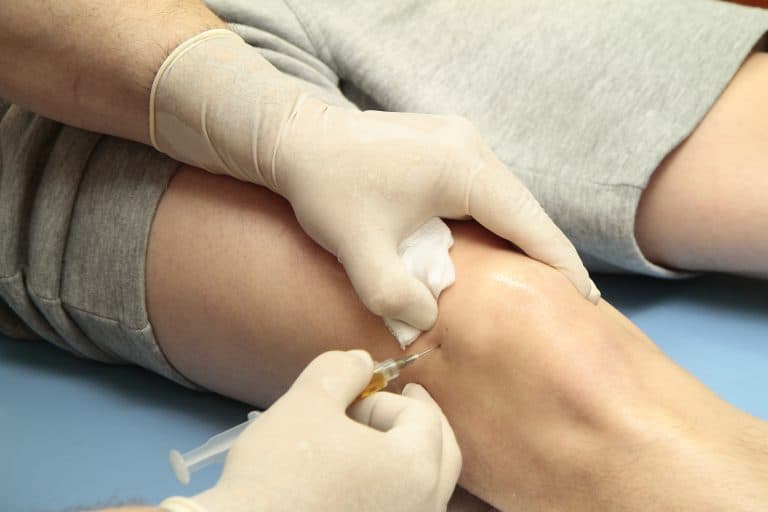



Decoding ChondroFiller’s Mechanism: How a Cell-Free Collagen Matrix Stimulates New Type II Cartilage Growth
Introduction
Cartilage injuries are notoriously difficult to treat, causing ongoing pain and limited movement for patients. Articular cartilage —the smooth layer at the ends of bones in our joints—has little capacity for self-repair. Because it lacks its own blood supply, cartilage heals slowly, if at all. This often leads to chronic joint pain and stiffness.
ChondroFiller is an innovative treatment designed to address this problem in a novel way. Instead of transplanting cells or using laboratory-grown tissue, ChondroFiller uses a cell-free collagen matrix—a natural scaffold—that encourages your body’s own cells to move in and repair the damaged cartilage. Clinical studies have shown ChondroFiller to be a safe and practical method for treating cartilage defects (Schneider, 2016). Research also highlights its mechanical properties, which allow it to closely mimic the behavior of natural cartilage (Weizel et al., 2020). Recently, ChondroFiller has also been successfully used in hand joints, where it forms a protective layer and stimulates the growth of new chondrocytes for cartilage regeneration (Corain et al., 2023). In this article, we’ll explore how ChondroFiller works and why it shows promise in encouraging the growth of healthy new cartilage , particularly the vital Type II cartilage needed for proper joint function.
How ChondroFiller Works: The Mechanism of Action
At its core, ChondroFiller serves as a supportive framework applied directly to damaged cartilage areas. Because it is cell-free, the matrix is not adding foreign cells to your body—instead, it acts as an inviting environment for your own cartilage cells , known as chondrocytes, and other repair cells to migrate into.
Once these cells move into the matrix, they respond to growth signals naturally present in the joint. These signals prompt the cells to multiply and develop, forming new cartilage tissue . Importantly, the new tissue is rich in Type II collagen —the protein responsible for the strength and flexibility of healthy cartilage .
Clinical evidence supports this process: studies report successful filling of cartilage defects and MRIs demonstrate that over time, the newly formed cartilage matures and closely resembles natural tissue (Schneider, 2016). Studies of ChondroFiller’s material properties further reveal its strong viscous effects and bi-phasic structure, features that help it replicate the mechanical function of real cartilage (Weizel et al., 2020). Recent clinical observations in patients treated with ChondroFiller revealed joint profile improvements, such as reduced bone edema and joint swelling (Corain et al., 2023). By acting as a natural scaffold, ChondroFiller harnesses the body’s own healing abilities—eliminating the need for complicated cell harvesting or laboratory steps.
Free non-medical discussion
Not sure what to do next?
Information only · No medical advice or diagnosis.
Clinical Benefits and How It Compares to Other Treatments
Many patients treated with ChondroFiller experience improved joint movement and less pain. These subjective improvements are backed up by clinical scores like the International Knee Documentation Committee (IKDC) measure, which showed significant gains in knee function for patients up to a year after treatment (Schneider, 2016). Imaging results also support the regeneration of cartilage in treated areas.
Compared to traditional options such as microfracture surgery—which stimulates repair by creating small holes in the bone—or autologous chondrocyte implantation , where a patient’s cells are harvested and grown in a lab, ChondroFiller offers several key benefits. There’s no need for extra surgery to collect donor cells, minimizing risks like pain or infection from the donor site. The procedure is typically quicker and less invasive.
Recent studies on hand joints reinforced these benefits, reporting pain reduction and improved hand strength and grip after ChondroFiller treatment (Corain et al., 2023). While these results are promising, longer-term research is still needed to confirm how durable the cartilage repair is over many years. As with any new treatment, ongoing studies with more patients and longer follow-up times will be essential for a full understanding of the benefits (Schneider, 2016). Even so, ChondroFiller signals a promising advance in cartilage repair techniques—combining real-life results with insights gained from ongoing material science research (Weizel et al., 2020).

Conclusion
In summary, ChondroFiller offers a smart, cell-free approach to treating damaged cartilage by supporting the body’s own cells as they rebuild tissue. By providing a natural scaffold for new Type II cartilage to grow, ChondroFiller streamlines the repair process without the complexity of cell-based treatments. While research is ongoing, this innovative technology holds great potential for improving joint repair—and may point the way toward even better solutions in the future.
References
Schneider, U. (2016). Controlled, randomized multicenter study to compare compatibility and safety of ChondroFiller liquid (cell free 2-component collagen gel) with microfracturing of patients with focal cartilage defects of the knee joint. Vascular and Nonvascular Pathology. https://doi.org/10.5348/VNP05-2016-1-OA-1
Weizel, A., Distler, T., Schneidereit, D., & Friedrich, O. (2020). Complex mechanical behavior of human articular cartilage and hydrogels for cartilage repair. Acta Biomaterialia. https://doi.org/10.1016/j.actbio.2020.10.025
Corain, M., Zanotti, F., Giardini, M., Gasperotti, L., Invernizzi, E., Biasi, V., & Lavagnolo, U. (2023). The Use of an Acellular Collagen Matrix ChondroFiller® Liquid for Trapeziometacarpal Osteoarthritis. https://doi.org/10.1177/19476035251354926
Frequently Asked Questions
- ChondroFiller stands out because it uses a natural, cell-free collagen matrix, avoiding the need for complex cell harvesting or donor surgery. This makes treatment typically less invasive and more straightforward. At London Cartilage Clinic, Prof Lee applies this advanced technique, offering patients access to the latest cartilage repair innovations.
- ChondroFiller provides a supportive scaffold placed directly on the damaged area, encouraging your body’s own cells to repopulate and regenerate cartilage tissue. Under Prof Lee’s supervision at London Cartilage Clinic, this approach aims to restore joint function by facilitating the growth of healthy, strong cartilage—often resulting in pain relief and improved movement.
- Prof Lee’s extensive experience in cartilage repair and commitment to innovative, evidence-based care make him a leading choice in this field. At London Cartilage Clinic, patients benefit from access to the latest treatments, personalised care plans, and high standards of safety and professionalism for optimal joint health outcomes.
- Studies highlight ChondroFiller’s success in filling cartilage defects and producing tissue that mimics natural cartilage properties. Improvements in pain, movement, and clinical scores are reported in international research. London Cartilage Clinic, guided by Prof Lee’s expertise, provides access to cutting-edge, evidence-backed cartilage treatments like ChondroFiller.
- Each patient’s condition is individual, so a thorough assessment is always needed. At London Cartilage Clinic, Prof Lee conducts comprehensive evaluations to determine the best treatment option for your needs, ensuring you receive advanced care tailored to your unique situation and joint health goals.
Legal & Medical Disclaimer
This article is written by an independent contributor and reflects their own views and experience, not necessarily those of London Cartilage Clinic. It is provided for general information and education only and does not constitute medical advice, diagnosis, or treatment.
Always seek personalised advice from a qualified healthcare professional before making decisions about your health. London Cartilage Clinic accepts no responsibility for errors, omissions, third-party content, or any loss, damage, or injury arising from reliance on this material.
If you believe this article contains inaccurate or infringing content, please contact us at [email protected].
London Cartilage Clinic
Modern treatments, designed for lasting knee outcomes
Every treatment plan is selected to help you return to the quality of life you deserve. Our team combines up-to-date techniques with consultant-led decision making across cartilage repair, regeneration and replacement.
What your journey can look like
Step 01
Consultant-Led Assessment
Symptoms, imaging and goals reviewed in one structured appointment.
Step 02
Personalised Treatment Plan
A clear route chosen from repair, regeneration or replacement options.
Step 03
Precision Delivery
Modern techniques and specialist equipment matched to your diagnosis.
Step 04
Long-Term Knee Health
Follow-up guidance focused on durable function and quality of life.
Will the Arthrosamid work for me
PAAG-8+ Questionnaire
A bright, structured entry point for patients exploring Arthrosamid. The questionnaire helps frame suitability, expectations, and 24-month clinical benefit discussion before a fuller consultant-led review.
Designed for shared decision-making. It does not replace specialist consultation, examination, imaging review, or formal medical advice.