
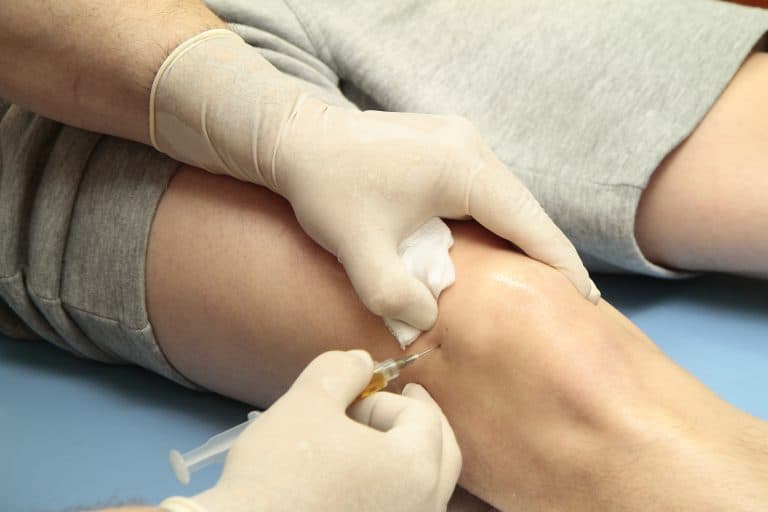



Introduction
The ChondroFiller procedure is a modern, minimally invasive method designed to repair joint cartilage defects effectively. Cartilage injuries, often caused by injury, wear, or degenerative conditions, are a frequent issue in orthopaedics. Traditional treatments can be quite invasive and require lengthy recoveries. However, new techniques like ChondroFiller are changing this landscape by offering safer and simpler solutions that help protect joint health.
Professor Paul Lee, a leading expert in orthopaedics and rehabilitation, performs these procedures at the London Cartilage Clinic, a centre known for its professional and patient-focused care.
Understanding Cartilage and Candidate Selection
Cartilage is vital for smooth joint movement, acting as a cushion between bones. Damage to cartilage can result from injury, repetitive strain, or diseases like osteoarthritis, often causing pain and reduced mobility.
Choosing the right patients for ChondroFiller is crucial. Generally, those with small to medium-sized cartilage defects (graded I to IV on the ICRS scale), without substantial bone loss, are suited for this procedure. It’s worth noting that patients with advanced osteoarthritis tend to have poorer outcomes.
Before surgery, detailed imaging with MRI or arthroscopy helps define the size and severity of the damage, guiding the surgical plan.
Step-by-Step Surgical Approach
Surgery usually starts with an arthroscopic inspection, a keyhole technique that allows surgeons to assess the joint with minimal disruption. In some cases, a slightly larger but still minimally invasive opening may be necessary.
The surgeon carefully removes damaged cartilage while preserving the healthy edges and underlying bone, creating the best possible foundation for repair.
Next, the ChondroFiller implant—a gel-like collagen scaffold—is prepared and applied directly into the cartilage defect under dry conditions using specialised cannulas. This scaffold fills the lesion, forming a supportive 3D matrix that encourages your own cells to migrate, multiply, and regenerate cartilage. Importantly, the implant sticks firmly to the site without additional fixation.
It’s essential to apply the implant precisely and flush with the cartilage surface, as overfilling can lead to fibrous tissue formation, which is less desirable.
Visual aids accompanying the procedure can greatly help patients understand each step from inspection to implant placement.
Free non-medical discussion
Not sure what to do next?
Information only · No medical advice or diagnosis.
Immediate Post-Operative Care and Recovery
Following surgery, pain management and joint protection are key. Bracing or splints are often used, alongside restrictions on weightbearing based on the joint treated and the defect size, to allow healing.
Physiotherapy starts early but is carefully controlled to avoid over-stressing the healing tissue. Patients typically begin strengthening exercises between four and eight weeks post-op and may return to normal activities within a few months. Full recovery and return to high-impact sport, if applicable, often take six to twelve months or longer as the new cartilage matures.
Throughout recovery, the expert team at London Cartilage Clinic, led by Professor Lee, provides tailored guidance to help achieve the best outcomes.

Common Questions About the ChondroFiller Experience
Many patients ask about the risks and what to expect. Research shows that ChondroFiller is a safe and technically feasible option, with a low complication rate when applied correctly.
The keyhole arthroscopic method leads to quicker recovery times, although a minimally open technique may sometimes be necessary. Recovery varies, but gradual improvement over months is typical. Full cartilage regeneration can take a year or more.
Clinical studies back up these results, demonstrating improved cartilage quality and joint function after treatment. For example, patients treated with ChondroFiller showed significantly better cartilage quality compared to those without the implant. Long-term follow-ups of patients treated in large joints like the hip have reported good to excellent outcomes in most cases.
That said, individual results can vary, and no procedure can guarantee outcomes.
Conclusion and Responsible Advice
Understanding the ChondroFiller procedure—from who it’s for to how it’s done and the recovery involved—is vital for anyone considering this treatment. With the experienced care of Professor Paul Lee and the team at London Cartilage Clinic, patients can expect attentive professional support throughout their journey.
As always, for personalised medical advice, please consult a qualified healthcare professional.
References
- Demmer, W., Zörnpfenning, A., Brugetti, K., Mert, S., Haas-Lützenberger, E., Giunta, R., & Mesas Aranda, I. (2025). Cartilage reconstruction using Chondrofiller in intra-articular distal radius fractures. Journal Title. Advance online publication. https://doi.org/10.1186/s42836-025-00333-y
- Mazek, J., Gnatowski, M., Salas, A., O'Donnell, J., Domzalski, M., & Radzimowski, J. (2021). Arthroscopic utilization of ChondroFiller gel for the treatment of hip articular cartilage defects: a cohort study with 12- to 60-month follow-up. Journal of Hip Preservation Surgery, hnab002. https://doi.org/10.1093/jhps/hnab002
Frequently Asked Questions
- The ChondroFiller procedure is minimally invasive and uses a collagen scaffold, reducing surgical disruption and recovery time. At London Cartilage Clinic, Professor Paul Lee ensures procedures are safely tailored, drawing from his extensive expertise in advanced cartilage repair.
- Ideal candidates usually have small to medium cartilage defects without major bone loss. Professor Paul Lee’s careful patient selection, supported by detailed imaging, helps ensure the most suitable candidates receive the procedure, maximising the chances of successful cartilage repair.
- Professor Paul Lee is a renowned cartilage expert, RSA, and holds advisory roles with the Royal College of Surgeons of Edinburgh. His advanced skills and leadership at London Cartilage Clinic provide patients with outstanding, evidence-based cartilage care and compassionate support.
- Recovery usually involves early, supervised physiotherapy and joint protection, supported by Professor Lee’s team. Gradual improvement is expected over months, and comprehensive follow-up ensures patients receive personalised guidance and care throughout their rehabilitation at London Cartilage Clinic.
- London Cartilage Clinic prioritises patient safety through advanced techniques, expert post-surgical guidance, and close follow-up. Under Professor Paul Lee’s supervision, patients receive clear information, responsible support, and access to evidence-based practices throughout their treatment journey.
Legal & Medical Disclaimer
This article is written by an independent contributor and reflects their own views and experience, not necessarily those of London Cartilage Clinic. It is provided for general information and education only and does not constitute medical advice, diagnosis, or treatment.
Always seek personalised advice from a qualified healthcare professional before making decisions about your health. London Cartilage Clinic accepts no responsibility for errors, omissions, third-party content, or any loss, damage, or injury arising from reliance on this material.
If you believe this article contains inaccurate or infringing content, please contact us at [email protected].
London Cartilage Clinic
Modern treatments, designed for lasting knee outcomes
Every treatment plan is selected to help you return to the quality of life you deserve. Our team combines up-to-date techniques with consultant-led decision making across cartilage repair, regeneration and replacement.
What your journey can look like
Step 01
Consultant-Led Assessment
Symptoms, imaging and goals reviewed in one structured appointment.
Step 02
Personalised Treatment Plan
A clear route chosen from repair, regeneration or replacement options.
Step 03
Precision Delivery
Modern techniques and specialist equipment matched to your diagnosis.
Step 04
Long-Term Knee Health
Follow-up guidance focused on durable function and quality of life.
Will the Arthrosamid work for me
PAAG-8+ Questionnaire
A bright, structured entry point for patients exploring Arthrosamid. The questionnaire helps frame suitability, expectations, and 24-month clinical benefit discussion before a fuller consultant-led review.
Designed for shared decision-making. It does not replace specialist consultation, examination, imaging review, or formal medical advice.