


ChondroFiller: A Groundbreaking Approach to Relieving Joint Pain and Repairing Cartilage Damage
Joint pain from damaged cartilage can seriously disrupt your daily life, affecting everything from movement to your overall sense of well-being. Most conventional treatments simply mask the pain or offer only short-term relief, leaving the root problem—damaged cartilage—untouched. Enter ChondroFiller : an innovative therapy designed not only to relieve joint pain quickly but also to actually help your body regenerate its own cartilage. At the London Cartilage Clinic , Professor Paul Lee, a specialist in orthopaedics and rehabilitation, leads patients through a supportive and expert-guided treatment experience. In this article, we’ll look at how ChondroFiller works, share insights from clinical practice, and highlight real-world patient outcomes.
Understanding Cartilage: Why Repair Is So Challenging
Articular cartilage is a smooth, rubbery tissue covering the ends of bones in our joints. It acts as a shock absorber and allows for frictionless movement. However, cartilage is unique because it has no blood vessels or nerves. Its structure—chondrocytes (specialised cells) embedded in a firm, collagen-rich matrix—makes it fantastic at what it does, but gives it very little ability to heal after injury.
When cartilage is damaged, it sets off a chain reaction—cells begin to die, inflammation increases, and the supporting matrix breaks down, causing persistent pain and stiffness. Self-repair is minimal, which is why scientists have turned to finding ways to actively help cartilage heal . Promising approaches include three-dimensional scaffolds that support new tissue growth and natural growth factors to stimulate regeneration . These strategies aim to restore healthy cartilage instead of simply masking the discomfort.
ChondroFiller in Action: Promoting Real Repair
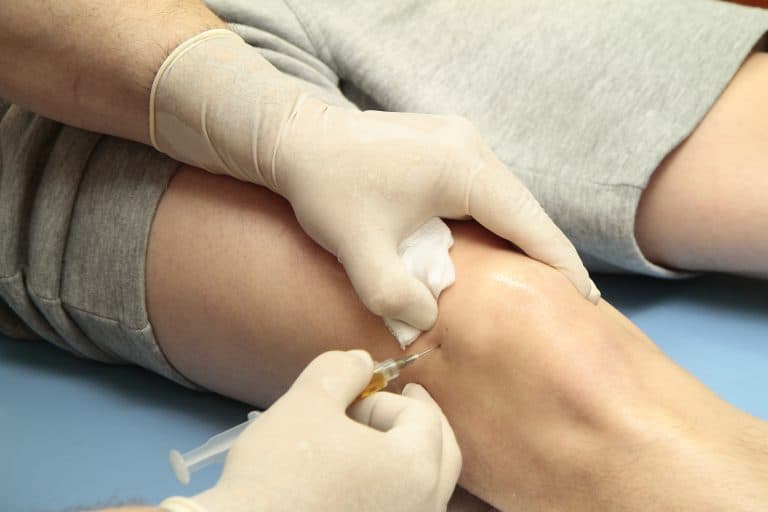
ChondroFiller is a bioengineered gel made from purified collagen, designed to be both safe and highly effective for medical use. During treatment, the ChondroFiller gel is gently injected into areas of cartilage damage using a minimally invasive procedure called arthroscopy. Inside the joint, the gel solidifies, filling in the damaged area and creating a scaffold for new tissue growth.
What makes ChondroFiller unique is its ability to actively encourage your body’s own stem cells—cells capable of becoming new cartilage—to migrate to the site, multiply, and rebuild the tissue. In addition, ingredients like hyaluronic acid help lubricate the joint and reduce inflammation, easing pain and supporting smoother movement.
Unlike treatments that simply block pain, ChondroFiller addresses the joint’s underlying problem—helping to rebuild cartilage and improve joint health from within. Clinical studies and laboratory research have shown strong evidence that the bioactive scaffold supports lasting tissue regrowth and meaningful pain relief.
Free non-medical discussion
Not sure what to do next?
Information only · No medical advice or diagnosis.
Personalized Care at the London Cartilage Clinic
Every step of the ChondroFiller journey at the London Cartilage Clinic is tailored to the patient. It starts with a detailed evaluation—listening to your story, conducting exams, and using advanced imaging, like MRI or ultrasound, to pinpoint the exact area of cartilage damage.
The actual ChondroFiller procedure begins with preparing the damaged cartilage during arthroscopy, then carefully injecting the collagen gel to fill the defect. Afterward, your recovery is closely supervised and supported by a custom rehabilitation plan , which includes physical therapy to restore strength and flexibility.
Professor Paul Lee’s team uses years of orthopaedic and rehabilitation expertise to ensure the safest and most effective experience possible—helping you regain mobility, confidence, and overall joint health .

Real Results: Relief from Pain and Signs of Tissue Regeneration
ChondroFiller has shown encouraging results in both clinical research and real-life practice. Many patients notice significant reductions in joint pain , easier movement, and a return to everyday activities. Follow-up imaging often reveals that cartilage thickness increases after treatment—a sign that real regeneration is taking place.
Research into related procedures—for example, use of liquid collagen scaffolds in hip cartilage repair —shows that ChondroFiller is a practical and effective approach for hard-to-treat areas. One patient with knee cartilage damage, for example, reported a 70% drop in pain just three months after treatment. Follow-up MRI scans also revealed a noticeable increase in cartilage volume where ChondroFiller had been applied. While individual results depend on factors like the size and location of the cartilage defect , these findings suggest a real potential for both pain relief and actual tissue repair.
Importantly, ChondroFiller has a strong safety record and patient satisfaction has been high. Ongoing studies continue to monitor long-term benefits, but early results are very promising.
ChondroFiller as Part of a Holistic Recovery Plan
For the best possible results, ChondroFiller works hand-in-hand with other aspects of care. A guided physiotherapy plan helps build strength and support around your joint; lifestyle adjustments, like weight management and a nutrient-rich diet, further protect and enhance joint recovery.
Treatment is tailored to each patient—decisions on timing and the number of ChondroFiller injections are made in the context of your overall health and the state of your joints . Regular monitoring ensures that your care strategy stays aligned with your needs and supports lasting improvements.
In summary, ChondroFiller offers a powerful two-in-one solution: fast pain relief and active repair of damaged cartilage. Under the expert guidance of Professor Paul Lee and the team at the London Cartilage Clinic, patients receive truly individualized, comprehensive care aimed at restoring joint function and quality of life. If you’re considering ChondroFiller or want to know more, speak with a qualified healthcare professional for advice that fits your situation.
For individual medical advice, always consult a qualified healthcare provider.
References
- De Lucas Villarrubi, J. C., Méndez Alonso, M. Á., Sanz Pérez, M. I., Trell Lesmes, F., & Panadero Tapia, A. (2021). Acellular Matrix-Induced Chondrogenesis Technique Improves the Results of Chondral Lesions Associated With Femoroacetabular Impingement. Arthroscopy. https://doi.org/10.1016/j.arthro.2021.08.022
- Perez-Carro, L., Mendoza Alejo, P. R., Gutierrez Castanedo, G., Menendez Solana, G., Fernandez Divar, J. A., Galindo Rubin, P., & Alfonso Fernandez, A. (2021). Hip Chondral Defects: Arthroscopic Treatment With the Needle and Curette Technique and ChondroFiller. Arthroscopy Techniques. https://doi.org/10.1016/j.eats.2021.03.011
- Schneider, U. (2016). Controlled, randomized multicenter study to compare compatibility and safety of ChondroFiller liquid (cell free 2-component collagen gel) with microfracturing of patients with focal cartilage defects of the knee joint.
Frequently Asked Questions
- London Cartilage Clinic, led by Professor Paul Lee, offers cutting-edge treatments like ChondroFiller. These not only relieve pain but encourage your body’s own cartilage regeneration, using advanced methods and expert-led, individualised care for every patient’s unique needs.
- ChondroFiller is a unique collagen gel, injected through a minimally invasive procedure. It creates a scaffold for new tissue growth, promotes stem cell activity, and addresses inflammation—supporting real joint repair rather than just masking discomfort.
- Professor Lee is an experienced orthopaedic specialist, known for his expertise in cartilage regeneration. His personalised approach, use of advanced imaging, and dedicated rehabilitation planning ensure patients are guided through a safe, effective recovery.
- Patients often report significant reductions in joint pain, improved movement, and enhanced everyday function. Imaging scans frequently demonstrate increased cartilage thickness, signalling tissue regeneration—giving real hope for meaningful improvement at London Cartilage Clinic.
- Every treatment begins with a thorough assessment and advanced scans. The therapy plan, number of injections, and rehabilitation are all customised, ensuring that each patient’s unique health needs are expertly addressed throughout their recovery.
Legal & Medical Disclaimer
This article is written by an independent contributor and reflects their own views and experience, not necessarily those of London Cartilage Clinic. It is provided for general information and education only and does not constitute medical advice, diagnosis, or treatment.
Always seek personalised advice from a qualified healthcare professional before making decisions about your health. London Cartilage Clinic accepts no responsibility for errors, omissions, third-party content, or any loss, damage, or injury arising from reliance on this material.
If you believe this article contains inaccurate or infringing content, please contact us at [email protected].
London Cartilage Clinic
Modern treatments, designed for lasting knee outcomes
Every treatment plan is selected to help you return to the quality of life you deserve. Our team combines up-to-date techniques with consultant-led decision making across cartilage repair, regeneration and replacement.
What your journey can look like
Step 01
Consultant-Led Assessment
Symptoms, imaging and goals reviewed in one structured appointment.
Step 02
Personalised Treatment Plan
A clear route chosen from repair, regeneration or replacement options.
Step 03
Precision Delivery
Modern techniques and specialist equipment matched to your diagnosis.
Step 04
Long-Term Knee Health
Follow-up guidance focused on durable function and quality of life.
Will the Arthrosamid work for me
PAAG-8+ Questionnaire
A bright, structured entry point for patients exploring Arthrosamid. The questionnaire helps frame suitability, expectations, and 24-month clinical benefit discussion before a fuller consultant-led review.
Designed for shared decision-making. It does not replace specialist consultation, examination, imaging review, or formal medical advice.