


Cartilage surgery is essential for anyone experiencing joint issues, whether due to sports injuries, accidents, or chronic conditions. Understanding the intricacies of this procedure can help you make informed decisions about your body and . This guide explores the goals of cartilage surgery, the techniques used, and how proper rehabilitation can be effective at achieving a pain-free range of motion.
What is Cartilage Surgery?
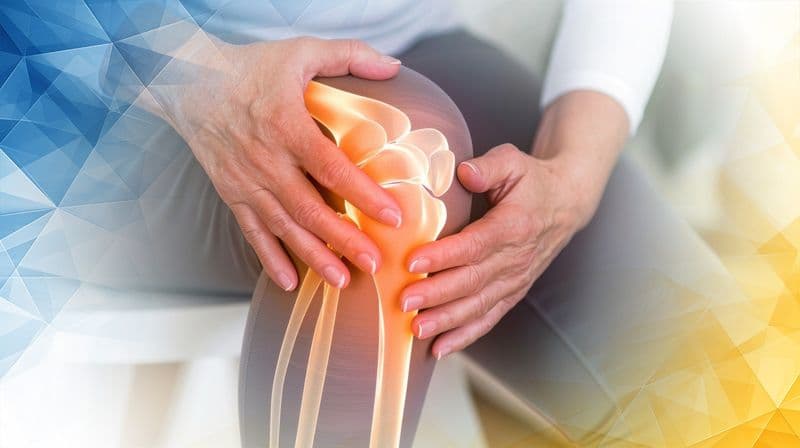
Cartilage surgery primarily aims to repair and regenerate damaged cartilage within your joints. Cartilage, the rubber-like padding between your bones, plays a crucial role in ensuring smooth joint movement. When damaged, either through acute injury or chronic wear and tear, it can lead to pain and decreased mobility. Surgery seeks to restore this vital tissue, thereby enhancing joint function and preventing further damage. There are a few different approaches when it comes to cartilage surgery, with the most prominent being cartilage repair, cartilage replacement, and cartilage regeneration. Although each surgery has the same overall goal, they will utilise different techniques and equipment.
Goals of Cartilage Surgery
The primary goal of cartilage surgery is to alleviate pain while restoring normal joint function. Procedures such as microfracture, osteochondral grafts, or autologous chondrocyte implantation (ACI) are tailored to address specific damage and are chosen based on the injury's nature—whether acute or chronic. These techniques aim to encourage the body’s natural healing processes, enhancing tissue regeneration and preventing the deterioration of the underlying bone. The importance of time in Cartilage Recovery Time plays a critical role in the recovery process following cartilage surgery. Read 'Recovering from ACL reconstruction' for more information on post-operative recovery techniques. Healing and rehabilitation are usually phased in the following way:
- Immediate Post-Op: Focuses on managing pain and inflammation.
- Early Rehabilitation: Involves gentle movement to encourage flexibility without overstressing the new cartilage.
- Advanced Rehabilitation: Gradually introduces strength exercises to support the joint and the new cartilage.
- Full Recovery: Aims to restore the joint's full function and the patient’s return to daily activities without pain.
Conclusion
Cartilage surgery is a sophisticated field that blends advanced surgical techniques with a deep understanding of joint mechanics and cellular biology. By selecting appropriate surgical methods and following a structured rehabilitation program, patients can look forward to improved joint function and a significant reduction in discomfort. This comprehensive approach ensures that each patient receives personalised care tailored to their specific needs, leading to optimal outcomes.
Looking for private cartilage surgery?
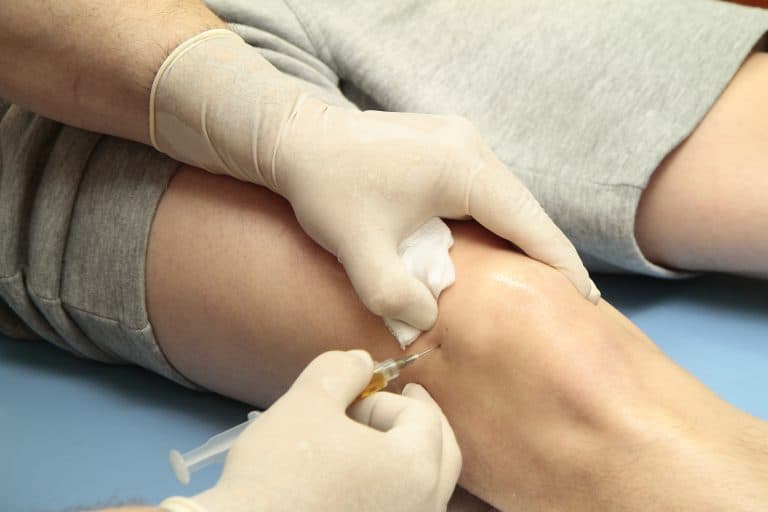
The team at London Cartilage Clinic has extensive training and experience in may kinds of cartilage surgery. This include cartilage reapir, replacement, and regeneration solutions. Our patients have access to all of these options, as well as specific cartilage injections to help achieve the best outcomes. Contact us if you have any questions about our cartilage services.
Frequently Asked Questions
- In cartilage repair, it’s vital to consider the biomechanics of the knee joint. Ensuring the correct alignment and load distribution within the joint can significantly impact the success of the surgery.
- Biochemical processes are integral to healing. Post-surgery, chemical mediators help control inflammation and facilitate the integration of new cartilage cells with the existing matrix. Optimizing the chemical environment within the joint is essential for effective cartilage regeneration.
- Biologically, cartilage surgery stimulates the body to produce new cartilage cells. Techniques like ACI involve harvesting the patient's own cells, growing them in a lab, and re-implanting them into the joint, fostering natural tissue regeneration.
Legal & Medical Disclaimer
This article is written by an independent contributor and reflects their own views and experience, not necessarily those of London Cartilage Clinic. It is provided for general information and education only and does not constitute medical advice, diagnosis, or treatment.
Always seek personalised advice from a qualified healthcare professional before making decisions about your health. London Cartilage Clinic accepts no responsibility for errors, omissions, third-party content, or any loss, damage, or injury arising from reliance on this material.
If you believe this article contains inaccurate or infringing content, please contact us at [email protected].
London Cartilage Clinic
Modern treatments, designed for lasting knee outcomes
Every treatment plan is selected to help you return to the quality of life you deserve. Our team combines up-to-date techniques with consultant-led decision making across cartilage repair, regeneration and replacement.
What your journey can look like
Step 01
Consultant-Led Assessment
Symptoms, imaging and goals reviewed in one structured appointment.
Step 02
Personalised Treatment Plan
A clear route chosen from repair, regeneration or replacement options.
Step 03
Precision Delivery
Modern techniques and specialist equipment matched to your diagnosis.
Step 04
Long-Term Knee Health
Follow-up guidance focused on durable function and quality of life.
Will the Arthrosamid work for me
PAAG-8+ Questionnaire
A bright, structured entry point for patients exploring Arthrosamid. The questionnaire helps frame suitability, expectations, and 24-month clinical benefit discussion before a fuller consultant-led review.
Designed for shared decision-making. It does not replace specialist consultation, examination, imaging review, or formal medical advice.