

Can a Complete ACL Tear Heal Without Surgery? Exploring Regenerative Medicine and Non-Surgical Rehabilitation
Introduction
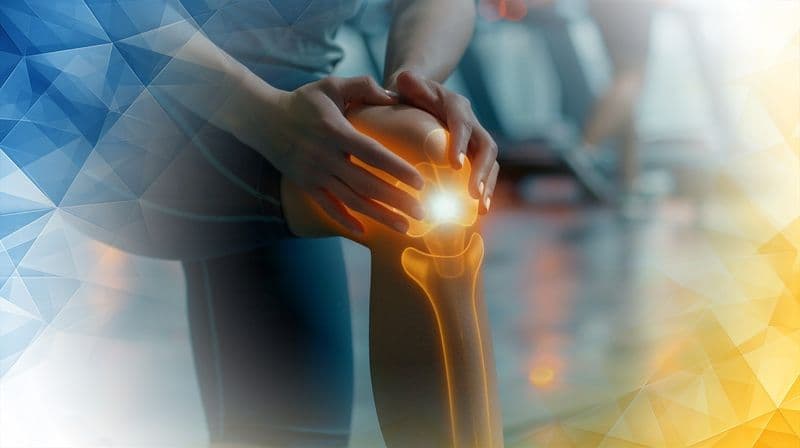
A complete tear of the anterior cruciate ligament (ACL) is a serious knee injury that can halt both athletic pursuits and everyday activities. Traditionally, surgery has been seen as the gold standard for restoring knee stability and function. Yet, thanks to recent advances in regenerative medicine and physiotherapy, new possibilities are emerging. These developments suggest that, in certain cases, complete ACL tears might heal without surgery. Let’s dive into these promising options and what they could mean for those hoping to avoid an operation.
Regenerative Medicine: A New Approach to Healing
Regenerative medicine aims to harness the body’s own healing powers by encouraging natural repair processes. One exciting therapy uses polydeoxyribonucleotide ( PDRN ), a molecule derived from DNA fragments, which has been shown to promote tissue repair and decrease inflammation—two critical factors in healing ligaments like the ACL.
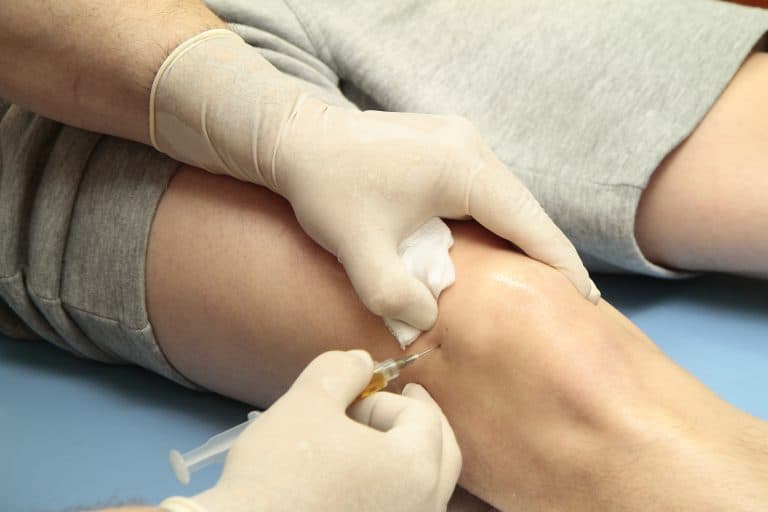
Instead of surgically reconstructing the torn ligament , regenerative treatments activate the body’s self-repair mechanisms. Some clinical reports have even documented significant ACL recovery after PDRN injections, suggesting that, for some patients, the ligament can heal itself given the right support.
Interestingly, research shows that certain ACL tears , especially when paired with injuries to other knee ligaments, can sometimes heal spontaneously. For example, a 2020 study reported that some patients with combined ACL and MCL tears experienced natural healing and were able to return to their previous physical activities. Other research highlights the difference in complication risk between partial and complete ACL injuries, with more severe tears more often associated with meniscal damage.
How Non-Surgical Rehabilitation Supports Healing
Regenerative treatments are usually paired with structured rehabilitation programs, as healing a major ligament injury requires a comprehensive approach. These non-surgical rehabilitation plans typically start with gentle exercises aimed at restoring movement , followed by strengthening routines for the muscles around the knee—especially the quadriceps and hamstrings.
This progressive rehab strategy helps rebuild stability, allowing the ligament to heal while sidestepping surgical risks like infection or lengthy downtime. Recent studies indicate that, for the right candidate and with a dedicated rehab process, even complete ACL tears can recover well enough to restore function and support returning to daily activities.
Additionally, research underscores the importance of addressing related knee issues, such as meniscal tears. Treating these injuries alongside the ACL tear can further stabilize the knee and improve overall outcomes in non-surgical management.
Free non-medical discussion
Not sure what to do next?
Information only · No medical advice or diagnosis.
What Does the Research Say?
The body of research and case studies supporting non-surgical ACL healing is growing. Patients who received PDRN injections and physiotherapy often reported reduced pain, greater mobility, and better knee function within several months. In some cases, individuals showed near-complete healing and returned to normal activities without ever undergoing surgery.
These success stories don’t apply to every case—severe or unstable injuries may still require surgical intervention—but they highlight the potential of non-surgical treatments, especially when guided by skilled rehabilitation specialists. Ongoing research continues to explore which patients are most likely to benefit from this approach.
Notably, spontaneous healing is more likely when the ligament tears close to its attachment on the bone, and certain injury mechanisms, such as those involving combined ligament tears, may create an environment more favorable for natural ACL healing .

How Does Non-Surgical ACL Rehab Work?
A typical non-surgical program starts with regenerative treatments (such as PDRN injections) to stimulate healing. This is closely followed by a carefully managed rehab plan. Early exercises help restore knee motion, while later stages focus on building strength, balance, and proprioception—your body’s sense of joint position.
Throughout recovery, it’s essential to protect the knee by avoiding risky activities like pivoting motions or high-impact sports until the ligament is strong enough. This combined approach helps minimize the risk of re-injury and supports the best possible healing of the ACL and surrounding knee structures.
Conclusion
While surgery has long been the mainstay for complete ACL tears, new advances in regenerative medicine and non-surgical rehabilitation are giving patients more options than ever before. For select individuals, these innovative treatments may offer a pathway to recovery that is less invasive, lowers risks, and allows for a speedier return to normal activities.
As research continues, regenerative therapies may become standard for certain ACL injuries—providing welcome hope for anyone looking to heal without surgery.
References
Razi, M., Soufali, A. P., Ziabari, E. Z., Dadgostar, H., Askari, A., & Arasteh, P. (2020). Treatment of Concomitant ACL and MCL Injuries: Spontaneous Healing of Complete ACL and MCL Tears. The Journal of Knee Surgery, 34(12), 1329-1336. https://doi.org/10.1055/s-0040-1708858
Fukumura, K., Taniguchi, Y., Maki, S., Hamasato, Y., Okamura, K., & Yamaura, I. (1996). Treatment of Meniscal Tear with ACL Tear in Sport Players. Orthopedics & Traumatology, 45(3), 813-815. https://doi.org/10.5035/nishiseisai.45.813
Gupta, R., Singhal, A., Sharma, A., Shail, S., & Masih, G. D. (2021). Strong association of meniscus tears with complete Anterior Cruciate Ligament (ACL) injuries relative to partial ACL injuries. Journal of Clinical Orthopaedics and Trauma, 23, 101671. https://doi.org/10.1016/j.jcot.2021.101671
Legal & Medical Disclaimer
This article is written by an independent contributor and reflects their own views and experience, not necessarily those of London Cartilage Clinic. It is provided for general information and education only and does not constitute medical advice, diagnosis, or treatment.
Always seek personalised advice from a qualified healthcare professional before making decisions about your health. London Cartilage Clinic accepts no responsibility for errors, omissions, third-party content, or any loss, damage, or injury arising from reliance on this material.
If you believe this article contains inaccurate or infringing content, please contact us at [email protected].
London Cartilage Clinic
Modern treatments, designed for lasting knee outcomes
Every treatment plan is selected to help you return to the quality of life you deserve. Our team combines up-to-date techniques with consultant-led decision making across cartilage repair, regeneration and replacement.
What your journey can look like
Step 01
Consultant-Led Assessment
Symptoms, imaging and goals reviewed in one structured appointment.
Step 02
Personalised Treatment Plan
A clear route chosen from repair, regeneration or replacement options.
Step 03
Precision Delivery
Modern techniques and specialist equipment matched to your diagnosis.
Step 04
Long-Term Knee Health
Follow-up guidance focused on durable function and quality of life.
Will the Arthrosamid work for me
PAAG-8+ Questionnaire
A bright, structured entry point for patients exploring Arthrosamid. The questionnaire helps frame suitability, expectations, and 24-month clinical benefit discussion before a fuller consultant-led review.
Designed for shared decision-making. It does not replace specialist consultation, examination, imaging review, or formal medical advice.