


Bridging the Gap: How Skull Fracture Research Can Help Heal Knee Cartilage Injuries
Introduction
At first glance, skull fractures and knee cartilage injuries might seem like they have little in common. One affects the hard, protective bone surrounding our brain; the other involves the soft, flexible tissue that cushions our joints. Surprisingly, recent research reveals that these two areas share unexpected similarities. By exploring how the body repairs skull injuries , scientists are uncovering new ways to help knee cartilage heal—approaches that could lead to better treatments and faster recoveries. In this article, we’ll dive into the connections between neurology and orthopaedics, and see how discoveries from one area are inspiring breakthroughs in another.
How Bone and Cartilage Heal: Similarities and Differences
A skull fracture occurs when a strong impact cracks or breaks the bone protecting the brain. The skull is designed to spread out force, reducing the risk of deeper injury . When it does break, the body launches a rapid response: inflammation to clean up damaged tissue, followed by mechanisms to rebuild the bone.
Knee cartilage , meanwhile, acts as a shock absorber so our joints can move smoothly. It doesn't have its own blood supply, which means it heals slowly and often incompletely. Injuries to cartilage—whether from sudden accidents or years of wear—kick off an inflammatory response as well, but the repair process is harder and less efficient. This often leads to joint pain and, eventually, arthritis.
Despite these differences, there are key similarities in how the body tries to fix itself. Both bone and cartilage injuries trigger inflammation and send out cellular signals that start the healing process. Understanding these shared pathways could help us find better ways to support cartilage repair , borrowing ideas from how bones heal after injury.
Free non-medical discussion
Not sure what to do next?
Information only · No medical advice or diagnosis.
What Skull Fracture Research Teaches Us About Cartilage Repair
One of the biggest takeaways from skull fracture research is the importance of inflammation. Inflammation is essential—it clears out damaged cells and sets the stage for healing. But too much inflammation, or inflammation that sticks around for too long, can actually make things worse. Finding the right balance is crucial for both bone and cartilage recovery .
Researchers have also learned that certain molecules and immune cells active during bone healing play similar roles in cartilage repair . Growth factors, for example, help both bone and cartilage cells grow and divide. Treatments created to speed up bone healing, like using biomaterial scaffolds to guide new tissue growth, are now being adapted and tested for cartilage injuries .
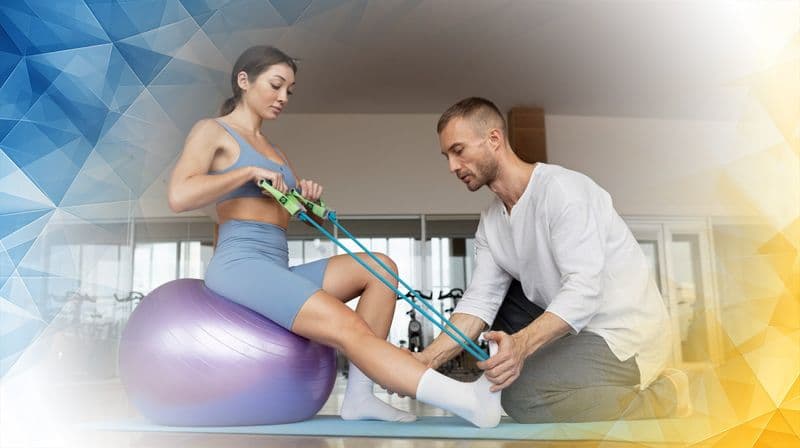
Another exciting connection is the impact of gentle movement and pressure. After a skull fracture, controlled motion helps bones heal correctly. Likewise, safe, guided rehabilitation can encourage cartilage in the knee to repair itself. This has led therapists to borrow successful strategies from neurology and orthopaedics alike, blending expertise to create more effective recovery plans.

Looking Ahead: New Treatments on the Horizon
By combining what we know about skull fractures with cartilage research, doctors are developing promising new treatments. For example, therapies that adjust the inflammatory response—or that use advanced biomaterials—could speed up cartilage repair and even help prevent long-term joint problems like osteoarthritis .
Of course, there are challenges. Cartilage doesn’t have blood vessels, so therapies that work well for bone may not always apply. But collaboration between neurologists and orthopaedic doctors is paving the way for creative solutions.
Looking forward, these partnerships may lead to personalized treatments tailored to each patient’s injury and healing abilities. Imagine exercise plans inspired by brain injury rehabilitation , or custom-made biomaterials that mimic the body’s natural repair tools—these are some of the innovations that could soon improve mobility and quality of life for many people.
Conclusion
While skull fractures and knee cartilage injuries seem worlds apart, the ways our bodies attempt to repair them are more connected than you might think. By learning from research into head injuries , we can discover new strategies to treat knee cartilage problems and protect joint health. The collaboration between different areas of medicine holds great promise for developing effective new therapies and getting people back on their feet faster.
References
Agrawal, A. (2018). Do we need to include “Elevated Skull Fractures” in skull fracture classification? Asian Journal of Neurosurgery, 13(02), 528-528. https://doi.org/10.4103/1793-5482.228553
Mihajlović, M., Nikolić, I., & Raičević, M. (2006). Growing skull fracture. Vojnosanitetski Pregled, 63(8), 761-764. https://doi.org/10.2298/vsp0608761m
Frequently Asked Questions
- London Cartilage Clinic integrates the latest discoveries in cartilage and bone healing, applying innovative techniques inspired by both neurology and orthopaedics. This approach, combined with the clinic’s specialised focus, helps to provide patients with advanced, research-backed treatment plans designed to support more effective recovery and joint health.
- Knee cartilage injuries are challenging to treat because cartilage lacks its own blood supply, meaning it heals slowly and often incompletely. This limitation makes the repair process tougher than for bone, which receives nutrients more readily. These differences are well-understood at London Cartilage Clinic, guiding unique strategies for cartilage recovery.
- Prof Lee brings years of expertise, combining orthopaedic and scientific knowledge to design personalised care. His involvement in clinical research ensures patients benefit from the most recent and promising cartilage treatments, leveraging insights from diverse areas like skull fracture research to create more effective, tailored rehabilitation strategies.
- London Cartilage Clinic is dedicated to delivering leading-edge treatments, including therapies that target inflammatory responses and use advanced biomaterials. These modern approaches are shaped by a commitment to continual research, collaboration, and the application of best practices in orthopaedic and neurological rehabilitation, supporting optimal cartilage recovery.
- London Cartilage Clinic stands out for its specialised focus, experienced team led by Prof Lee, and integration of the latest scientific findings. Patients benefit from a multidisciplinary approach, personalised care plans, and the adoption of innovative therapies aimed at promoting joint health and maximising recovery potential.
Legal & Medical Disclaimer
This article is written by an independent contributor and reflects their own views and experience, not necessarily those of London Cartilage Clinic. It is provided for general information and education only and does not constitute medical advice, diagnosis, or treatment.
Always seek personalised advice from a qualified healthcare professional before making decisions about your health. London Cartilage Clinic accepts no responsibility for errors, omissions, third-party content, or any loss, damage, or injury arising from reliance on this material.
If you believe this article contains inaccurate or infringing content, please contact us at [email protected].
London Cartilage Clinic
Modern treatments, designed for lasting knee outcomes
Every treatment plan is selected to help you return to the quality of life you deserve. Our team combines up-to-date techniques with consultant-led decision making across cartilage repair, regeneration and replacement.
What your journey can look like
Step 01
Consultant-Led Assessment
Symptoms, imaging and goals reviewed in one structured appointment.
Step 02
Personalised Treatment Plan
A clear route chosen from repair, regeneration or replacement options.
Step 03
Precision Delivery
Modern techniques and specialist equipment matched to your diagnosis.
Step 04
Long-Term Knee Health
Follow-up guidance focused on durable function and quality of life.
Will the Arthrosamid work for me
PAAG-8+ Questionnaire
A bright, structured entry point for patients exploring Arthrosamid. The questionnaire helps frame suitability, expectations, and 24-month clinical benefit discussion before a fuller consultant-led review.
Designed for shared decision-making. It does not replace specialist consultation, examination, imaging review, or formal medical advice.