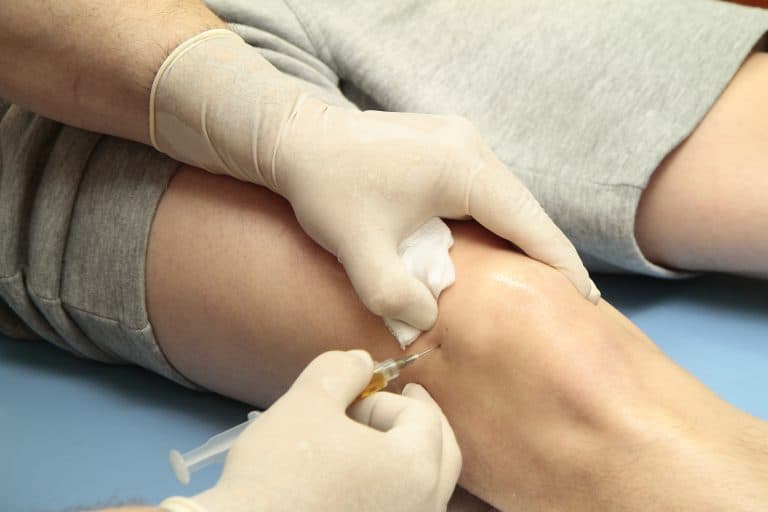



BMAC (Bone Marrow Aspirate Concentrate) knee surgery is a state-of-the-art regenerative treatment offered at the London Cartilage Clinic. This innovative approach uses the patient's own bone marrow cells to promote healing and regeneration in the knee, providing an effective solution for various knee conditions, including osteoarthritis and sports-related injuries.
The Process of BMAC Knee Surgery
The BMAC procedure involves harvesting bone marrow from the patient, concentrating the cells, and then injecting them into the knee joint. This process aims to harness the body's natural healing abilities, encouraging tissue regeneration and reducing inflammation. The procedure is minimally invasive, performed under local anesthesia, and typically requires a short recovery period.
Free non-medical discussion
Not sure what to do next?
Information only · No medical advice or diagnosis.
Advantages of BMAC Knee Surgery
BMAC knee surgery offers several benefits, including reduced recovery time compared to traditional knee surgeries, minimized pain and discomfort, and a lower risk of complications. The treatment is particularly beneficial for patients seeking an alternative to more invasive surgical procedures, and those looking to accelerate their recovery process.

Why Opt for BMAC Knee Surgery at London Cartilage Clinic?
At the London Cartilage Clinic, our expert team specializes in BMAC knee surgery, using advanced techniques and technology to ensure optimal results. Our personalized treatment plans are tailored to each patient's unique needs, ensuring the best possible outcomes and a quicker return to daily activities and sports.
Frequently Asked Questions
- BMAC knee surgery has shown promising results in improving knee function and reducing pain, particularly in conditions like osteoarthritis and ligament injuries. The effectiveness varies from patient to patient, with many experiencing significant improvement.
- The procedure is minimally invasive and performed under local anesthesia, resulting in minimal pain and discomfort during and after the surgery.
- Recovery time varies based on the individual's condition and the extent of the treatment. However, patients typically experience a quicker recovery with BMAC knee surgery compared to traditional surgical procedures.
Legal & Medical Disclaimer
This article is written by an independent contributor and reflects their own views and experience, not necessarily those of London Cartilage Clinic. It is provided for general information and education only and does not constitute medical advice, diagnosis, or treatment.
Always seek personalised advice from a qualified healthcare professional before making decisions about your health. London Cartilage Clinic accepts no responsibility for errors, omissions, third-party content, or any loss, damage, or injury arising from reliance on this material.
If you believe this article contains inaccurate or infringing content, please contact us at [email protected].
London Cartilage Clinic
Modern treatments, designed for lasting knee outcomes
Every treatment plan is selected to help you return to the quality of life you deserve. Our team combines up-to-date techniques with consultant-led decision making across cartilage repair, regeneration and replacement.
What your journey can look like
Step 01
Consultant-Led Assessment
Symptoms, imaging and goals reviewed in one structured appointment.
Step 02
Personalised Treatment Plan
A clear route chosen from repair, regeneration or replacement options.
Step 03
Precision Delivery
Modern techniques and specialist equipment matched to your diagnosis.
Step 04
Long-Term Knee Health
Follow-up guidance focused on durable function and quality of life.
Will the Arthrosamid work for me
PAAG-8+ Questionnaire
A bright, structured entry point for patients exploring Arthrosamid. The questionnaire helps frame suitability, expectations, and 24-month clinical benefit discussion before a fuller consultant-led review.
Designed for shared decision-making. It does not replace specialist consultation, examination, imaging review, or formal medical advice.