

Beyond the Scalpel: Unveiling Non-Surgical Protocols for Complete ACL Tear Recovery
The anterior cruciate ligament (ACL) is a crucial part of your knee, keeping it stable whenever you move. Traditionally, a complete tear of the ACL has meant surgery was your only real option. But new research and innovations are now challenging that view, revealing promising non-surgical treatments. In this article, we'll explore these alternatives—offering hope for those who want to avoid the operating room.
What Is a Complete ACL Tear?
A complete ACL tear means that all the fibers of the ligament have been fully torn, making your knee feel unstable or prone to “giving way.” This is much more severe than a partial tear, where some fibers are still intact and you may retain some stability. The ACL connects your thigh bone (femur) to your shinbone (tibia) and keeps your knee from sliding or twisting too much.
Because the ACL doesn’t heal easily on its own, surgery has long been the go-to solution for a complete tear. However, new studies suggest that—under the right circumstances—the body can sometimes heal the ACL naturally. For instance, some patients with combined ACL and MCL (another ligament in the knee) injuries have shown spontaneous healing without surgery. These findings challenge the old assumption that every complete tear needs immediate surgical intervention.
Interestingly, knee anatomy may influence both injury risk and healing potential. Some studies indicate that the position of the kneecap ( patella ) could play a part in ACL injuries , suggesting future treatment and prevention strategies may become even more personalized.
Surgery vs. Non-Surgical Treatment: What’s the Difference?
Surgery for a complete ACL tear typically involves reconstructing the ligament with a graft—using tendon from another part of your body or a donor. While surgical reconstruction often restores knee stability and allows return to sports, it’s not without risks, such as infection, stiffness , and a lengthy recovery process.
Non-surgical treatments, on the other hand, focus on helping your body heal naturally. These include activity modification, bracing, physical therapy, and, more recently, regenerative therapies designed to speed up tissue repair. Some patients have regained knee function and returned to their usual activities without surgery—especially when treatment is carefully tailored and progress is monitored closely. In studies tracking natural healing, patients have shown meaningful improvements within about 8 to 9 months.
Subtle differences in your knee anatomy can influence both treatment choices and outcomes. For example, findings from knee imaging suggest that people with certain kneecap positions (measured by something called the Insall–Salvati ratio) might be at higher risk for ACL tear s, and this measurement could play a role in guiding treatment decisions.
Innovative Non-Surgical Treatments to Know About
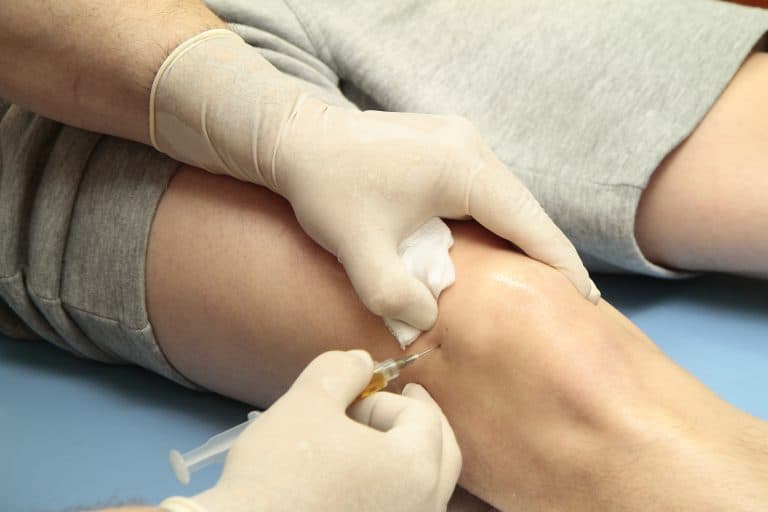
One of the most promising areas in non- surgical ACL care is regenerative medicine—especially targeted injections guided by ultrasound. For instance, polydeoxyribonucleotide ( PDRN ) injections are thought to promote cell growth and decrease inflammation, giving your body’s natural repair mechanisms a boost. Some clinical reports suggest that patients receiving these therapies experience less pain and regain knee movement more quickly compared to those who simply rest and wait.
Another factor to consider: The specific location of the ACL tear might matter. Some research suggests tears near the ligament’s attachment point may respond especially well to non-surgical treatment.
Even traditional knowledge can help guide who may benefit most from non-surgical management. For example, in surgical cases, patients with a low-riding kneecap (“patella baja”) might not do well with certain tendon grafts. Recognizing these nuances can help avoid unnecessary or poorly matched surgeries—further supporting the case for personalized, non-surgical approaches.
Free non-medical discussion
Not sure what to do next?
Information only · No medical advice or diagnosis.
Why Rehabilitation Is Essential
Whether or not surgery is performed, rehab is at the heart of ACL recovery . For those skipping surgery, a dedicated rehabilitation program is even more important. The goal is to strengthen the muscles around your knee —especially the quadriceps and hamstrings—improve your balance, and teach your body to move safely and confidently again.
Physical therapy sessions might include balancing exercises, gradual strength-building, and movements that promote stability without straining the healing ligament . Lots of patients find success by following structured “ACL strengthening exercise” guides and working closely with skilled therapists. If you stay disciplined with your rehab, you can often return to previous activities and protect your knee from future injury.

What Does Recovery Look Like?
For people who carefully follow their prescribed rehab plan, non-surgical treatment can lead to significant pain relief and a return to daily activities—sometimes even sports—within several months to a couple of years. Many appreciate avoiding surgery and the associated risks. However, the best results are seen in people with less severe instability and lower activity demands.
Key to success is proper candidate selection and commitment. Not everyone will thrive with non-surgical care, especially those engaged in high-demand sports or whose knees remain unstable.
Important Considerations and Limitations
Non-surgical treatment is not a perfect fit for everyone. Some knees will remain too unstable without a reconstructed ligament, putting you at risk for further injuries like meniscus tears or longer-term joint damage. That’s why sticking closely to your rehab program and working with your healthcare team is so important.
For very active individuals, or those with significant instability, surgery may still be the safest path. Regular appointments with your provider will help ensure you're healing as expected and allow for changes if needed. Some reports suggest that—depending on your injury and how your body responds—it might be wise to give non-surgical options some time before making any surgical decisions.
Looking Ahead: The Future of ACL Injury Management
The landscape of ACL injury treatment is changing fast. Emerging non-surgical approaches, from regenerative injections to customized rehab plans, are expanding the possibilities for natural healing. Although more research is needed, these protocols offer real hope for people who want to avoid surgery and still regain strong, stable knees .
If you’re considering a non-surgical approach, be sure to discuss your options thoroughly with your healthcare provider. Your success will depend on the right treatment plan, your dedication to rehabilitation, and careful follow-up. With ongoing research and rapid innovation, the future of ACL care looks brighter—and surgery may soon become just one of several excellent options for recovery.
References
Razi, M., Soufali, A. P., Ziabari, E. Z., Dadgostar, H., Askari, A., & Arasteh, P. (2020). Treatment of concomitant ACL and MCL injuries: Spontaneous healing of complete ACL and MCL tears. The Journal of Knee Surgery, 34(12), 1329-1336. https://doi.org/10.1055/s-0040-1708858
Fukumura, K., Taniguchi, Y., Maki, S., Hamasato, Y., Okamura, K., & Yamaura, I. (1996). Treatment of meniscal tear with ACL tear in sport players. Orthopedics & Traumatology, 45(3), 813-815. https://doi.org/10.5035/nishiseisai.45.813
Lin, C. J., Wu, J. J., Chen, T. S., & Huang, T. F. (2004). Comparison of the Insall–Salvati ratio of the patella in patients with and without an ACL tear. Knee Surgery, Sports Traumatology, Arthroscopy, 13(1), 8–11. https://doi.org/10.1007/s00167-004-0515-7
Legal & Medical Disclaimer
This article is written by an independent contributor and reflects their own views and experience, not necessarily those of London Cartilage Clinic. It is provided for general information and education only and does not constitute medical advice, diagnosis, or treatment.
Always seek personalised advice from a qualified healthcare professional before making decisions about your health. London Cartilage Clinic accepts no responsibility for errors, omissions, third-party content, or any loss, damage, or injury arising from reliance on this material.
If you believe this article contains inaccurate or infringing content, please contact us at [email protected].
London Cartilage Clinic
Modern treatments, designed for lasting knee outcomes
Every treatment plan is selected to help you return to the quality of life you deserve. Our team combines up-to-date techniques with consultant-led decision making across cartilage repair, regeneration and replacement.
What your journey can look like
Step 01
Consultant-Led Assessment
Symptoms, imaging and goals reviewed in one structured appointment.
Step 02
Personalised Treatment Plan
A clear route chosen from repair, regeneration or replacement options.
Step 03
Precision Delivery
Modern techniques and specialist equipment matched to your diagnosis.
Step 04
Long-Term Knee Health
Follow-up guidance focused on durable function and quality of life.
Will the Arthrosamid work for me
PAAG-8+ Questionnaire
A bright, structured entry point for patients exploring Arthrosamid. The questionnaire helps frame suitability, expectations, and 24-month clinical benefit discussion before a fuller consultant-led review.
Designed for shared decision-making. It does not replace specialist consultation, examination, imaging review, or formal medical advice.