


Balancing Biomechanics and Biology: Long-Term Outcomes and Innovative Strategies in Ankle Cartilage Repair
Introduction
Repairing ankle cartilage is uniquely challenging because the ankle is a small joint that carries a lot of force with every step. Unlike larger joints such as the knee, the ankle distributes pressure across a tighter space, demanding specially tailored treatments. While traditional surgeries still play a vital role, newer biological therapies promise more natural and lasting cartilage repair . In this article, we'll explore what long-term recovery looks like after ankle cartilage repair and highlight the latest strategies combining mechanical stability with biological healing for better outcomes.
Understanding Diagnosis and Treatment Options
Recent improvements in imaging—especially MRI—make it much easier for doctors to spot and assess cartilage injuries in the ankle. This clarity helps guide personalized treatment choices and allows for ongoing monitoring as the joint heals .
Traditional surgical options include microfracture, which stimulates new cartilage growth by creating tiny holes in the bone, and autologous chondrocyte implantation (ACI), where a patient's own cartilage cells are collected and re-implanted to encourage regeneration. These methods marked a shift from simply patching up damage to actively rebuilding healthy cartilage .
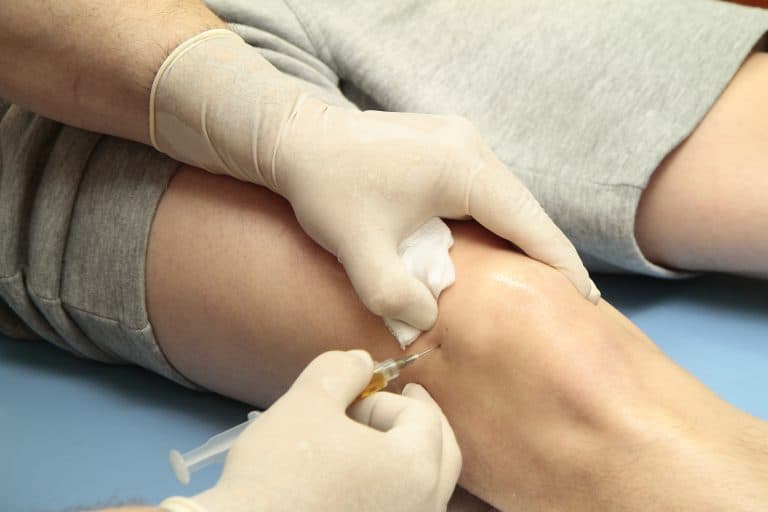
More recently, biologic therapies have expanded the toolkit for ankle cartilage repair . Treatments like platelet-rich plasma (PRP), hyaluronic acid injections , and bone marrow aspirate concentrate (BMAC) all work to boost the body's natural healing processes—providing growth factors , extra lubrication, or stem cells to the injury site. These approaches act as a “natural boost,” encouraging more resilient cartilage repair .
Because of the ankle’s unique biomechanics, effective treatments must balance mechanical support (ensuring the joint remains stable) with therapies that promote new cartilage growth and healing. While newer biological approaches are encouraging, healing can vary between individuals, and truly restoring damaged cartilage remains a complex challenge. That’s why early and accurate diagnosis, as well as careful selection of treatment, are essential for the best results.
Free non-medical discussion
Not sure what to do next?
Information only · No medical advice or diagnosis.
Long-Term Recovery and Rehabilitation
Recovering from ankle cartilage repair is a long-term journey. Doctors use regular check-ups and advanced imaging to monitor healing progress over months or even years. Newer MRI techniques can detect early changes in cartilage health , making it easier to track whether repairs are working and spot problems before they get worse.
Rehabilitation is also crucial and looks very different from general rehab after other injuries . Ankle-specific programs gradually increase weight bearing and movement , protecting the joint while encouraging proper healing. Factors like age, injury severity, and the particular treatment used all influence recovery times and expectations.
While many supplements and treatments are better studied in knee cartilage , some may help ankle cartilage heal by reducing inflammation and supporting healthy tissue. Ultimately, the most successful recoveries come from a combination of strong mechanical support to keep the joint stable and targeted biological therapies that help cartilage heal effectively .

What the Future Holds
The future of ankle cartilage repair is all about bringing biomechanics and biology together for truly effective, lasting solutions. Unlike many other tissues, cartilage lacks its own blood supply, making natural healing slow or incomplete. Most ankle cartilage injuries stem from acute trauma or conditions like osteochondritis dissecans, which can further complicate recovery.
Exciting innovations are on the horizon. Cell therapies and targeted growth factor injections are being designed to “jumpstart” the body’s repair processes, helping cartilage cells rebuild damaged tissue more effectively. Researchers are also customizing rehab programs based on each patient’s needs and injury patterns.
Tissue engineering—growing new cartilage in a lab using a patient’s own cells—and gene therapy approaches may one day revolutionize how we treat cartilage defects . As these advanced treatments become more refined, they offer hope for longer-lasting repairs and a reduced risk of developing arthritis after injury . The goal is not just to patch up damaged cartilage, but to restore the joint so patients can get back to their active lives.
Conclusion
Successfully repairing ankle cartilage takes a thoughtful mix of mechanical stability and biological healing. This balanced approach is driving faster recoveries today and paving the way for the next wave of breakthroughs. As our understanding grows and new technologies emerge, ankle cartilage injuries will become ever more treatable—helping patients return to pain-free, active living.
References
Nehrer, S., & Vannini, F. (2016). Ankle cartilage repair. CARTILAGE, 8(1), 11-11. https://doi.org/10.1177/1947603516678519
Dahmen, J., Bayer, S., Toale, J., Mulvin, C., Hurley, E. T., Batista, J., ... & Murawski, C. D. (2022). Osteochondral lesions of the tibial plafond and ankle instability with ankle cartilage lesions: Proceedings of the International Consensus Meeting on Cartilage Repair of the Ankle. Foot & Ankle International, 43(3), 448-452. https://doi.org/10.1177/10711007211049169
Schreiner, M., Mlynárik, V., Zbýň, Š., Szomolányi, P., Apprich, S., Windhager, R., & Trattnig, S. (2016). New technology in imaging cartilage of the ankle. CARTILAGE, 8(1), 31-41. https://doi.org/10.1177/1947603516632848
Legal & Medical Disclaimer
This article is written by an independent contributor and reflects their own views and experience, not necessarily those of London Cartilage Clinic. It is provided for general information and education only and does not constitute medical advice, diagnosis, or treatment.
Always seek personalised advice from a qualified healthcare professional before making decisions about your health. London Cartilage Clinic accepts no responsibility for errors, omissions, third-party content, or any loss, damage, or injury arising from reliance on this material.
If you believe this article contains inaccurate or infringing content, please contact us at [email protected].
London Cartilage Clinic
Modern treatments, designed for lasting knee outcomes
Every treatment plan is selected to help you return to the quality of life you deserve. Our team combines up-to-date techniques with consultant-led decision making across cartilage repair, regeneration and replacement.
What your journey can look like
Step 01
Consultant-Led Assessment
Symptoms, imaging and goals reviewed in one structured appointment.
Step 02
Personalised Treatment Plan
A clear route chosen from repair, regeneration or replacement options.
Step 03
Precision Delivery
Modern techniques and specialist equipment matched to your diagnosis.
Step 04
Long-Term Knee Health
Follow-up guidance focused on durable function and quality of life.
Will the Arthrosamid work for me
PAAG-8+ Questionnaire
A bright, structured entry point for patients exploring Arthrosamid. The questionnaire helps frame suitability, expectations, and 24-month clinical benefit discussion before a fuller consultant-led review.
Designed for shared decision-making. It does not replace specialist consultation, examination, imaging review, or formal medical advice.