


Arthrosamid’s Role in Easing Post-Meniscectomy Knee Symptoms for Osteoarthritis Patients: A Targeted Approach
Introduction
Knee osteoarthritis (OA) is a common and often debilitating condition, particularly for patients who have had a meniscectomy and continue to experience lingering symptoms. The meniscus is essential for cushioning the knee and absorbing shock; when it is removed, patients may face ongoing aches and difficulties with everyday activities. Arthrosamid is a novel injectable treatment designed to address these specific issues. This article looks at how Arthrosamid might help manage persistent post-meniscectomy symptoms within the wider context of osteoarthritis care.
What Happens to the Knee After Meniscectomy?
When the meniscus is removed, the knee’s natural biomechanics are altered significantly. The meniscus normally distributes pressure across the joint and absorbs shock during movement, so without it, the cartilage and other parts of the knee take on extra strain. This often leads to reduced joint function, aches that won’t go away, and difficulties returning to normal walking. As some experts highlight, “Meniscus deficiency was recognised to lead to an early onset knee osteoarthritis (OA)” (Drobnič et al., 2019). Unfortunately, traditional treatments don’t always tackle these mechanical problems, and “Evidence for non‐surgical management of post‐meniscectomy knee pain is lacking” (Drobnič et al., 2019), leaving many patients underserved.
What is Arthrosamid and How Does It Work?
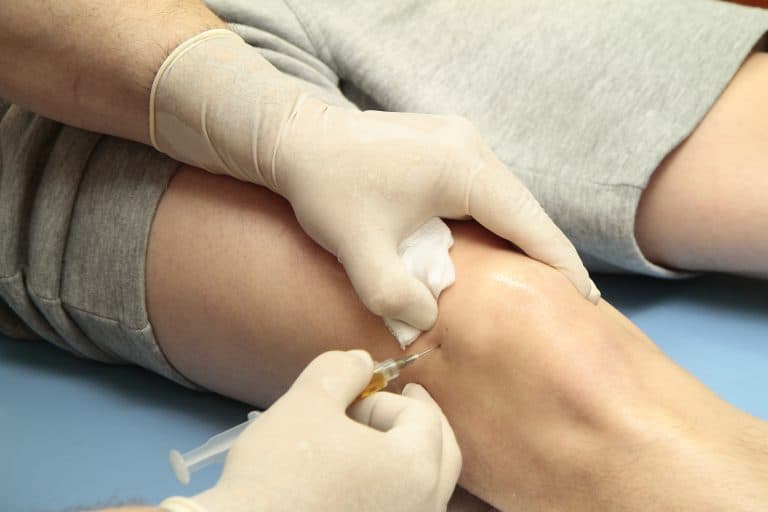
Arthrosamid is an injectable hydrogel made primarily from polyacrylamide. It acts as a cushion inside the joint, helping to restore some of the shock absorption lost after meniscectomy. Approved for use across Europe, it offers a non-surgical option to improve joint function and reduce symptoms. Recent research notes that “PAAG provided improvement in knee OA symptoms over 24 months, in older, non-diabetic patients with lower KL grades” (Gao et al., 2025a). While the evidence is still developing, Arthrosamid appears promising for easing symptoms without the need for more invasive procedures. However, it is important to remember that “The absence of a control group and limited outcome measures should be considered. Further studies are warranted to validate efficacy, refine patient selection, and evaluate long-term impact” (Gao et al., 2025a).
Free non-medical discussion
Not sure what to do next?
Information only · No medical advice or diagnosis.
Expert Care at the London Cartilage Clinic
Professor Paul Lee, a respected orthopaedic surgeon and cartilage specialist, leads the London Cartilage Clinic with a focus on personalised care. As both a Cartilage Expert and ambassador for the Royal College of Surgeons of Edinburgh, he oversees a professional and supportive environment where patients with knee OA receive thorough assessments. Here, Arthrosamid and other innovative treatments are considered carefully, ensuring patients get expert advice tailored to their unique needs.

Who Might Benefit Most from Arthrosamid?
Not every patient is suitable for Arthrosamid, so proper evaluation is key. Recent studies show that “patient factors that increased the odds of reaching minimal clinically important difference in symptoms by 24 months include being older, having a lower knee OA grade, not having diabetes, and having bilateral rather than unilateral knee OA” (Gao et al., 2025a). The treatment is generally safe and well tolerated, but it is important to consider each patient’s individual condition and health. Experts also remind us that “Post‐meniscectomy pain syndrome and post‐meniscectomy knee OA are common findings after meniscus resection” (Drobnič et al., 2019), so a carefully tailored, patient-centred approach remains essential.
Conclusion
For osteoarthritis patients who have previously had meniscal surgery, Arthrosamid offers a promising option to tackle persistent symptoms by helping restore shock absorption lost through meniscal removal. It should be viewed as part of a personalised treatment plan, developed alongside specialist advice and thorough patient assessment. For any medical concerns or tailored advice, always consult a qualified healthcare professional.
References
- Gao, H. C. K., Akhtar, M., Creedon, C., Nar, Ö. O., & Lee, P. Y. (2025). The impact of patient factors on the minimal clinically important difference of Arthrosamid polyacrylamide hydrogel injection for knee osteoarthritis: A cohort study. Osteoarthritis and Cartilage. https://doi.org/10.1016/j.joca.2025.02.648
- Gao, H. C. K., Akhtar, M., Creedon, C., Nar, Ö. O., Verma, T., & Lee, P. Y. F. (2025). Polyacrylamide hydrogel injections in knee osteoarthritis: A PROMs-based 24 month cohort study. Journal of Clinical Orthopaedics and Trauma. https://doi.org/10.1016/j.jcot.2025.103136
- Drobnič, M., Erçin, E., Gamelas, J., Papacostas, E., Słynarski, K., Zdanowicz, U., Spalding, T., & Verdonk, P. (2019). Treatment options for the symptomatic post-meniscectomy knee. Knee Surgery, Sports Traumatology, Arthroscopy, 27(6), 1817-1824. https://doi.org/10.1007/s00167-019-05424-3
Frequently Asked Questions
- Arthrosamid is a polyacrylamide hydrogel injection designed to act as a cushion in the knee, helping to restore shock absorption lost after meniscectomy, potentially easing persistent symptoms and improving joint function without the need for further invasive procedures.
- Professor Paul Lee, a renowned Cartilage Expert and surgical ambassador, leads the clinic with extensive experience in knee osteoarthritis care. His expertise ensures patients receive personalised assessments and are offered innovative treatments like Arthrosamid tailored to their specific needs.
- Evidence suggests Arthrosamid may be more suitable for older patients, those with lower-grade osteoarthritis, and people without diabetes. At London Cartilage Clinic, every patient receives a thorough evaluation to determine the most appropriate, evidence-based options for their situation.
- The London Cartilage Clinic provides comprehensive assessments, led by Professor Paul Lee, a respected cartilage specialist. The clinic is dedicated to personalised care, offering patients expert advice on advanced treatments such as Arthrosamid in a professional, supportive environment.
- No, the London Cartilage Clinic offers a range of innovative treatments for knee osteoarthritis. Every patient’s condition is carefully assessed by Professor Paul Lee, ensuring they receive advice on the most suitable options for their symptoms and long-term joint health.
Legal & Medical Disclaimer
This article is written by an independent contributor and reflects their own views and experience, not necessarily those of London Cartilage Clinic. It is provided for general information and education only and does not constitute medical advice, diagnosis, or treatment.
Always seek personalised advice from a qualified healthcare professional before making decisions about your health. London Cartilage Clinic accepts no responsibility for errors, omissions, third-party content, or any loss, damage, or injury arising from reliance on this material.
If you believe this article contains inaccurate or infringing content, please contact us at [email protected].
London Cartilage Clinic
Modern treatments, designed for lasting knee outcomes
Every treatment plan is selected to help you return to the quality of life you deserve. Our team combines up-to-date techniques with consultant-led decision making across cartilage repair, regeneration and replacement.
What your journey can look like
Step 01
Consultant-Led Assessment
Symptoms, imaging and goals reviewed in one structured appointment.
Step 02
Personalised Treatment Plan
A clear route chosen from repair, regeneration or replacement options.
Step 03
Precision Delivery
Modern techniques and specialist equipment matched to your diagnosis.
Step 04
Long-Term Knee Health
Follow-up guidance focused on durable function and quality of life.