

A Biomechanical Perspective on Chronic Knee Pain: What Causes It and How to Prevent It
Introduction
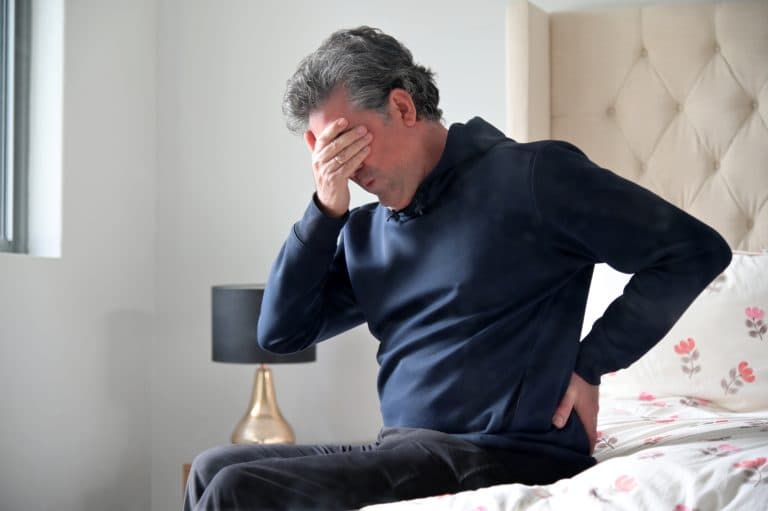
Knee pain is a common problem affecting millions worldwide, turning simple daily activities into painful challenges. In the UK alone, severe or disabling knee pain impacts around 4.5 million people. While many treatments aim to ease the symptoms, the real key to long-term relief lies in understanding why the pain occurs. This is where biomechanics—the science of how movement and forces impact our bodies—plays a crucial role. By examining knee pain from a biomechanical viewpoint, we gain insights into not just the discomfort itself, but the underlying causes. It’s also essential to remember that knee pain isn’t always just about the knee; problems in the lower back, such as lumbar spine issues, can sometimes be the real source, especially in older adults.
Why Biomechanics Matters in Knee Pain
What does biomechanics tell us about knee pain ? Essentially, it helps us understand how your knee's movement and the way forces travel through it can contribute to problems. Factors like bone alignment, muscle strength or weakness, and walking patterns all play a part in how stress is distributed across your knee. If these factors are off, extra wear and tear can develop, leading to ongoing pain. By recognizing these mechanical influences, doctors and patients can move beyond just treating symptoms and start addressing the root causes.
Knee pain is incredibly prevalent and can range from a minor annoyance to a cause of major disability. About a quarter of people over 55 will experience chronic knee pain at some point, most often linked to osteoarthritis. But it’s important to note: not all knee pain comes from primary knee issues. Sometimes, especially in older adults or in cases where knee imaging doesn’t match the symptoms, the source may lie in the spine.
What Research Tells Us
Recent research highlights that chronic knee pain isn’t just about damaged cartilage or inflammation—it’s also about how your knees handle the repetitive forces of daily life. Muscle weakness, joint misalignment, or poor movement patterns can concentrate pressure on specific areas of the knee, speeding up cartilage breakdown and inflammation. In teens and young adults, knee pain is startlingly common as well, affecting as many as one in three at some point. This evidence is shifting the conversation from just treating pain to correcting the underlying mechanics. Clinicians now recommend that if imaging doesn’t explain the pain, a careful examination of the spine and related nerves is in order, since dysfunction here can refer pain to the knees .
Key Terms to Know
Before we dig deeper, here are some key terms to help clarify how biomechanics affects your knees :
- Joint alignment: How the bones in the knee fit together.
- Load distribution: How the weight and forces are spread across the knee joint.
- Patellofemoral mechanics: How the kneecap (patella) glides over the thigh bone (femur).
- Gait analysis: The study of how you walk to identify unusual movement patterns.
Understanding these terms will make it easier to see how mechanical factors play a role in knee health .
Free non-medical discussion
Not sure what to do next?
Information only · No medical advice or diagnosis.
How Biomechanical Issues Cause Knee Pain
Let’s take a closer look at the main biomechanical factors behind chronic knee pain :
- Uneven Load Distribution: Misalignment of the knee, such as knock-knees (valgus) or bow-legs (varus), can overload certain areas. This accelerates cartilage wear and leads to pain.
- Muscle Imbalances: Your knee relies on a network of muscles for stability. Weakness in critical muscles, such as your quadriceps or hip stabilizers, can throw off your knee’s alignment and increase joint stress.
- Walking Patterns: An abnormal gait or irregular walking style can put extra pressure on your knees , leading to increased wear and discomfort.
It’s also crucial to keep in mind the connection to the spine. For example, issues affecting the L3-4 region of the lumbar spine can cause pain that feels like it’s coming from the knee, even when the knee itself is healthy.

How Experts Diagnose These Problems
Thanks to modern technology, healthcare professionals have new tools to pinpoint the biomechanical cause of knee pain . Techniques like motion capture analysis, dynamic MRI, and pressure-sensitive walkways enable detailed assessment of how your joints and muscles work during movement. Physical examinations—including checking muscle strength , joint range of motion, and nerve reflexes—help complete the picture. If imaging doesn’t show clear knee problems that match your symptoms, a thorough assessment including the spine is often recommended to rule out other sources.
Preventing and Treating Knee Pain the Biomechanical Way
Here’s the encouraging news: biomechanical problems can often be improved—sometimes even prevented—with the right approach.
- Targeted Exercise: Strengthening key muscle groups and working on movement quality can help your knee distribute forces more evenly, reducing pain and injury risk.
- Lifestyle Changes: Maintaining a healthy weight and tweaking your daily activities can significantly relieve the pressure on your knees.
- Innovative Therapies: Approaches like neuromuscular training (to improve muscle coordination and control) and custom orthotics (to correct alignment) are showing real promise in restoring better function and comfort.
By focusing on these evidence-backed strategies, you can not only prevent knee trouble but also boost your overall joint health.
Why This Matters for Your Care
Viewing knee pain through a biomechanical lens transforms how it’s diagnosed and treated. Instead of just managing pain or focusing purely on tissue damage, this approach looks for the root mechanical causes. That means you’re more likely to get a treatment plan that’s tailored to your unique needs—possibly helping you avoid surgery or long-term medication.
Wrapping Up and Looking Ahead
Understanding the biomechanical side of knee pain opens the door to smarter, more effective care. While ongoing research is needed to refine these strategies, it’s clear that addressing the mechanical factors at play can make a real difference in how well—and how long—your knees serve you. By paying attention to movement, alignment, and muscle strength, you can take positive steps towards lasting knee health and comfort.
References
Mehrali, T., & Yunas, I. (2009). Knee Pain. InnovAiT: Education and inspiration for general practice, 2(7), 396-401. https://doi.org/10.1093/innovait/inp002
Lygrisse, K. A., Mont, M. A., & Scuderi, G. R. (2025). Knee Pain Is Not Always the Knee. JBJS Reviews, 13(1). https://doi.org/10.2106/jbjs.rvw.24.00182
Zeller, J. L., Lynm, C., & Glass, R. M. (2007). Knee Pain. JAMA, 297(15), 1740. https://doi.org/10.1001/jama.297.15.1740
Legal & Medical Disclaimer
This article is written by an independent contributor and reflects their own views and experience, not necessarily those of London Cartilage Clinic. It is provided for general information and education only and does not constitute medical advice, diagnosis, or treatment.
Always seek personalised advice from a qualified healthcare professional before making decisions about your health. London Cartilage Clinic accepts no responsibility for errors, omissions, third-party content, or any loss, damage, or injury arising from reliance on this material.
If you believe this article contains inaccurate or infringing content, please contact us at [email protected].
London Cartilage Clinic
Modern treatments, designed for lasting knee outcomes
Every treatment plan is selected to help you return to the quality of life you deserve. Our team combines up-to-date techniques with consultant-led decision making across cartilage repair, regeneration and replacement.
What your journey can look like
Step 01
Consultant-Led Assessment
Symptoms, imaging and goals reviewed in one structured appointment.
Step 02
Personalised Treatment Plan
A clear route chosen from repair, regeneration or replacement options.
Step 03
Precision Delivery
Modern techniques and specialist equipment matched to your diagnosis.
Step 04
Long-Term Knee Health
Follow-up guidance focused on durable function and quality of life.
Will the Arthrosamid work for me
PAAG-8+ Questionnaire
A bright, structured entry point for patients exploring Arthrosamid. The questionnaire helps frame suitability, expectations, and 24-month clinical benefit discussion before a fuller consultant-led review.
Designed for shared decision-making. It does not replace specialist consultation, examination, imaging review, or formal medical advice.