


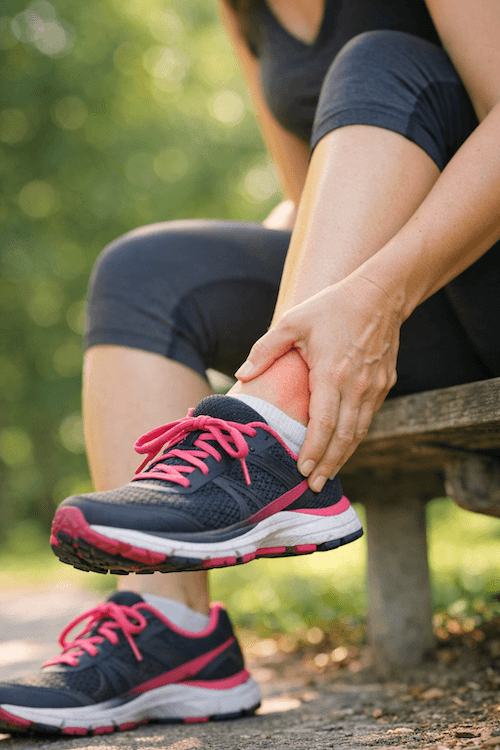






Natural Knee Lubrication for Healthy Cartilage and Joint Comfort
Introduction: Why Natural Knee Lubrication Matters
Our knees are vital for everyday life, allowing us to walk, run and simply move without pain. However, ageing or increased strain can sometimes cause discomfort. One of the key factors in keeping knees healthy and comfortable is proper joint lubrication. This lubrication comes from synovial fluid—a slippery substance inside the joint that cushions and protects the cartilage. By supporting our body’s natural lubrication system, we can help reduce friction and protect knee cartilage from wear and tear. In this article, we will explore simple, natural ways to keep your knees well-lubricated and healthy, aimed at those experiencing mild discomfort or anyone wishing to prevent future joint problems without surgery or medication.
The Science Behind Synovial Fluid and Cartilage Support
Synovial fluid is the body’s own lubricating oil for the knee joints. It fills the joint space and coats the cartilage surfaces, preventing direct contact between bones as we move. Healthy cartilage acts like a shock absorber and keeps the joint flexible, while well-lubricated joints minimise stress and slow down cartilage wear. However, everyday factors such as dehydration, ageing and inactivity can reduce both the amount and quality of this vital fluid, making joints stiffer and more prone to damage. Notably, recent research found that “a decrease in viscosity decreases the minimum thickness of the lubricating film by 65%,” emphasising just how important the synovial fluid’s thickness and quality are for joint health (Robledo Blasco et al., 2024). Additionally, evidence shows that “worn tissue particles in the synovial fluid” further compromise lubrication in arthritic knees, impacting comfort and mobility (Dvir et al., 2023). Professor Paul Lee, a leading orthopaedic surgeon and expert in cartilage regeneration, brings extensive clinical experience to treating joints. At the London Cartilage Clinic, Professor Lee and his team offer expert care focused on preserving cartilage and promoting healthy joint function.
Hydration: The Cornerstone of Joint Health
Keeping well hydrated is essential to maintaining healthy synovial fluid. Since this fluid is mostly water, even mild dehydration can reduce its volume and make it less effective as a lubricant. This often leads to joint stiffness and discomfort. Studies also show that reduced fluid viscosity can increase pressure within the cartilage, raising the risk of damage over time (Robledo Blasco et al., 2024). For good joint health, adults should aim to drink about 1.5 to 2 litres of water daily, adjusting for factors like activity level and climate. Simple ways to stay hydrated include carrying a water bottle, sipping regularly throughout the day and eating plenty of water-rich foods such as fresh fruit and vegetables. Supporting synovial fluid in this way helps maintain its cushioning and lubricating properties—key to comfortable, flexible knees.
Nourishing Your Joints: Foods That Help Natural Lubrication
What we eat can also support knee lubrication and cartilage health. Certain foods contain nutrients that help the body produce synovial fluid, reduce inflammation and protect cartilage from damage. Omega-3 fatty acids, found in oily fish like salmon, mackerel and sardines, as well as flaxseeds and walnuts, are particularly beneficial due to their anti-inflammatory effects. Inflammation can hasten cartilage breakdown, so including these foods in your diet may ease joint discomfort. Other helpful options include nuts, seeds and a variety of colourful vegetables rich in antioxidants, which protect joint tissues from oxidative stress. To make these choices easy, try walnuts in your breakfast, sprinkle flaxseed on smoothies, enjoy oily fish twice a week, and fill your plate with leafy greens and vibrant veg. While diet alone won’t cure joint issues, it’s an important part of a holistic approach alongside hydration and movement.
Daily Movement: Exercise, Stretching and Maintaining Healthy Weight
Regular, gentle exercise is one of the best ways to stimulate natural knee lubrication. Low-impact activities like walking, cycling or swimming encourage synovial fluid to circulate inside the joint, nourishing cartilage and maintaining flexibility. Stretching exercises that strengthen and stretch muscles around the knee—such as the quadriceps, hamstrings and calves—help reduce stiffness and distribute joint pressure evenly, benefiting cartilage health. Keeping a healthy weight is also crucial, as extra body weight adds strain to the knees and accelerates cartilage wear. Research even suggests that “a decrease in cartilage thickness can improve the thickness of the lubricating film,” showing how important cartilage integrity is (Robledo Blasco et al., 2024). Combining these habits can protect your knees naturally, reducing joint stress and delaying the need for more invasive treatments.
Professional Support and Final Thoughts
In summary, healthy knee cartilage depends largely on three pillars: staying hydrated, eating nourishing anti-inflammatory foods, and keeping active with regular low-impact exercise while managing your weight. These support your body’s natural lubrication system, helping maintain strong synovial fluid and protecting cartilage from damage. Experts like Professor Paul Lee, known for his work in orthopaedics and regenerative medicine, emphasise these principles at the London Cartilage Clinic. For some people, however, advanced treatments may be necessary. Promising research shows that “super-lubricious polyethylene glycol hydrogel microspheres reduced friction by 57% compared to simulated synovial fluid,” offering hope for future therapies that can restore joint lubrication in severe osteoarthritis (Stealey et al., 2025). Moreover, new diagnostic methods now “enable evaluating the severity of joint osteoarthritis and the patient’s treatment more accurately” (Dvir et al., 2023). At the London Cartilage Clinic, you can access expert assessments and personalised care in a supportive environment to explore all options. If you experience persistent knee pain or cartilage problems, it’s vital to consult a qualified healthcare professional who can help guide you towards the most suitable treatments. Combining everyday natural strategies with expert support offers the best chance of maintaining well-lubricated, resilient knees for long-lasting comfort and mobility.
References
- Robledo Blasco, L. E., Weiss, B., Ubal, S., Ravera, E., & Di Paolo, J. (2024). Numerical analysis of squeeze film lubrication on healthy and osteoarthritic knee joints. Anales de la Asociación Física Argentina, 35(1), Article 15. https://doi.org/10.31527/analesafa.2024.35.1.15
- Stealey, S. T., Dharmesh, E., Bhagat, M., Tyagi, A. M., Schab, A. R., Hong, M., Osbourn, D., Abu-Amer, Y., Jelliss, P., & Zustiak, S. (2025). Super-lubricous polyethylene glycol hydrogel microspheres for use in knee osteoarthritis treatments. NPJ Regenerative Medicine, 10(1). https://doi.org/10.1038/s44385-025-00011-3
- Dvir, I., Abd-Rbo, K., Segal, D., Kandel, L., & Kasem, H. (2023). New experimental methodology to evaluate lubrication properties of synovial fluid containing worn tissue particles in osteoarthritis patients. Friction, 11, 1189–1200. https://doi.org/10.1007/s40544-023-0748-4
Frequently Asked Questions
- Natural lubrication by synovial fluid cushions the cartilage, reduces friction and protects knee joints from wear, allowing comfortable movement. The London Cartilage Clinic emphasises supporting this process naturally to help patients restore flexibility and reduce everyday discomfort, under Professor Paul Lee’s expert care.
- Professor Paul Lee is a leading cartilage expert and Royal College of Surgeons Ambassador, offering specialist joint preservation and cartilage regeneration treatments. The London Cartilage Clinic delivers advanced, individualised care, combining scientific knowledge and extensive clinical experience for proactive, patient-focused knee health solutions.
- Staying well hydrated, eating a nutrient-rich anti-inflammatory diet, and keeping active with gentle exercise all support natural knee lubrication. Professor Lee and the London Cartilage Clinic advise these holistic approaches to prolong joint comfort and help safeguard cartilage health in daily life.
- Synovial fluid consists mostly of water, so dehydration makes it less effective as a lubricant. Professor Lee stresses regular hydration to keep joints supple and reduce risk of cartilage damage, as part of his evidence-based approach at the London Cartilage Clinic.
- If you have persistent knee pain, stiffness or cartilage problems, professional assessment is essential. Professor Paul Lee and his team provide personalised evaluations, cutting-edge diagnostics and comprehensive support, helping patients explore all treatment options available for their cartilage and knee joint needs.
Next steps
Where to go from here
These routes are selected from the topic and purpose of this article. They are guidance, not a diagnosis or treatment recommendation.
Learn more
Explore treatment options
Use a structured overview to narrow down the most useful next step for your situation.
Talk to the team
Book a free discovery call
A non-medical call with the team to understand services and choose the right booking route.
Legal & Medical Disclaimer
This article is published by London Cartilage Clinic for general information and education only. It does not constitute medical advice, diagnosis, or treatment.
Always seek personalised advice from a qualified healthcare professional before making decisions about your health. London Cartilage Clinic accepts no responsibility for errors, omissions, third-party content, or any loss, damage, or injury arising from reliance on this material.
If you believe this article contains inaccurate or infringing content, please contact us at [email protected].


