
Understanding Patellar Tendonitis: Biomechanical Insights and Targeted Therapy for Knee Pain
Introduction
Patellar tendon itis, often called “jumper’s knee,” is a frequent source of knee pain , especially for active individuals and athletes. This condition arises when the patellar tendon—the sturdy band connecting your kneecap to your shinbone—becomes irritated or damaged due to tiny tears. Thanks to recent breakthroughs in biomechanical research, we have a better understanding of why patellar tendonitis develops and how we can treat it more effectively. In this article, we’ll dive into the biomechanics behind this common injury and explore therapies that can help relieve knee pain and restore your mobility.
The Challenge of Patellar Tendonitis
Dealing with patellar tendon itis can be both painful and discouraging. Everyday activities like running, jumping, or even climbing stairs can cause discomfort. Traditional approaches usually focus on rest and anti-inflammatory medication, but these treatments alone are often not enough for a full recovery. Today, experts emphasize tailored exercise programs and biomechanical adjustments—strategies designed with the latest research in mind—to create more effective, lasting solutions. In cases where surgery is needed, repairing the patellar tendon can be complex and delicate, highlighting the need for early and targeted intervention. Recent studies show that certain procedures can significantly alter tendon structure, underlining the importance of choosing the right treatment approach for each individual.
A Closer Look at the Patellar Tendon
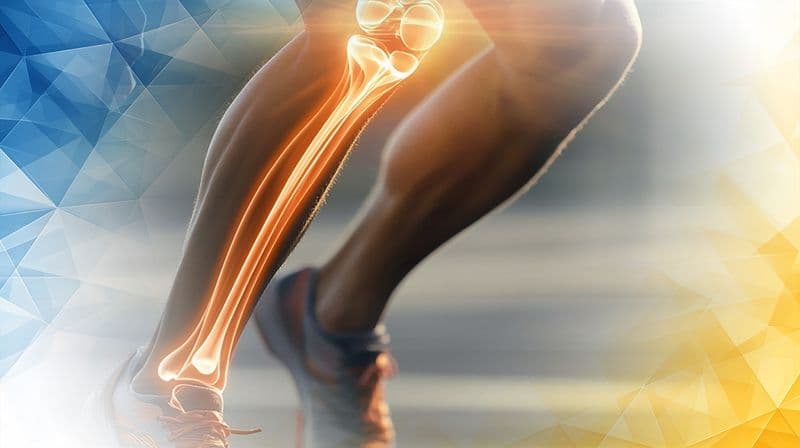
The patellar tendon is a strong, fibrous cord that links your kneecap ( patella ) to your shinbone (tibia). Its main job is to help straighten your knee by transmitting the force from your thigh muscles down to your leg. This tendon is made up of densely packed collagen fibers built to withstand high tension. Research shows that even small changes in this structure, or the way forces are distributed across the tendon , can increase the risk of injury. That's why understanding your tendon ’s unique makeup is key to both treating and preventing patellar tendon itis. Modern imaging, like ultrasound, gives doctors a detailed look at the tendon , helping them spot subtle signs of damage and plan the best treatment.
Why Does Patellar Tendonitis Happen?
Every time you move—especially during sports or exercise—your knees absorb a lot of force. Repetitive actions such as sprinting or jumping can overload the patellar tendon , leading to microtears and inflammation. This is the root cause of patellar tendonitis . The pain typically centers just below the kneecap, where the tendon takes the most stress. Without enough time to rest and recover, these tiny injuries pile up and worsen. Sometimes, biomechanical issues or past surgeries can change the tendon ’s properties, creating long-term challenges if not properly addressed.
Free non-medical discussion
Not sure what to do next?
Information only · No medical advice or diagnosis.
Recognising the Symptoms
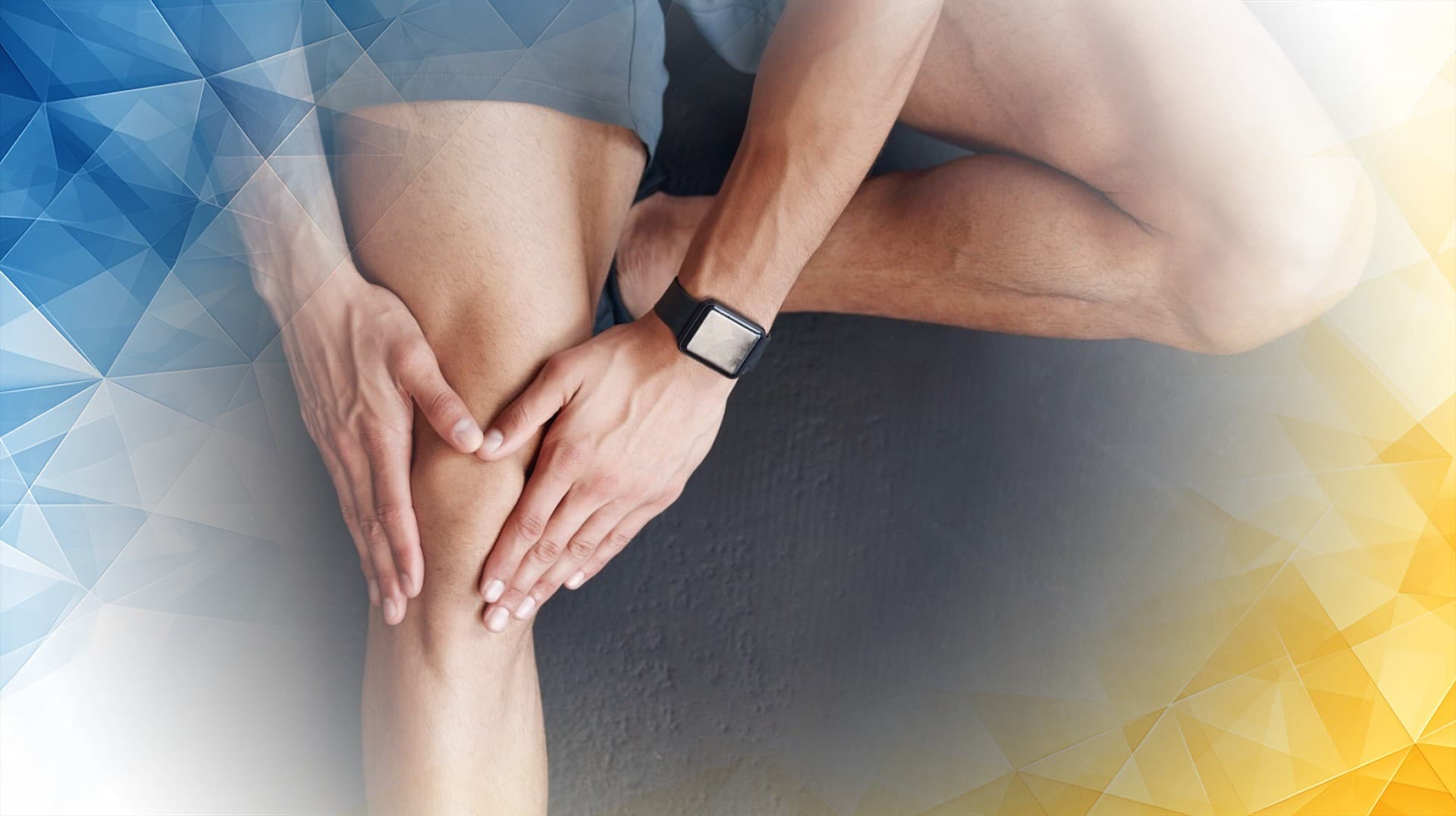
Patellar tendon itis usually presents as a sharp, localized pain just under or below the kneecap, especially during movement or bearing weight. Stiffness and tenderness at the front of the knee are common, and pain often flares up after activity—or sometimes, following periods of rest. This discomfort can make simple tasks like standing up or climbing stairs much harder, so it’s important to catch symptoms early and seek appropriate help.

Getting the Diagnosis Right
Doctors typically diagnose patellar tendon itis through a physical exam, sometimes supported by imaging tests like ultrasound or MRI to check the integrity of the tendon. It’s crucial to distinguish this injury from other knee problems, such as quadriceps tendonitis or bursitis, so you get the most effective treatment right from the start. Focused imaging helps healthcare providers pinpoint the exact location of the injury, improving diagnostic accuracy and ensuring you receive the right care.
Modern Rehabilitation Approaches
Treatment for patellar tendon itis has evolved far beyond simply resting the knee. Effective rehabilitation centers around carefully structured exercises that help the tendon recover by restoring strength and flexibility. Common approaches include specific stretches, controlled strengthening routines, and progressive loading exercises. It’s important to avoid high-impact activities during early healing stages to prevent further injury. In some complicated cases, surgical options may be considered, but these are typically reserved for severe or non-healing cases.
Effective Therapy and Exercise Programmes
The best rehabilitation plans combine strength training with exercises that improve proprioception—your body’s awareness of joint position and movement. Eccentric loading exercises, which involve lengthening the tendon while it’s under tension, have proven especially effective for healing and reducing inflammation. Adding proprioceptive training helps to improve muscle coordination around the knee, decreasing the chance of reinjury. Research consistently shows that following a well-structured, evidence-based rehabilitation program leads to significant improvement. Imaging tools can also aid clinicians in monitoring healing and guiding targeted treatments throughout the process.
Conclusion
Patellar tendon itis is a multifaceted condition caused by repetitive stress on the tendon, resulting in pain and impaired movement. Gaining insight into the biomechanics of the tendon and the forces it encounters is crucial for accurate diagnosis and effective management. Modern rehabilitation focuses on personalized exercise programs that encourage healing and prevent future injury . Thanks to ongoing research and innovative therapies , people affected by patellar tendonitis have more options than ever to achieve lasting relief and confidently return to their favorite activities.
References
George, M. S., & Jorgensen, J. R. (2021). Patellar Tendon Reconstruction With Achilles Tendon Allograft For Nonrepairable Patellar Tendon Rupture. Techniques in Orthopaedics, 36(1), 74-76. https://doi.org/10.1097/bto.0000000000000386
Miller, T. T. (2013). The patellar tendon. Seminars in Musculoskeletal Radiology, 17(01), 056-059.
Äärimaa, V., Ranne, J. O., Mattila, K., Rahi, K., Virolainen, P., & Hiltunen, A. (2008). Patellar tendon shortening after treatment of patellar instability with a patellar tendon medialization procedure. Scandinavian Journal of Medicine and Science in Sports, 18(4), 442-446. https://doi.org/10.1111/j.1600-0838.2007.00730.x
Frequently Asked Questions
- Patellar tendonitis, also known as jumper’s knee, is mainly caused by repetitive stress on the patellar tendon from activities such as running and jumping. Athletes and active individuals, especially those involved in sports with frequent knee impact, are most at risk for developing this painful condition.
- At London Cartilage Clinic, advanced diagnostic tools like ultrasound and MRI are used alongside a thorough physical assessment. This enables Prof Lee and the team to accurately pinpoint tendon injuries, distinguishing patellar tendonitis from other knee issues, and ensure that each patient receives a tailored treatment plan.
- Prof Lee at London Cartilage Clinic utilises the latest biomechanical research and cutting-edge rehabilitation approaches. His expertise prioritises structured exercise programmes, imaging-supported assessment, and individualised biomechanical adjustments, ensuring a modern, evidence-based pathway to relieve knee pain and restore mobility rather than just relying on rest and medication.
- Many patients experience significant improvement through carefully designed rehabilitation programmes, including strength training and proprioceptive exercises. London Cartilage Clinic specialises in such evidence-based, non-surgical treatments. Surgical options are reserved only for severe or persistent cases, and each recommendation is based on a detailed, expert evaluation by Prof Lee.
- London Cartilage Clinic offers specialist care led by Prof Lee, a recognised expert in the field of tendon and cartilage injuries. Their personalised approach, use of advanced imaging, and dedication to the latest therapeutic techniques make the clinic an excellent choice for those seeking long-term recovery and expert guidance.
Legal & Medical Disclaimer
This article is written by an independent contributor and reflects their own views and experience, not necessarily those of London Cartilage Clinic. It is provided for general information and education only and does not constitute medical advice, diagnosis, or treatment.
Always seek personalised advice from a qualified healthcare professional before making decisions about your health. London Cartilage Clinic accepts no responsibility for errors, omissions, third-party content, or any loss, damage, or injury arising from reliance on this material.
If you believe this article contains inaccurate or infringing content, please contact us at [email protected].
London Cartilage Clinic
Modern treatments, designed for lasting knee outcomes
Every treatment plan is selected to help you return to the quality of life you deserve. Our team combines up-to-date techniques with consultant-led decision making across cartilage repair, regeneration and replacement.
What your journey can look like
Step 01
Consultant-Led Assessment
Symptoms, imaging and goals reviewed in one structured appointment.
Step 02
Personalised Treatment Plan
A clear route chosen from repair, regeneration or replacement options.
Step 03
Precision Delivery
Modern techniques and specialist equipment matched to your diagnosis.
Step 04
Long-Term Knee Health
Follow-up guidance focused on durable function and quality of life.
Will the Arthrosamid work for me
PAAG-8+ Questionnaire
A bright, structured entry point for patients exploring Arthrosamid. The questionnaire helps frame suitability, expectations, and 24-month clinical benefit discussion before a fuller consultant-led review.
Designed for shared decision-making. It does not replace specialist consultation, examination, imaging review, or formal medical advice.