 Cartilage
 Knees
Knees Hip
Hip Shoulder
Rebuilding Mobility After ChondroFiller Treatment
28/02/26
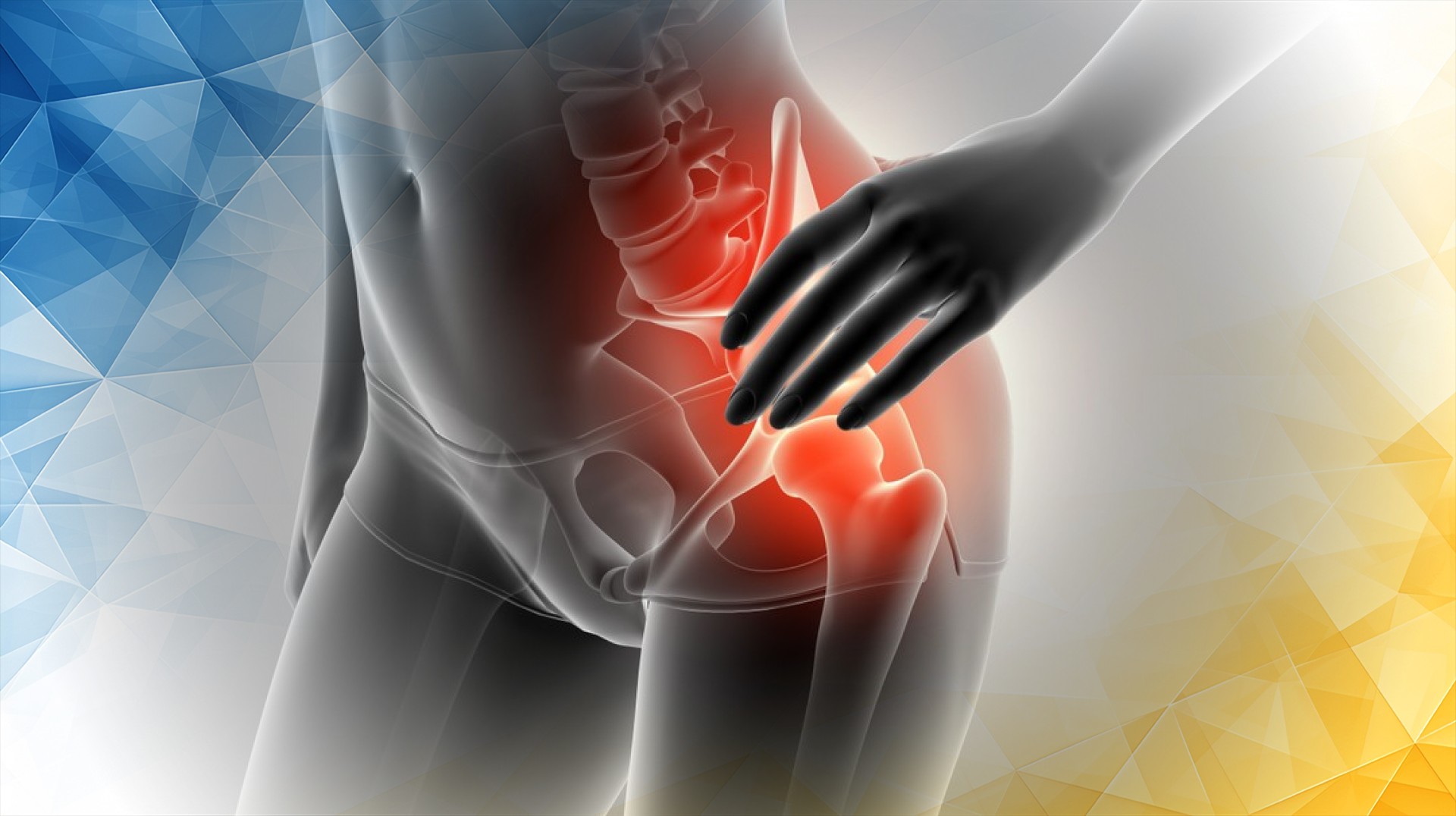

Pelvic girdle pain and hip pain often show up together, but the connection between them is not always obvious. The pelvic girdle is the ring of bones and joints that links your spine to your legs, and pain in this area usually stems from instability or misalignment. Hip pain may come from the joint itself or the surrounding muscles and soft tissues. Understanding how problems in the pelvis can lead to hip pain is essential for healthcare professionals to diagnose and treat these conditions effectively. In this article, we’ll break down how these two regions interact and what this means for managing pain in everyday life.
Think of your pelvis as the central bridge between your upper body and legs, responsible for both support and movement. When the pelvis is misaligned—because of joint problems or muscular imbalances—it disrupts how your hips move and bear weight. This imbalance can force your body to compensate, placing extra stress on the hip joint and sometimes causing pain.
For instance, if the pelvis tilts forward too much or twists to one side, it changes how the thigh bone meets the hip socket . Over time, this abnormal angle can lead to extra wear and tear, muscle strain , or even injury. Research consistently shows that poor pelvic alignment plays a major role in many chronic hip pain cases. That’s why assessing pelvic posture is crucial when evaluating hip issues. Proper stabilization of the pelvic girdle is essential for healthy movement and injury prevention (Bussey, 2015). Additionally, studies have found that most women with pregnancy-related pelvic girdle pain recover well, but those with persistent pain months after delivery may need extra attention (van de Pol et al., 2007).
Identifying the exact source of pelvic and hip pain can be a challenge because the symptoms frequently overlap. Healthcare providers often begin with a hands-on physical exam—checking for tenderness, joint movement , and pain during specific motions.
Imaging exams like X-rays or MRIs can help spot some structural issues, but they don’t always capture the full picture. For example, someone may have a visible pelvic tilt on an X-ray but feel no discomfort, while someone else could experience pain without obvious imaging findings. This is why doctors rely on a combination of physical tests and scans to get a thorough understanding. Following a detailed, step-by-step approach is key to determining whether the pain originates from the hip, pelvis , or a combination of both. Attention to psychosocial factors, such as mood or stress, is also important, especially for women with ongoing pelvic girdle pain after childbirth (van de Pol et al., 2007).
Knowing how the pelvis and hips work together leads to better, more targeted treatment plans. Rehabilitation typically focuses on strengthening the core and pelvic muscles to restore stability and correct movement patterns. Manual therapy may be used to realign joints, and advice on posture or everyday habits helps patients avoid aggravating their pain.
Evidence shows that addressing pelvic alignment not only relieves hip pain but also improves overall function. When the pelvic support system is weak or misaligned, the body compensates with poor posture and muscle overuse (Bussey, 2015). That’s why long-term management often includes education on ergonomics and exercises for good posture . By combining biomechanical insights with practical strategies, healthcare providers can help patients gain lasting relief and move with greater comfort and confidence.
Ultimately, understanding the impact of pelvic girdle dysfunction on hip mechanics is key to making accurate diagnoses and providing effective treatments. When healthcare professionals recognize these biomechanical connections, they can focus on addressing the root causes of pain—not just the symptoms.
Ongoing research and improvements in clinical practice continue to enhance care for people with pelvic and hip pain . Taking a comprehensive biomechanical approach benefits both clinicians and patients, leading to lasting pain relief and a better quality of life.
Bertuit, J., Van Lint, C. E., Rooze, M., & Feipel, V. (2017). Pregnancy and pelvic girdle pain: Analysis of pelvic belt on pain. Journal of Clinical Nursing, 27(1-2). https://doi.org/10.1111/jocn.13888
Bussey, M. D. (2015). Mechanics of pelvic girdle stability and self-bracing in SIJ-related pelvic girdle pain: a review. Physical Therapy Reviews, 20(3), 168-177.
van de Pol, G., van Brummen, H. J., Bruinse, H. W., Heintz, A. P. M., & van der Vaart, C. H. (2007). Pregnancy‐related pelvic girdle pain in the Netherlands. Acta Obstetricia Et Gynecologica Scandinavica, 86(4), 416-422. https://doi.org/10.1080/00016340601151683
The London Cartilage Clinic stands out due to its focus on biomechanical assessment and tailored rehabilitation. Utilising advanced diagnostic techniques, our team, led by the experienced Prof Lee, offers targeted therapies that prioritise long-term improvement and functional recovery for patients with complex pelvic and hip pain issues.
Prof Lee is renowned for his expertise in complex musculoskeletal conditions. By integrating deep knowledge of pelvic and hip biomechanics, he creates individualised treatment plans. His experience ensures that each patient receives comprehensive care designed to address root causes, helping achieve improved function and quality of life.
Patients at London Cartilage Clinic begin with a detailed evaluation, including a physical examination and relevant imaging if needed. Prof Lee’s thorough approach ensures all contributing factors are explored. This careful assessment helps to form a holistic understanding, enabling the development of an effective, personalised management strategy.
The clinic provides a range of non-surgical options, including manual therapy, targeted rehabilitation, and advice on posture and movement. Prof Lee and his team focus on restoring pelvic alignment and improving muscle strength for lasting relief. Every plan is tailored to each patient’s unique condition and lifestyle.
Correct pelvic alignment is vital for balanced movement and weight distribution. Without it, the body compensates, leading to ongoing pain or dysfunction. London Cartilage Clinic’s holistic, biomechanically-informed approach—guided by Prof Lee—aims to resolve root problems and promote sustainable comfort, mobility, and confidence in daily activities.
All our treatments are selected to help patients achieve the best possible outcomes and return to the quality of life they deserve. Get in touch if you have any questions.
At London Cartilage Clinic, we are constantly staying up-to-date on the latest treatment options for knee injuries and ongoing knee health issues. As a result, our patients have access to the best equipment, techniques, and expertise in the field, whether it’s for cartilage repair, regeneration, or replacement.
For the best in patient care and cartilage knowledge, contact London Cartilage Clinic today.
At London Cartilage Clinic, our team has spent years gaining an in-depth understanding of human biology and the skills necessary to provide a wide range of cartilage treatments. It’s our mission to administer comprehensive care through innovative solutions targeted at key areas, including cartilage injuries. During an initial consultation, one of our medical professionals will establish which path forward is best for you.
Contact us if you have any questions about the various treatment methods on offer.
Legal & Medical Disclaimer
This article is written by an independent contributor and reflects their own views and experience, not necessarily those of londoncartilage.com. It is provided for general information and education only and does not constitute medical advice, diagnosis, or treatment.
Always seek personalised advice from a qualified healthcare professional before making decisions about your health. londoncartilage.com accepts no responsibility for errors, omissions, third-party content, or any loss, damage, or injury arising from reliance on this material. If you believe this article contains inaccurate or infringing content, please contact us at [email protected].