 Cartilage
 Knees
Knees Hip
Hip Shoulder
Hydrogel Scaffolds Transforming Cartilage Regeneration
05/03/26


Cartilage damage is a common and challenging issue, especially for active people and older adults who depend on healthy joints to stay mobile and live life fully. Unlike many other tissues, cartilage struggles to heal itself, often leading to ongoing pain, stiffness, and limited movement. Restoring healthy cartilage is therefore crucial — not just to ease discomfort but also to protect joints from further damage.
One exciting advancement in this field is ChondroFiller, a novel treatment that promotes the body’s natural ability to regenerate cartilage. Rather than conventional repair methods, ChondroFiller works by supporting the body’s own healing powers. Professor Paul Lee, a leading expert in orthopaedics and rehabilitation, has been closely involved in developing modern cartilage treatments. This article will explain how ChondroFiller encourages new cartilage growth and why this is important for anyone seeking better joint health.
Healthy cartilage is mostly made up of type II collagen, which forms a strong yet flexible network. This collagen matrix helps joints absorb shocks and move smoothly without pain. When cartilage is damaged, this structure breaks down, and because cartilage has little natural repair ability, healing is limited.
ChondroFiller works by creating a collagen-based scaffold that closely resembles this natural cartilage matrix. Think of it as a supportive framework inside the joint that encourages the body’s own cells to move in and start repairing the damaged area. Unlike some treatments that merely cover up defects, ChondroFiller helps rebuild cartilage by guiding natural cell growth.
Its design mimics the body’s own collagen, which improves how well it fits with existing tissue and encourages the formation of new, durable type II collagen. Research has found that “ChondroFillerliquid shows the most pronounced viscous effects,” providing valuable insight into how it behaves on a microscopic level (Weizel et al., 2020).
Traditional cartilage repair techniques include microfracture surgery, autologous chondrocyte implantation, and cartilage grafts. Microfracture surgery, for example, involves making small holes in the bone to stimulate healing, but often leads to the growth of fibrocartilage, which is less tough than natural cartilage. These methods can also involve multiple surgeries and lengthy recovery times.
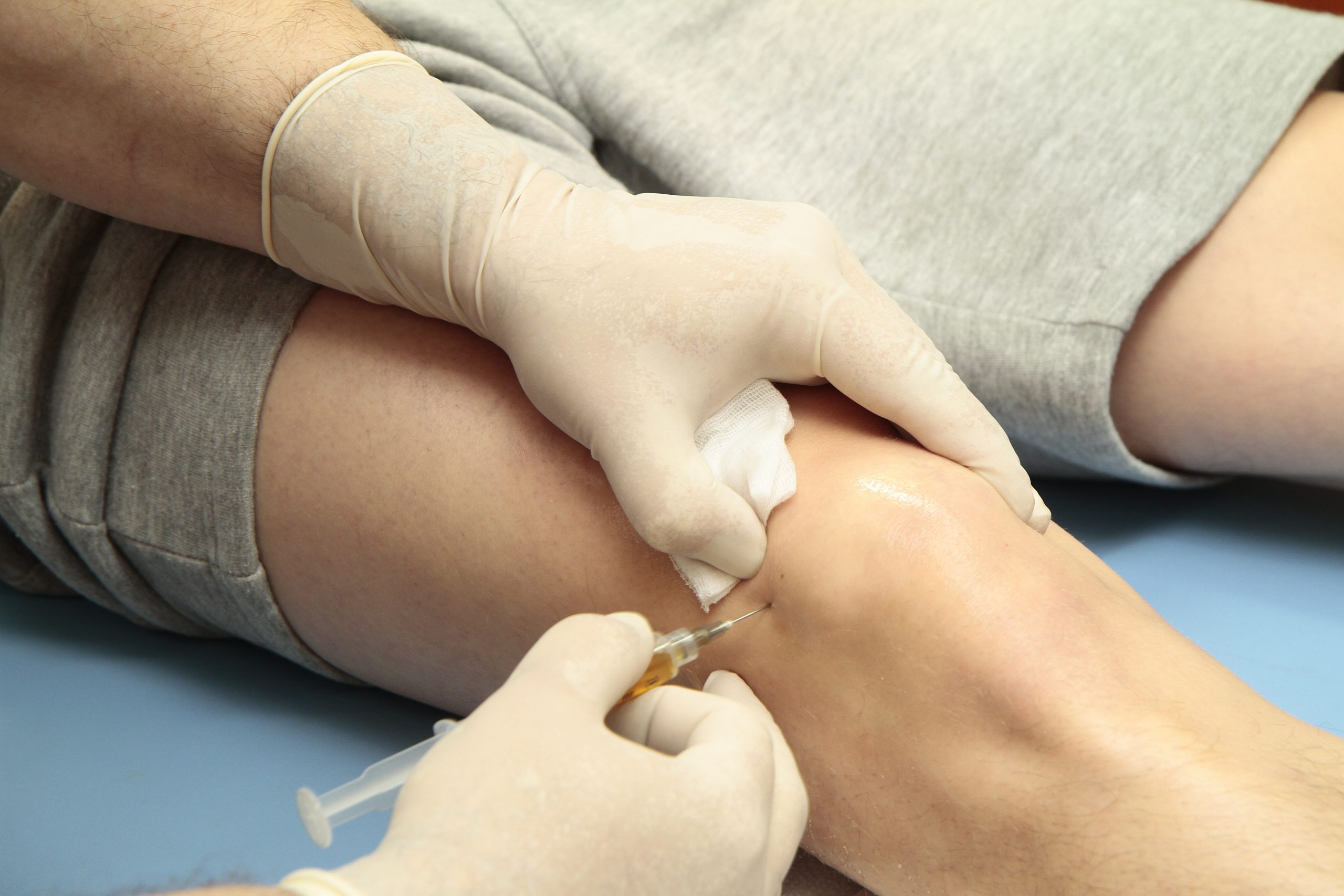
In contrast, ChondroFiller offers a minimally invasive treatment, usually completed in a single procedure. This means shorter recovery periods and less disruption to daily life. By encouraging the patient’s own cells to regenerate cartilage within its collagen scaffold, ChondroFiller overcomes some of the downsides of older methods, such as reliance on donor tissue and more invasive surgery.
The London Cartilage Clinic is at the forefront of integrating innovative treatments like ChondroFiller, providing expert care and the latest medical advancements. Studies have highlighted that “ChondroFillerliquid…constitutes a bi-phasic structure, where the 60% nonfibrillar hydrogel proportion dominates the mechanical response” (Weizel et al., 2020), demonstrating the scientific strength behind this treatment.
Patients treated with ChondroFiller have reported clear benefits. In one retrospective study, “About 80% of the patients indicated good or very good results and would have the operation done again” (Breil-Wirth et al., 2016). The treatment was also safe, with “no complications” and no worsening of symptoms reported (Breil-Wirth et al., 2016).
A controlled prospective study further confirmed these positive outcomes: “The mean IKDC patient values in the CF-group after 3rd and 6th months were significantly improved from the preoperative values (p<0.05). This improvement remained up to one year follow-up” (Schneider, 2016). MRI scans showed that “The implant shows a perfect integration to the adjacent cartilage right from the beginning and by time an impressive maturation of the reconstructed cartilage” (Schneider, 2016).
While ChondroFiller is not a miracle cure for every cartilage problem, it tends to be most effective for moderate damage in a range of patients. Success depends on factors like the size and location of the cartilage defect and the individual’s overall health.
Throughout the treatment process, patients receive expert support, often from specialists like Professor Paul Lee, who customise care to individual needs. It’s always advisable to consult with a qualified healthcare professional to see if ChondroFiller is right for you.
ChondroFiller represents a promising step forward in orthopaedic care by combining innovative science with clinical expertise to stimulate natural cartilage regeneration. The work of experts such as Professor Paul Lee, along with leading centres like the London Cartilage Clinic, highlights how new treatments are helping patients regain joint health more effectively.
As research continues, those interested in ChondroFiller should consult healthcare professionals for personalised advice and to explore their treatment options safely.
For individual medical advice, please speak with a qualified healthcare professional.
ChondroFiller is a minimally invasive treatment that promotes natural cartilage regeneration. Unlike older methods, it often requires only one procedure. The London Cartilage Clinic, led by Professor Paul Lee, excels in delivering this advanced care to patients seeking better joint health.
Professor Paul Lee is a renowned cartilage expert and surgical ambassador, bringing extensive experience to the clinic. His personalised care and deep knowledge in developing modern cartilage treatments ensure patients receive the latest and most effective solutions for joint damage.
ChondroFiller tends to be most effective for moderate cartilage damage. Individual outcomes depend on various factors, including defect size and the patient’s overall health. Assessment by Professor Lee at the London Cartilage Clinic ensures tailored treatment advice suited to your specific needs.
Studies report that most patients experience very positive outcomes with improved joint function after ChondroFiller treatment. Significant benefits, including no reported complications, were seen with support from specialists like Professor Paul Lee at the London Cartilage Clinic.
The London Cartilage Clinic combines advanced technology with Professor Paul Lee’s internationally recognised expertise in cartilage care. Patients benefit from bespoke support, access to innovative treatments, and comprehensive follow-up, making it a leading centre for joint health restoration.
All our treatments are selected to help patients achieve the best possible outcomes and return to the quality of life they deserve. Get in touch if you have any questions.
At London Cartilage Clinic, we are constantly staying up-to-date on the latest treatment options for knee injuries and ongoing knee health issues. As a result, our patients have access to the best equipment, techniques, and expertise in the field, whether it’s for cartilage repair, regeneration, or replacement.
For the best in patient care and cartilage knowledge, contact London Cartilage Clinic today.
At London Cartilage Clinic, our team has spent years gaining an in-depth understanding of human biology and the skills necessary to provide a wide range of cartilage treatments. It’s our mission to administer comprehensive care through innovative solutions targeted at key areas, including cartilage injuries. During an initial consultation, one of our medical professionals will establish which path forward is best for you.
Contact us if you have any questions about the various treatment methods on offer.
Legal & Medical Disclaimer
This article is written by an independent contributor and reflects their own views and experience, not necessarily those of londoncartilage.com. It is provided for general information and education only and does not constitute medical advice, diagnosis, or treatment.
Always seek personalised advice from a qualified healthcare professional before making decisions about your health. londoncartilage.com accepts no responsibility for errors, omissions, third-party content, or any loss, damage, or injury arising from reliance on this material. If you believe this article contains inaccurate or infringing content, please contact us at [email protected].