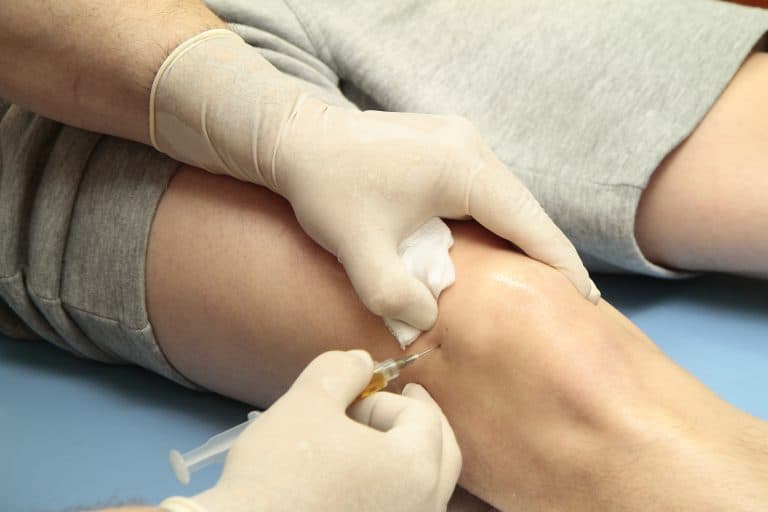



Cingal cartilage injections are becoming an increasingly popular treatment for patients suffering from knee osteoarthritis and other joint issues that impact cartilage health. At the London Cartilage Clinic, we understand the importance of exploring non-surgical options that can provide significant relief and improve the quality of life for our patients. This article aims to demystify Cingal injections, detailing what patients can expect in terms of procedure, recovery, and outcomes.
Understanding Cingal Cartilage Injections
Cingal is a cutting-edge treatment that combines hyaluronic acid with a corticosteroid to address joint pain and inflammation directly. Hyaluronic acid is a natural substance found in the body that lubricates and cushions the joints, while corticosteroids provide fast-acting relief from swelling and discomfort. This dual-action formula is designed to offer both immediate and sustained relief from joint pain.
How the Injection Works
The procedure involves a single injection into the affected joint, where Cingal works to restore the natural balance of hyaluronic acid, improving joint lubrication and reducing friction. The corticosteroid component quickly reduces inflammation, offering rapid pain relief.
After the Injection: What to Expect
Immediate Aftercare
Patients may experience mild soreness or swelling at the injection site, which typically subsides within a few days. It's generally advised to rest the joint and avoid strenuous activities for 24-48 hours post-injection to allow the treatment to settle.
Recovery Time
Most individuals can resume their daily activities shortly after the procedure, with no significant downtime required. Any discomfort from the injection itself is usually minimal and manageable.
Time Taken for the Injection to Be Effective
The corticosteroid component of Cingal provides relief from pain and inflammation often within a few days of the injection. The hyaluronic acid's lubricating effects build over time, with many patients reporting gradual improvements in joint movement and comfort over the following weeks.
Potential Side Effects
While Cingal injections are generally safe and well-tolerated, as with any injection, there's a small risk of side effects such as:
- Temporary injection site pain
- Swelling or bruising
- Stiffness in the joint These symptoms are usually mild and resolve on their own. Serious side effects are rare but should be discussed with your healthcare provider.
Who Will Benefit from Cingal Treatment?
Cingal is particularly suited for patients with knee osteoarthritis looking for relief from joint pain and inflammation. It may also be beneficial for those with other joint issues where lubrication and inflammation are contributing factors to their discomfort.
Other Important Information
- Duration of Relief: The effects of a Cingal injection can last for up to six months, varying from person to person.
- Repeat Injections: If beneficial, repeat treatments are possible. It's important to discuss the timing and frequency of repeat injections with your doctor.
- Complementary Therapies: Combining Cingal injections with physical therapy and lifestyle adjustments can enhance overall outcomes and joint health.
In conclusion, Cingal cartilage injections offer a promising option for those suffering from joint pain due to osteoarthritis and similar conditions. With minimal downtime and the potential for significant symptom relief, this treatment aligns with our commitment to providing advanced, patient-centred care. For more information or to discuss if Cingal might be right for you, contact our team at the London Cartilage Clinic. Book a Consultation
Frequently Asked Questions
- Light exercise is often encouraged a few days post-injection, but high-impact activities should be avoided for at least two weeks.
- The injection may cause brief discomfort, but the procedure is quick, and any pain is typically short-lived.
- While Cingal cannot cure osteoarthritis, it can significantly reduce symptoms and improve joint function.
- Many patients experience relief with just one injection, although treatment plans can vary based on individual needs.
- It's advised to avoid strenuous activities for a short period post-injection to ensure the best outcome.
- Most patients can continue their normal routine without needing significant time off work.
Legal & Medical Disclaimer
This article is written by an independent contributor and reflects their own views and experience, not necessarily those of London Cartilage Clinic. It is provided for general information and education only and does not constitute medical advice, diagnosis, or treatment.
Always seek personalised advice from a qualified healthcare professional before making decisions about your health. London Cartilage Clinic accepts no responsibility for errors, omissions, third-party content, or any loss, damage, or injury arising from reliance on this material.
If you believe this article contains inaccurate or infringing content, please contact us at [email protected].
London Cartilage Clinic
Modern treatments, designed for lasting knee outcomes
Every treatment plan is selected to help you return to the quality of life you deserve. Our team combines up-to-date techniques with consultant-led decision making across cartilage repair, regeneration and replacement.
What your journey can look like
Step 01
Consultant-Led Assessment
Symptoms, imaging and goals reviewed in one structured appointment.
Step 02
Personalised Treatment Plan
A clear route chosen from repair, regeneration or replacement options.
Step 03
Precision Delivery
Modern techniques and specialist equipment matched to your diagnosis.
Step 04
Long-Term Knee Health
Follow-up guidance focused on durable function and quality of life.
Will the Arthrosamid work for me
PAAG-8+ Questionnaire
A bright, structured entry point for patients exploring Arthrosamid. The questionnaire helps frame suitability, expectations, and 24-month clinical benefit discussion before a fuller consultant-led review.
Designed for shared decision-making. It does not replace specialist consultation, examination, imaging review, or formal medical advice.