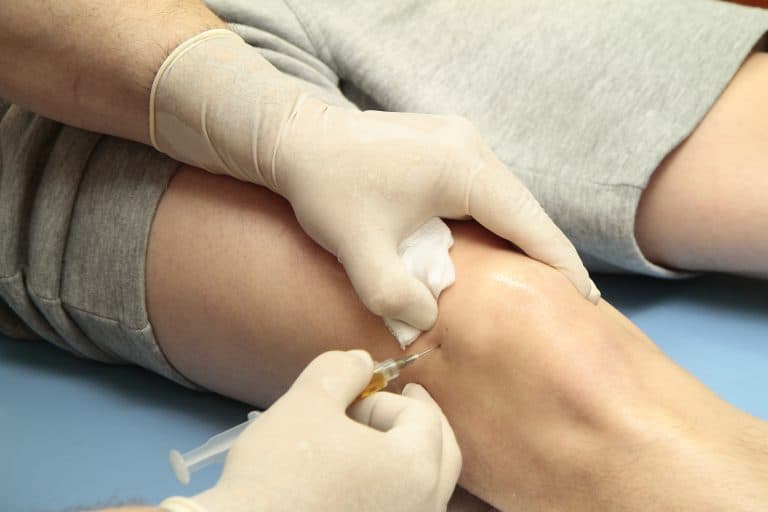



Understanding Knee Pain and Its Impact
Knee pain affects people of all ages and can turn even simple daily tasks into a challenge. Whether the cause is an injury , arthritis, or general wear and tear, persistent knee discomfort can limit your mobility and reduce your quality of life. Fortunately, targeted physiotherapy exercises provide a proven path to relief, helping you regain strength, flexibility, and confidence. By learning how physiotherapy can address the root causes of your knee pain , you can take an active role in your recovery.
What Causes Knee Pain?
Knee pain can stem from many sources. It may be the result of an injury , overuse, arthritis, or inflammation. Inflammation, the body’s natural response to injury, is a major contributor that can amplify discomfort and hinder movement . For example, carrying excess body weight has been shown to increase joint inflammation , making pain worse and recovery slower. In addition, muscle imbalances or hormonal differences may explain why some people—such as women or new runners—are more prone to knee issues .
Research supports these connections. A 2017 study found that inflammatory markers in the blood were higher in people with knee osteoarthritis compared to healthy controls, confirming a strong link between inflammation and knee pain . Young athletes between ages 15 and 20 are particularly at risk, with flexibility and overuse being common contributing factors. Another recent study describes knee osteoarthritis as a degenerative inflammatory disease marked by cartilage loss and ongoing pain, further highlighting the importance of effective management.
Free non-medical discussion
Not sure what to do next?
Information only · No medical advice or diagnosis.
How Physiotherapy Helps Knee Pain
Physiotherapy takes a holistic approach to knee pain , focusing on strengthening muscles, improving stability, and reducing inflammation. Techniques like neuromuscular taping can offer extra support to the knee , while specific exercises—such as wall slides—are designed to rebuild strength and flexibility in key muscle groups. These targeted exercises are especially valuable after surgeries like ACL reconstruction , and can be continued at home for ongoing progress.
Physiotherapists tailor each exercise program to your unique needs, helping you move safely and efficiently. Evidence shows that personalized physiotherapy not only reduces pain, but also enhances muscle function and speeds up recovery. For some, additional treatments such as Class IV laser therapy have shown promise in further alleviating pain and inflammation linked to knee osteoarthritis .

The Benefits of Combining Supervised and Home Exercises
Combining sessions with a physiotherapist and a home exercise plan delivers the best results. In the clinic, a physiotherapist ensures you perform each movement correctly and safely, making adjustments as you improve. At home, maintaining a consistent exercise routine accelerates your progress and keeps you motivated.
Research confirms that structured exercise programs—focusing on both strength and mobility—can improve joint stability, reduce swelling, and enhance range of motion. Tools like printable guides or online videos can help you follow along safely at home, making it easier to stick to your plan. Regular physical activity, combined with expert guidance, is not only effective for recovery but also an important strategy for injury prevention . Studies show that targeting both pain and inflammation through comprehensive physiotherapy leads to significant improvements in comfort and function for people with knee osteoarthritis .
Looking Ahead: Taking Control of Your Knee Health
Chronic knee pain doesn’t have to define your daily life. With a customized physiotherapy plan that combines professional guidance and consistent, targeted exercises, you can ease your pain and restore your mobility. Advances in physiotherapy are bringing even more promising options for recovery. If you’re dealing with knee pain , your first step should be reaching out to a qualified physiotherapist who can design a safe, effective plan just for you. With the right approach and commitment, you can take steady steps toward feeling stronger, more active, and pain-free every day.
References
Malathi, R. (2017). Raised serum IL 6 and CRP in Radiographic Knee Osteoarthritis in Eastern India. Journal of Medical Science and Clinical Research, 05(05), 21687-21692. https://doi.org/10.18535/jmscr/v5i5.73
Afridi, S., Isilam, M. R., Akter, N., Hassan, M. R., Nobi, M. G., Meem, J. T., & Rahman, M. M. (2023). Knee pain among athletes influenced by several factors at Bangladesh. Moj Sports Medicine, 6(2), 83-86. https://doi.org/10.15406/mojsm.2023.06.00145
Anupma, Sethi, J., & Aggrawal, R. (2024). Management of pain and inflammation in knee osteoarthritis using Class IV LASER: An experimental study. Journal of Clinical and Diagnostic Research, . https://doi.org/10.7860/jcdr/2024/75582.20084
Frequently Asked Questions
- London Cartilage Clinic stands out by offering state-of-the-art physiotherapy and advanced treatments tailored to your specific needs. Led by Prof Lee, whose expertise in knee conditions and cartilage repair is widely recognised, the clinic is committed to helping patients rediscover mobility and comfort through modern, evidence-based approaches.
- Prof Lee has years of specialised experience addressing knee pain, injuries, and osteoarthritis. His clinical leadership ensures that each patient receives a personalised and effective treatment plan. By integrating the latest research with compassionate care, Prof Lee promotes trustworthy pathways to recovery for every individual.
- At London Cartilage Clinic, patients have access to holistic physiotherapy approaches, including neuromuscular taping and structured strength exercises. Each programme is customised to improve stability, reduce inflammation, and rebuild muscle function, supporting recovery from both routine discomfort and specific injuries under professional supervision.
- Combining supervised sessions with home exercises ensures movements are performed safely and correctly, accelerating recovery. This approach, championed by London Cartilage Clinic, offers ongoing motivation and adaptation of routines, providing the best chance for improved mobility and reduced pain through consistent, tailored guidance from experts like Prof Lee.
- To start your recovery, contact London Cartilage Clinic for an initial assessment with Prof Lee. This will allow the development of a bespoke physiotherapy plan designed around your individual goals and challenges. The clinic provides expert support every step of the way, helping you regain strength and confidence.
Legal & Medical Disclaimer
This article is written by an independent contributor and reflects their own views and experience, not necessarily those of London Cartilage Clinic. It is provided for general information and education only and does not constitute medical advice, diagnosis, or treatment.
Always seek personalised advice from a qualified healthcare professional before making decisions about your health. London Cartilage Clinic accepts no responsibility for errors, omissions, third-party content, or any loss, damage, or injury arising from reliance on this material.
If you believe this article contains inaccurate or infringing content, please contact us at [email protected].
London Cartilage Clinic
Modern treatments, designed for lasting knee outcomes
Every treatment plan is selected to help you return to the quality of life you deserve. Our team combines up-to-date techniques with consultant-led decision making across cartilage repair, regeneration and replacement.
What your journey can look like
Step 01
Consultant-Led Assessment
Symptoms, imaging and goals reviewed in one structured appointment.
Step 02
Personalised Treatment Plan
A clear route chosen from repair, regeneration or replacement options.
Step 03
Precision Delivery
Modern techniques and specialist equipment matched to your diagnosis.
Step 04
Long-Term Knee Health
Follow-up guidance focused on durable function and quality of life.
Will the Arthrosamid work for me
PAAG-8+ Questionnaire
A bright, structured entry point for patients exploring Arthrosamid. The questionnaire helps frame suitability, expectations, and 24-month clinical benefit discussion before a fuller consultant-led review.
Designed for shared decision-making. It does not replace specialist consultation, examination, imaging review, or formal medical advice.