 Cartilage
 Knees
Knees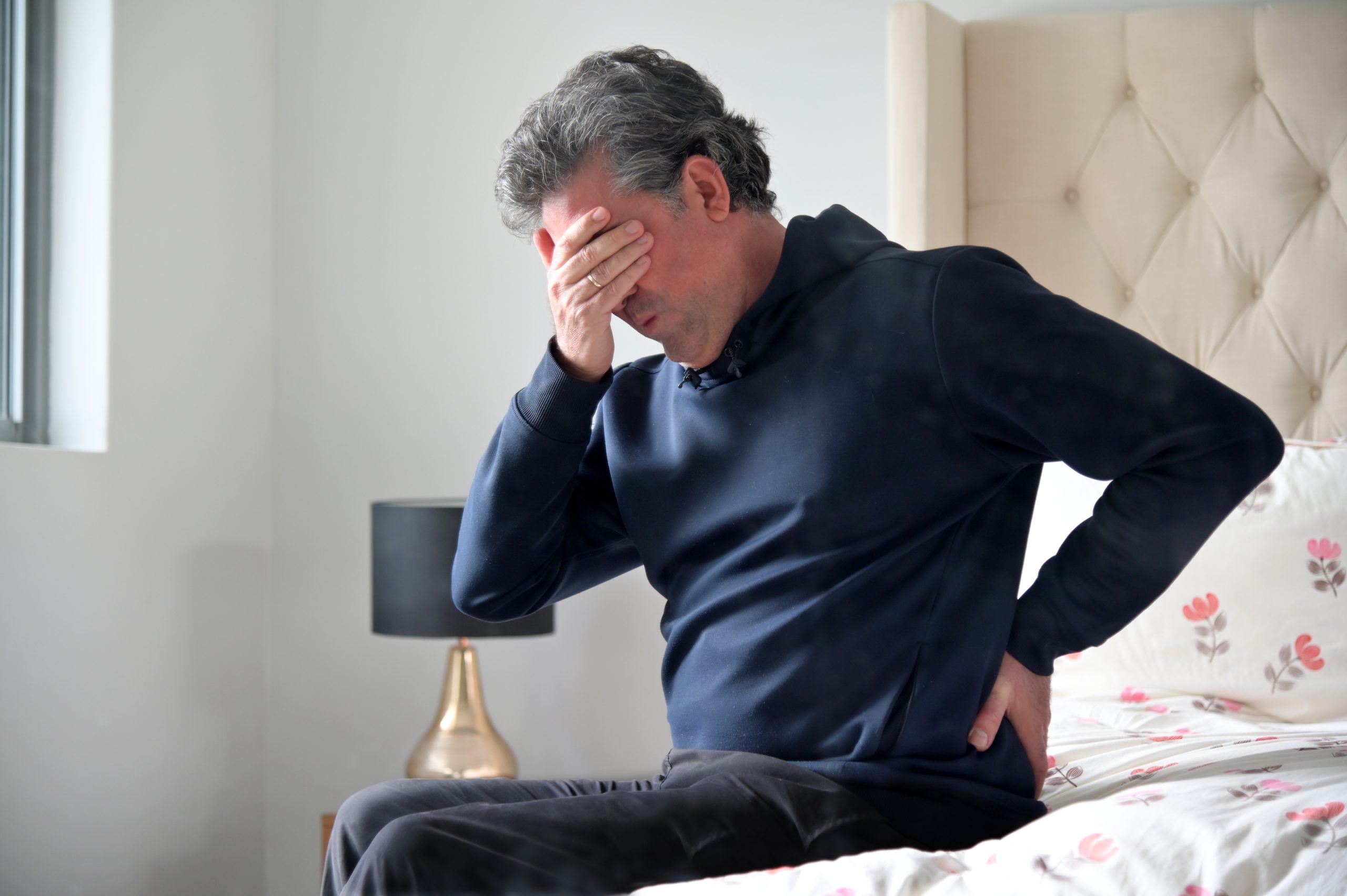 Hip
Hip Shoulder
ChondroFiller safety and patient suitability for cartilage repair
01/03/26


Many women experience groin pain at some point, often caused by minor injuries or everyday strains such as exercise or an awkward movement. This discomfort can be frustrating and disrupt daily life, so finding safe and effective home treatments is essential. In this article, we’ll share straightforward, evidence-based advice on how to relieve groin pain in women, along with practical tips and guidance on when it’s important to seek medical help. Our goal is to empower you to manage mild groin pain confidently and responsibly.
Groin pain in women is frequently caused by muscle strains, overuse, or minor injuries affecting the muscles, tendons, or ligaments in the inner thigh or pelvic area. These injuries often happen during physical activity or sudden movements. While less common, other causes might involve hip joint problems or nerve irritation, but these tend to be more serious and less typical in mild cases. Symptoms usually include tenderness, slight swelling, and discomfort when moving or applying pressure. As Zuckerbraun and colleagues (2020) explain, “routine physical examination often only reveals groin tenderness, and imaging may or may not have abnormalities,” which means symptoms can sometimes be vague or challenging to diagnose. Recognising the common signs of mild groin pain is the first step towards effective home care.
Managing groin pain at home is generally safe when the discomfort is mild to moderate, there’s no severe swelling, and walking remains possible without intense pain. However, it’s crucial to recognise when professional medical advice is needed. Warning signs include being unable to bear weight, severe swelling or bruising, pain that worsens or does not improve after a few days, or unusual symptoms such as numbness, weakness, or fever. Zuckerbraun et al. (2020) point out that “the differential diagnoses and workup of groin pain is confounding to many practitioners,” emphasising the importance of consulting a healthcare professional if symptoms are persistent or unusual. Listening to your body and monitoring symptoms carefully helps ensure safe and responsible self-care.
If your symptoms fit a mild injury and you don’t have any warning signs, you can try the following home remedies to support your recovery:
Additionally, adapt your exercise routine to avoid worsening the injury. For example, replace high-impact activities with low-impact ones such as swimming or walking once you feel ready. These groin pain relief tips can help ensure your healing process is both safe and effective.
Keeping an eye on your recovery helps you understand how your injury is healing. Try keeping a simple diary of pain levels, what activities you do, and how these affect your symptoms. Most minor groin injuries improve steadily within two to four weeks when managed properly. If progress stalls, pain worsens, or symptoms return after some improvement, it’s important to seek professional advice. Remember, healing takes time and patience. By tracking your symptoms and taking consistent care, you’ll be giving your groin the best chance to recover.
If your groin pain does not improve or is more complex, professional help is available. Professor Paul Lee, an expert in orthopaedics and rehabilitation, leads the London Cartilage Clinic, where patients receive thorough assessment and tailored treatment for musculoskeletal problems, including groin pain. Knowing that expert care is accessible can offer reassurance and support when home remedies aren’t enough.
In summary, most mild groin pain in women can be successfully managed at home with rest, ice, gentle stretching, and appropriate pain relief, alongside careful monitoring of symptoms. However, recognising when to seek medical advice is vital for a safe and full recovery. With these practical steps, you can confidently take control of your groin pain and support your body’s healing process.
For individual medical advice, please consult a qualified healthcare professional.
Zuckerbraun, B. S., Cyr, A. R., & Mauro, C. S. (2020). Groin Pain Syndrome Known as Sports Hernia. JAMA Surgery, 155(4), 340. https://doi.org/10.1001/jamasurg.2019.5863
Most groin pain in women is due to muscle strains or minor injuries from daily activities. However, if your pain is severe, persistent, or accompanied by unusual symptoms, it is important to seek medical advice promptly from a specialist.
You can rest, apply ice, try gentle stretching, and use over-the-counter pain relief. Always listen to your body and avoid activities that worsen symptoms. If pain continues or worsens, consult a healthcare professional, such as the team at London Cartilage Clinic.
Professor Paul Lee is a leading cartilage expert and surgical ambassador. At London Cartilage Clinic, he provides thorough assessment and individualised care, using his extensive experience in orthopaedics to address complex musculoskeletal conditions and support patients’ recovery journeys.
London Cartilage Clinic combines expert evaluation, advanced diagnostic methods, and personalised treatment plans led by Professor Paul Lee. Patients benefit from Professor Lee’s Royal College of Surgeons credentials and his commitment to evidence-based musculoskeletal care, ensuring high standards of treatment.
If home remedies do not improve your symptoms, or if you experience severe pain, swelling, or unusual symptoms, consult a clinic like London Cartilage Clinic. Early expert assessment gives you the best chance of effective and tailored recovery support.
All our treatments are selected to help patients achieve the best possible outcomes and return to the quality of life they deserve. Get in touch if you have any questions.
At London Cartilage Clinic, we are constantly staying up-to-date on the latest treatment options for knee injuries and ongoing knee health issues. As a result, our patients have access to the best equipment, techniques, and expertise in the field, whether it’s for cartilage repair, regeneration, or replacement.
For the best in patient care and cartilage knowledge, contact London Cartilage Clinic today.
At London Cartilage Clinic, our team has spent years gaining an in-depth understanding of human biology and the skills necessary to provide a wide range of cartilage treatments. It’s our mission to administer comprehensive care through innovative solutions targeted at key areas, including cartilage injuries. During an initial consultation, one of our medical professionals will establish which path forward is best for you.
Contact us if you have any questions about the various treatment methods on offer.
Legal & Medical Disclaimer
This article is written by an independent contributor and reflects their own views and experience, not necessarily those of londoncartilage.com. It is provided for general information and education only and does not constitute medical advice, diagnosis, or treatment.
Always seek personalised advice from a qualified healthcare professional before making decisions about your health. londoncartilage.com accepts no responsibility for errors, omissions, third-party content, or any loss, damage, or injury arising from reliance on this material. If you believe this article contains inaccurate or infringing content, please contact us at [email protected].