 Cartilage
 Knees
Knees Hip
Hip Shoulder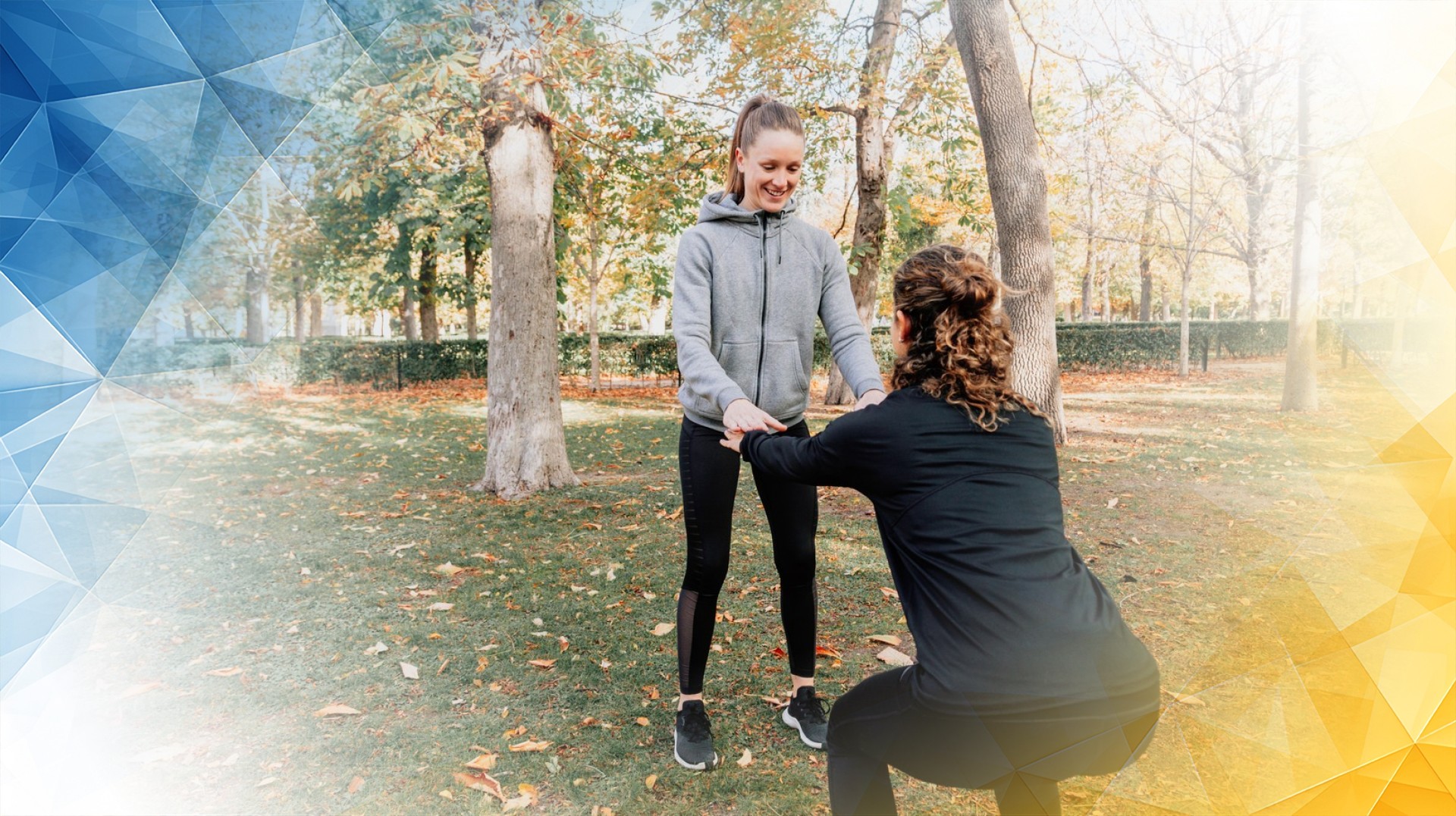
Arthrosamid Injections and Physiotherapy for Knee Osteoarthritis Relief
11/03/26
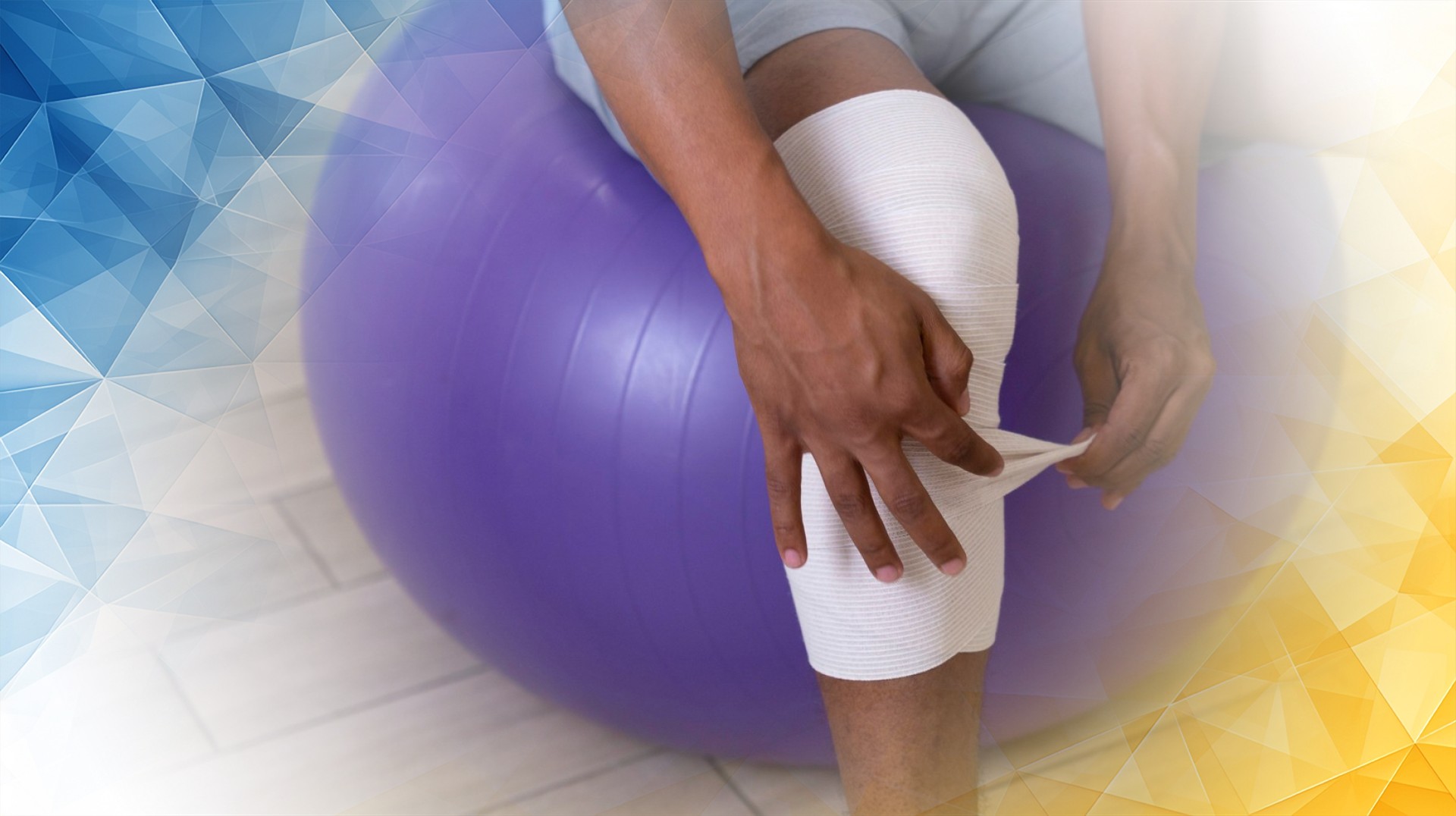

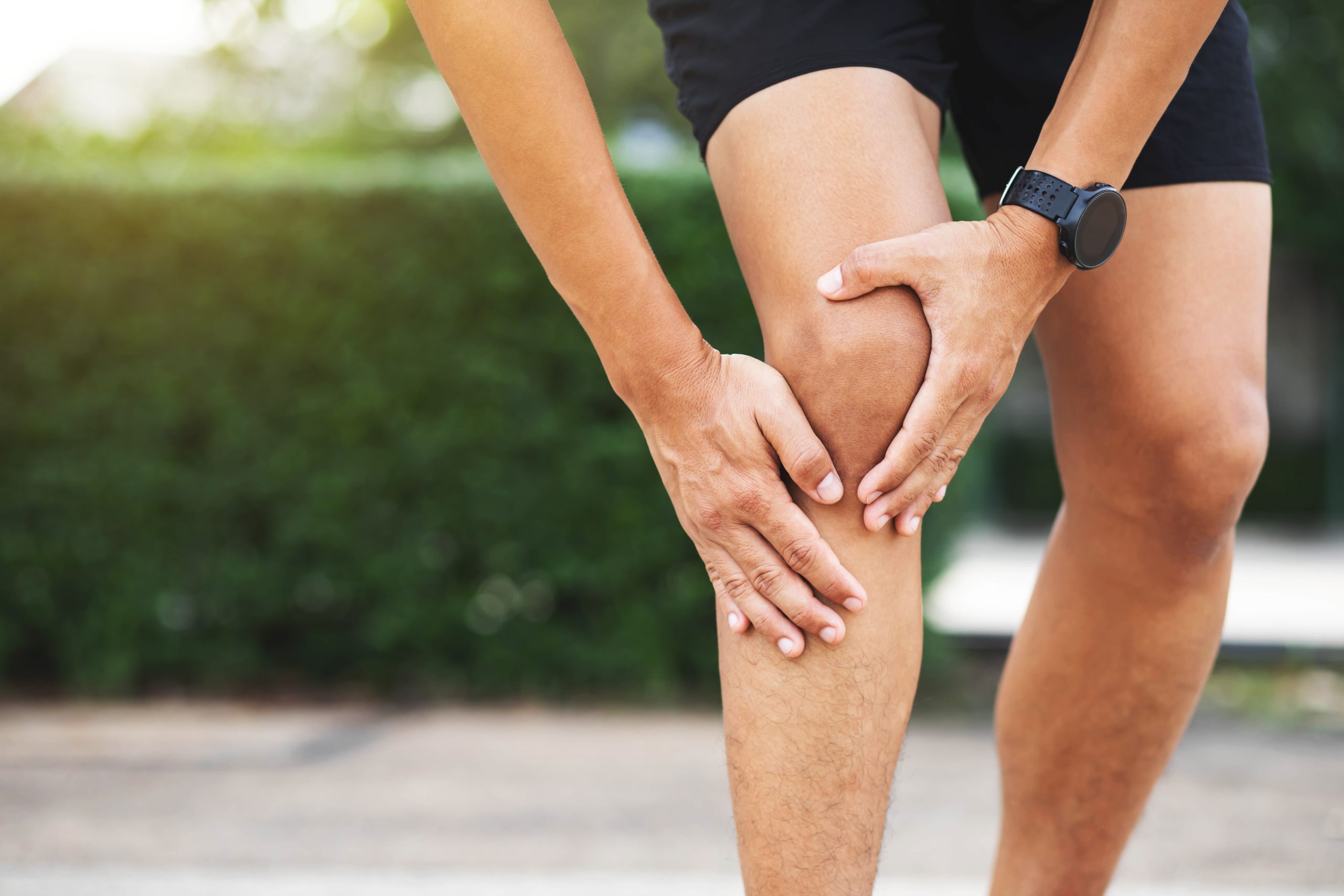
Anterior cruciate ligament (ACL) injuries are common in sports and can lead to pain, swelling, and limited movement. A partial ACL tear means the ligament is damaged but not completely torn, unlike a full rupture. The good news is that many partial tears can heal without surgery. In this article, we’ll explain what to expect from non-surgical treatment, how long recovery may take, and the rehabilitation steps that can help you safely return to your favorite activities—all based on current research.
Non-surgical, or conservative, treatment focuses on helping your knee heal naturally while maintaining strength and stability. This approach usually includes a guided physical therapy program, careful activity modifications to protect the knee, and exercises to strengthen the muscles surrounding the joint. Choosing non-surgical care can reduce risks and costs associated with surgery, and many people recover well without an operation. However, the success of this approach depends on the severity of the injury and your commitment to rehabilitation. Experts agree that treatment should be personalized, with plans tailored to each individual’s needs and lifestyle.
Recent research shows growing support for non-surgical management. In a survey of orthopedic surgeons , 92% selected nonoperative care for partial ACL injuries , and most said they would not restrict weight-bearing or recommend a knee brace for these cases. This reflects growing confidence in non-surgical options for the right patients, while also emphasizing the importance of individualized care plans.
It’s also important to recognize that, in some cases, early surgery may offer certain benefits—such as protecting the knee from further injury to other structures. Ultimately, the decision between surgical and non-surgical care should be made with your healthcare team, considering your specific circumstances and goals.
Recovery time for a partial ACL tear can vary, but most people who stick to a non-surgical plan recover within three to six months. During this time, the ligament gradually heals, the nervous system relearns how to control the knee (a process called neuromuscular adaptation), and your sense of balance and joint position (proprioception) improves. You might recover faster if the injury is mild, you’re younger, and you follow your rehab plan closely. On the other hand, if you have a physically demanding lifestyle, additional injuries, or struggle to keep up with rehab, your recovery may take longer. Setting realistic expectations can help you stay motivated and make the process less stressful.
Surgeons surveyed generally recommended avoiding sports for at least three months, and some suggested waiting up to six months before returning to athletic activities. Most believed that readiness to return should be based on practical tests of knee function , not just a set timeline. Studies also show that successful recovery requires patience—a comprehensive approach that lasts months, not weeks—so don’t be discouraged if it takes time to achieve your goals.
Physical therapy is the centerpiece of non-surgical recovery. Early on, rehab focuses on reducing pain and swelling and gently restoring the knee’s range of motion. As healing continues, therapy shifts to strengthening the quadriceps , hamstrings, and other muscles that support the knee. Balance, coordination, and functional exercises are gradually introduced to help the knee handle daily activities and sports.
The key to effective rehab is personalization. If you’re less active, your plan may progress more slowly and steadily. If you’re an athlete aiming to return to competition, your rehab will be more intensive and demanding. A tailored approach not only speeds up recovery, but also lowers the risk of re-injury.
Readiness to return to sports or high-level activities is usually assessed using practical measures like strength tests, balance evaluations, and functional movements, rather than relying solely on time. Comprehensive tools such as the International Knee Documentation Committee (IKDC) score and Lysholm knee score may also be used to track your progress and guide the next steps.
Non-surgical recovery for partial ACL tear s is a realistic and often very effective choice for many people. While it usually takes several months, with commitment to physical therapy and activity modifications, you can restore stability and function to your knee without surgery. Ongoing research continues to improve rehabilitation programs and outcomes.
Most importantly, non- surgical treatment and return-to-sport protocols should be personalized. If you have a partial ACL tear , work closely with your healthcare team to develop a rehab plan that matches your needs and goals. With patience and the right approach, you can get back to living, moving, and playing with confidence.
Frey, C. S., Pierre, K., Pham, N. S., Abrams, G. D., Sherman, S. L., Spalding, T., & Safran, M. R. (2025). Management of Isolated Partial ACL Tears: A Survey of International ACL Surgeons. Orthopaedic Journal of Sports Medicine, 13(2). https://doi.org/10.1177/23259671241311603
Li, B., Bai, L., Fu, Y., Wang, G., He, M., & Wang, J. (2012). Effect of timing of surgery in partially injured ACLs. Orthopedics, 35(5), 408-412.
Yes, many partial ACL tears can heal without surgery through personalised rehabilitation programmes. London Cartilage Clinic specialises in non-surgical management for partial ACL injuries, offering patients tailored physical therapy and expert guidance. Prof Lee’s experience ensures that patients receive advanced, evidence-based care to optimise their recovery and knee function.
Non-surgical treatment allows natural healing of the ligament, avoids surgical risks, and can provide excellent outcomes for suitable patients. At London Cartilage Clinic, Prof Lee designs individualised rehabilitation plans to meet each patient’s needs and lifestyle, ensuring a safe and thorough recovery while promoting long-term knee health and stability.
Prof Lee combines the latest research with extensive clinical expertise to create rehabilitation plans specific to each patient’s activity level, goals, and injury details. Patients receive close monitoring, progressive therapy, and functional assessments, ensuring the safest and most effective pathway to recovery, whether returning to daily activities or competitive sports.
Physical therapy is fundamental for reducing symptoms, restoring movement, and strengthening muscles around the knee. At London Cartilage Clinic, Prof Lee’s team uses a structured, stepwise approach, adapting rehab intensity and exercises based on patient progress to help restore knee stability, minimise re-injury risk, and ensure optimal recovery outcomes.
Recovery time varies based on injury severity, adherence to the rehabilitation programme, age, and lifestyle. London Cartilage Clinic provides ongoing support throughout the process, helping patients set realistic expectations. Under Prof Lee’s expert supervision, patients benefit from continuous assessment and adjustments to keep their recovery progressing effectively and safely.
All our treatments are selected to help patients achieve the best possible outcomes and return to the quality of life they deserve. Get in touch if you have any questions.
At London Cartilage Clinic, we are constantly staying up-to-date on the latest treatment options for knee injuries and ongoing knee health issues. As a result, our patients have access to the best equipment, techniques, and expertise in the field, whether it’s for cartilage repair, regeneration, or replacement.
For the best in patient care and cartilage knowledge, contact London Cartilage Clinic today.
At London Cartilage Clinic, our team has spent years gaining an in-depth understanding of human biology and the skills necessary to provide a wide range of cartilage treatments. It’s our mission to administer comprehensive care through innovative solutions targeted at key areas, including cartilage injuries. During an initial consultation, one of our medical professionals will establish which path forward is best for you.
Contact us if you have any questions about the various treatment methods on offer.
Legal & Medical Disclaimer
This article is written by an independent contributor and reflects their own views and experience, not necessarily those of londoncartilage.com. It is provided for general information and education only and does not constitute medical advice, diagnosis, or treatment.
Always seek personalised advice from a qualified healthcare professional before making decisions about your health. londoncartilage.com accepts no responsibility for errors, omissions, third-party content, or any loss, damage, or injury arising from reliance on this material. If you believe this article contains inaccurate or infringing content, please contact us at [email protected].