 Cartilage
 Knees
Knees Hip
Hip Shoulder
Single Step Cartilage Regeneration with ChondroFiller
06/03/26


Cartilage injuries continue to present a tough challenge in orthopaedics because cartilage has a very limited ability to heal itself. Whether caused by injury, everyday wear and tear, or conditions like osteoarthritis, damage to this flexible tissue often results in pain and restricted joint movement. Traditional treatments, while helpful, can fall short, pushing researchers to seek innovative solutions that encourage better cartilage repair. One promising development is ChondroFiller—a collagen-based scaffold designed to support the body’s natural healing. This article explores how ChondroFiller works: is it more like glue that binds cartilage pieces together, like seeds that promote new growth, or something entirely different?
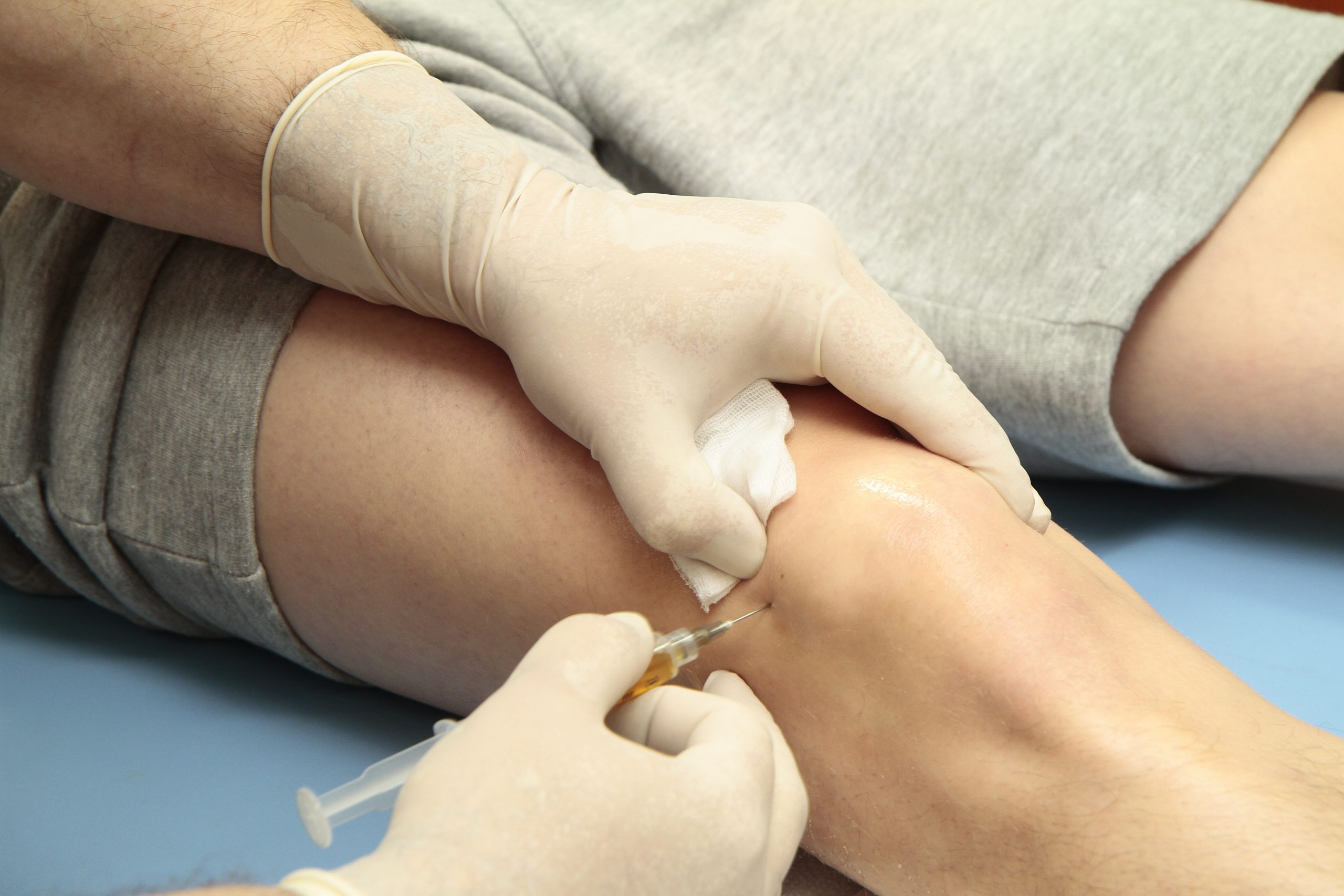
ChondroFiller is an injectable, cell-free collagen matrix mainly made from type I collagen. Its key role is to fill cartilage defects and create a structure that helps tissue regenerate. It is commonly used on small cartilage lesions in joints like the knee, hip, and hand and is designed for minimally invasive procedures.
One of its standout features is its gel-like consistency, which allows it to stay in place inside the damaged cartilage without needing stitches or other fixation methods. This reduces surgical trauma and simplifies the procedure. The collagen scaffold provides a friendly environment that attracts chondrocytes—the specialised cells that produce cartilage—helping them migrate into the defect and encourage repair. Importantly, clinical experience has shown that “Chondrofiller Liquid is shown to be a safe procedure which was able to provide satisfactory results in these first results” (Breil-Wirth et al., 2016). From a materials perspective, ChondroFiller also “shows the most pronounced viscous effects” among cartilage substitutes, related to its unique biphasic gel structure (Weizel et al., 2020).
To understand how ChondroFiller functions, it is helpful to think in metaphors: glue and seeds.
Traditional cartilage “glues” focus on sticking pieces of cartilage together, offering mechanical support but little biological stimulation. They hold the damaged area in place but don’t actively encourage new cartilage growth.
On the other hand, the “seeds” metaphor describes materials that create the ideal conditions for new tissue to develop. ChondroFiller fits this description well. Instead of simply binding damaged cartilage, it provides a biological scaffold that acts as a template for new tissue to grow. Studies show “a significant improvement was obtained in all parameters assessed, focusing on the characteristics of the generated tissue in the MRI (MOCART scores)” (De Lucas Villarrubi et al., 2021). The collagen network in ChondroFiller mimics the natural cartilage environment, inviting the body’s own cells to move in and regenerate the defect. Its gel stability ensures it stays put without stiff fixation.
Mechanical studies reveal that “both cartilage and ChondroFillerliquid contain fibrillar components, but the latter constitutes a bi-phasic structure, where the 60% nonfibrillar hydrogel proportion dominates the mechanical response” (Weizel et al., 2020). Reflecting real-world outcomes, “about 80% of the patients indicated good or very good results and would have the operation done again” (Breil-Wirth et al., 2016). So, ChondroFiller acts more like seeds that foster new growth, rather than glue that simply holds pieces together.
Leading orthopaedic experts, including Professor Paul Lee — Regional Surgical Ambassador and advisor to the Royal College of Surgeons of Edinburgh — recognise the promise of treatments like ChondroFiller to improve patient outcomes. While the London Cartilage Clinic did not invent ChondroFiller, their specialists use it alongside other modern treatment options within a carefully considered care pathway.
Professor Lee and his team stress the importance of combining advanced therapies with sound surgical practice. The clinic offers a supportive environment focused on innovation and patient safety, where technologies like ChondroFiller are used responsibly. Experience from similar collagen matrix treatments reports that “patients’ satisfaction was 86.6%,” confirming their value in everyday clinical practice (De Lucas Villarrubi et al., 2021). Still, successful cartilage repair depends on many factors, including patient condition and customised rehabilitation.
ChondroFiller boasts practical advantages, most notably its minimally invasive application. Because it is an injectable gel that sets inside the defect without need for stitches, it means less surgical damage and potentially faster recovery.
However, results vary between individuals. Studies show that “95% of the patients met the MCID… and 100% scored >74 points, achieving the PASS” (De Lucas Villarrubi et al., 2021). Healing outcomes depend on defect size, patient age, activity level, and overall joint health.
From a mechanical perspective, understanding its behaviour is key: “ChondroFillerliquid exhibits nonlinearity and compression-tension asymmetry,” which affects how it performs under joint stresses (Weizel et al., 2020). Clinically, “the IKDC was an average of 75 points,” which reflects good functional results in patient follow-ups (Breil-Wirth et al., 2016).
Patients interested in ChondroFiller should always seek personalised advice from a healthcare professional to understand whether it’s right for them. While promising, further research and longer-term data are still required to fully confirm its effectiveness.
For individual medical advice, please consult a qualified healthcare professional.
In summary, ChondroFiller works less like a simple glue and more like a nurturing scaffold that encourages cartilage repair, much like seeds growing new tissue. Its unique collagen structure and gel stability give it an edge as an innovative option in cartilage treatment, offering hope for improved joint repair in the future.
London Cartilage Clinic is known for combining advanced techniques, such as ChondroFiller, with expert clinical care. Under Professor Paul Lee’s leadership, the clinic creates a supportive, innovative environment prioritising patient safety and evidence-based practice to achieve optimal outcomes.
Professor Paul Lee is a recognised Cartilage Expert, Regional Surgical Ambassador, and Royal College of Surgeons of Edinburgh Advisor. His experience and involvement in pioneering cartilage treatments make him a leading figure in delivering advanced care at London Cartilage Clinic.
ChondroFiller acts as a biological scaffold, encouraging the body’s natural cartilage repair, unlike traditional treatments that simply hold tissue together. Its minimally invasive application and support for tissue regeneration offer a promising option for appropriate patients with cartilage defects.
ChondroFiller creates an environment that encourages new cartilage growth, acting like seeds for tissue repair. It does not merely act as glue, but provides a structure for cells to regenerate cartilage effectively, which sets it apart from older treatments.
Outcomes with ChondroFiller can vary based on patient health, defect size, and other factors. London Cartilage Clinic stresses the importance of individual assessment and expert guidance from specialists like Professor Lee, ensuring patients receive tailored and innovative care.
All our treatments are selected to help patients achieve the best possible outcomes and return to the quality of life they deserve. Get in touch if you have any questions.
At London Cartilage Clinic, we are constantly staying up-to-date on the latest treatment options for knee injuries and ongoing knee health issues. As a result, our patients have access to the best equipment, techniques, and expertise in the field, whether it’s for cartilage repair, regeneration, or replacement.
For the best in patient care and cartilage knowledge, contact London Cartilage Clinic today.
At London Cartilage Clinic, our team has spent years gaining an in-depth understanding of human biology and the skills necessary to provide a wide range of cartilage treatments. It’s our mission to administer comprehensive care through innovative solutions targeted at key areas, including cartilage injuries. During an initial consultation, one of our medical professionals will establish which path forward is best for you.
Contact us if you have any questions about the various treatment methods on offer.
Legal & Medical Disclaimer
This article is written by an independent contributor and reflects their own views and experience, not necessarily those of londoncartilage.com. It is provided for general information and education only and does not constitute medical advice, diagnosis, or treatment.
Always seek personalised advice from a qualified healthcare professional before making decisions about your health. londoncartilage.com accepts no responsibility for errors, omissions, third-party content, or any loss, damage, or injury arising from reliance on this material. If you believe this article contains inaccurate or infringing content, please contact us at [email protected].