 Cartilage
 Knees
Knees Hip
Hip Shoulder
Knee Cartilage and Its Capacity for Repair
23/02/26


Knee cartilage is an essential tissue that cushions the bones and enables seamless, pain-free movement. Unfortunately, this cartilage can be damaged by injury, everyday wear and tear, or conditions like osteoarthritis , leading to ongoing pain and restricted mobility. These changes can seriously affect your quality of life. Traditional approaches, like surgery or long-term medication, often come with major downsides. Surgery is invasive and requires significant recovery time, while medications may only mask symptoms without addressing the source of the problem.
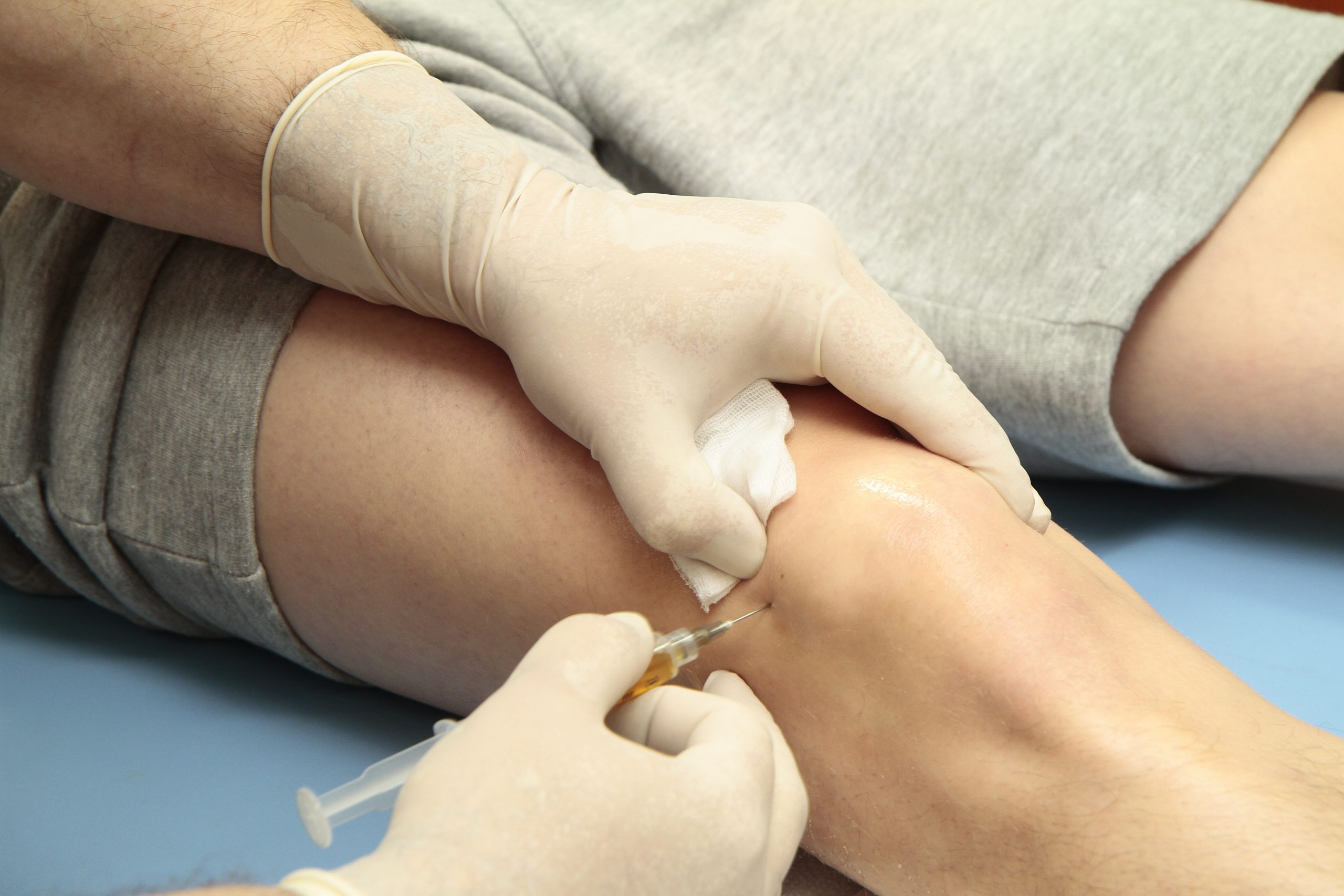
That’s why intra- articular injections —the delivery of targeted therapy directly into the knee joint —are gaining momentum. These treatments aim not only to reduce inflammation but also to promote healing. Recent research shows that injections of stem cells and other biologics can help the body rebuild cartilage , raising the possibility of more natural and effective repairs. For anyone exploring how to restore knee cartilage or seeking natural alternatives to surgery and medication, these injection therapies are an exciting development. In fact, widespread cartilage damage is a common finding in patients undergoing knee surgery, underscoring the need for breakthroughs in repair.
Surgery and medication remain the backbone of knee cartilage treatment, but both come with significant limitations. Surgery always carries risks such as infection , and doesn’t always succeed in restoring strong, functional cartilage. Medications like painkillers or anti-inflammatories may ease discomfort but can’t repair the damage itself.
Because of these limitations, less invasive but effective treatments are in demand. Intra- articular injections bring healing agents right where they’re needed, potentially speeding up repair and causing fewer side effects. Some people also use supplements such as glucosamine chondroitin to support their cartilage, but these usually work best as add-ons rather than stand-alone solutions.
Research highlights that pain and impaired knee function are the main complaints among those with significant cartilage injuries, and the underlying causes can affect anyone—regardless of age, gender, or the degree of arthrosis . This shows how widespread and complicated cartilage degeneration can be.
There are several types of intra-articular injections available, each targeting cartilage repair in a distinct way.
Stem cell injections deliver special cells that can transform into cartilage-producing cells, helping to regrow lost or damaged tissue. These cells also reduce joint inflammation, which is important because ongoing inflammation can disrupt healing. Hydrogels are another innovative option—these gel-like materials support cartilage regrowth by offering a framework for new tissue to form. Corticosteroid injections work differently; they primarily decrease inflammation and relieve pain, but don’t support cartilage regeneration .
Scientific evidence, utilizing advanced imaging and laboratory assessments, suggests that stem cell therapy can boost cartilage thickness and enhance joint function, making it a strong candidate for regenerative treatment. Clinical experience is showing real improvements—for instance, some studies have observed clear signs of cartilage repair and subchondral bone recovery on follow-up MRIs. Meanwhile, corticosteroid injections have been shown to temporarily reduce markers of cartilage breakdown, making them effective for short-term symptom relief.
Many people who receive intra-articular injections notice reduced pain and improved mobility—sometimes enough to put off or avoid surgery. Possible side effects are usually mild and include temporary soreness or swelling at the injection site.
Different injections work best for different needs. Corticosteroids may ease symptoms quickly but the effects tend to be short-lived, whereas stem cell injections can offer longer-term benefits because they repair the cartilage . Healthcare providers carefully consider your specific situation to choose the most appropriate injection approach and keep track of your progress.
Pairing injections with home-based knee exercises can further support healing and function. With ongoing improvements in assessment and technique, the use of intra-articular injections is becoming more refined and individualized.
Intra- articular injections represent a rapidly evolving area of medicine. Researchers continue to refine these therapies and develop personalized care plans tailored to each patient’s needs. Better imaging technologies, like advanced MRI, are helping doctors measure cartilage heal th and track results more accurately.
Ongoing collaboration among doctors, researchers, and policy makers is critical to establish safe, consistent practices. As these treatments become easier to access and results continue to improve, intra- articular injections are likely to become a routine option for managing cartilage injuries , with the potential to deliver better outcomes and greater quality of life.
Intra-articular injections are offering a promising alternative to surgery and traditional medication for people with knee cartilage damage . By promoting healing and targeting pain at its source, these therapies are changing the outlook for joint health and recovery.
As research advances and clinical experience grows, intra- articular injections will likely play an increasingly important role in the treatment toolbox for knee cartilage repair, making lasting relief and joint restoration more attainable than ever before.
The London Cartilage Clinic stands out for its advanced, evidence-based approaches and commitment to patient-centred care. Led by Prof Lee, whose depth of clinical experience ensures top-tier expertise, the clinic provides cutting-edge, minimally invasive solutions tailored to each individual, supporting the best possible outcomes for knee cartilage health.
Intra-articular injections deliver targeted therapies directly into the joint, aiming to reduce inflammation, relieve pain, and stimulate healing of cartilage. Options like stem cells and hydrogels support actual tissue repair, while corticosteroids mainly offer temporary symptom relief. These innovative treatments are less invasive alternatives to traditional surgery or long-term medication.
Not everyone may be a candidate for intra-articular injections; suitability depends on individual diagnosis and needs. At London Cartilage Clinic, Prof Lee carries out comprehensive patient assessments to tailor the appropriate regenerative solution, maximising safety and the potential for improvement in joint function and comfort.
Prof Lee is renowned for his expertise in cartilage repair and his dedication to the latest regenerative techniques. With an extensive academic and clinical background, he leads the London Cartilage Clinic by blending research with hands-on patient care, providing personalised and effective treatment for those seeking advanced cartilage solutions.
Patients can expect a thorough evaluation and a thoughtful explanation of their knee condition. The clinic emphasises a supportive, transparent approach, guiding patients through their options—whether injections, rehabilitation, or further steps—with Prof Lee’s experienced oversight offering reassurance and confidence throughout their care journey.
All our treatments are selected to help patients achieve the best possible outcomes and return to the quality of life they deserve. Get in touch if you have any questions.
At London Cartilage Clinic, we are constantly staying up-to-date on the latest treatment options for knee injuries and ongoing knee health issues. As a result, our patients have access to the best equipment, techniques, and expertise in the field, whether it’s for cartilage repair, regeneration, or replacement.
For the best in patient care and cartilage knowledge, contact London Cartilage Clinic today.
At London Cartilage Clinic, our team has spent years gaining an in-depth understanding of human biology and the skills necessary to provide a wide range of cartilage treatments. It’s our mission to administer comprehensive care through innovative solutions targeted at key areas, including cartilage injuries. During an initial consultation, one of our medical professionals will establish which path forward is best for you.
Contact us if you have any questions about the various treatment methods on offer.
Legal & Medical Disclaimer
This article is written by an independent contributor and reflects their own views and experience, not necessarily those of londoncartilage.com. It is provided for general information and education only and does not constitute medical advice, diagnosis, or treatment.
Always seek personalised advice from a qualified healthcare professional before making decisions about your health. londoncartilage.com accepts no responsibility for errors, omissions, third-party content, or any loss, damage, or injury arising from reliance on this material. If you believe this article contains inaccurate or infringing content, please contact us at [email protected].