 Cartilage
 Knees
Knees Hip
Hip Shoulder
Knee Cartilage Damage Treatment with Gel Injections and Cortisone Shots
26/02/26


Cartilage injuries are notoriously difficult to treat because cartilage has very limited ability to heal itself. Traditional treatments tend to be invasive, involve lengthy recovery times, and may require several surgical procedures. Some even need the patient’s own cells to be harvested beforehand, adding complexity and delaying healing. These factors can mean discomfort and longer time away from normal activities. As a result, there is a strong desire among patients and clinicians alike for treatments that are less invasive, simpler, and effective, with fewer risks and faster recuperation. Enter ChondroFiller, a fresh approach to repairing cartilage that promises to overcome many of these hurdles. This innovative, minimally invasive treatment is changing the way we think about cartilage repair. In this article, we’ll explain exactly how ChondroFiller works, what makes it different from traditional methods, and why experts are optimistic about its potential to improve patient outcomes.
ChondroFiller is a specially designed liquid gel made from biocompatible materials. When applied directly to the damaged cartilage, the gel fills and moulds perfectly to the shape of the defect, creating a snug fit. One of its key advantages is that it requires just one simple procedure — there’s no need to take cells from the patient or carry out multiple operations. This means less discomfort and a more straightforward journey to recovery. At the microscopic level, ChondroFiller acts as a scaffold. It supports the body’s own healing by encouraging the movement and growth of new cartilage cells. Research has shown that ChondroFiller has “the most pronounced viscous effects” compared to other cartilage substitutes (Weizel et al., 2020), which helps it perform well under the stresses joints face every day. Clinicians also describe ChondroFiller as “a safe and simple workable method” (Schneider, 2016), which is reassuring for both doctors and patients. By supporting natural repair without the need for complex cell treatments or stitches, ChondroFiller offers a modern solution to an age-old problem.
To grasp how ChondroFiller works, it can help to think of it as both glue and seeds. Like glue, ChondroFiller sticks firmly to the damaged area, holding everything in place without the need for stitches or staples. This stability protects the healing zone. But it’s more than just an adhesive; ChondroFiller also provides the perfect environment for new cartilage cells to grow — much like planting seeds in prepared soil, nurturing fresh growth. In fact, studies show that “ChondroFillerliquid contains fibrillar components but is mostly a bi-phasic structure where the 60% nonfibrillar hydrogel dominates the mechanical response” (Weizel et al., 2020). This unique make-up lets it adapt easily to the joint’s demands while supporting regeneration. Clinical experience echoes these findings: “The implant shows a perfect integration to the adjacent cartilage right from the beginning, with impressive maturation over time” (Schneider, 2016). Additionally, around 80% of patients report “good or very good results and would have the operation done again” (Breil-Wirth et al., 2016). Together, these points show why ChondroFiller is considered a step-change in cartilage treatment — providing reliable support and encouraging natural renewal simultaneously.
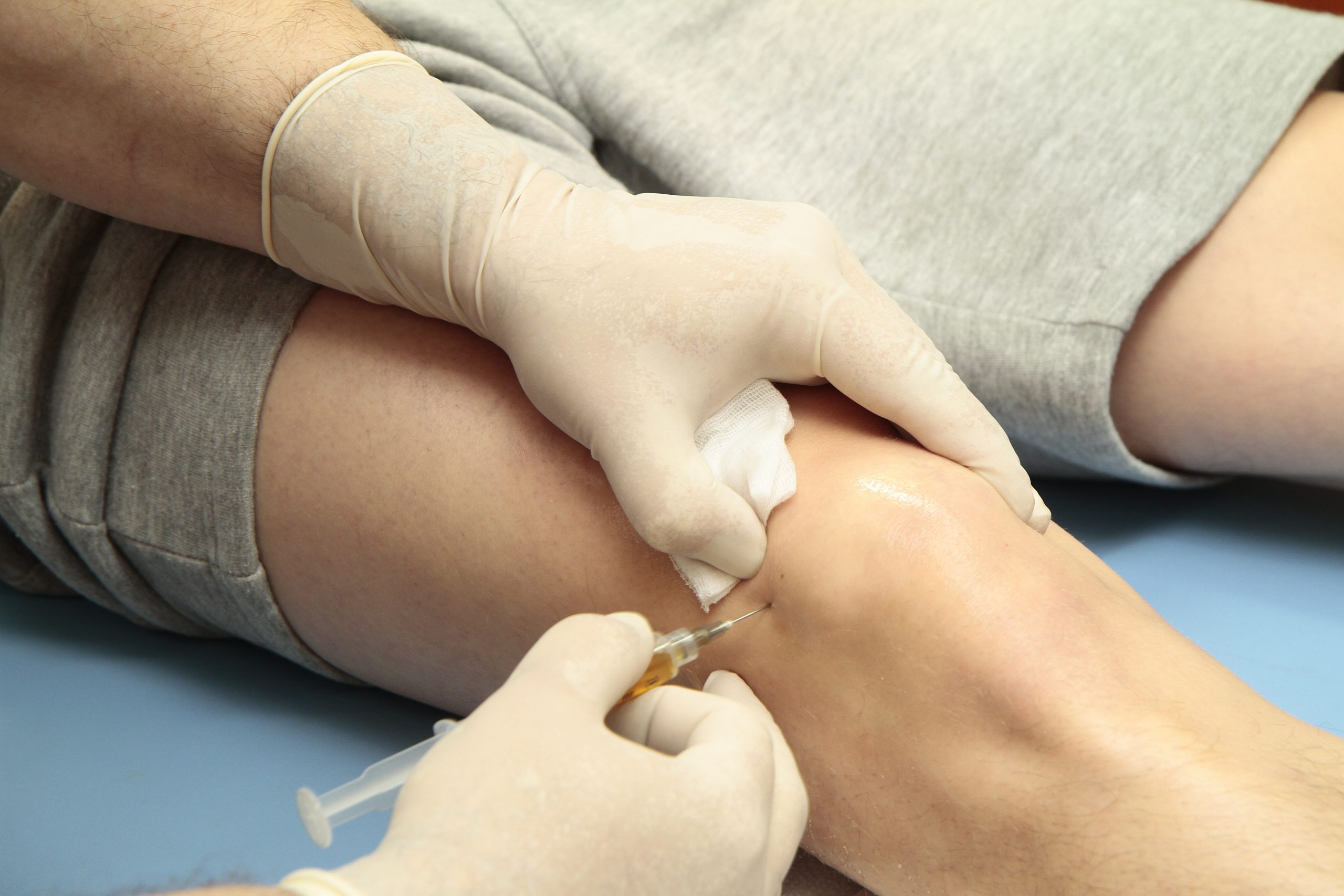
Applying ChondroFiller is minimally invasive and typically done via arthroscopy, a keyhole surgery technique. The gel’s consistency means it perfectly fills the cartilage defect and moulds to its unique shape. Because it fits so well, there’s no need for stitches or any other devices to hold it in place, which cuts down surgical trauma and speeds up the procedure. Once in place, ChondroFiller stays put due to its cohesive properties and how it interacts with surrounding tissues. In fact, it “exhibits nonlinearity and compression-tension asymmetry” (Weizel et al., 2020), meaning it can handle the complex forces inside joints. Early scans back this up, showing “good immediate filling of all treated defects” (Schneider, 2016). Importantly, patients have experienced “no complications” and no worsening of symptoms following treatment (Breil-Wirth et al., 2016). This reliable retention allows the gel to effectively support healing until new cartilage tissue matures.
Leading specialists like Professor Paul Lee bring clinical excellence and trusted experience to advancing cartilage repair. As a Regional Surgical Ambassador and Advisor to the Royal College of Surgeons of Edinburgh, his involvement underscores the growing confidence in treatments like ChondroFiller. His expertise helps ensure these innovations are safely and effectively integrated into clinical care. The London Cartilage Clinic is a pioneer in adopting advanced therapies such as ChondroFiller. The team offers not just cutting-edge treatment, but comprehensive patient support — including rehabilitation — which is essential for the best outcomes. This combination of innovation with personalised care means patients receive treatment that’s both state-of-the-art and aligned with their individual needs.
ChondroFiller represents an exciting, new way to treat cartilage damage. Its minimally invasive procedure, gel-based scaffold, and biological support combine to offer a simpler, effective alternative to traditional techniques. While research and clinical experience are ongoing, early results are very promising. This method has the potential to make cartilage repair more accessible, less traumatic, and ultimately more successful. If you’re considering treatment options for cartilage damage, always consult a qualified healthcare professional for personalised medical advice.
ChondroFiller is a minimally invasive, single-step procedure that avoids multiple surgeries and complex cell harvesting. Its advanced gel scaffolds support natural cartilage healing, offering patients a simpler journey. London Cartilage Clinic leads in delivering this modern treatment through Prof Paul Lee’s renowned expertise.
ChondroFiller acts both as an adhesive and as a scaffold, securely filling cartilage defects. It encourages the body’s natural cartilage regeneration, maintaining stability without stitches. Under Prof Paul Lee at London Cartilage Clinic, patients benefit from these innovative, safe techniques and comprehensive care.
Prof Paul Lee is a respected Cartilage Expert, Regional Surgical Ambassador, and Royal College of Surgeons of Edinburgh Advisor. His vast international experience and leading position at London Cartilage Clinic guarantee world-class expertise in advanced cartilage treatments such as ChondroFiller.
ChondroFiller is delivered through minimally invasive arthroscopy, moulding perfectly to defect shapes. It remains stable thanks to its cohesive gel properties, requiring no stitches. At London Cartilage Clinic, Prof Lee’s precise technique ensures the gel effectively supports healing in a safe, reassuring environment.
London Cartilage Clinic excels in advanced cartilage therapies like ChondroFiller, thanks to Prof Paul Lee’s leadership. Patients receive cutting-edge care and thorough support, including rehabilitation, ensuring treatment is modern and personalised—helping optimise outcomes while prioritising comfort and recovery.
All our treatments are selected to help patients achieve the best possible outcomes and return to the quality of life they deserve. Get in touch if you have any questions.
At London Cartilage Clinic, we are constantly staying up-to-date on the latest treatment options for knee injuries and ongoing knee health issues. As a result, our patients have access to the best equipment, techniques, and expertise in the field, whether it’s for cartilage repair, regeneration, or replacement.
For the best in patient care and cartilage knowledge, contact London Cartilage Clinic today.
At London Cartilage Clinic, our team has spent years gaining an in-depth understanding of human biology and the skills necessary to provide a wide range of cartilage treatments. It’s our mission to administer comprehensive care through innovative solutions targeted at key areas, including cartilage injuries. During an initial consultation, one of our medical professionals will establish which path forward is best for you.
Contact us if you have any questions about the various treatment methods on offer.
Legal & Medical Disclaimer
This article is written by an independent contributor and reflects their own views and experience, not necessarily those of londoncartilage.com. It is provided for general information and education only and does not constitute medical advice, diagnosis, or treatment.
Always seek personalised advice from a qualified healthcare professional before making decisions about your health. londoncartilage.com accepts no responsibility for errors, omissions, third-party content, or any loss, damage, or injury arising from reliance on this material. If you believe this article contains inaccurate or infringing content, please contact us at [email protected].