 Cartilage
 Knees
Knees Hip
Hip Shoulder
Knee Cartilage and Its Capacity for Repair
23/02/26


In the fast-paced world of sports, a right labrum tear can seriously disrupt an athlete’s performance and disrupt their career plans. The right labrum is a critical ring of cartilage that helps stabilize the shoulder or hip joint, ensuring smooth movement and supporting the tremendous physical demands placed on these areas. When injured, athletes often face pain, decreased mobility, and the challenge of getting back on the field or court. Fortunately, recent advances in both diagnosis and treatment are giving athletes and their healthcare teams more hope than ever before. In this article, we’ll explore these cutting-edge solutions and what they mean for returning athletes to peak condition.
Before we dive into the latest innovations, it’s important to understand what the labrum does. The labrum is a ring of tough cartilage that deepens a joint’s socket and keeps it stable. In your shoulder , for example, the right labrum lines the glenoid cavity, preventing the upper arm bone from sliding out of place. In the hip, it rings the acetabulum, helping secure the head of the thigh bone.
A labrum tear occurs when this cartilage is stretched, torn, or detached—often because of a traumatic event like a fall, heavy collision, or due to the repetitive stress from overhead sports such as swimming, tennis, or football. These injuries can make the joint feel unstable, limit range of motion, and significantly increase the risk of further damage.
Prompt recognition and treatment are key—especially for athletes, whose success depends on strong, reliable joints .
Diagnosing labrum tear s has traditionally been a challenge, but newer imaging technology has changed the game. Magnetic Resonance Imaging (MRI) is now the gold standard, creating high-resolution images of soft tissues inside the body. For even greater accuracy, doctors are increasingly turning to MRI arthrography, where a contrast dye is injected into the joint, highlighting any damage to the cartilage for clearer scans.
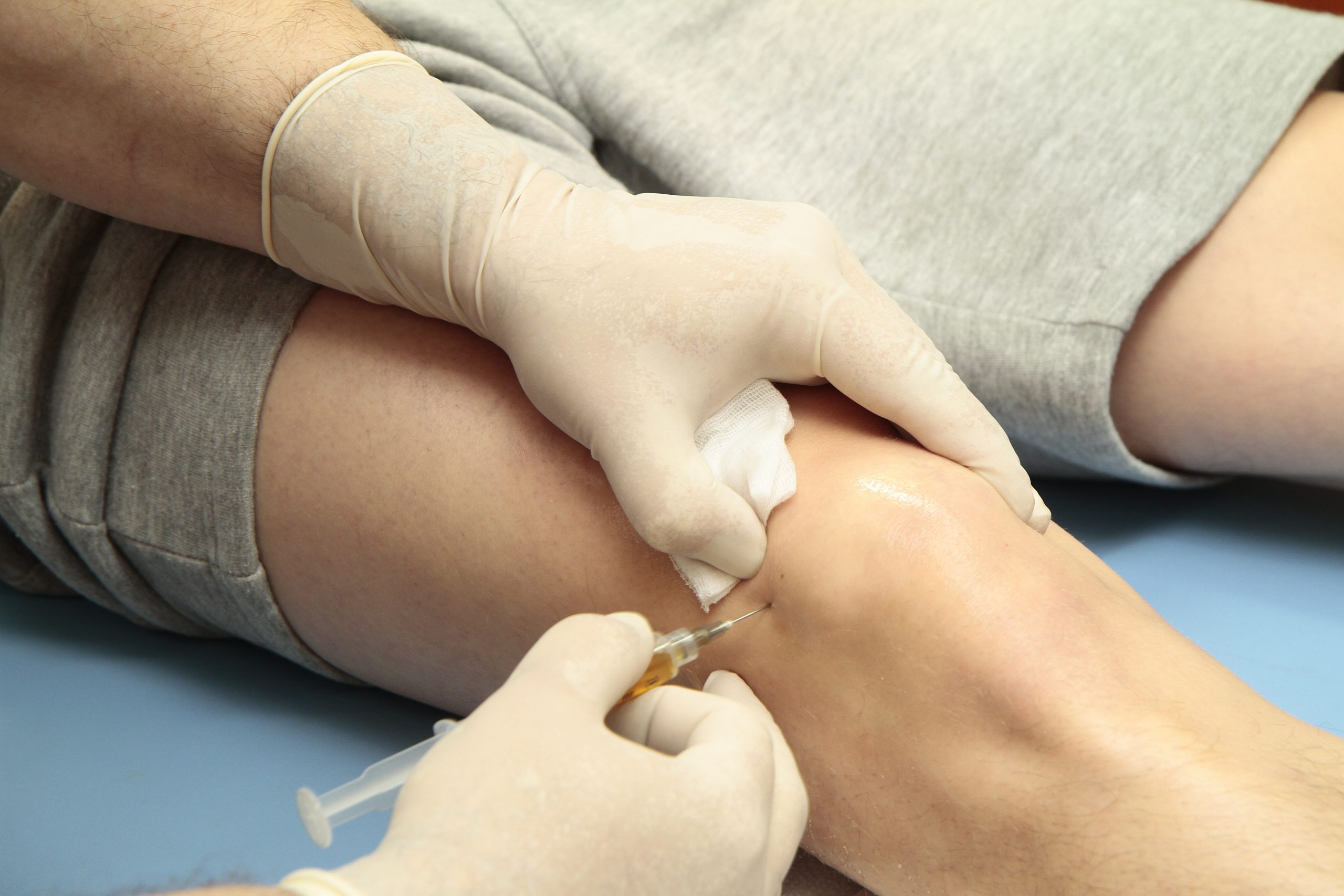
Recently, 3-Tesla MRI machines have become more widely available, providing sharper and more detailed images. These high-powered scanners can detect even minor tears that might have been missed in the past. Ultrasound is also emerging as a valuable tool, allowing dynamic assessment of the joint (while it’s moving) and helping guide precise treatments like injections.
Despite these advances, it’s worth noting that not every labrum tear seen on a scan causes symptoms or needs intervention. That’s why a thorough physical examination and understanding the athlete’s history remain essential for an accurate diagnosis .
Once a right labrum tear is identified, the next step is choosing the right treatment pathway. This decision depends on several factors, including the severity of the injury, the type of sport, and the athlete’s goals—whether that means a quick return to competition or long-term joint health.
For athletes facing high physical demands or severe tears, arthroscopic surgery is a common approach. This minimally invasive procedure uses tiny instruments and a camera, allowing surgeons to repair the damaged labrum with less pain and faster recovery than traditional surgery. The main goal is to secure the cartilage and restore stability to the joint, enabling athletes to return to play stronger than ever. In certain complex cases, advanced imaging may reveal additional injuries, like defects in the labrum or cartilage , which can be addressed during the procedure for better outcomes.
However, not every labrum tear requires surgery. Many athletes, particularly those with less severe injuries, benefit from a comprehensive physiotherapy program. Rehab focuses on strengthening the muscles around the joint, improving movement patterns, and gradually returning to activity—all while teaching strategies to prevent re-injury. Often, doctors will recommend starting with physiotherapy, reserving surgery for those who don’t recover with conservative care.
Personalized, athlete-centered treatment plans—blending the best of both surgery and rehab—are now considered the gold standard. These approaches ensure every athlete receives care tailored to their unique needs and sporting ambitions.
The latest advancements in diagnosing and managing right labrum tear s are changing the landscape of sports medicine . High-powered imaging and less invasive treatment options mean injuries are identified earlier, treated more precisely, and rehabilitated more effectively. As a result, athletes can look forward to shorter recoveries and a safer return to their sport.
Looking ahead, the field is buzzing with research on novel therapies. Biological options, such as platelet-rich plasma (PRP) and stem cell injections, are being developed to enhance natural healing and improve surgical repairs. At the same time, injury prevention is getting more attention, with biomechanical screening and training modifications designed to help athletes avoid labrum injuries altogether.
For sports medicine professionals, staying current with these trends is crucial to delivering world-class care and helping athletes enjoy long, successful careers.
While right labrum tear s remain a challenge for athletes and clinicians alike, advances in technology, surgery, and rehabilitation have dramatically improved management. Today’s athletes benefit from clearer diagnoses, personalized treatment plans, and a wider range of recovery options than ever before.
As research and innovation continue, expect even greater strides in both preventing and healing these injuries —ensuring athletes can get back to doing what they love, safely and confidently.
Mamanee, P. (2014). Fracture Anterior Labrum with Dislocation. The Bangkok Medical Journal, 08(01), 86-86. https://doi.org/10.31524/bkkmedj.2014.09.015
Sozen, Y. V., Özkan, K., Göksan, S. B., Çiftçi, F., Mutlu, S., & Uzer, G. (2005). Arthroscopic diagnosis and treatment of an acetabular labrum bucket handle tear: a case report. Archives of Orthopaedic and Trauma Surgery, 125(9), 649-652. https://doi.org/10.1007/s00402-005-0013-5
Pirimoğlu, B., Oğul, H., & Kantarcı, M. (2016). Humeral Chondral Defect and Labral Tear Associated with Paraglenoid Labral Cyst: A Case Report. Medical Principles and Practice, 25(5), 488-490. https://doi.org/10.1159/000447669
London Cartilage Clinic offers leading-edge diagnosis and treatment for labrum tears, using advanced imaging and minimally invasive techniques. Led by Professor Lee, the team delivers bespoke treatment plans for athletes. The clinic is distinguished by its commitment to patient-centred care and its expertise in returning athletes safely to performance.
Professor Lee is a highly regarded expert with extensive clinical and research experience in labrum tears and sports joint injuries. His practice combines advanced surgical skills, the latest therapies, and a deep understanding of sports medicine to optimise outcomes for each patient at the London Cartilage Clinic.
London Cartilage Clinic uses high-resolution MRI and 3-Tesla MRI systems for precise diagnosis of labrum tears. These advanced imaging tools allow early and accurate detection of even subtle injuries, helping Professor Lee and his team tailor effective and individualised treatment strategies for every patient.
Absolutely. London Cartilage Clinic promotes a multidisciplinary approach, offering comprehensive physiotherapy alongside surgical options. Many patients benefit from rehabilitation that strengthens joint-supporting muscles and improves movement patterns. Under Professor Lee’s guidance, the clinic emphasises personalised treatment, reserving surgery for cases that do not respond to conservative care.
The clinic stays at the forefront of sports medicine by offering biological therapies such as platelet-rich plasma (PRP) and stem cell injections to enhance healing. Professor Lee’s expertise ensures patients receive the most up-to-date treatments, combining effective surgical techniques and cutting-edge therapies to support lasting joint recovery.
All our treatments are selected to help patients achieve the best possible outcomes and return to the quality of life they deserve. Get in touch if you have any questions.
At London Cartilage Clinic, we are constantly staying up-to-date on the latest treatment options for knee injuries and ongoing knee health issues. As a result, our patients have access to the best equipment, techniques, and expertise in the field, whether it’s for cartilage repair, regeneration, or replacement.
For the best in patient care and cartilage knowledge, contact London Cartilage Clinic today.
At London Cartilage Clinic, our team has spent years gaining an in-depth understanding of human biology and the skills necessary to provide a wide range of cartilage treatments. It’s our mission to administer comprehensive care through innovative solutions targeted at key areas, including cartilage injuries. During an initial consultation, one of our medical professionals will establish which path forward is best for you.
Contact us if you have any questions about the various treatment methods on offer.
Legal & Medical Disclaimer
This article is written by an independent contributor and reflects their own views and experience, not necessarily those of londoncartilage.com. It is provided for general information and education only and does not constitute medical advice, diagnosis, or treatment.
Always seek personalised advice from a qualified healthcare professional before making decisions about your health. londoncartilage.com accepts no responsibility for errors, omissions, third-party content, or any loss, damage, or injury arising from reliance on this material. If you believe this article contains inaccurate or infringing content, please contact us at [email protected].