 Cartilage
 Knees
Knees Hip
Hip Shoulder
Ankle Cartilage Damage Causes Symptoms and Latest Treatments
24/02/26


Cartilage injuries—especially in major joints like the knee—are a common and tough challenge for millions of people. Whether caused by sports injuries, arthritis, or accidents, cartilage damage can lead to pain, stiffness, and reduced mobility, greatly affecting quality of life. Traditional treatments such as medication or surgery can help, but often only provide temporary relief rather than a true fix. This has prompted scientists and doctors to explore newer, more effective ways to restore cartilage. Among the most exciting developments are hydrogels—special gel-like materials that show great promise in helping damaged cartilage to heal and regenerate naturally.
Put simply, hydrogels are jelly-like substances with a soft, flexible structure made mostly of water held in a network of polymers. This structure makes them very similar to the natural environment of cartilage. Hydrogels act as scaffolds, offering a supportive framework where new cartilage cells can grow and organise themselves to rebuild damaged tissue. Think of them like a cosy, moist home that encourages the body’s own cells to thrive. This unique feature makes hydrogels important in fields like hydrogel cartilage repair and cartilage tissue engineering. To give an example, one advanced product called ChondroFiller Liquid® “is a resorbable filler… used to form a protective layer around the cartilage defect while stimulating the growth of chondrocytes and the consequent induction of cartilage regeneration” (Corain et al., 2023).
Over recent years, hydrogel technology has moved from lab benches to actual patient care with promising outcomes. Hydrogels do more than physically support cells—they also help by delivering important growth factors and nutrients essential for tissue repair. Research on cell-free collagen gels like ChondroFiller Liquid has shown encouraging initial results. One clinical study found that “the ChondroFiller liquid method is a safe and simple workable method. Although there are no experiences with this procedure in the clinical use all defects could be filled successfully” (Schneider, 2016). Similarly, targeting hand osteoarthritis, another study reported “an improvement in pain symptoms, associated with an increase in force in the pincer and grip movements evaluated with clinical tests” following treatment (Corain et al., 2023). Experts like Professor Paul Lee, who specialise in orthopaedics and rehabilitation, play an essential role in carefully selecting patients and tailoring these advanced therapies for the best results. Centres such as the London Cartilage Clinic ensure that patients receive expert, compassionate care combined with the latest scientific advances.
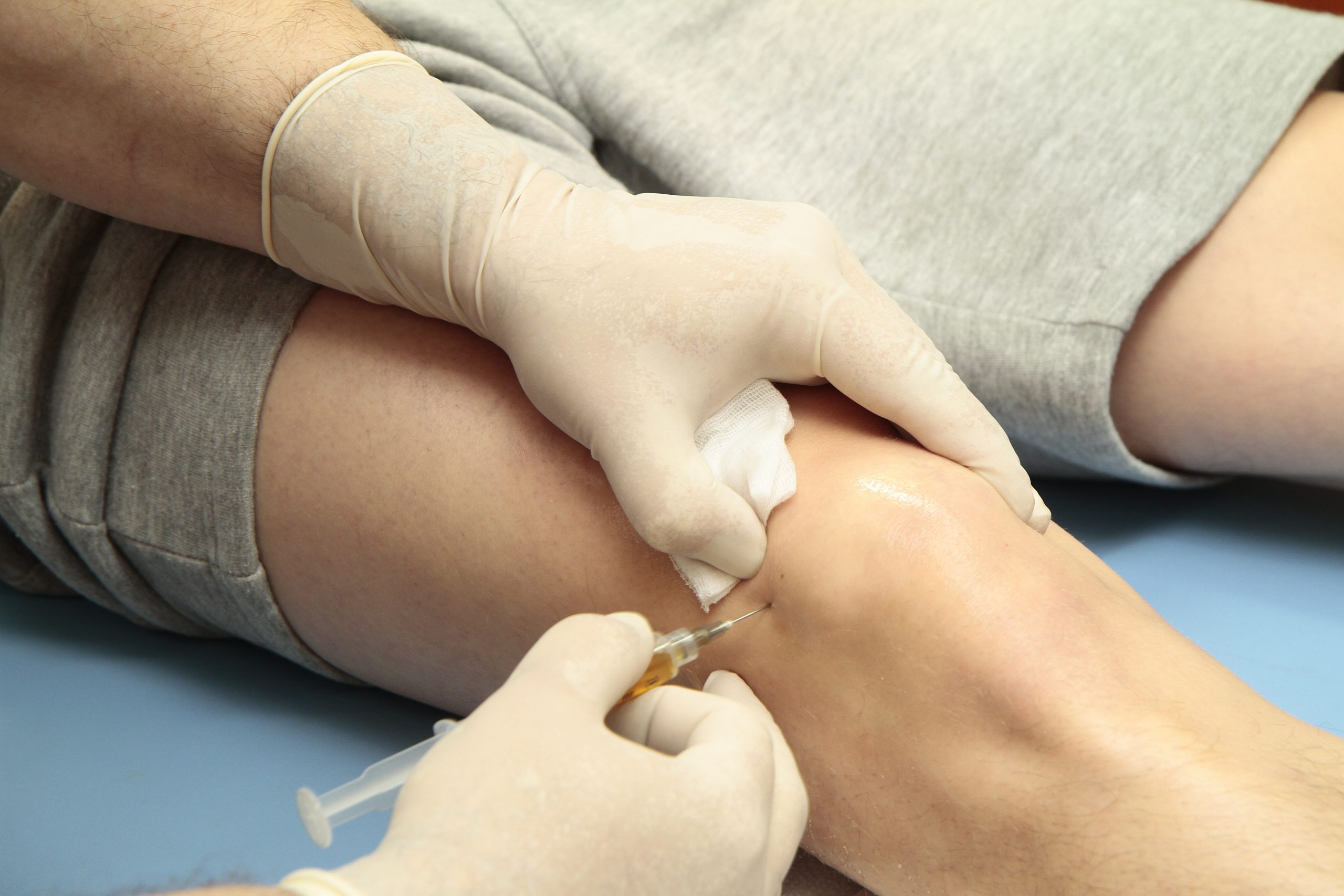
Hydrogel therapies are being applied or researched in a variety of cartilage conditions. These range from sports injuries causing small cartilage defects to early osteoarthritis and other wear-and-tear joint problems. Treatments often involve injecting the hydrogel directly into the joint or implanting it surgically, depending on the situation. Hip cartilage damage, for example, can be difficult to access, but a novel method uses “a combination of a curette and a needle inside the tip of the curette,” described as “a simple, inexpensive, and reproducible technique to facilitate the implantation of biologic and injectable materials… during arthroscopy” (Perez-Carro et al., 2021). Early clinical MRI scans have shown that hydrogels help with “good immediate filling of all treated defects” and “perfect integration to the adjacent cartilage,” followed by impressive cartilage maturation over time (Schneider, 2016). In thumb osteoarthritis patients, imaging revealed “a change in the joint profile… with reduction of bone oedema and periarticular effusion” after hydrogel treatment (Corain et al., 2023). Doctors carefully assess each patient’s injury type, health, and lifestyle to develop personalised treatment plans and maximise recovery chances.
If you’re considering hydrogel therapy for cartilage repair, it’s helpful to understand both the potential benefits and the limits. Hydrogels offer a less invasive option compared to major surgery, encouraging the body’s own cartilage to regrow for a more natural repair. However, these treatments are still relatively new, so larger studies and longer follow-ups are needed to fully understand their long-term effectiveness. As one study wisely advises, “further prospective randomised studies with higher case numbers and longer follow-up examination intervals have to be done to evaluate the importance of this new type of treatment” (Schneider, 2016). Also, remember that “physical examination and clinical history are still the basic and low-cost diagnostic methods” in managing these conditions (Corain et al., 2023). Costs and risks such as infection or incomplete healing should be openly discussed with your healthcare professional. Many patients ask, “How effective are hydrogels for knee cartilage?” While early results are encouraging, individual outcomes can differ. The best approach is to work closely with specialists to plan your care.
The future looks bright for hydrogel therapies in cartilage repair. Ongoing research and trials aim to improve the materials themselves and expand their availability. Specialists like Professor Paul Lee, along with teams at centres like the London Cartilage Clinic, are at the forefront of offering these advanced options safely and effectively. While hydrogels are an exciting and evolving treatment avenue, it’s important to see them as part of a wider range of options for joint health. Above all, expert advice tailored to your unique circumstances is vital for achieving the best results.
For individual medical advice, please consult a qualified healthcare professional.
Hydrogels are soft, water-rich materials that support new cartilage cell growth and tissue regeneration. At London Cartilage Clinic, experts such as Prof Paul Lee use these advanced therapies to improve outcomes in patients suffering from joint damage.
London Cartilage Clinic is a specialist centre led by Prof Paul Lee, a renowned cartilage expert and surgical ambassador. The clinic combines the latest scientific advances with personalised care, ensuring patients benefit from truly expert assessment and tailored treatment plans.
Hydrogel therapies can be injected or surgically implanted depending on the cartilage injury. At London Cartilage Clinic, Prof Paul Lee carefully assesses each patient’s condition and develops a personalised approach, using the most suitable technique for optimal patient care.
Prof Paul Lee is a cartilage expert, Regional Surgical Ambassador and advisor to the Royal College of Surgeons of Edinburgh. His experience in orthopaedics and dedication to innovative therapies position him as a leading specialist for cartilage regeneration in the UK.
Patients should discuss their specific condition, risks, and expected outcomes with a specialist. At London Cartilage Clinic, individualised advice and expert evaluation from Prof Paul Lee help ensure that each patient receives guidance on the most suitable and advanced treatment available.
All our treatments are selected to help patients achieve the best possible outcomes and return to the quality of life they deserve. Get in touch if you have any questions.
At London Cartilage Clinic, we are constantly staying up-to-date on the latest treatment options for knee injuries and ongoing knee health issues. As a result, our patients have access to the best equipment, techniques, and expertise in the field, whether it’s for cartilage repair, regeneration, or replacement.
For the best in patient care and cartilage knowledge, contact London Cartilage Clinic today.
At London Cartilage Clinic, our team has spent years gaining an in-depth understanding of human biology and the skills necessary to provide a wide range of cartilage treatments. It’s our mission to administer comprehensive care through innovative solutions targeted at key areas, including cartilage injuries. During an initial consultation, one of our medical professionals will establish which path forward is best for you.
Contact us if you have any questions about the various treatment methods on offer.
Legal & Medical Disclaimer
This article is written by an independent contributor and reflects their own views and experience, not necessarily those of londoncartilage.com. It is provided for general information and education only and does not constitute medical advice, diagnosis, or treatment.
Always seek personalised advice from a qualified healthcare professional before making decisions about your health. londoncartilage.com accepts no responsibility for errors, omissions, third-party content, or any loss, damage, or injury arising from reliance on this material. If you believe this article contains inaccurate or infringing content, please contact us at [email protected].