 Cartilage
 Knees
Knees Hip
Hip Shoulder
ACL Tear: How Knee Biomechanics Change Over Time
05/03/26


Joint cartilage injuries can seriously affect mobility and quality of life, often causing pain, stiffness, and limited movement. Traditional treatments have struggled to fully repair damaged cartilage, which has led to a growing interest in innovative therapies. One of the most exciting developments is the use of injectable gels, which are emerging as a key tool in orthopaedic regenerative medicine. This article will explain how these gels work, the types available, their clinical uses, and why it is essential to seek advice from trusted experts when considering treatment.
Cartilage is the smooth, slippery tissue that covers the ends of bones in joints. It allows bones to glide over each other painlessly and absorbs shock during movement. However, cartilage is unique because it has no blood vessels, making it very difficult to heal after injury or wear and tear. Damage can result from accidents, arthritis, or simply ageing. Unlike other tissues, cartilage doesn’t regenerate easily, and traditional treatments tend to focus on reducing pain rather than restoring the cartilage’s original structure and function. Regenerative therapies that encourage the cartilage to regrow offer hope, especially for patients with small, localised cartilage defects who want lasting improvement rather than just symptom relief.
Injectable gels are a type of hydrogel designed to create the ideal environment for cartilage to regrow. These gels act as a scaffold—a temporary framework that supports the body’s own cells as they rebuild the cartilage tissue. Many of these gels are made from materials like collagen and hyaluronic acid, chosen because they work well with the body and encourage healing.
The acellular matrix ChondroFiller Liquid®, for example, “forms a protective layer around the cartilage defect while stimulating the growth of chondrocytes and the consequent induction of cartilage regeneration.” These gels have shown excellent early integration with the existing cartilage and impressive maturation over time.
They can be used in a variety of joints, including tricky areas like the hip, where specialised arthroscopic techniques help deliver the gel precisely. “Cells, scaffold therapies, and injectable agents have emerged as an adjunctive modality to improve clinical outcomes,” illustrating the growing role of these products in regenerative medicine. Injectable gels are also combined with other approaches, such as Autologous Matrix-Induced Chondrogenesis (AMIC), to boost cartilage repair even further.
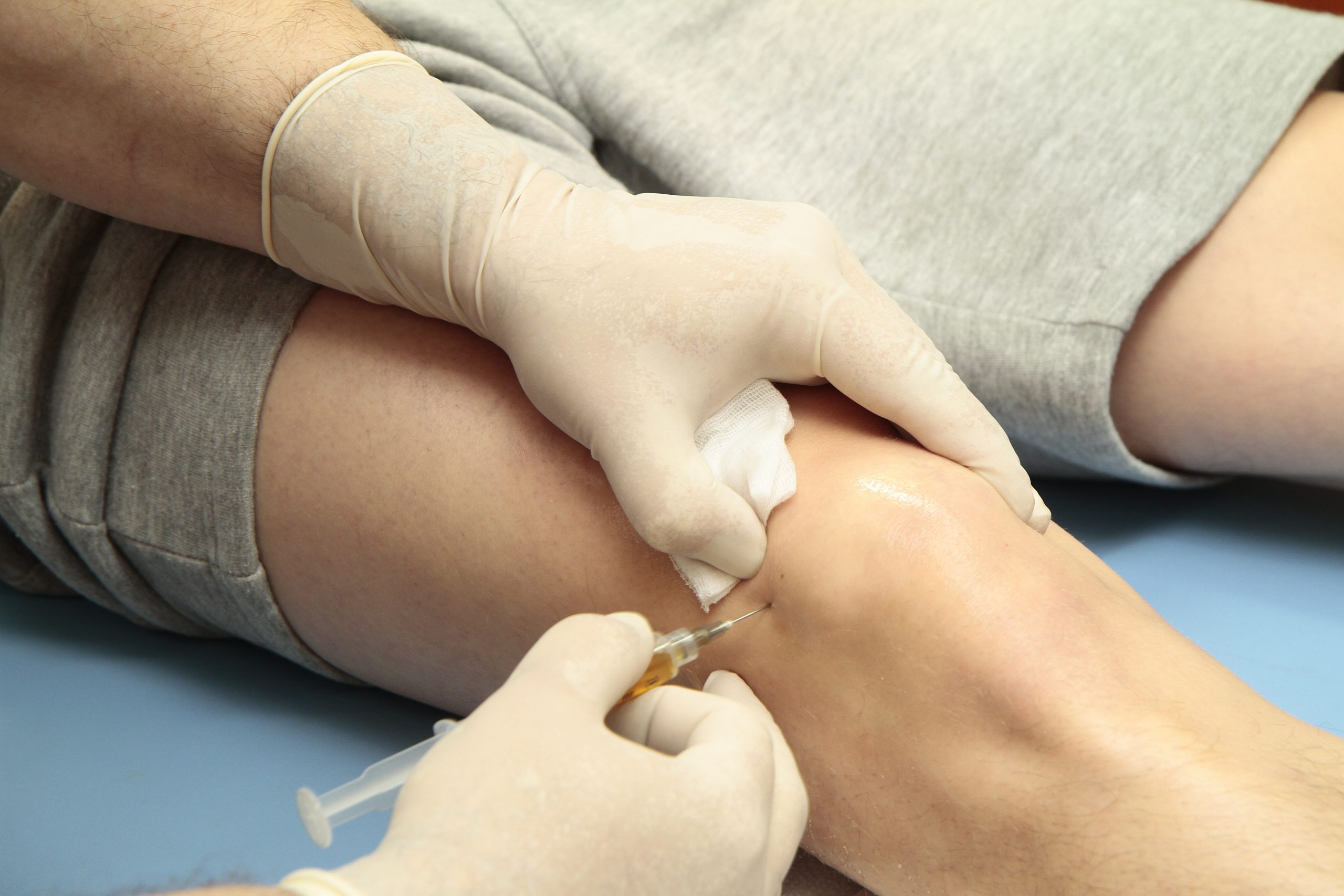
Treatment usually starts with a detailed assessment to determine the extent and location of cartilage damage. Injectable gel therapies tend to work best for patients with clearly defined, localised lesions rather than widespread joint degeneration. During the procedure, the gel is injected directly into the damaged area, often through minimally invasive arthroscopy.
Precision during application is essential. Surgeons take care to ensure “the distance between the tip of the needle and the area to be filled should be minimal to ensure full contact with the chondral lesion.” This careful technique improves the effectiveness of the treatment.
Patients typically follow a tailored rehabilitation plan after the procedure to support healing. In one study looking at hand osteoarthritis, patients showed “an improvement in pain symptoms, associated with an increase in force in the pincer and grip movements.” For knee cartilage defects treated with ChondroFiller liquid, all defects “could be filled successfully,” and MRI scans confirmed promising signs of cartilage regeneration.
However, it’s important to remember these therapies don’t suit everyone. For example, advanced osteoarthritis cases may not respond as well. Clinical trials and ongoing research continue to refine understanding of who benefits most from these treatments.
Results from regenerative therapies depend heavily on expert diagnosis and treatment. Professor Paul Lee, a leading cartilage specialist and advisor to the Royal College of Surgeons of Edinburgh, highlights the importance of personalised care in achieving good outcomes. Clinics like the London Cartilage Clinic combine cutting-edge research with patient-centred approaches to provide safe and effective treatment. Experts ensure that injectable gel therapy is appropriate for each patient’s unique condition, maximising the chance of success.
Although promising, injectable gel therapies are not a magic bullet. Their success is generally limited in cases of severe, widespread joint damage. Also, more long-term studies are needed to confirm how well cartilage regrowth holds up over time. As researchers point out, “further prospective randomized studies with higher case numbers and longer follow-up examination intervals have to be done to evaluate the importance of this new type of treatment.”
It is also worth noting that “despite the developing technology, physical examination and clinical history are still the basic and low-cost diagnostic methods.” Research continues to explore new materials and better delivery techniques, aiming to make these therapies suitable for a wider range of patients.
Ultimately, the best approach is to seek personalised advice from a healthcare professional. Every patient’s case is different, and outcomes cannot be guaranteed.
Injectable gels are at the forefront of joint cartilage regeneration, offering hope for reduced pain and improved joint function through natural tissue regrowth. For anyone considering these treatments, consulting experts such as Professor Paul Lee or visiting reputable clinics like the London Cartilage Clinic is the best way to get accurate, tailored advice.
For individual medical advice, please consult a qualified healthcare professional.
Cartilage injuries are challenging because cartilage does not regenerate easily, having no blood supply. Expert care, such as that at London Cartilage Clinic under Prof Paul Lee, ensures precise diagnosis and the latest, personalised treatment options for the best possible outcomes.
Injectable gels, like those used by Prof Lee, act as scaffolds within the joint. They create an environment that supports the body’s own cells in rebuilding cartilage, encouraging natural healing while being minimally invasive and suitable for those with localised cartilage defects.
Professor Paul Lee is a renowned cartilage expert and Regional Surgical Ambassador. As an advisor to the Royal College of Surgeons of Edinburgh, he brings advanced knowledge, research-driven methods, and extensive experience to patient care at London Cartilage Clinic.
Patients at London Cartilage Clinic receive a detailed initial assessment, followed by minimally invasive gel injection tailored to their specific injury. Precise technique and a personalised rehabilitation plan are provided, with the process overseen by leading expert Prof Paul Lee.
These therapies are most effective for localised cartilage defects rather than advanced or widespread joint degeneration. Suitability is assessed individually by specialists like Prof Lee, who provide honest, personalised advice based on current research and each patient’s needs.
All our treatments are selected to help patients achieve the best possible outcomes and return to the quality of life they deserve. Get in touch if you have any questions.
At London Cartilage Clinic, we are constantly staying up-to-date on the latest treatment options for knee injuries and ongoing knee health issues. As a result, our patients have access to the best equipment, techniques, and expertise in the field, whether it’s for cartilage repair, regeneration, or replacement.
For the best in patient care and cartilage knowledge, contact London Cartilage Clinic today.
At London Cartilage Clinic, our team has spent years gaining an in-depth understanding of human biology and the skills necessary to provide a wide range of cartilage treatments. It’s our mission to administer comprehensive care through innovative solutions targeted at key areas, including cartilage injuries. During an initial consultation, one of our medical professionals will establish which path forward is best for you.
Contact us if you have any questions about the various treatment methods on offer.
Legal & Medical Disclaimer
This article is written by an independent contributor and reflects their own views and experience, not necessarily those of londoncartilage.com. It is provided for general information and education only and does not constitute medical advice, diagnosis, or treatment.
Always seek personalised advice from a qualified healthcare professional before making decisions about your health. londoncartilage.com accepts no responsibility for errors, omissions, third-party content, or any loss, damage, or injury arising from reliance on this material. If you believe this article contains inaccurate or infringing content, please contact us at [email protected].