

The Moment That Changed Everything
In an instant, Tiger’s career took a dramatic turn. One moment he was at the top of his game, the next he was on the ground, clutching his knee in pain. That sudden collapse signaled a serious setback—a tear in the anterior cruciate ligament , or ACL. It was a shock to everyone watching and underscored just how quickly a sports injury can alter everything. In this article, we’ll break down what causes ACL tears , how doctors diagnose them, and what treatment and recovery look like—all in straightforward terms.
What Is the ACL and Why Is It Important?
The ACL is one of the main ligaments inside your knee. Ligaments act like tough ropes connecting bones and keeping your joints stable. The ACL, in particular, connects your thigh bone (femur) to your shin bone (tibia). It prevents your shin from sliding too far forward or from twisting in ways that would injure the joint.
Think of the ACL as your knee’s built-in safety cable—it allows you to run, jump, and change direction with confidence. Because of its position and the forces it manages, the ACL is both essential and vulnerable, especially to the sudden, unexpected movements common in sports.
How Did Tiger Tear His ACL? Understanding the Injury
Most ACL tears happen when the knee is forced to twist or stretch beyond its normal range—often during a quick stop, a sudden change in direction, or an awkward landing. For Tiger, it was likely a misstep or a moment of unbalanced landing that caused the ligament to give way.
While most ACL tears require significant treatment, there are rare cases where associated injuries, like meniscus tears, can heal on their own. However, for athletes, an ACL tear is almost always a serious hurdle. That’s why experts recommend specific “ACL warm-up” exercises to boost knee strength and mobility, helping reduce the risk of injury in fast-paced sports like soccer, basketball , and golf.
Free non-medical discussion
Not sure what to do next?
Information only · No medical advice or diagnosis.
Diagnosing an ACL Tear: What Doctors Look For
Diagnosing an ACL tear isn’t always easy. Doctors often start with a physical exam, checking for joint stability and listening to the patient’s story about how the injury occurred. To get a clearer picture, they commonly use MRI scans, which show the soft tissues inside the knee in detail.
Some injuries can be tricky, especially if they involve both the ACL and other structures like the meniscus . That’s why doctors put together exam results, MRI images, and the physical exam to figure out the best treatment approach.

Treatment Options and Recovery
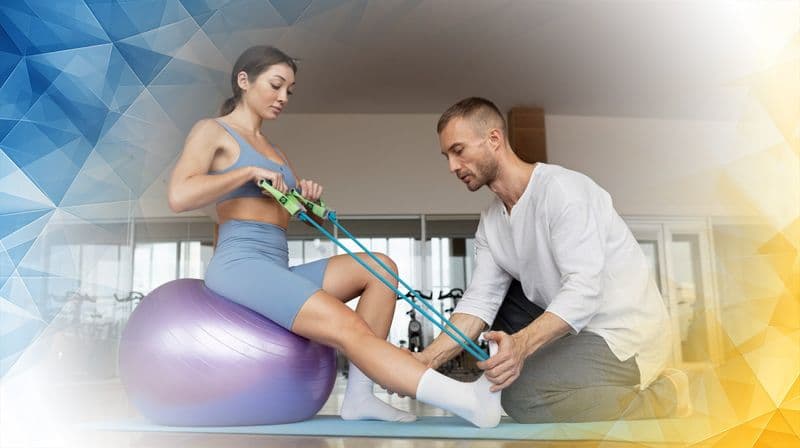
There are usually two main paths after an ACL tear : surgery or rehabilitation. Surgery involves replacing the torn ligament with a substitute, and it’s typically followed by several months of physical therapy to restore strength and stability. For some people, especially those less active or with minimal knee instability , non-surgical treatment focusing on guided exercises and therapy can be effective.
The right choice depends on your lifestyle, activity level, and how stable your knee feels. While professional athletes often opt for surgery to return to their sport, some individuals achieve great results with dedicated rehabilitation. Many athletes share stories of overcoming their ACL injuries , emphasizing that commitment and proper care are essential to a strong recovery.
Recovering from an ACL tear —just like preparing for a big game—requires a strategic plan, patience, and the right team of supporters.
Preventing ACL Injuries: What Athletes Can Do
Tiger’s injury reminds us how demanding sports can be on the body, especially the knees. The good news? ACL injuries are often preventable. Consistent warm-ups, building up core and leg strength , and training for better balance and agility can all help protect the ACL. Making these habits part of regular training can go a long way in keeping athletes healthy and on the field.
Final Thoughts: What We Can Learn from Tiger’s Injury
Tiger’s ACL tear is a powerful example of just how complex and fragile the knee joint can be under intense physical stress. By understanding how the ACL works, recognizing how injuries occur, and knowing the options for treatment and prevention, we can better support athletes and help them stay in the game.
Perhaps the biggest lesson is that even the world’s top athletes can face serious injuries . With continued research, smart prevention strategies, and effective recovery plans, we can give them the best chance to come back stronger.
References
Rabelo, N. N., Rabelo, N. N., Cunha, A. A. G., & Correia, F. (2013). Spontaneous healing of bucket handle tear of the medial meniscus associated with ACL tear. Revista Brasileira De Ortopedia (English Edition), 48(1), 100-103. https://doi.org/10.1016/j.rboe.2012.05.004
Kantrowitz, D. E., Darden, C., Bienstock, D. M., Jalloh, H., Rosenberg, A. M., McMillan, S., Gladstone, J. N., & Anthony, S. G. (2025). Reliability of preoperative MRI in the prediction of ACL tear type. Orthopaedic Journal of Sports Medicine, 13(6). https://doi.org/10.1177/23259671251339491
Legal & Medical Disclaimer
This article is written by an independent contributor and reflects their own views and experience, not necessarily those of London Cartilage Clinic. It is provided for general information and education only and does not constitute medical advice, diagnosis, or treatment.
Always seek personalised advice from a qualified healthcare professional before making decisions about your health. London Cartilage Clinic accepts no responsibility for errors, omissions, third-party content, or any loss, damage, or injury arising from reliance on this material.
If you believe this article contains inaccurate or infringing content, please contact us at [email protected].
London Cartilage Clinic
Modern treatments, designed for lasting knee outcomes
Every treatment plan is selected to help you return to the quality of life you deserve. Our team combines up-to-date techniques with consultant-led decision making across cartilage repair, regeneration and replacement.
What your journey can look like
Step 01
Consultant-Led Assessment
Symptoms, imaging and goals reviewed in one structured appointment.
Step 02
Personalised Treatment Plan
A clear route chosen from repair, regeneration or replacement options.
Step 03
Precision Delivery
Modern techniques and specialist equipment matched to your diagnosis.
Step 04
Long-Term Knee Health
Follow-up guidance focused on durable function and quality of life.
Will the Arthrosamid work for me
PAAG-8+ Questionnaire
A bright, structured entry point for patients exploring Arthrosamid. The questionnaire helps frame suitability, expectations, and 24-month clinical benefit discussion before a fuller consultant-led review.
Designed for shared decision-making. It does not replace specialist consultation, examination, imaging review, or formal medical advice.