 Cartilage
 Knees
Knees Hip
Hip Shoulder
Rebuilding Mobility After ChondroFiller Treatment
28/02/26

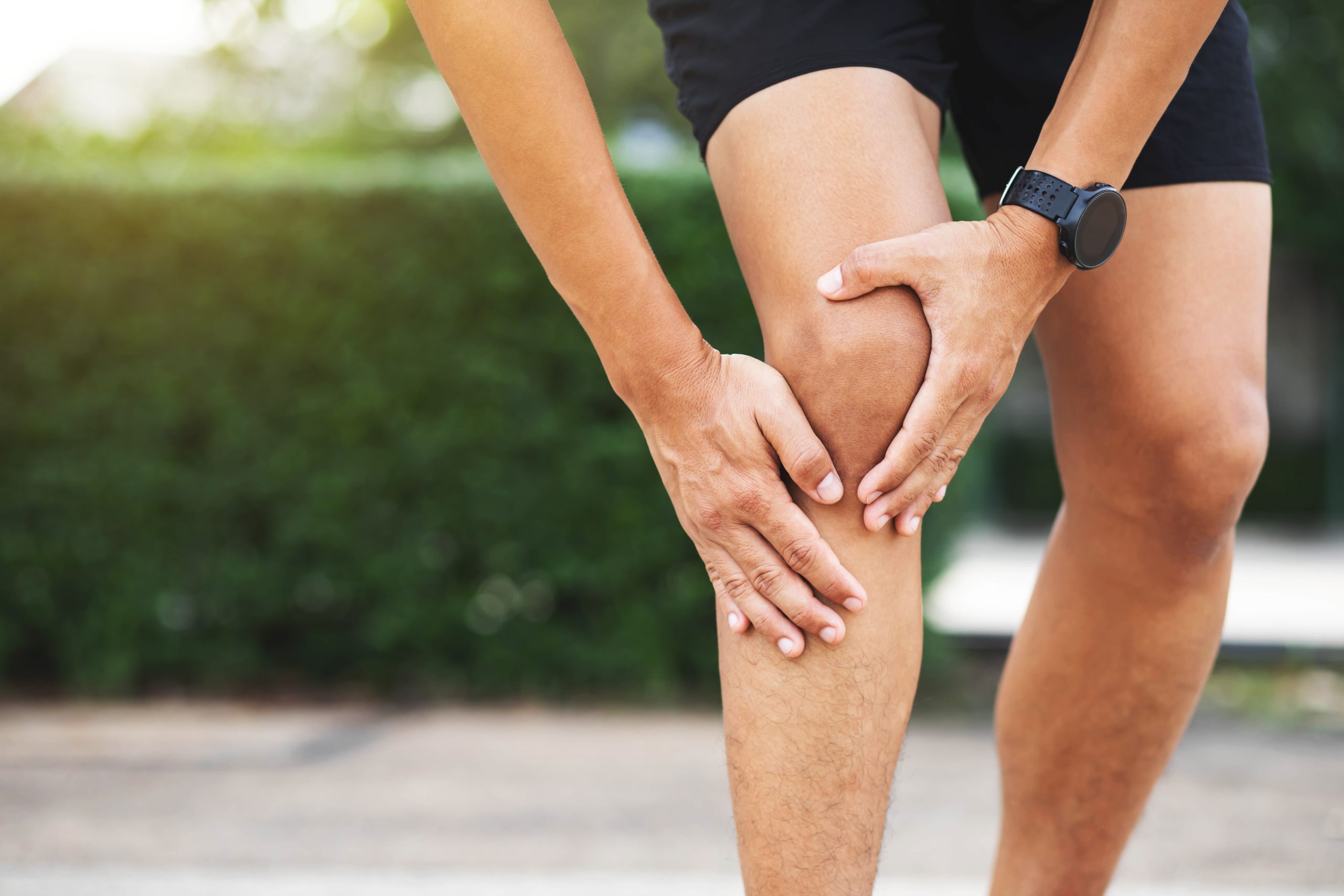
Knee pain can strike without warning, making everyday activities suddenly uncomfortable and challenging. Whether it’s a result of a minor injury or a flare-up from a long-standing issue, quick and effective pain relief is crucial. Taking action not only helps soothe the discomfort but also reduces the risk of further damage, getting you back on your feet faster.
In this article, we’ll break down easy, research-backed techniques to relieve knee pain right away. We’ll start by looking at why knee pain happens and why it’s important to address it promptly. Then, we’ll introduce proven strategies like cold therapy and compression, with simple instructions to use them safely. Finally, you’ll find practical tips for fitting these methods into your daily routine. Guided by the latest scientific evidence, these solutions are designed to provide safe and effective relief you can trust.
Knee pain can have many causes—anything from a sudden twist or sprain, to inflammation, to gradual wear and tear like osteoarthritis . The pain usually comes from injury or strain to the bones, cartilage, ligaments, or muscles that support the knee. While identifying the underlying cause is helpful, the most important thing during a painful flare-up is to find relief quickly and prevent the issue from getting worse.
Inflammation is at the heart of many knee problems . It’s your body’s natural reaction to injury or overuse, but it brings swelling that can press on nerves and make the joint hurt even more. Osteoarthritis , for example, happens when cartilage wears away, leading to stiffness, swelling, and ongoing discomfort. That’s why treatments aimed at reducing inflammation and supporting the knee can help you feel better fast.
Having a basic understanding of what’s happening inside your knee makes it clearer why certain strategies—like reducing inflammation and providing support—work so well for immediate pain relief. Let’s explore these solutions next.
When knee pain flares up, taking quick action can make a world of difference. Research supports several simple, effective techniques to quickly calm inflammation and reduce pain.
Cold therapy, or cryotherapy, is one of the best first steps for knee pain . By applying an ice pack to the affected area, blood vessels constrict, which helps minimize swelling. At the same time, the cold numbs nerve endings, providing almost immediate pain relief. Studies show that even a brief session with an ice pack can make a noticeable difference, especially just after an injury or sudden increase in symptoms.
A compression wrap or knee sleeve gently squeezes the joint, limiting swelling and providing extra support. This makes it easier—and less painful—to move around. Compression also helps stabilize the knee , and pairing it with gentle strengthening exercises, like straight leg raises or gentle hamstring curls , can boost both immediate comfort and long-term resilience.
Non-steroidal anti-inflammatory drugs ( NSAIDs ), such as ibuprofen, can also be helpful for rapid relief from knee pain . These medications tackle inflammation throughout the body and reduce both pain and swelling. Be sure to follow the recommended dosage, and if you have other health issues or take other medications, check with your doctor before starting any new medicine.
Combining these methods means you’re fighting knee pain on several fronts—reducing inflammation, supporting the joint, and easing discomfort as you recover.
To get the best results, it’s important to use these strategies correctly:
Always keep an eye on your symptoms. If the pain isn’t improving after a few days, gets worse, or is severe from the start, make an appointment with a healthcare professional for a full assessment. Sometimes, other treatments, such as physical therapy or more advanced medical procedures, might be needed for persistent or severe cases.
Remember, these techniques provide valuable quick relief, but they’re most effective as part of an overall treatment plan that’s tailored to your specific needs.
Knee pain may be disruptive, but with a swift and evidence-based approach, you can find fast relief. Acting quickly with proven strategies like cold therapy , compression, gentle exercise, and responsible medication use helps fight inflammation and protect your knee, making everyday activities manageable again.
By combining these simple tactics and seeking professional advice if needed, you can take charge of your knee health and get back to the things you love. Remember: the sooner you act, the more likely you are to minimize pain and keep moving with ease.
Fitzgerald, K., & Susko, A. M. (2013). The pain-relieving qualities of exercise in knee osteoarthritis. Open Access Rheumatology Research and Reviews, 81. https://doi.org/10.2147/oarrr.s53974
Shen, W.-S., Xu, X.-Q., Zhai, N.-N., Zhou, Z.-S., Shao, J., & Yu, Y. (2017). Radiofrequency Thermocoagulation in Relieving Refractory Pain of Knee Osteoarthritis. American Journal of Therapeutics, 24(6), e693-e700. https://doi.org/10.1097/mjt.0000000000000393
Leong, J. F. (2018). An alternative way to relieve neuropathic pain after total knee replacement by genicular nerve radio-frequency ablation. Biomedical Journal of Scientific & Technical Research, 9(4). https://doi.org/10.26717/bjstr.2018.09.001845
Cold therapy, compression, and gentle strengthening exercises are supported by research as quick, safe ways to relieve knee pain. These methods act together to reduce inflammation and discomfort, making daily movement easier. However, for persistent or severe symptoms, professional assessment at a specialised clinic is highly recommended.
London Cartilage Clinic offers leading-edge care for knee pain, led by Professor Lee, an expert in musculoskeletal and cartilage disorders. The clinic combines advanced diagnostic techniques with evidence-backed therapies to create tailored management plans, aiming to restore comfort and mobility efficiently in a supportive environment.
Professor Lee brings extensive experience and advanced training in cartilage and joint preservation. His patient-centred approach prioritises personalised treatment and uses the latest medical advancements, ensuring rapid access to minimally invasive procedures and innovative therapies not widely available at standard clinics.
If knee pain is severe, does not improve after a few days, or is worsening, it’s important to consult a specialist. London Cartilage Clinic offers comprehensive assessment and access to advanced treatment for all forms of knee pain, helping prevent further joint damage and optimising long-term recovery.
Absolutely. London Cartilage Clinic specialises in complex knee conditions, including osteoarthritis and cartilage injuries. Under Professor Lee’s expert guidance, the clinic’s team delivers innovative techniques and bespoke rehabilitation plans that support joint preservation, aiming to restore patients’ function and quality of life.
All our treatments are selected to help patients achieve the best possible outcomes and return to the quality of life they deserve. Get in touch if you have any questions.
At London Cartilage Clinic, we are constantly staying up-to-date on the latest treatment options for knee injuries and ongoing knee health issues. As a result, our patients have access to the best equipment, techniques, and expertise in the field, whether it’s for cartilage repair, regeneration, or replacement.
For the best in patient care and cartilage knowledge, contact London Cartilage Clinic today.
At London Cartilage Clinic, our team has spent years gaining an in-depth understanding of human biology and the skills necessary to provide a wide range of cartilage treatments. It’s our mission to administer comprehensive care through innovative solutions targeted at key areas, including cartilage injuries. During an initial consultation, one of our medical professionals will establish which path forward is best for you.
Contact us if you have any questions about the various treatment methods on offer.
Legal & Medical Disclaimer
This article is written by an independent contributor and reflects their own views and experience, not necessarily those of londoncartilage.com. It is provided for general information and education only and does not constitute medical advice, diagnosis, or treatment.
Always seek personalised advice from a qualified healthcare professional before making decisions about your health. londoncartilage.com accepts no responsibility for errors, omissions, third-party content, or any loss, damage, or injury arising from reliance on this material. If you believe this article contains inaccurate or infringing content, please contact us at [email protected].