 Cartilage
 Knees
Knees Hip
Hip Shoulder
Hydrogel Scaffolds Transforming Cartilage Regeneration
05/03/26


An anterior cruciate ligament (ACL) tear is one of the most common and challenging knee injuries , particularly among athletes who participate in high-impact sports like football, basketball, and skiing. The ACL is an essential stabilizer inside the knee. When it tears, it doesn’t just cause immediate pain and instability—it triggers a chain reaction of biomechanical changes that can lead to further problems if not properly addressed. Understanding how this injury affects the knee and what to do next is key to preventing long-term complications and supporting recovery. In this article, we’ll break down what happens during an ACL tear , the immediate symptoms to watch for, potential secondary injuries, treatment choices, and steps you can take to avoid lasting issues, all based on the latest research.
Knowing a bit about knee anatomy helps explain why an ACL tear is so significant. The knee is a complex hinge joint, relying on several ligaments for stability—most importantly, the ACL. This ligament connects the thigh bone (femur) to the shin bone (tibia) and acts like a strong rope to keep the shin from sliding too far forward and to prevent the knee from twisting excessively. These functions are crucial whether you’re pivoting in basketball or simply going for a walk.
Most ACL tears happen during sudden stops, quick changes in direction, or awkward landings—think of a soccer player planting their foot and pivoting sharply or a skier landing off balance. When the forces on the knee are too great, the ACL can simply give way. Research consistently shows that a combination of forward movement (anterior translation) and twisting forces are responsible for most ACL injuries . If you’re wondering how do you tear your ACL, it often happens in a split second during these kinds of movements. Oftentimes, people report hearing or feeling a sudden ‘pop,’ followed by rapid swelling and the inability of the knee to properly support weight. Recognizing these classic signs is the first step in getting proper treatment .
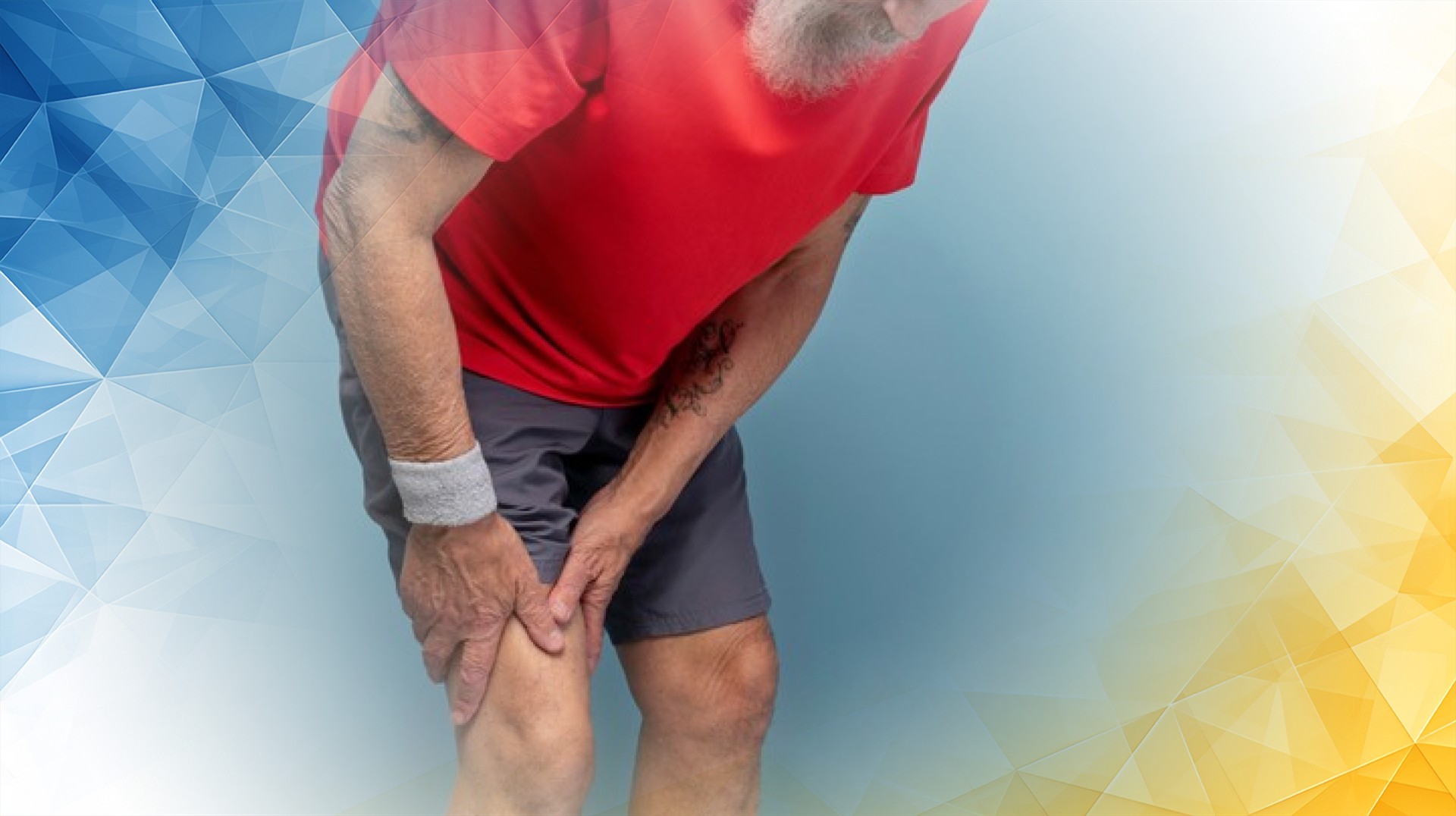
Right after an ACL tear , the body reacts quickly. Swelling typically develops within hours as blood from the damaged ligament accumulates inside the joint. The pain is often sharp and felt at the front or inside of the knee, and the area can become warm and stiff. Many people ask, “Can you walk with a torn ACL?” While some people are able to take a few steps, the knee usually feels unstable and can buckle unexpectedly, making walking both painful and risky.
A hallmark symptom is the feeling that the knee “gives out” or collapses under you, a direct result of lost ligament stability. Noticing these signs early is important so you can seek medical attention and avoid making the injury worse. Quick recognition and prompt action set the stage for a smoother recovery.
An ACL tear rarely exists in isolation—it can easily set off a chain of other knee issues if not managed properly. With the ACL’s stabilizing support compromised, the knee places extra stress on structures like the menisci (which act as shock absorbers) and the cartilage covering the bones. This increased strain can result in new injuries, such as meniscus tears or cartilage damage, compounding pain and instability.
Partial ACL tears may initially seem minor but can worsen without proper care, leading to chronic problems. Left untreated, a torn ACL substantially increases the risk of developing knee osteoarthritis —a degenerative joint disease marked by ongoing pain and stiffness. This unpredictability highlights why early diagnosis and intervention are so important: catching and addressing injuries early can keep them from spiraling into long-term, life-altering issues.
Treatment for an ACL tear depends on the injury’s severity, your activity level, and your goals. For active individuals and athletes, surgery to reconstruct the torn ligament is often recommended. ACL reconstruction restores stability and can help return the knee to full function. Recovery is a journey that typically takes six to nine months and involves a carefully structured rehabilitation program to rebuild strength, flexibility, and coordination.
However, not everyone needs surgery. Some people with partial tears or lower physical demands can do well without an operation. In these cases, physical therapy that targets the muscles around the knee helps stabilize the joint and support healing. Close monitoring is essential since recovery times and outcomes vary, and there remains some risk of further injury.
The key to success is personalized treatment—finding the best approach for you and your situation. Staying proactive, informed, and committed to your recovery plan can make a huge difference in your long-term outcome.
Preventing ACL injuries —and the complications that follow—is a growing area of focus in sports medicine. Research shows that neuromuscular training, such as exercises to improve muscle control, balance, and proper movement technique, can play a big role in lowering ACL injury risk. Starting these prevention programs early, especially for athletes, goes a long way toward avoiding the domino effect of knee problems.
Our understanding of knee biomechanics is evolving, leading to better rehabilitation strategies and more effective surgical techniques. As ongoing research continues to shed light on new approaches, there’s increasing hope for personalized injury prevention and treatment—and for helping people maintain healthy knees long after an ACL injury .
An ACL tear is more than just a painful injury—it sets off a complex chain reaction that can affect knee stability , movement, and long-term health. While the immediate pain and instability are obvious, the risk of further injury and gradual joint damage can persist if the initial tear isn’t properly managed. Prompt diagnosis, tailored treatment, and a focus on prevention are your best strategies to break this cycle.
By staying informed and working closely with medical professionals, you can navigate recovery with greater confidence and protect your knees for the future.
An ACL tear disrupts knee stability and movement more than many other injuries. It can trigger a cascade of issues, risking further damage to cartilage and meniscus. Seeking expertise, like that of Prof Lee at the London Cartilage Clinic, ensures early intervention and reduces the risk of long-term complications.
London Cartilage Clinic combines advanced techniques and a personalised approach, led by Prof Lee, an internationally recognised expert in knee injuries. His experience in managing complex ACL tears means patients receive tailored care focused on restoring optimal knee function and supporting every stage of rehabilitation and recovery.
Classic symptoms include a popping sensation, rapid swelling, pain, and a feeling your knee may ‘give way.’ If you experience these signs, especially after a sporting incident, prompt medical assessment at a specialist clinic such as London Cartilage Clinic ensures an accurate diagnosis and timely treatment recommendations.
Not all cases need surgery. Some partial tears or less active individuals may benefit from structured physiotherapy. Prof Lee assesses each case at London Cartilage Clinic, helping you choose the most appropriate pathway—whether surgical or conservative—based on your specific knee needs and lifestyle goals.
Prevention is key, especially for athletes. Exercises for strength, balance, and movement technique effectively lower ACL injury risk. London Cartilage Clinic provides expert advice on personalised prevention programmes, drawing on Prof Lee’s expertise to help you maintain healthy, resilient knees and safeguard long-term joint health.
All our treatments are selected to help patients achieve the best possible outcomes and return to the quality of life they deserve. Get in touch if you have any questions.
At London Cartilage Clinic, we are constantly staying up-to-date on the latest treatment options for knee injuries and ongoing knee health issues. As a result, our patients have access to the best equipment, techniques, and expertise in the field, whether it’s for cartilage repair, regeneration, or replacement.
For the best in patient care and cartilage knowledge, contact London Cartilage Clinic today.
At London Cartilage Clinic, our team has spent years gaining an in-depth understanding of human biology and the skills necessary to provide a wide range of cartilage treatments. It’s our mission to administer comprehensive care through innovative solutions targeted at key areas, including cartilage injuries. During an initial consultation, one of our medical professionals will establish which path forward is best for you.
Contact us if you have any questions about the various treatment methods on offer.
Legal & Medical Disclaimer
This article is written by an independent contributor and reflects their own views and experience, not necessarily those of londoncartilage.com. It is provided for general information and education only and does not constitute medical advice, diagnosis, or treatment.
Always seek personalised advice from a qualified healthcare professional before making decisions about your health. londoncartilage.com accepts no responsibility for errors, omissions, third-party content, or any loss, damage, or injury arising from reliance on this material. If you believe this article contains inaccurate or infringing content, please contact us at [email protected].