 Cartilage
 Knees
Knees Hip
Hip Shoulder
ChondroFiller Cartilage Regeneration Preparation and Recovery
02/03/26


Most of us don’t give much thought to knee cartilage —at least, not until something goes wrong. Yet this specialized tissue plays a vital role in keeping our knees moving smoothly and pain-free. Cartilage acts as a cushion between the bones in the knee joint , reducing friction and absorbing shocks whenever we walk, run, or jump. Understanding how knee cartilage works is key to recognizing and treating common joint problems, like osteoarthritis or cartilage injuries. In recent years, exciting scientific advances have changed the way we view, diagnose, and repair damaged knee cartilage . Let’s explore how these breakthroughs are reshaping care and offering new hope for healthier joints .
Knee cartilage is a tough yet flexible tissue that covers the ends of the bones in your knee—the femur (thigh bone), tibia (shinbone), and patella (kneecap). It’s made up of a dense network of proteins and specialized cells called chondrocytes that help maintain its structure. This design allows cartilage to withstand the constant pressure our knees experience with daily movement.
A key fact about knee cartilage is that it doesn’t have its own blood supply. While this helps keep it durable and smooth, it also means it has a very limited ability to heal if injured. Because of this, early detection of cartilage problems is crucial to prevent further joint damage . Healthy cartilage lets your knee move with little friction, providing joint stability and fluid motion.
Recent research also shows that the unique structure of knee cartilage can vary depending on the type and exact location within the joint. These subtle differences can affect both how cartilage responds to injury and how it heals. Understanding these details is helping doctors and scientists create better ways to diagnose and repair cartilage damage.
For many years, doctors relied mainly on X-rays to check for knee problems. But X-rays only show bones and can’t reveal soft tissues like cartilage. The introduction of magnetic resonance imaging (MRI) has been a game changer. MRI provides clear, detailed images of cartilage and other soft tissues—without any exposure to radiation.
Recent advances in MRI technology, such as T2 mapping and delayed gadolinium-enhanced MRI of cartilage (dGEMRIC), go even further. These new methods can detect early changes in cartilage composition, sometimes before you experience any symptoms. By spotting these changes sooner, doctors have a better chance of intervening early and preventing more serious joint damage.
Ultrasound imaging has also improved. It uses sound waves to create on-the-spot pictures of soft tissues, including cartilage. Ultrasound is quick, non-invasive, and cost-effective—especially useful for checking cartilage near the surface of the knee. These modern imaging techniques help doctors diagnose knee problems faster and more accurately, as well as track how well different treatments are working over time.
Finding damaged cartilage is just the first step—the real excitement comes from new treatments that can actually help repair or even regrow it. While traditional approaches have focused on relieving pain and managing symptoms, breakthrough therapies in regenerative medicine aim to restore the cartilage itself.
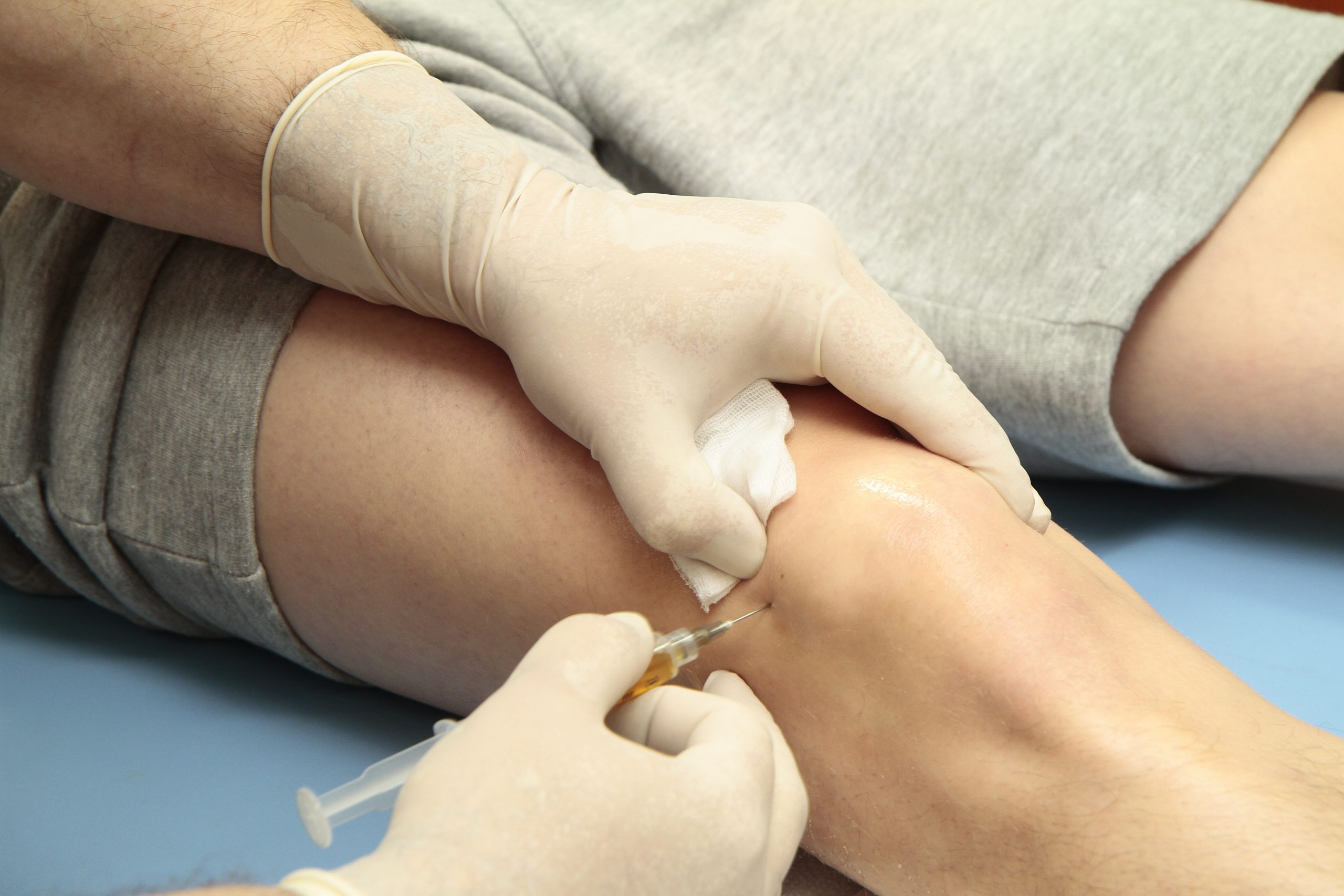
One promising approach is stem cell therapy . Doctors collect stem cells —cells that can turn into many different types, including cartilage cells—from sources like bone marrow or fat tissue. When introduced into the damaged area, these cells can stimulate the repair process by developing into new cartilage or by releasing natural substances that encourage healing.
Tissue engineering is another cutting-edge technique. Scientists create tiny supportive structures, or scaffolds, that act as frameworks for new cartilage cells to grow on. By combining these scaffolds with cells and growth factors, researchers can help produce cartilage that integrates with the joint.
Research continues to uncover new possibilities, such as gene therapy and advanced biomaterials that can boost the body’s natural healing abilities. These breakthroughs are moving medicine closer to not just repairing damaged cartilage , but also slowing or preventing conditions like osteoarthritis .
The future for knee cartilage treatment is bright, thanks to the combined progress in imaging and regenerative therapy. Advanced diagnostic tools now allow doctors to see exactly where and how cartilage is damaged, so they can deliver targeted, personalized treatments.
Experts predict that these new approaches will allow us to treat not just isolated cartilage injuries, but also broader issues affecting the whole joint. By focusing on both repairing cartilage and supporting overall joint health, doctors can help restore normal movement and potentially stop or reverse joint degeneration.
Personalized medicine is on the horizon: treatments that are tailored to your unique cartilage characteristics and your individual needs. As research moves forward, we can expect even more innovative solutions that connect the best diagnostics with transformative therapies—helping people recover faster and maintain healthier joints .
Knee cartilage is essential for smooth, pain-free movement, but it’s also vulnerable to damage and slow to heal. Thanks to advances in imaging—especially MRI and improved ultrasound—doctors can detect cartilage problems earlier and monitor treatments more effectively. Regenerative medicine , including stem cell therapy and tissue engineering, is opening the door to real cartilage repair and better joint health.
Together, these breakthroughs are revolutionizing the understanding and treatment of knee cartilage injuries. Innovative science is bringing hope for more effective, personalized care—and the promise of helping millions live with less pain and more mobility.
Grande, D. A., Schwartz, J. A., Brandel, E., Chahine, N. O., & Sgaglione, N. A. (2013). Articular Cartilage Repair. Cartilage, 4(4), 281-285. https://doi.org/10.1177/1947603513494402
Nehrer, S., & Vannini, F. (2016). Ankle cartilage repair. Cartilage, 8(1), 11-11. https://doi.org/10.1177/1947603516678519
Rathnayake, M. S. B., Farrugia, B. L., Kulakova, K., ter Voert, C. E. M., van Osch, G. J.V.M., & Stok, K. S. (2021). Macromolecular Interactions in Cartilage Extracellular Matrix Vary According to the Cartilage Type and Location. Cartilage, 13(2_suppl), 476S-485S. https://doi.org/10.1177/19476035211000811
London Cartilage Clinic offers state-of-the-art diagnostics and access to the latest regenerative therapies. With a patient-focused approach, the clinic delivers personalised care for all knee cartilage issues. Led by the highly experienced Prof Lee, the team ensures each patient benefits from innovative treatments and expert guidance for joint health.
Prof Lee is a renowned expert specialising in knee cartilage repair and regenerative medicine. He has extensive experience with advanced imaging and leading-edge therapies such as stem cell treatments and tissue engineering. His commitment to scientific innovation and patient wellbeing distinguishes his practice at London Cartilage Clinic from others.
At the London Cartilage Clinic, the team utilises high-resolution MRI with T2 mapping and advanced ultrasound to visualise cartilage and other knee tissues. These pioneering methods enable early, accurate diagnosis, allowing Prof Lee to tailor management plans specifically for each patient’s unique needs and joint characteristics.
London Cartilage Clinic focuses on regenerative medicine techniques, such as stem cell therapy and tissue engineering. These methods can stimulate cartilage repair and support natural healing, rather than just masking symptoms. Prof Lee’s evidence-based procedures provide innovative options for people seeking more lasting joint health solutions.
Patients at London Cartilage Clinic can expect continued advancements in both imaging and regenerative therapies. The clinic and Prof Lee are committed to staying at the forefront of cartilage care, offering personalised treatments and adopting the latest research to help patients maintain mobility and joint health into the future.
All our treatments are selected to help patients achieve the best possible outcomes and return to the quality of life they deserve. Get in touch if you have any questions.
At London Cartilage Clinic, we are constantly staying up-to-date on the latest treatment options for knee injuries and ongoing knee health issues. As a result, our patients have access to the best equipment, techniques, and expertise in the field, whether it’s for cartilage repair, regeneration, or replacement.
For the best in patient care and cartilage knowledge, contact London Cartilage Clinic today.
At London Cartilage Clinic, our team has spent years gaining an in-depth understanding of human biology and the skills necessary to provide a wide range of cartilage treatments. It’s our mission to administer comprehensive care through innovative solutions targeted at key areas, including cartilage injuries. During an initial consultation, one of our medical professionals will establish which path forward is best for you.
Contact us if you have any questions about the various treatment methods on offer.
Legal & Medical Disclaimer
This article is written by an independent contributor and reflects their own views and experience, not necessarily those of londoncartilage.com. It is provided for general information and education only and does not constitute medical advice, diagnosis, or treatment.
Always seek personalised advice from a qualified healthcare professional before making decisions about your health. londoncartilage.com accepts no responsibility for errors, omissions, third-party content, or any loss, damage, or injury arising from reliance on this material. If you believe this article contains inaccurate or infringing content, please contact us at [email protected].