How Turf Toe Can Lead to Labrum Tear Complications

How Turf Toe Can Lead to Labrum Tear Complications

John Davies

Written By John Davies

What Is a Hip Labral Tear and Why Is It Important?

A hip labral tear is an injury to the ring of cartilage (labrum) that lines the socket of your hip joint. This cartilage helps stabilize your hip and cushions the bones as you move. When the labrum is damaged or torn, it can lead to pain, stiffness, and limited mobility. If left untreated, a labral tear can progress and contribute to further joint problems, including arthritis. In this article, we’ll discuss the key symptoms of a hip labral tear, why diagnosis can be challenging, and highlight the newest advances in both detecting and treating this injury.

Recognizing the Symptoms and Diagnostic Challenges

Symptoms of a torn hip labrum are often subtle, and can easily be mistaken for other hip problems. Most people feel a deep, aching pain in the groin or outside of the hip, which may worsen with activity or certain movements, such as twisting or turning. Some also notice a catching, locking, or clicking feeling in the hip, along with stiffness and reduced range of motion.

Since these symptoms overlap with conditions like arthritis or bursitis, labral tear s are sometimes overlooked during initial medical assessments. While a careful physical exam and a detailed discussion of symptoms are important first steps, they often aren’t enough to confirm a tear. Additional testing is usually needed to avoid misdiagnosis and ensure the right treatment is started promptly.

How Modern Technology Is Improving Diagnosis

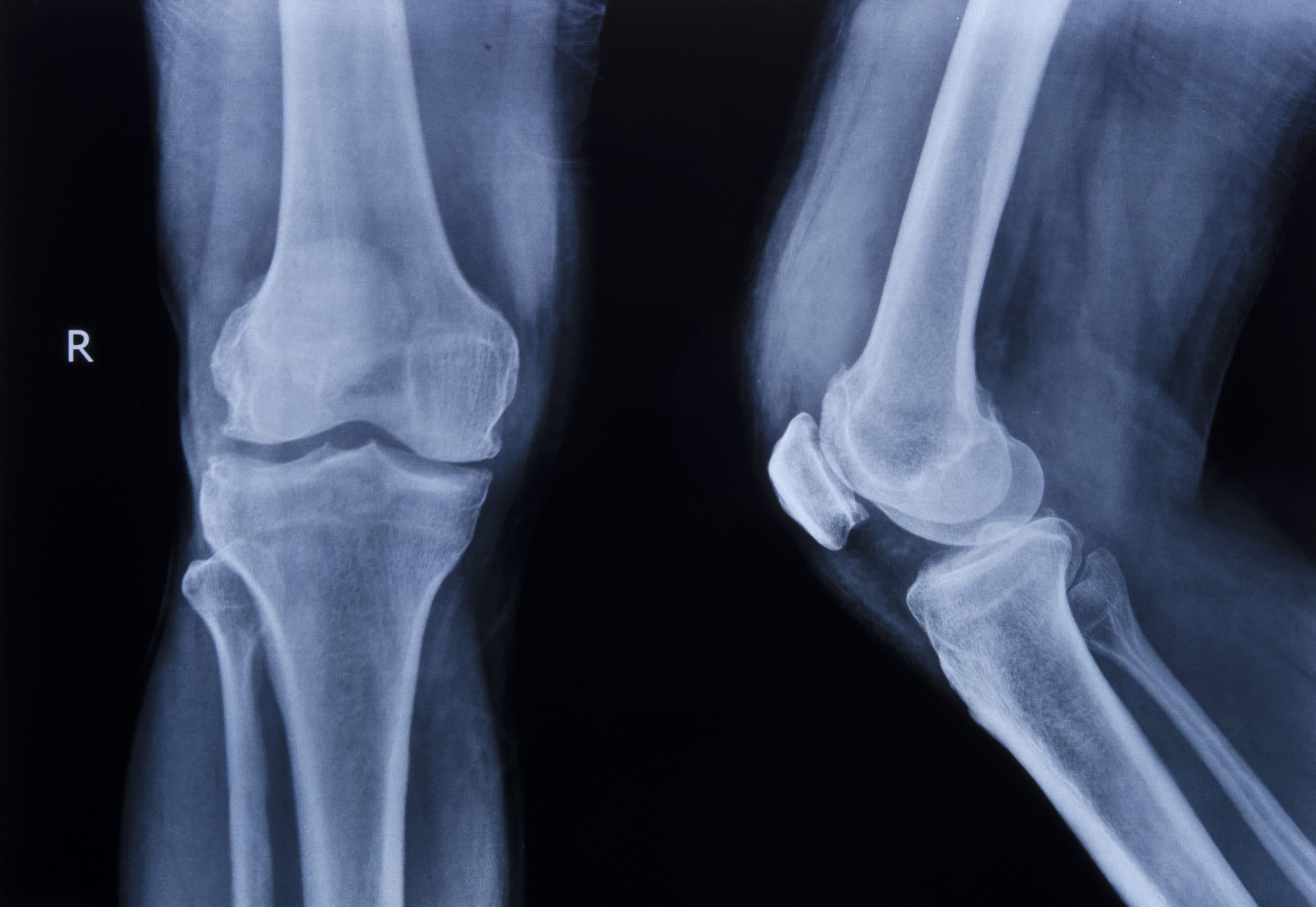
Thanks to recent advances in medical imaging , doctors are now better equipped to accurately diagnose hip labral tear s. The most common diagnostic tool is magnetic resonance imaging (MRI), and when used with a contrast dye (magnetic resonance arthrography or MRA), it gives especially detailed views of the hip joint , making even small tears easier to spot.

Emerging technologies, such as 3D imaging and ultrasound elastography, are also starting to play a role. These innovative tools can offer non-invasive, precise assessments of the labrum and overall hip stability . Research shows that these advanced imaging techniques not only lead to quicker, more accurate diagnoses but also allow doctors to create treatment plans tailored to each patient’s specific needs.

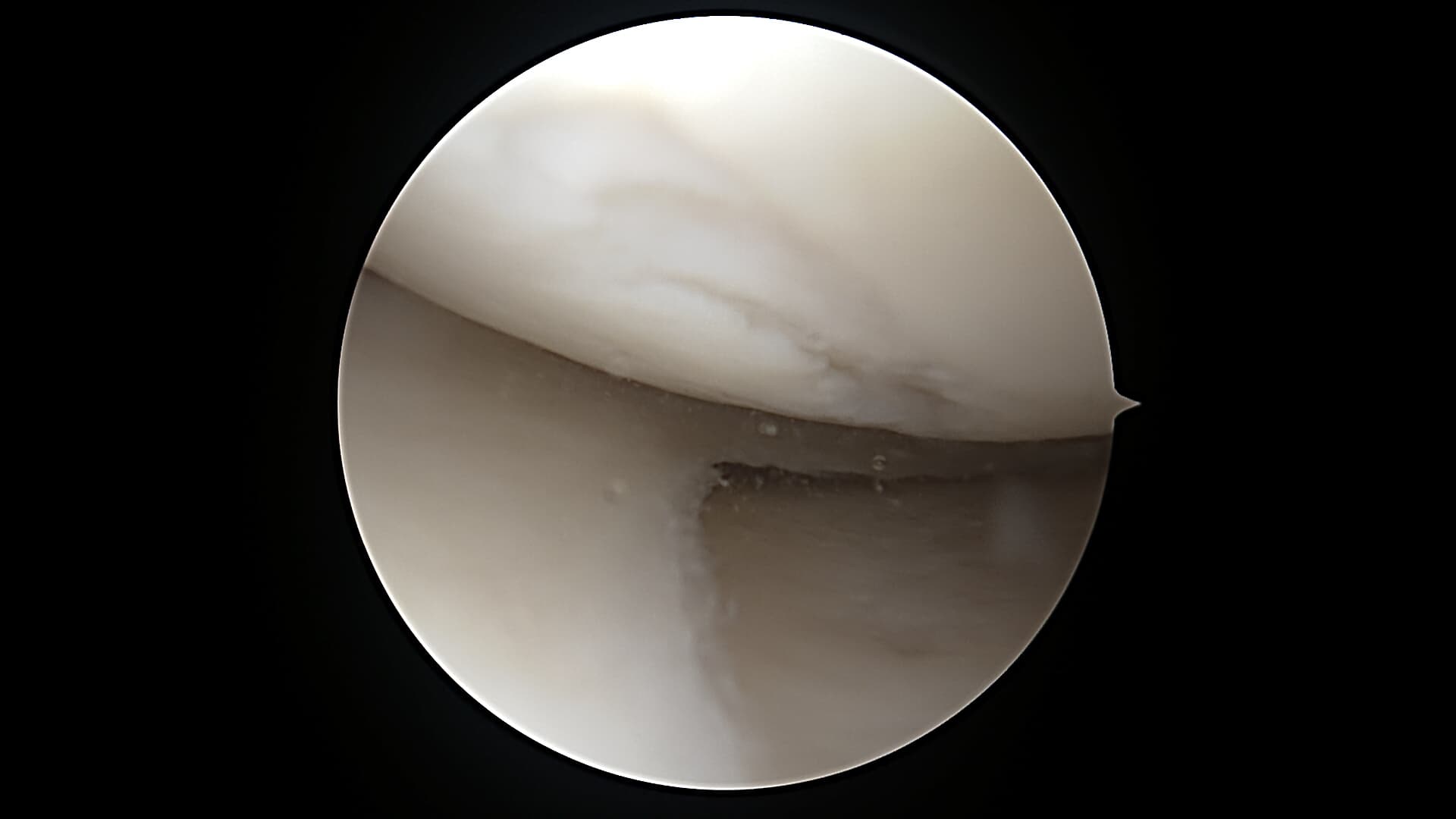
Arthroscopy —where a small camera is inserted into the hip—remains a gold standard for directly visualizing and sometimes treating the tear. These advances in imaging and minimally invasive diagnostics help ensure patients get the right care sooner, which is crucial for preventing further damage.

Exploring Treatment Options and Rehabilitation

Treatment for a hip labral tear depends on the severity of the injury and the patient’s lifestyle. Many people can start with non-surgical options, such as physical therapy focused on strengthening the muscles supporting the hip. Activity modification and anti-inflammatory medication may also help manage discomfort and promote healing.

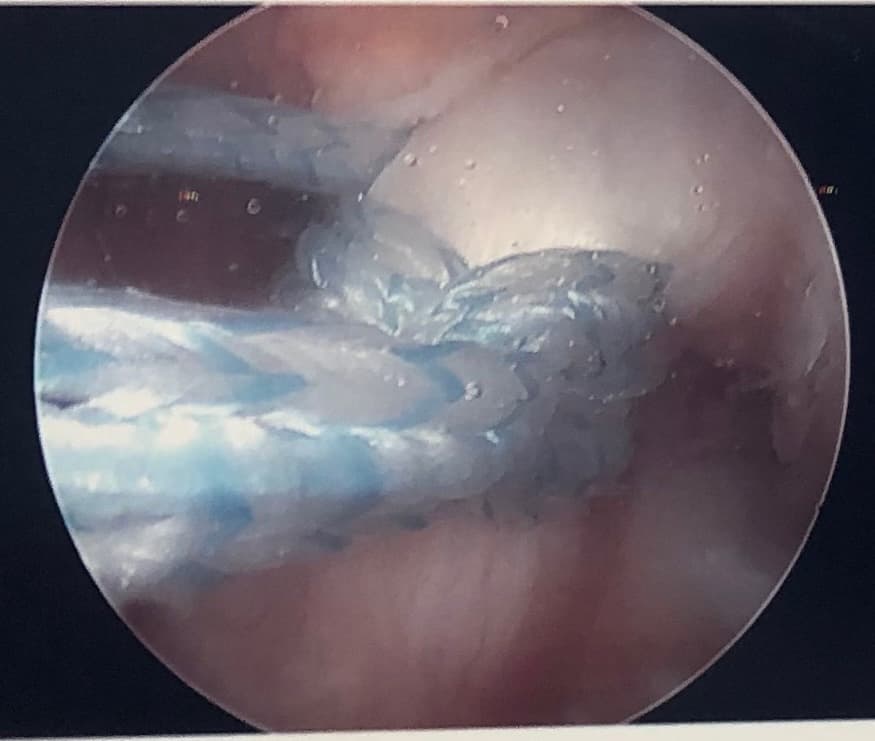
If symptoms persist or the tear is more significant, surgery may be recommended. Arthroscopic surgery is a minimally invasive procedure that allows surgeons to repair or remove the damaged section of the labrum while preserving as much healthy tissue as possible. Recovery after surgery involves a tailored physical therapy program, designed to restore mobility, strength, and function.

Thanks to ongoing improvements in surgical techniques and rehabilitation protocols , most people experience significant improvements in both pain and mobility. While complications are rare, it’s important for both patients and clinicians to be aware of potential risks and discuss them ahead of time. Studies have shown that the majority of patients have positive outcomes one year after surgery, with most reporting less pain and greater movement .

Looking Ahead: The Future of Hip Labral Tear Care

In summary, recognizing the signs of a hip labral tear and understanding the challenges of diagnosis are key to getting effective treatment. Modern imaging has revolutionized how quickly and accurately doctors can detect these injuries , leading to better and earlier care. At the same time, advances in both non-surgical and surgical treatments, alongside personalized rehabilitation, are providing excellent results for patients.

As research continues, we can look forward to even more refined diagnostic tools and treatment strategies, paving the way for more personalized, effective care and a brighter outlook for those living with hip labral tear s .

References

Conn, K. S., & Villar, R. (1998). The torn acetabular labrum – a hip arthroscopist’s view. Der Orthopäde, 27(10), 699-703. https://doi.org/10.1007/pl00003455
Ikeda, T., Awaya, G., Suzuki, S., Okada, Y., & Tada, H. (1988). Torn acetabular labrum in young patients. Arthroscopic diagnosis and management. The Journal of Bone and Joint Surgery. British Volume, 70-B(1), 13-16. https://doi.org/10.1302/0301-620x.70b1.3339044
Rehan-Ul-Haq, Yang, H. K., Park, K. S., Lee, K. B., & Yoon, T. R. (2009). An unusual case of chondrolysis of the hip following excision of a torn acetabular labrum. Archives of Orthopaedic and Trauma Surgery, 130(1), 65-70. https://doi.org/10.1007/s00402-009-0837-5

Frequently Asked Questions

Patients with a hip labral tear often experience deep, aching pain in the groin or outer hip. This discomfort may worsen with activity or twisting movements. Other common symptoms include clicking, locking, or catching sensations in the hip, along with stiffness and restricted mobility, signalling a need for professional medical assessment.

London Cartilage Clinic employs cutting-edge imaging, like MRI and contrast-enhanced MRA, to deliver precise diagnoses. With emerging technologies such as 3D imaging and ultrasound elastography, the clinic offers non-invasive, accurate assessments, helping patients receive timely, targeted treatment plans. This diagnostic advantage ensures the best possible foundation for recovery.

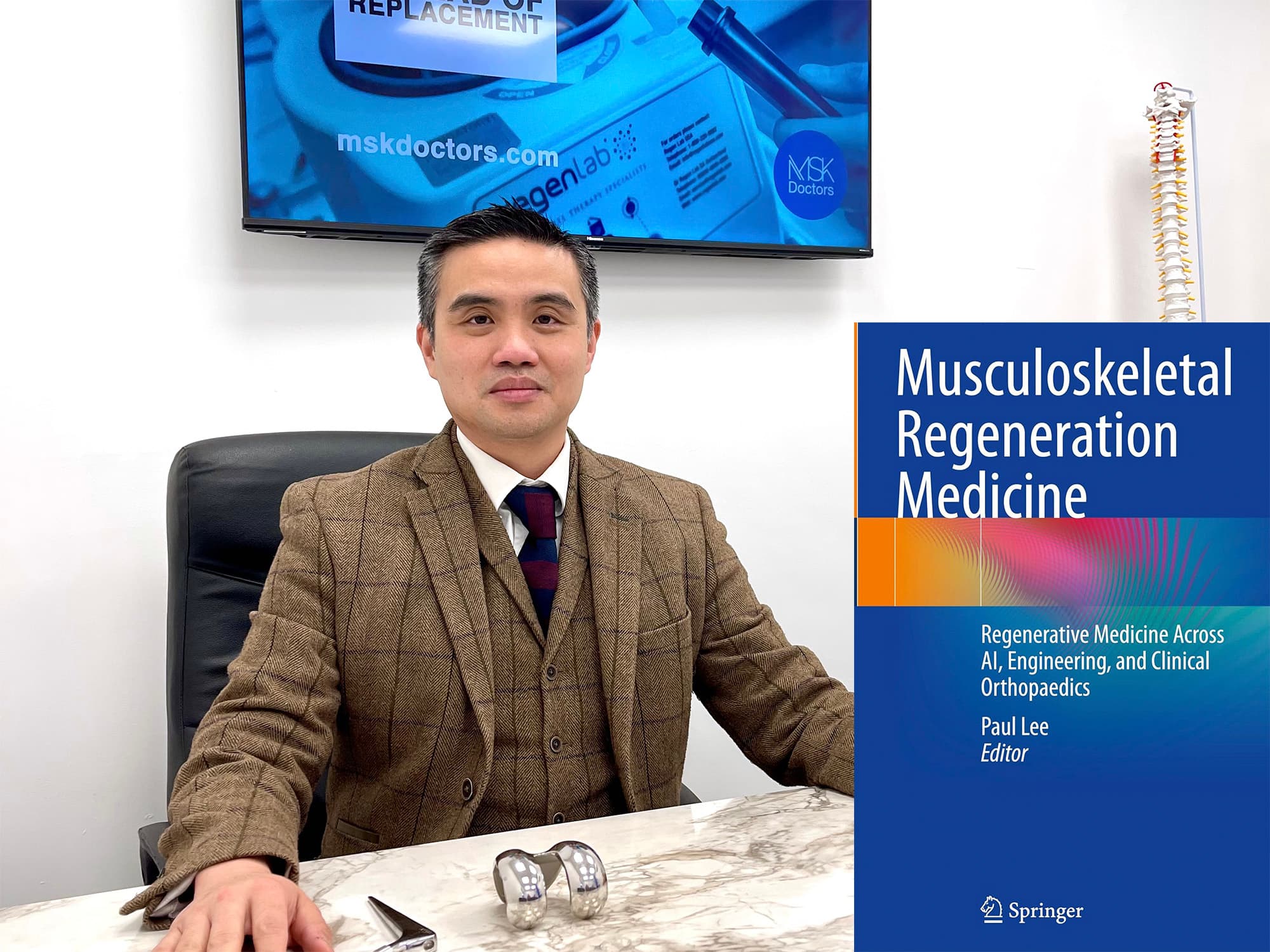
Prof Lee is highly experienced and respected for his expertise in diagnosing and treating complex cartilage injuries, including hip labral tears. He combines state-of-the-art technology, innovative techniques, and individualised care to optimise every patient’s outcome. His approach ensures patients benefit from the latest research in joint preservation and rehabilitation.

London Cartilage Clinic provides a comprehensive range of treatments, from expert-led physical therapy and rehabilitation to minimally invasive arthroscopic surgery when needed. Each patient’s plan is personalised by Prof Lee and his team, focusing on restoring function, alleviating pain, and supporting long-term mobility, always guided by the latest clinical advancements.

Patients at London Cartilage Clinic benefit from a collaborative, tailored rehabilitation programme. Prof Lee and the multidisciplinary team support recovery through expert physiotherapy, continuous monitoring, and advanced care protocols. Emphasis is placed on achieving improved mobility and quality of life, with ongoing guidance and encouragement throughout the healing process.


All our treatments are selected to help patients achieve the best possible outcomes and return to the quality of life they deserve. Get in touch if you have any questions.

Modern Treatments with Long Lasting Results

At London Cartilage Clinic, we are constantly staying up-to-date on the latest treatment options for knee injuries and ongoing knee health issues. As a result, our patients have access to the best equipment, techniques, and expertise in the field, whether it’s for cartilage repair, regeneration, or replacement.

For the best in patient care and cartilage knowledge, contact London Cartilage Clinic today.

Cartilage Experts

At London Cartilage Clinic, our team has spent years gaining an in-depth understanding of human biology and the skills necessary to provide a wide range of cartilage treatments. It’s our mission to administer comprehensive care through innovative solutions targeted at key areas, including cartilage injuries. During an initial consultation, one of our medical professionals will establish which path forward is best for you.

Contact us if you have any questions about the various treatment methods on offer.

Book a free chat

We can help!

If you’re looking for support with effective cartilage treatment, our specialists non medical associate can help. Fill in your details below and a member of our team will get in touch with you as soon as possible.

team