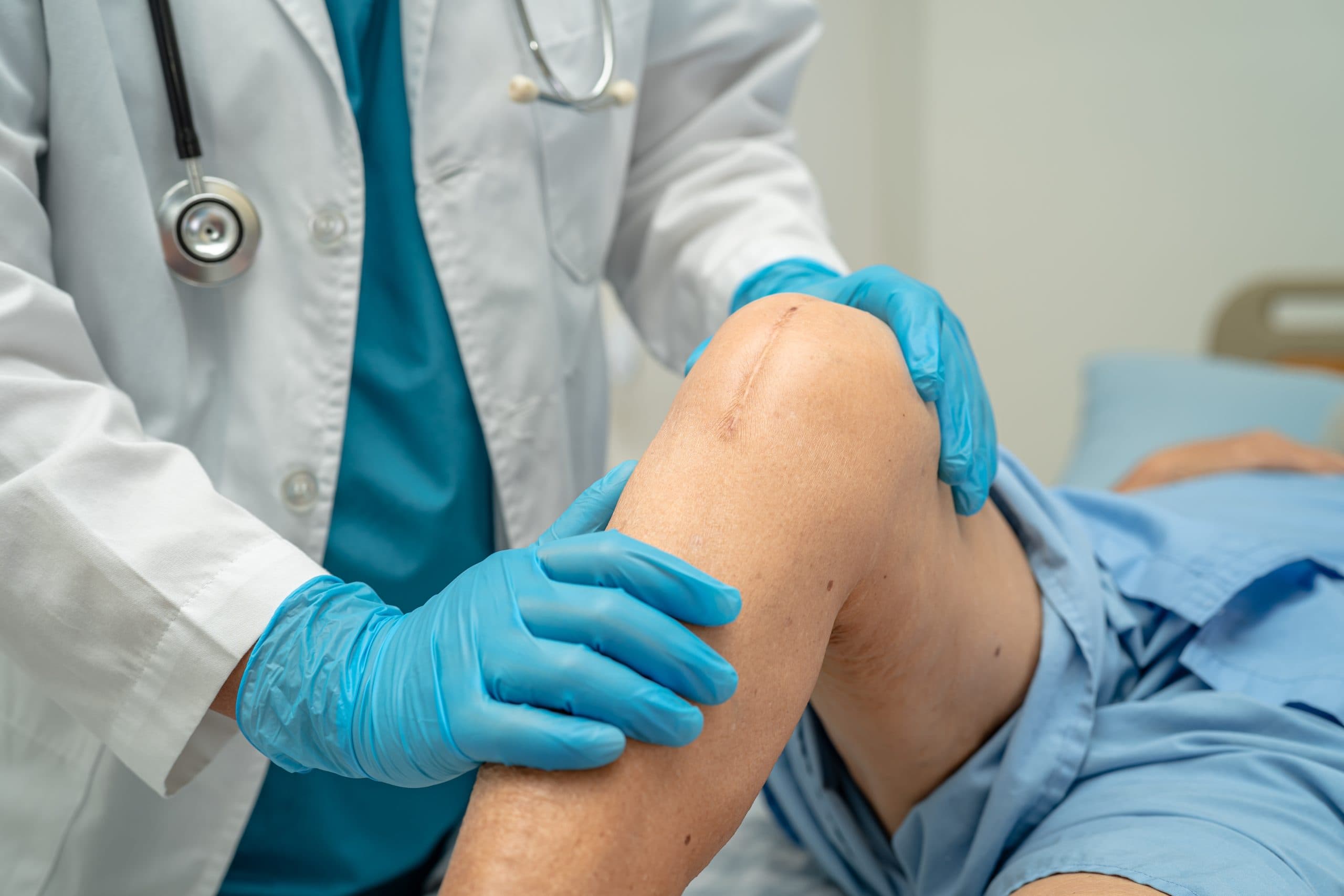
The anterior cruciate ligament (ACL) is a key structure in the knee, essential for keeping it stable and allowing smooth, everyday movement. ACL injuries are common, especially among athletes and active individuals. However, these injuries can vary widely in severity. Knowing the difference between a partial and a complete ACL tear is important for anyone facing this injury or simply wanting to understand knee health better. In this article, we’ll break down what each injury means, how to recognise their symptoms, what happens during diagnosis, treatment options, and what recovery typically looks like. Remember, if you suspect an ACL injury, you’re not alone – expert help is available.
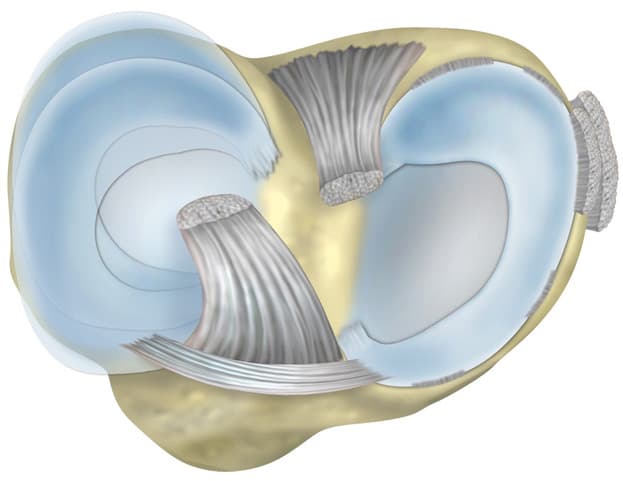
The ACL connects your thigh bone (femur) to your shinbone (tibia) and provides crucial stability, especially when twisting or pivoting your knee. When the ACL is overstretched beyond its limit, it can tear. This tear may be partial, where some ligament fibres are damaged but still intact, or complete, where the ligament is totally torn through. Understanding this difference matters because it directly impacts how stable your knee is and what treatment options are best suited to you. Recognising whether you have a partial or complete tear helps healthcare professionals personalise your care to safeguard your knee now and in the future.
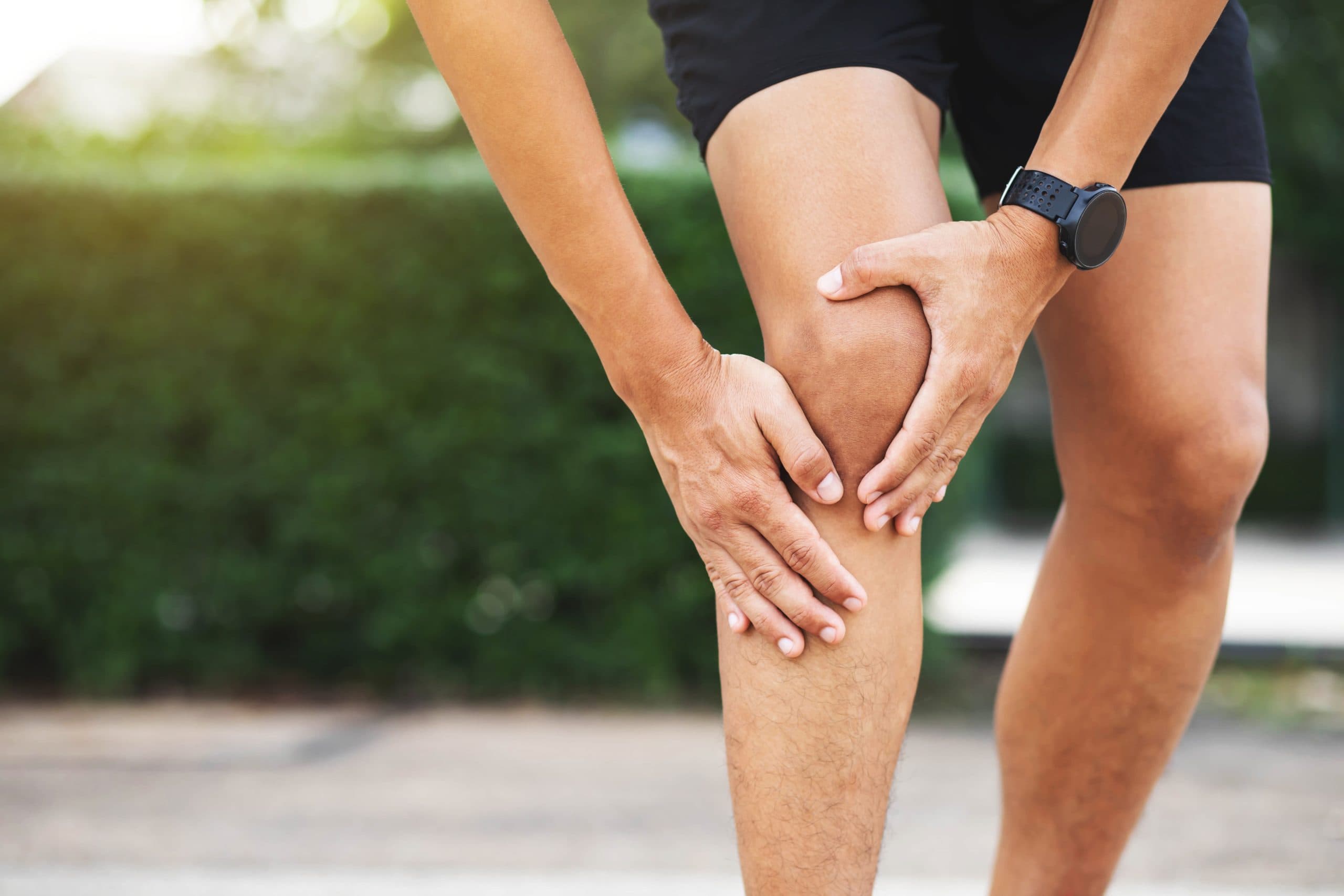
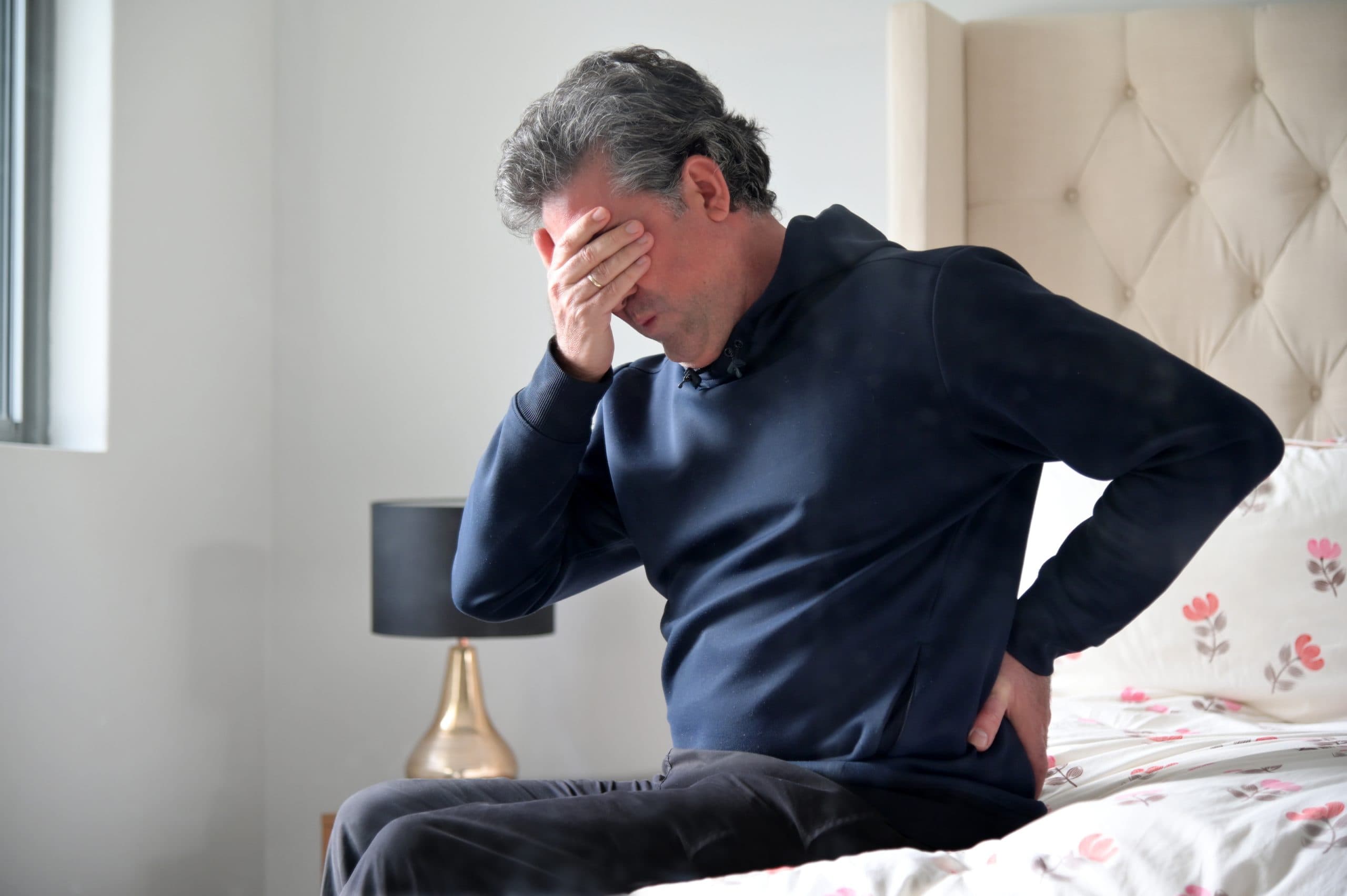
Partial ACL tears usually present with moderate knee pain and swelling that develops over a few hours. You might feel your knee “giving way” during movement, especially when making quick turns. Despite the injury, you may still be able to walk and use your knee with some discomfort.
Complete ACL ruptures are often more dramatic. You might hear a loud “pop” when the injury happens, followed by sudden and significant swelling due to bleeding inside the joint. The pain can be severe, and many people find it difficult or impossible to put weight on the affected leg. There’s usually a strong sensation that the knee is unstable and may buckle unexpectedly.
When symptoms overlap or feel confusing, it’s important to get a thorough medical check. A healthcare professional can provide an accurate diagnosis and help prevent further issues.
Here’s a quick comparison to help you spot the differences:
If you experience these signs, seek specialist advice without delay.
Diagnosing an ACL tear starts with a detailed chat about how your injury happened and your symptoms. The clinician then examines your knee to test its stability and movement through specific physical tests.
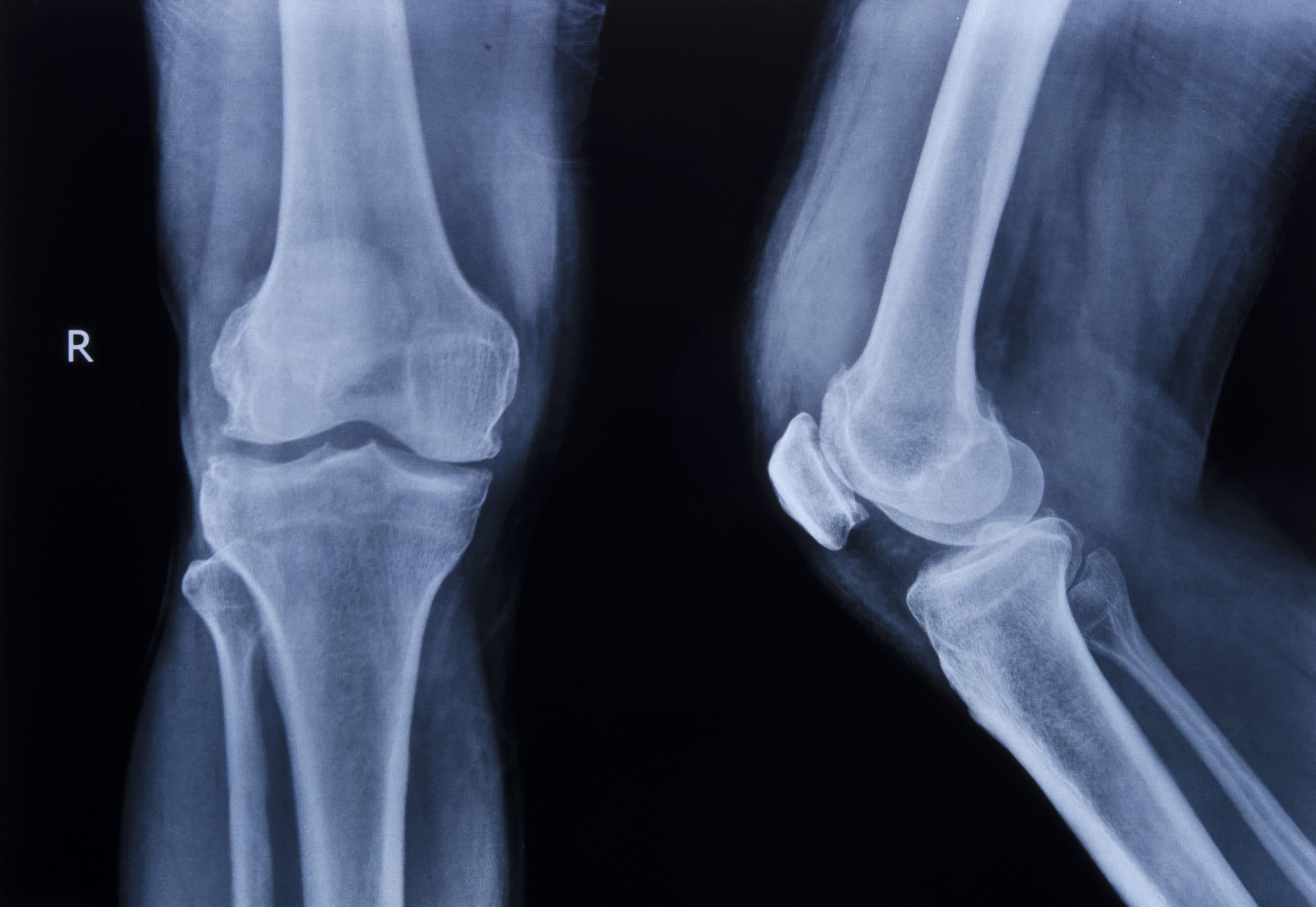
Imaging scans, particularly MRI, are crucial. They allow doctors to see the ligament fibres clearly and distinguish between partial and complete tears. This detailed picture helps guide treatment decisions.
Expertise matters — clinicians such as Professor Paul Lee, with deep knowledge in orthopaedics and rehabilitation, provide thorough assessments in professional settings like the London Cartilage Clinic. Accurate diagnosis ensures you get the right treatment promptly, improving outcomes and reducing complications.
Treatment depends on the severity of your tear. For partial tears, many surgeons prefer non-surgical approaches. A recent international survey reported that “92% of respondents opted for nonoperative management of partial ACL injuries” (Frey et al., 2025). This usually involves a tailored rehabilitation programme focusing on strengthening muscles and improving stability, sometimes using braces and modifying your activities to protect your knee. However, “nonoperative treatment and return-to-sport protocols varied and must be customised to the patient,” underlining the importance of personalised care.
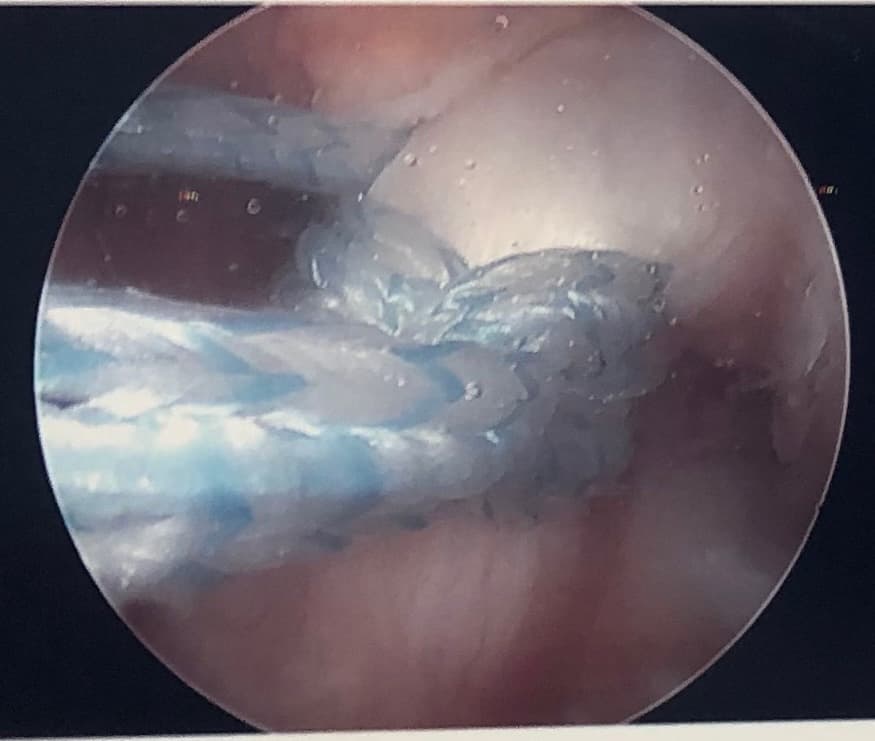
On the other hand, complete ACL ruptures generally require surgery, particularly for younger or more active patients. This involves reconstructing the ligament using a graft, followed by a structured and often lengthy rehabilitation programme designed to restore strength, movement, and confidence in your knee.
Recovering from a partial tear may take between three and six months, while recovering from surgery for a complete rupture might take six to twelve months or more, depending on individual factors.
Deciding on the right treatment path means considering your lifestyle, activity goals, and commitment to rehabilitation. Both surgical and non-surgical routes demand dedication for the best chance of success.
ACL injuries don’t just affect your body—they can also impact your mental health. Many people feel anxious about re-injury, frustrated by physical limits, or overwhelmed by the long recovery process.
Recovery timelines will vary according to whether your tear is partial or complete. Partial tears often let you return to some activity sooner but require caution. As highlighted in recent research, “functional performance tests, painless Lachman, strength, and swelling were key tools used to decide when to return to sport” (Frey et al., 2025). Complete tears require a longer, step-by-step rehab plan to rebuild strength, mobility, and confidence.
Furthermore, contemporary research notes that rehabilitation is an evolving field: “This article offers useful suggestions for the prevention and rehabilitation of this injury,” showing how ongoing advances can help improve your recovery journey (Shephard et al., 2014b).
It’s vital to follow your medical and physiotherapy team’s advice, avoid rushing back into high-risk activities, and maintain regular strength exercises to protect your knee in the long run.
At the London Cartilage Clinic, patients benefit from expert care and personalised support from Professor Paul Lee and his team, ensuring every step of recovery suits your individual needs.
In short, understanding whether you have a partial or complete ACL tear is essential in selecting the right treatment and having realistic expectations for recovery. If you suspect an ACL injury, don’t delay seeking expert advice—it’s key to preserving your knee health for the future.
For personalised medical guidance, always consult a qualified healthcare professional.
Partial ACL tears involve only some ligament fibres and cause moderate pain, while complete tears mean the ligament is fully ruptured, leading to severe pain and significant instability. Accurate diagnosis, as provided at London Cartilage Clinic, is crucial for appropriate management.
Diagnosing ACL injuries involves clinical assessment and imaging, often using MRI scans. Expert evaluation, such as that provided by Professor Paul Lee at London Cartilage Clinic, ensures a thorough and personalised diagnosis, which is vital for planning effective treatment and enhancing recovery outcomes.
Partial ACL injuries are often managed non-surgically with individualised rehabilitation. Complete ruptures tend to require surgical reconstruction, followed by structured rehabilitation. Professor Paul Lee’s experience ensures patients at London Cartilage Clinic receive the most appropriate, evidence-based treatment plans tailored to their needs.
Recovery time varies: partial tears may recover in months, while complete ruptures often take longer. Patients at London Cartilage Clinic receive comprehensive support from Professor Paul Lee and his team, tailored to their level of activity and personal circumstances, supporting both physical and mental recovery.
Patients benefit from Professor Paul Lee’s international expertise, his advisory roles with the Royal College of Surgeons of Edinburgh, and the London Cartilage Clinic’s patient-focused, tailored approach—ensuring the highest standards of assessment, treatment, and ongoing care for ACL injuries.
All our treatments are selected to help patients achieve the best possible outcomes and return to the quality of life they deserve. Get in touch if you have any questions.
At London Cartilage Clinic, we are constantly staying up-to-date on the latest treatment options for knee injuries and ongoing knee health issues. As a result, our patients have access to the best equipment, techniques, and expertise in the field, whether it’s for cartilage repair, regeneration, or replacement.
For the best in patient care and cartilage knowledge, contact London Cartilage Clinic today.
At London Cartilage Clinic, our team has spent years gaining an in-depth understanding of human biology and the skills necessary to provide a wide range of cartilage treatments. It’s our mission to administer comprehensive care through innovative solutions targeted at key areas, including cartilage injuries. During an initial consultation, one of our medical professionals will establish which path forward is best for you.
Contact us if you have any questions about the various treatment methods on offer.
Legal & Medical Disclaimer
This article is written by an independent contributor and reflects their own views and experience, not necessarily those of londoncartilage.com. It is provided for general information and education only and does not constitute medical advice, diagnosis, or treatment.
Always seek personalised advice from a qualified healthcare professional before making decisions about your health. londoncartilage.com accepts no responsibility for errors, omissions, third-party content, or any loss, damage, or injury arising from reliance on this material. If you believe this article contains inaccurate or infringing content, please contact us at [email protected].