Meniscus injuries are a common cause of knee pain, affecting everyone from athletes to everyday walkers. If you’re dealing with a torn meniscus , you might be wondering: can it heal on its own, without surgery? The answer depends on several factors—especially the type of tear, its location, and your age. In this article, we’ll break down how these factors shape your chances of natural healing and help you understand when non-surgical care or surgery might be best.
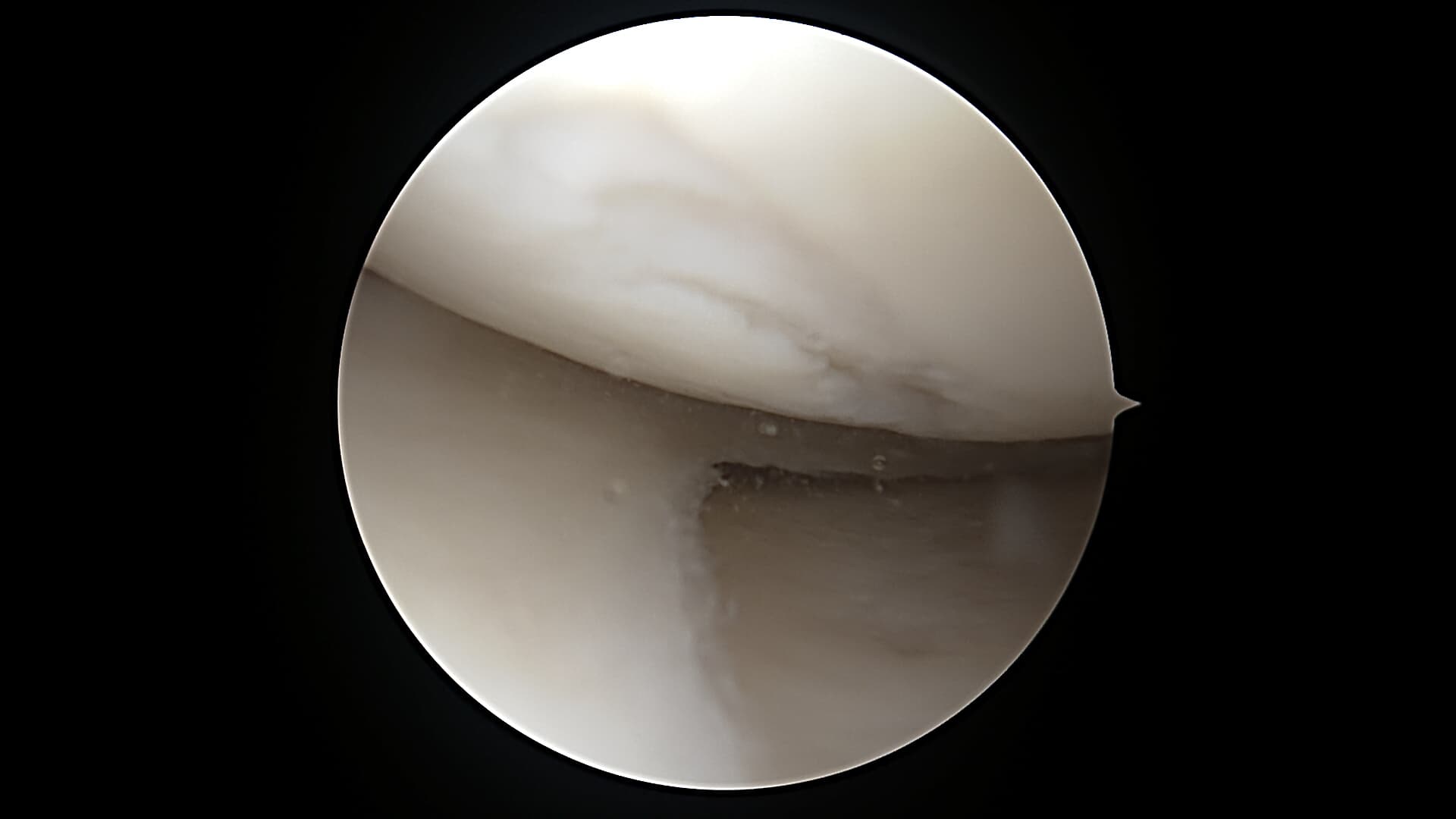
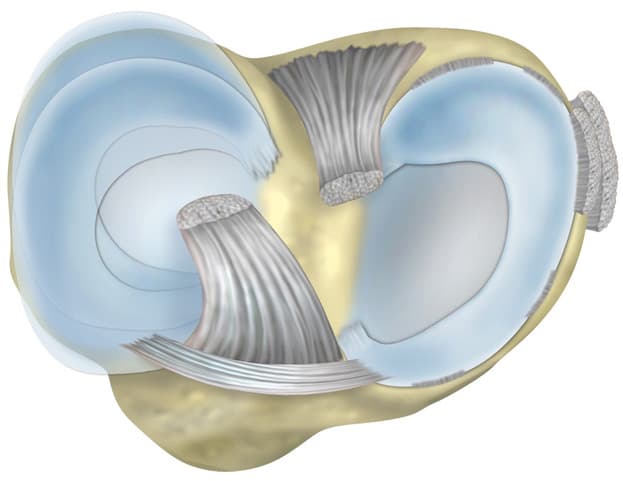
Not all meniscus tears are the same. The meniscus—a crescent-shaped piece of cartilage in your knee—can tear in different ways. There are radial tears, which cut from the inner edge outward, and bucket-handle tears, where a part of the meniscus flips into the joint. Each type has its own outlook for recovery.
Where a tear is located is especially important. The outer edge of the meniscus , known as the “red zone,” has good blood supply, which helps tissues heal . In contrast, the inner “white zone” gets very little blood, making recovery slower or, in some cases, unlikely without help. Tears in the well-vascularized red zone are much more likely to mend on their own. Remarkably, even some radial tears—with surrounding tissue intact—have shown spontaneous healing in studies.
Orthopedic research has shown that when enough healthy meniscal tissue remains, the meniscus can sometimes regain function even after significant damage. For example, surgeons have successfully used surviving tissue to reconstruct parts of a damaged meniscus , resulting in healing and good patient satisfaction several years later (Ahn et al., 2009).
Not only does tear type influence healing, but it can affect how much the rest of the knee deteriorates. Research shows that the kind of tear and its appearance on MRI scans are linked to the likelihood of developing other knee problems, such as cartilage damage or bone spurs (Ahn et al., 2010). In short, understanding your tear’s characteristics can help guide the best treatment.
As a rule, bucket-handle tears often require surgery, since a displaced meniscal fragment can cause the knee to lock up. But there are also cases where rehabilitation and rest, rather than surgery, have led to recovery. Recognizing these differences helps explain why some meniscus tears heal naturally while others need more intervention.
Age is another major factor affecting meniscus healing . Younger people—children and teens in particular—have a remarkable ability to recover from meniscus injuries . Their tissue is more active, with better blood flow and cellular regeneration, helping tears mend faster and more completely.
Studies have found that pediatric patients with meniscus tears can sometimes heal without surgery, while older adults have a tougher time. As we age, the meniscus becomes more worn and less vascular, reducing its ability to heal naturally. This means older patients may need longer recovery times or more often require surgery.
Research also suggests that older adults are more likely to have additional knee problems at the time of a meniscus tear , such as cartilage damage or bone spurs , which further reduces the chance of full recovery with conservative care alone (Ahn et al., 2010). Young patients are more likely to succeed with non-surgical approaches, while older adults may need more active intervention.
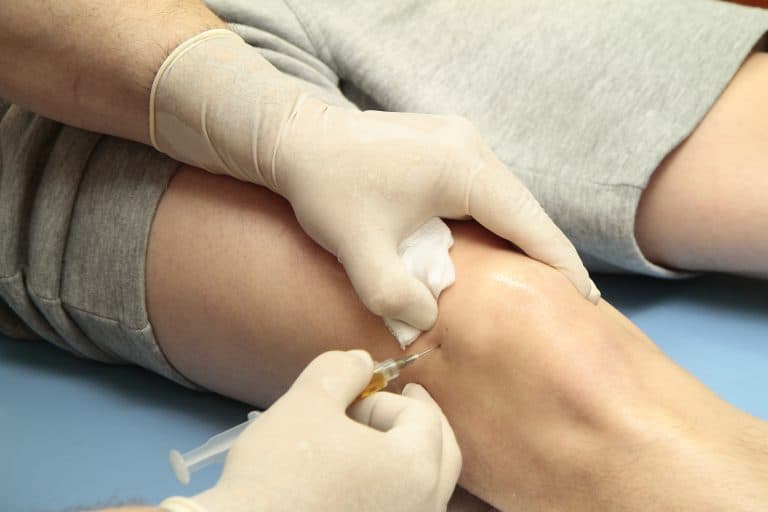
When you have a torn meniscus , treatment usually falls into two categories: conservative (non-surgical) care or surgery.
Conservative care includes physical therapy , lifestyle modifications, and medications to manage pain and inflammation. This approach can work very well, particularly for small tears in the red zone where blood supply supports healing. Research shows that many patients successfully recover with physical therapy alone, reducing the need for surgery as a first step (Hwang & Kwoh, 2014).
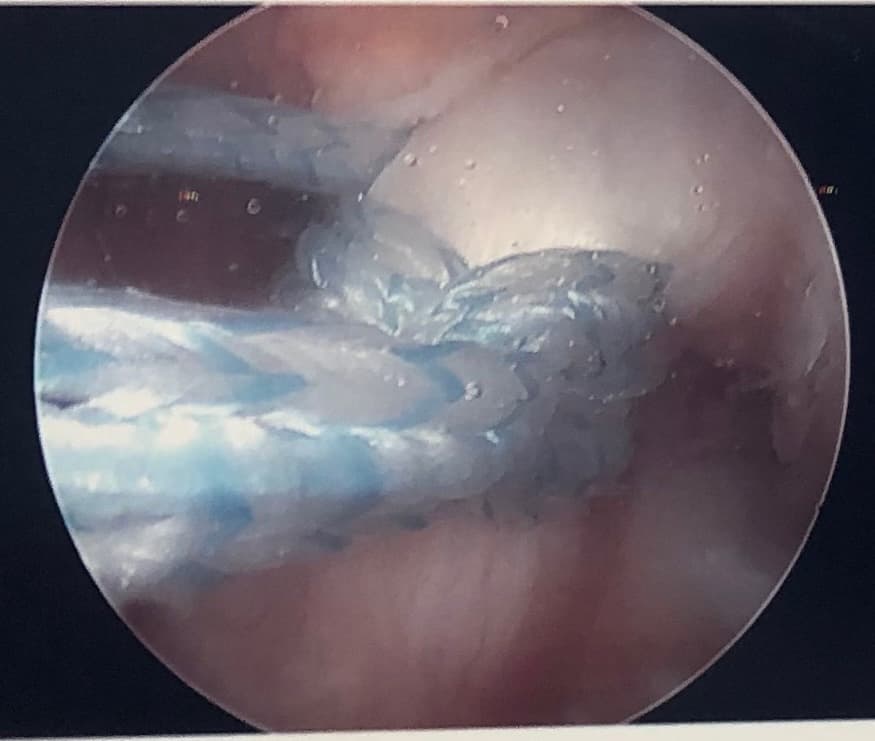
If you’re hoping to heal a meniscus tear naturally, this is great news. However, if symptoms persist, or if the tear is especially large or unstable, surgery may be needed. Surgical options often include arthroscopic repair (using small tools to stitch the tear) or removing the damaged part of the meniscus ( partial meniscectomy ).
In more complex cases, surgeons sometimes use innovative methods to reconstruct severely damaged menisci by repositioning healthy tissue and using sutures and biologic enhancements. These approaches can support healing even after significant injury (Ahn et al., 2009).
If you try conservative treatment and eventually need surgery, it’s worth noting that starting with non-surgical management doesn’t negatively impact long-term results (Hwang & Kwoh, 2014).
The choice between conservative care and surgery depends on your tear’s type and location, your age, symptoms, and activity level. It’s important to discuss all these factors with your healthcare provider to find the plan that best fits your needs.
Whether a meniscus tear can heal on its own depends on several key factors—most importantly, the tear’s location, its type, and your age. Tears in the outer, well-supplied zone, and those in younger patients, stand the best chance of healing without surgery. Conservative treatments like physical therapy are often a great starting point, though surgery remains essential in certain cases.
Understanding your injury puts you in a stronger position to make choices about your treatment. As research continues to advance, new options and better outcomes are on the horizon. Meanwhile, keep talking with your healthcare team so you can take the right steps for your knee health —and get back to the activities you enjoy.
Ahn, J. H., Chang, M. J., Lee, Y. S., Yoo, J. C., & Pae, Y. R. (2009). Arthroscopic split transpositional repair for torn complete discoid lateral meniscus. Orthopedics, 32(7), 524-527. https://doi.org/10.3928/01477447-20090527-21
Ahn, J. H., Choi, S-H., Lee, Y. S., Yoo, J. C., Chang, M. J., Bae, S., & Bae, Y. R. (2010). Symptomatic torn discoid lateral meniscus in adults. Knee Surgery, Sports Traumatology, Arthroscopy, 19(2), 158-164. https://doi.org/10.1007/s00167-010-1058-8
Hwang, Y. G., & Kwoh, C. K. (2014). The METEOR trial: No rush to repair a torn meniscus. Cleveland Clinic Journal of Medicine, 81(4), 226-232. https://doi.org/10.3949/ccjm.81a.13075
Key factors include the tear type, its location within the meniscus, and the patient’s age. Tears in the well-vascularised ‘red zone’ and younger patients have a better chance of healing naturally. Consulting an expert like Prof Lee at London Cartilage Clinic can help clarify your situation.
Different tear types and locations affect healing potential. Tears in the outer ‘red zone’ often heal better without surgery, while certain patterns like bucket-handle tears may require intervention. At London Cartilage Clinic, Prof Lee carefully assesses these factors to create an individualised treatment plan.
Yes, younger patients generally recover better due to more active tissue and improved blood supply. Older adults may have additional knee problems reducing natural healing. Prof Lee has experience managing both age groups at London Cartilage Clinic, offering the most appropriate treatment for each patient.
Surgery may be advised if conservative care does not relieve symptoms or for large, unstable tears. Many minor tears can improve with rest and physiotherapy. Prof Lee’s expertise at London Cartilage Clinic ensures patients receive the best evidence-based guidance tailored to their specific needs.
London Cartilage Clinic offers advanced care and personalised assessment for meniscus injuries. Prof Lee brings extensive experience in both conservative and surgical management, including innovative repair techniques. Patients benefit from comprehensive evaluation and world-class treatment tailored to achieve the best possible knee health.
All our treatments are selected to help patients achieve the best possible outcomes and return to the quality of life they deserve. Get in touch if you have any questions.
At London Cartilage Clinic, we are constantly staying up-to-date on the latest treatment options for knee injuries and ongoing knee health issues. As a result, our patients have access to the best equipment, techniques, and expertise in the field, whether it’s for cartilage repair, regeneration, or replacement.
For the best in patient care and cartilage knowledge, contact London Cartilage Clinic today.
At London Cartilage Clinic, our team has spent years gaining an in-depth understanding of human biology and the skills necessary to provide a wide range of cartilage treatments. It’s our mission to administer comprehensive care through innovative solutions targeted at key areas, including cartilage injuries. During an initial consultation, one of our medical professionals will establish which path forward is best for you.
Contact us if you have any questions about the various treatment methods on offer.
Legal & Medical Disclaimer
This article is written by an independent contributor and reflects their own views and experience, not necessarily those of londoncartilage.com. It is provided for general information and education only and does not constitute medical advice, diagnosis, or treatment.
Always seek personalised advice from a qualified healthcare professional before making decisions about your health. londoncartilage.com accepts no responsibility for errors, omissions, third-party content, or any loss, damage, or injury arising from reliance on this material. If you believe this article contains inaccurate or infringing content, please contact us at [email protected].