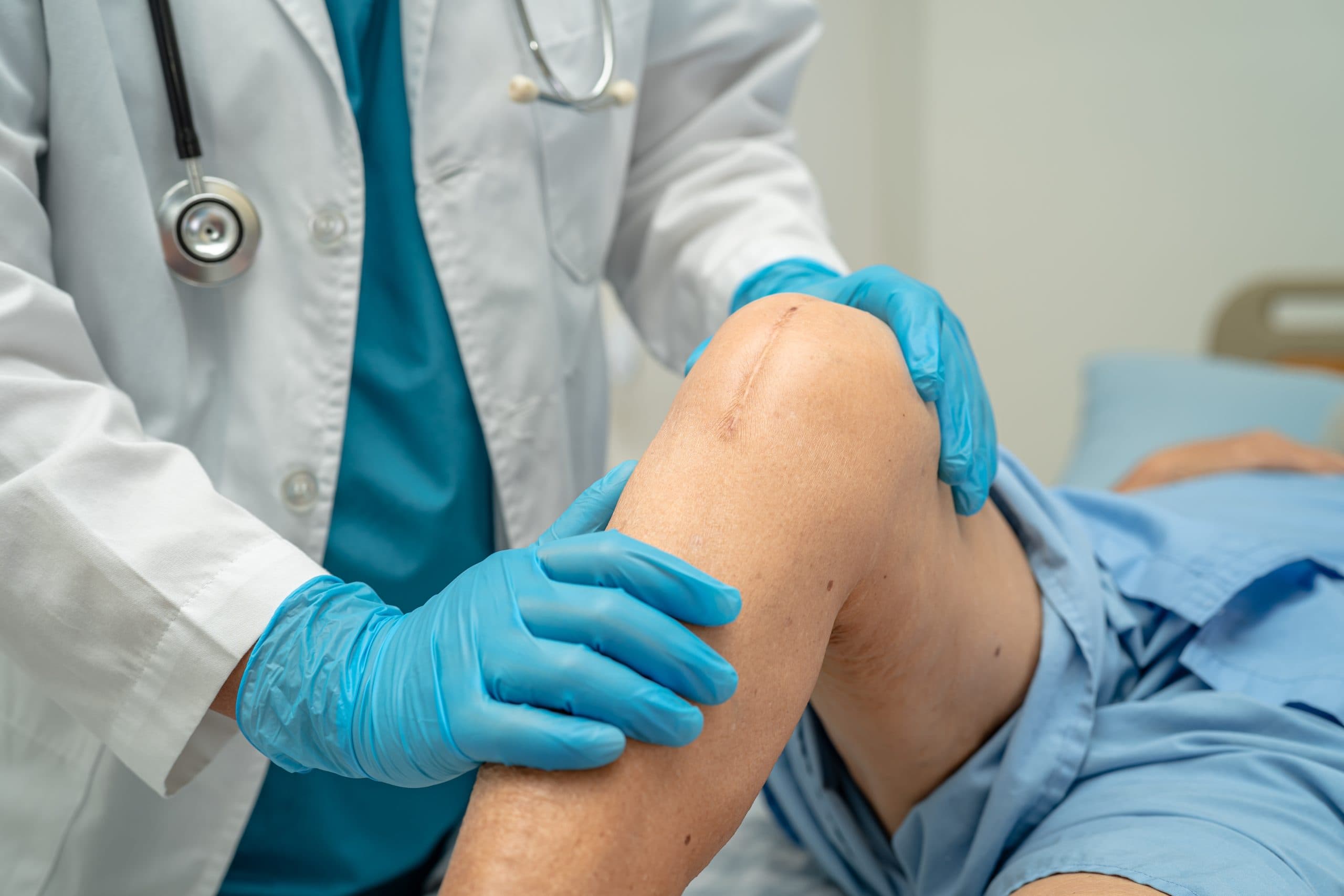
A Smarter Way to Treat Knee Pain at Home

A Smarter Way to Treat Knee Pain at Home

John Davies

Written By John Davies

Introduction

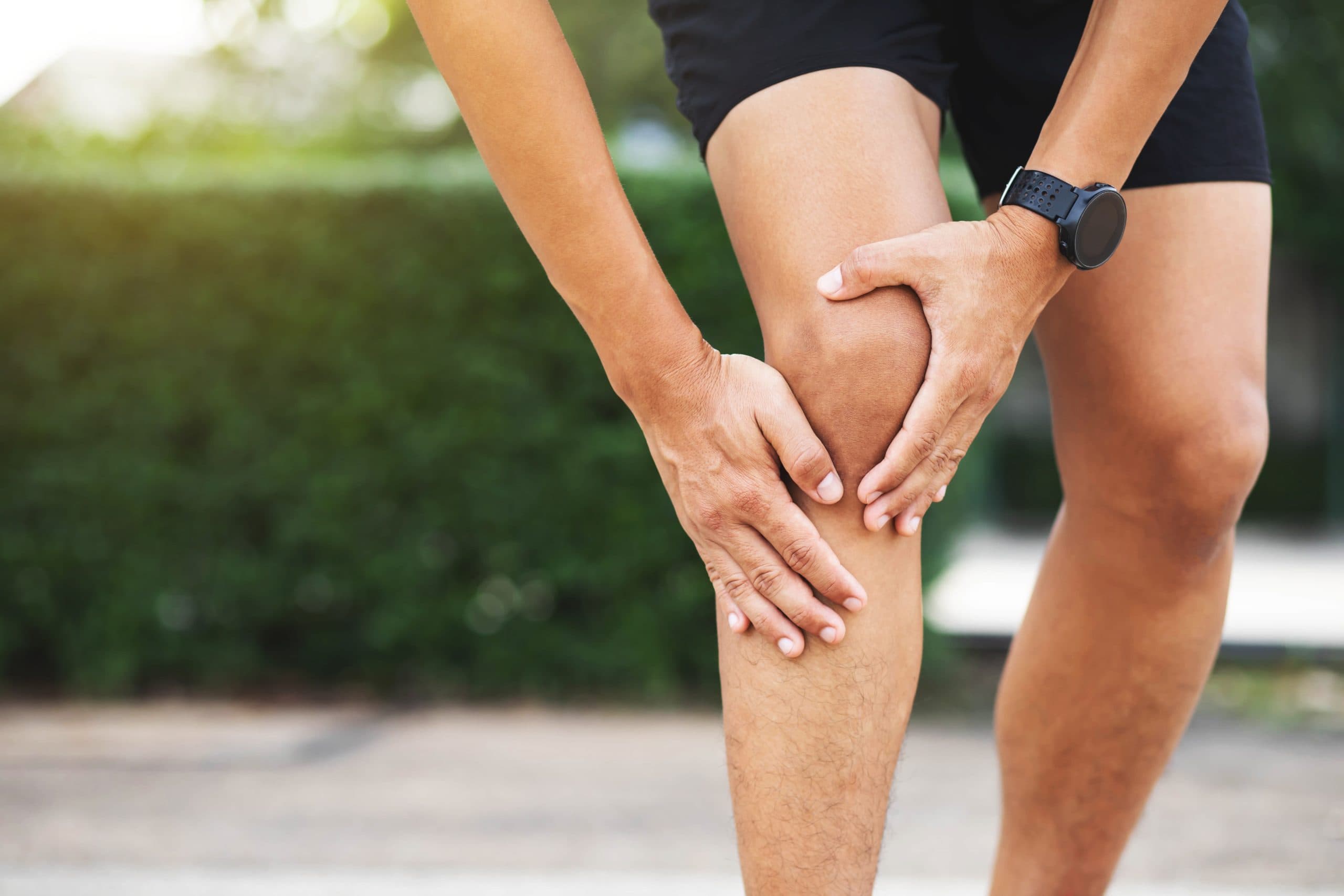
Knee pain is an everyday challenge for people of all ages, often making ordinary activities feel uncomfortable or even impossible. While moderate to severe pain always deserves a doctor’s evaluation, many people are eager to find safe and effective strategies to ease knee discomfort at home. In this article, we’ll guide you through a down-to-earth approach that combines simple natural remedies with targeted exercises, designed to soothe pain and support joint health. By taking this balanced, holistic route, you can actively care for your knees—without depending only on medication or pursuing invasive treatments. Let’s explore what causes knee pain , how you can use home remedies and smart movement to reduce it, and ways to make these habits part of your life.

Understanding Knee Pain

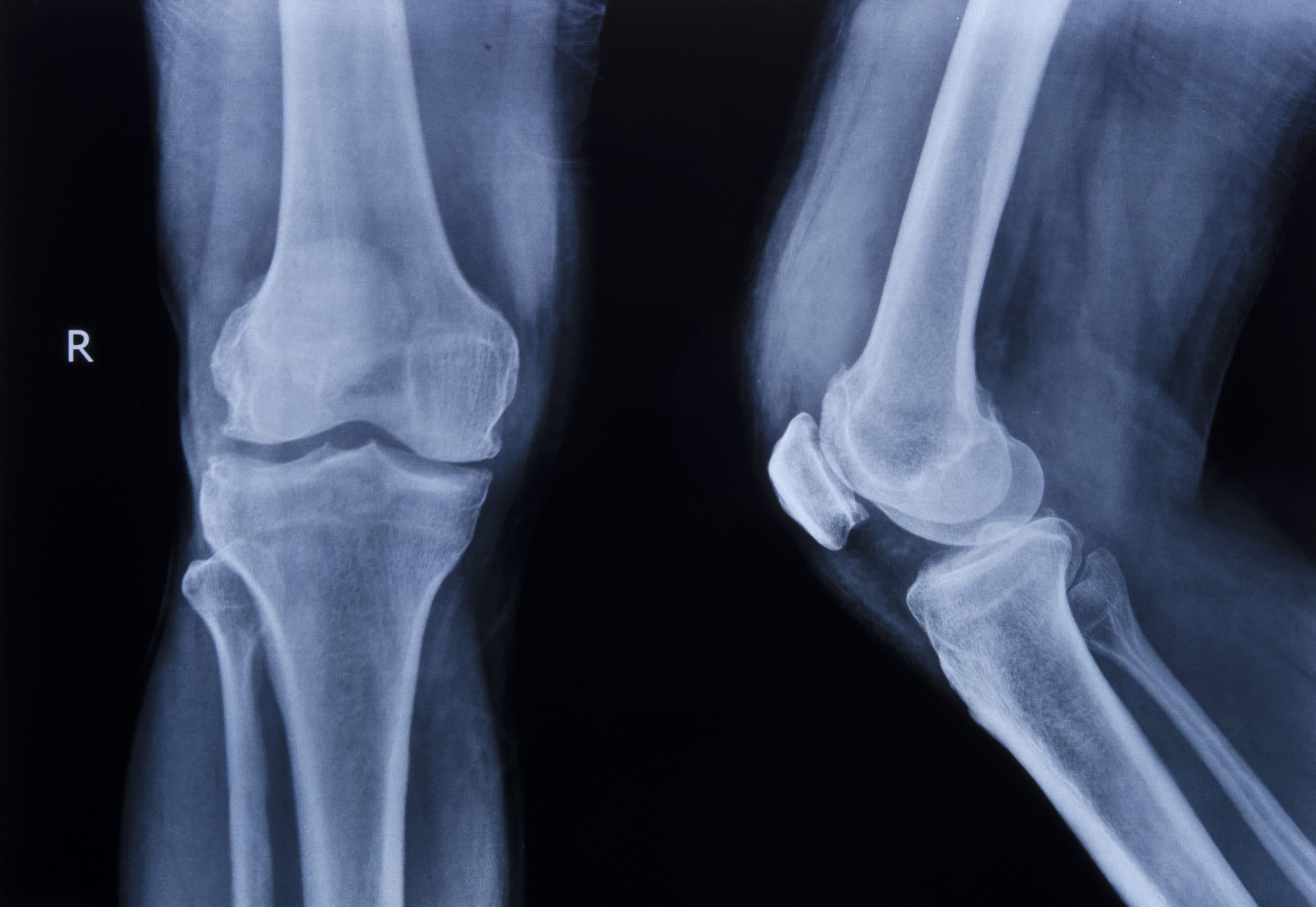
Knee pain can have many causes. It might be triggered by sudden injuries, chronic overuse, arthritis, or just the gradual wear and tear of everyday life. For older adults, osteoarthritis —a gradual thinning of cartilage that cushions your knee joint —is especially common, often resulting in pain, swelling, and stiffness.

Researchers have identified osteoarthritis , patellofemoral pain, and meniscal tears as some of the most frequent sources of knee pain . Our modern routines can make things worse. Sitting for long periods, skipping regular exercise, or carrying extra body weight can weaken the muscles around the knee and ramp up joint stiffness. Repeated movements or strain can also contribute.

Understanding what’s behind your knee pain is important: it helps shape the best plan to manage it. Focusing on calming inflammation and strengthening the muscles that support your knee can bring significant relief and protect your joints for the long run.

Pain doesn’t just affect your joints—it can limit your ability to move freely in your daily life. That’s why it’s so important to address early signs, so you can stay mobile, independent, and active.

There are also internal factors that influence knee health , such as the interaction between different tissues within the joint space. Addressing both the mechanical and internal contributors is key to a well-rounded strategy for knee wellness .

Natural Remedies and Dietary Changes

Nature offers gentle ways to help soothe sore knees and calm inflammation. Start with your diet: regularly enjoying foods rich in omega-3 fatty acids (like salmon and mackerel), and adding generous portions of leafy greens, turmeric, and ginger, can help lower swelling and relieve discomfort naturally.

Maintaining a healthy weight is equally important. Carrying excess weight puts added pressure on your knees, speeding up joint wear and worsening pain. Experts recommend exercise and weight management, alongside good education and self-care, as foundational strategies for easing joint pain and keeping symptoms at bay.

Some people find benefits from supplements such as glucosamine or chondroitin—natural substances that may help protect cartilage. Topical remedies, like arnica or capsaicin creams, can bring targeted relief by boosting circulation and calming nerve sensitivity. Remember to discuss any supplements or herbal treatments with your health provider to ensure they’re right for you.

Staying hydrated is easy to overlook, but water helps keep your joints lubricated and moving comfortably.

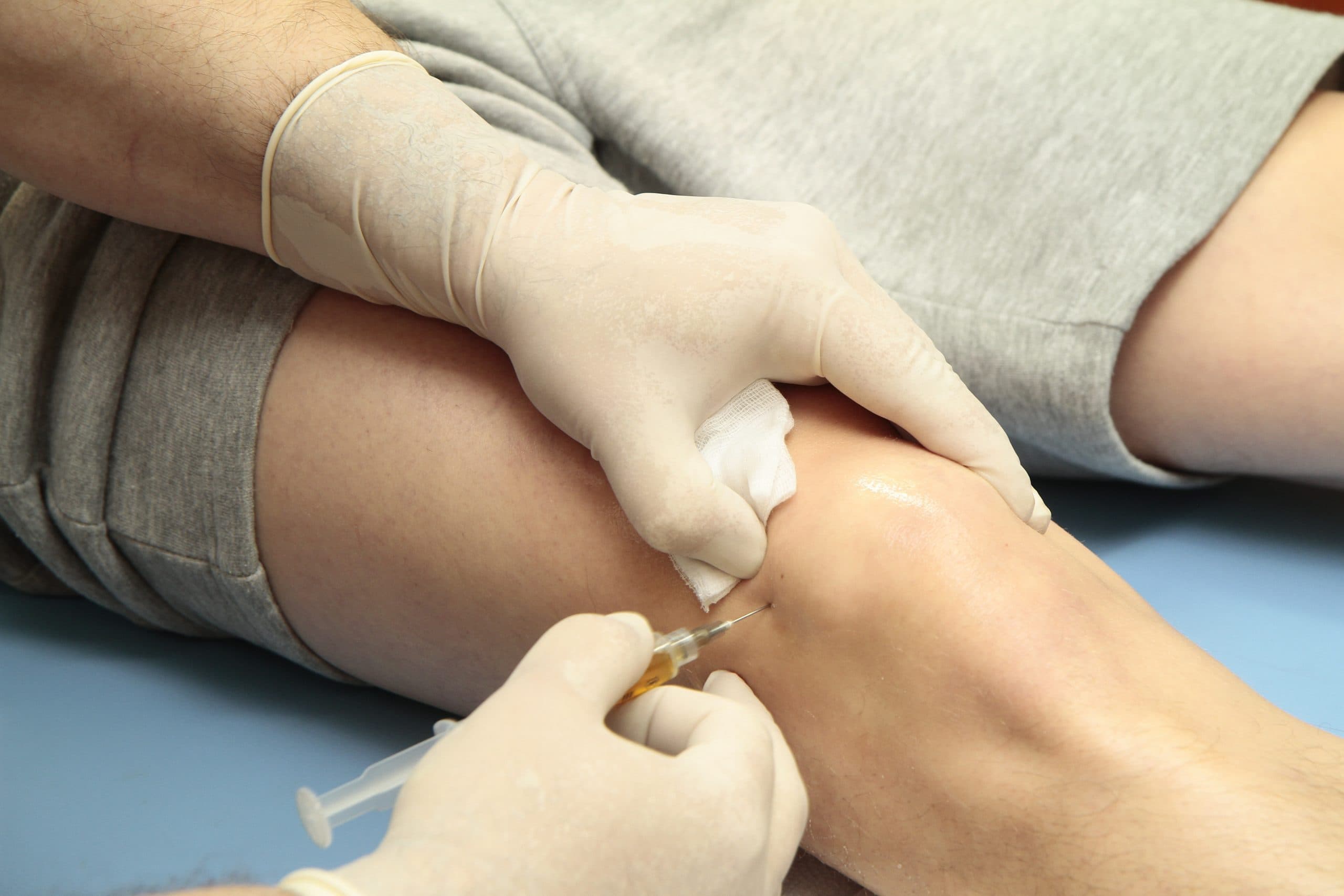
Promising research also highlights innovative, non-medicinal options for joint restoration—including minimally invasive procedures and new ways of stimulating your body’s own repair mechanisms. But even simple lifestyle adjustments at home can make a meaningful difference when practiced regularly.

Gentle Exercises to Ease Knee Pain

You might think exercise would aggravate achy knees, but the right movements actually reduce pain and help restore function. The trick is to focus on gentle, low-impact activities that strengthen your supporting muscles without straining the joint.

Begin each session with a brief warm-up: walking, gentle marching in place, or other easy movement for 5–10 minutes to get your blood flowing. Then try simple exercises such as straight leg raises (lie on your back and lift one leg at a time, keeping it straight) to build up the quadriceps , which help steady and support the knee.

Wall sits are another good choice—stand with your back against a wall, slide down into a gentle squat, and hold for several seconds to strengthen the large muscles at the front of your thighs, giving your knee greater protection.

Regular, gentle stretching of your hamstrings and calves helps prevent stiffness and supports smoother knee movement. Wrap up your routine with a cooldown: slow movement and deep breathing help your muscles recover.

Research consistently supports conservative approaches for knee pain —especially when it comes to exercise, self-education, and daily management.

Bringing It All Together in Daily Life

True results come from consistency. Make time for your exercises each day, gradually introducing more anti-inflammatory foods into your meals for maximum benefit.

Listen carefully to your body. Mild soreness after exercise is okay, but sharp or increasing pain is a signal to pause and consult a healthcare provider. Don’t try to do too much too soon—improvement comes with steady, patient progress.

Pair your physical efforts with habits that support your mental wellbeing, like meditation or deep breathing. Lowering your stress levels can minimize how much discomfort you feel and help you stick with your routines.

Research shows that greater knee pain is linked to reduced independence and activity, especially in older adults. Attending to your discomfort early can help you maintain your mobility and keep you active in your community.

And if you’re at greater risk for joint issues or starting to notice the first signs of stiffness or pain, experts now recommend “knee health promotion” approaches—preventive strategies that support overall joint wellbeing before serious problems arise.

Always reach out to your healthcare professional for lasting swelling, sudden instability, or severe pain to make sure you get the right help.

Conclusion

Caring for your knees at home doesn’t have to be complicated. By combining natural remedies with gentle, regular exercise, you can manage knee pain safely and effectively on your own terms. Understand the causes of your discomfort, make smart and supportive choices about your food and movement, and build these habits into your day for stronger, healthier knees.

Many common causes of knee pain —like osteoarthritis , patellofemoral pain, or meniscal tears—can be managed successfully with this kind of holistic self-care, backed by clinical research and new technology. As we learn more about the many factors that influence joint health, it becomes clear that taking action early and often can help you move better today and prevent problems tomorrow.

Ultimately, you’re in the driver’s seat when it comes to your joint health . Working alongside your healthcare provider, you can put together the right blend of at-home care and professional advice, so you can keep moving comfortably for years to come. Start today and take confident, healthy steps toward pain-free knees .

References

Duong, V., Oo, W. M., Ding, C., Culvenor, A. G., & Hunter, D. J. (2023). Evaluation and Treatment of Knee Pain. JAMA, 330(16), 1568. https://doi.org/10.1001/jama.2023.19675

Mardini, M., Rashidi, P., Nerella, S., Fullwood, D., Corbett, D. B., Ranka, S., & Manini, T. M. (2019). Excursion from home and ecological pain in older adults with knee pain. Innovation in Aging, 3(Supplement_1), S524-S524. https://doi.org/10.1093/geroni/igz038.1929

Lyu, S.-R. (2023). Knee pain and osteoarthritis (Knee OA) treatment research. Open Access Government, 39(1), 48-49.

Frequently Asked Questions

London Cartilage Clinic stands out for its comprehensive and patient-centred approach to knee pain. We combine advanced expertise, led by Prof Lee, with proven natural and scientific methods for relief. Our reputation for innovative treatments and personal care has made us a trusted destination for those seeking effective and compassionate solutions.

Prof Lee brings decades of specialist experience in cartilage disorders, joint preservation, and the latest non-surgical advancements. Patients benefit from his deep clinical knowledge, innovative treatment strategies, and a commitment to providing personalised care. This assures every patient is guided by leading expertise throughout their recovery journey.

While home remedies and exercise play a key role, the right care plan is often unique to each individual. London Cartilage Clinic offers tailored advice and access to advanced therapies under Prof Lee’s guidance, helping you choose effective strategies that fit your needs and ensure optimal knee health alongside self-care methods.

Our clinic specialises in minimally invasive, research-backed treatments that reduce pain and promote healing. Prof Lee’s expertise enables us to offer innovative non-surgical options, allowing many patients to improve their mobility and quality of life without the need for traditional surgery. Personalised plans ensure each patient’s best possible outcome.

Early intervention can prevent worsening symptoms and sustain long-term knee health. London Cartilage Clinic encourages patients to seek expert assessment at earlier stages. Prof Lee offers prompt evaluation and modern therapies, empowering patients to address concerns quickly and maximise their chances of maintaining active, independent lifestyles.


All our treatments are selected to help patients achieve the best possible outcomes and return to the quality of life they deserve. Get in touch if you have any questions.

Modern Treatments with Long Lasting Results

At London Cartilage Clinic, we are constantly staying up-to-date on the latest treatment options for knee injuries and ongoing knee health issues. As a result, our patients have access to the best equipment, techniques, and expertise in the field, whether it’s for cartilage repair, regeneration, or replacement.

For the best in patient care and cartilage knowledge, contact London Cartilage Clinic today.

Cartilage Experts

At London Cartilage Clinic, our team has spent years gaining an in-depth understanding of human biology and the skills necessary to provide a wide range of cartilage treatments. It’s our mission to administer comprehensive care through innovative solutions targeted at key areas, including cartilage injuries. During an initial consultation, one of our medical professionals will establish which path forward is best for you.

Contact us if you have any questions about the various treatment methods on offer.

Book a free chat

We can help!

If you’re looking for support with effective cartilage treatment, our specialists non medical associate can help. Fill in your details below and a member of our team will get in touch with you as soon as possible.

team