Hip Impingement vs Labral Tear: How to Tell the Difference

Hip Impingement vs Labral Tear: How to Tell the Difference

John Davies

Written By John Davies

Introduction

Hip pain can be both frustrating and limiting, interfering with your daily routine and overall well-being. Two common—and often confusing—causes of hip discomfort are hip impingement and labral tears . Because their symptoms can be quite similar, it’s not always easy to figure out which one is to blame. Getting an accurate diagnosis is key to finding the right treatment and preventing further joint damage. Thankfully, advances in medical imaging and a clearer understanding of hip mechanics have made it much easier for doctors to pinpoint the cause of your pain. In this article, we’ll look at how modern imaging helps differentiate hip impingement from labral tears , explore what leads to labral injuries, and discuss effective non-surgical treatments to help you get moving again.

How Imaging Helps Diagnose Hip Problems

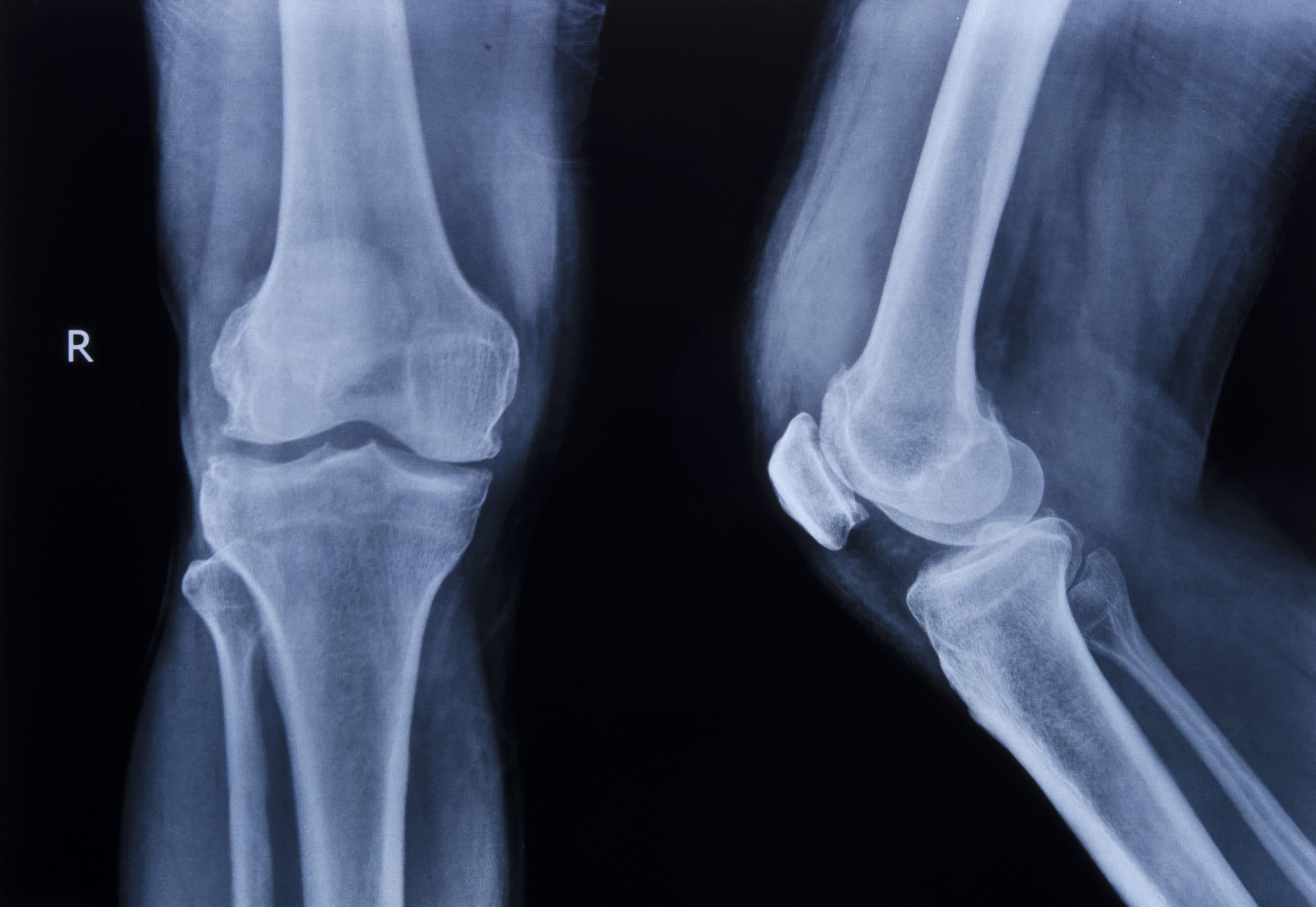
When you visit a doctor for hip pain , imaging tests are often one of the first steps toward figuring out what’s wrong. Magnetic Resonance Imaging (MRI), especially with powerful 3 Tesla (3T) MRI scanners , provides highly detailed views of the hip joint. These scans reveal not just the shape of the bones, but also the condition of the soft tissues like the labrum—a ring of cartilage that cushions and supports your hip socket.

3T MRI scans can pick up subtle signs of injury, like small calcium deposits in the labrum or changes in the shape and thickness of the joint capsule. These findings often correspond to the severity of your symptoms and help your doctor understand what’s actually causing your pain. In addition to imaging, a straightforward clinical exam called the hip impingement test gently moves your hip in ways that can reproduce your pain, helping to confirm whether bone-on-bone contact could be the culprit.

Understanding the underlying causes of femoroacetabular impingement (FAI), where misshapen hip bones cause abnormal contact, is crucial for interpreting both scans and clinical tests. By combining a hands-on exam with detailed imaging, doctors can better distinguish hip impingement from other causes of hip pain , leading to more accurate diagnoses and better treatment plans.

What Causes Labral Tears? Understanding the Mechanics

The labrum is a tough, flexible ring of cartilage that lines your hip socket, helping keep the joint stable and spreading out pressure. When this cartilage gets damaged, it’s known as a labral tear—but what makes it happen in the first place?

Labral tears are usually the result of abnormal stresses placed on the hip joint. One key factor is the center-edge (CE) angle, which measures how much of the thigh bone’s head is covered by the hip socket . If this angle is too large or too small, the way the joint moves changes and excess pressure can be placed on the labrum.

In femoroacetabular impingement (FAI), the hip bones don’t fit together smoothly, causing them to pinch and rub during movement. This repeated grinding can wear down the labrum, making tears much more likely over time. Clinical tests, such as the hip impingement test, are designed to reproduce these movements and help pinpoint the source of your pain.

Studies have found a strong link between these mechanical problems and labral tears. That’s why doctors rely on both physical tests and imaging results—they paint the clearest picture when used together.

Managing Hip Impingement and Labral Tears Without Surgery

Not every case of hip impingement or labral tear needs surgery. Many people see real improvement with conservative, non-surgical treatments, especially when pain is mild to moderate.

First, managing pain is important so you can begin the right kind of movement and rehab. Physical therapy usually starts with simple exercises that stabilize your pelvis and trunk—helping protect the hip joint and reduce everyday strain. Over time, your program will progress to strengthening the muscles around your hip and core, which supports your joint and improves movement .

A helpful part of recovery is sensory motor training, which teaches your body to be aware of your hip’s position and movement . This promotes safer and more efficient movement patterns, lowering the risk of re-injury.

Lifestyle tips can also make a big difference. For example, learning how to sit in a way that doesn’t aggravate your hip, or knowing which stretches and activities to avoid, can prevent flare-ups. Consistency is key: following your rehab plan and adapting everyday habits usually leads to less pain and better function. Studies confirm that these strategies can reduce the need for surgery and help you get back to your normal activities sooner.

Catching these conditions early is especially important—it not only relieves symptoms, but can also help prevent more serious joint problems down the road.

Looking Ahead: Future Developments and Final Thoughts

The outlook for diagnosing and treating hip impingement and labral tears is brighter than ever. New imaging techniques are being developed that will make it even easier to see the small details in both bones and soft tissues, leading to earlier and more accurate diagnoses.

At the same time, rehabilitation programs are becoming increasingly tailored to each person’s hip shape, activity level, and goals. This personalized approach means faster recoveries and better long-term results.

Above all, early diagnosis remains crucial—catching hip impingement or labral tears before things get worse can mean quicker, less invasive treatment and a much easier road to recovery. As research continues, both imaging and rehabilitation strategies will keep improving, helping more people enjoy pain-free, active lives for longer.

In summary, understanding the difference between hip impingement and labral tear symptoms—and using the right tools for diagnosis—sets the foundation for effective, personalized treatment. With expert guidance and a commitment to your rehab plan, you can manage your pain, regain function, and get back to doing the things you love.

If you have questions or would like more tips on managing hip pain , feel free to reach out!

References

Shaw, C., Warwick, H., Nguyen, K., Link, T. M., Majumdar, S., Souza, R. B., Vail, T. P., & Zhang, A. L. (2020). Correlation of hip capsule morphology with patient symptoms from femoroacetabular impingement. Journal of Orthopaedic Research, 39(3), 590-596. https://doi.org/10.1002/jor.24788

Trisolino, G., Favero, M., Dallari, D., Tassinari, E., Traina, F., Otero, M., Goldring, S. R., Goldring, M. B., Carubbi, C., Ramonda, R., Stilli, S., Grigolo, B., & Olivotto, E. (2020). Labral calcification plays a key role in hip pain and symptoms in femoroacetabular impingement. Journal of Orthopaedic Surgery and Research, 15(1). https://doi.org/10.1186/s13018-020-01610-z

Filan, D., Mullins, K., & Carton, P. (2025). Early impact of hip arthroscopy on the resolution of symptom burden in athletes with femoroacetabular impingement. Orthopaedic Journal of Sports Medicine, 13(1). https://doi.org/10.1177/23259671241286464

Frequently Asked Questions

At London Cartilage Clinic, we utilise advanced 3 Tesla MRI scans alongside specialist clinical examinations to accurately distinguish between hip impingement and labral tears. This modern imaging enables us to assess both bone and soft tissue, ensuring a precise diagnosis for more effective, personalised treatment planning by Prof Lee.

Labral tears often result from mechanical problems, such as abnormal bone shapes or stresses in the hip joint. At London Cartilage Clinic, Prof Lee’s expertise allows for a thorough assessment of joint mechanics. Early identification and tailored care strategies support patients in managing symptoms and improving their quality of life.

Non-surgical treatments, such as physiotherapy and sensory motor training, are effective for many cases. Under Prof Lee’s guidance at London Cartilage Clinic, patients receive individualised rehabilitation programmes and lifestyle advice. This approach aims to reduce pain, improve function, and often prevent the need for surgical intervention.

Early diagnosis is vital in managing hip impingement and labral tears, as it can prevent further damage and enable less invasive treatments. At London Cartilage Clinic, Prof Lee’s experience ensures patients receive prompt, accurate diagnosis and recommendations for the best possible recovery outcomes through advanced imaging and expert assessment.

Prof Lee has extensive experience in diagnosing and managing complex hip conditions. London Cartilage Clinic offers state-of-the-art imaging, personalised care, and the latest rehabilitation techniques. This combination provides patients with expert guidance, innovative treatment options, and support throughout their recovery journey for optimal long-term hip health.


All our treatments are selected to help patients achieve the best possible outcomes and return to the quality of life they deserve. Get in touch if you have any questions.

Modern Treatments with Long Lasting Results

At London Cartilage Clinic, we are constantly staying up-to-date on the latest treatment options for knee injuries and ongoing knee health issues. As a result, our patients have access to the best equipment, techniques, and expertise in the field, whether it’s for cartilage repair, regeneration, or replacement.

For the best in patient care and cartilage knowledge, contact London Cartilage Clinic today.

Cartilage Experts

At London Cartilage Clinic, our team has spent years gaining an in-depth understanding of human biology and the skills necessary to provide a wide range of cartilage treatments. It’s our mission to administer comprehensive care through innovative solutions targeted at key areas, including cartilage injuries. During an initial consultation, one of our medical professionals will establish which path forward is best for you.

Contact us if you have any questions about the various treatment methods on offer.

Book a free chat

We can help!

If you’re looking for support with effective cartilage treatment, our specialists non medical associate can help. Fill in your details below and a member of our team will get in touch with you as soon as possible.

team