Arthrosamid Treatment for Patellofemoral Osteoarthritis Kneecap Pain Relief

Arthrosamid Treatment for Patellofemoral Osteoarthritis Kneecap Pain Relief

John Davies

Written By John Davies

Introduction

Patellofemoral osteoarthritis is a type of joint wear that affects the cartilage beneath the kneecap, leading to pain that can make everyday movements difficult. Actions like climbing stairs, squatting, and cycling—especially uphill—often become uncomfortable or painful as a result. Arthrosamid is a cutting-edge, minimally invasive treatment designed to cushion the joint and ease these symptoms, offering renewed hope for those wanting to stay active.

In this article, we’ll explore how Arthrosamid works, who might benefit most, and why expert care, such as that provided by Professor Paul Lee and the London Cartilage Clinic, is so important for managing this condition.

Understanding Patellofemoral Osteoarthritis: Challenges and Symptoms

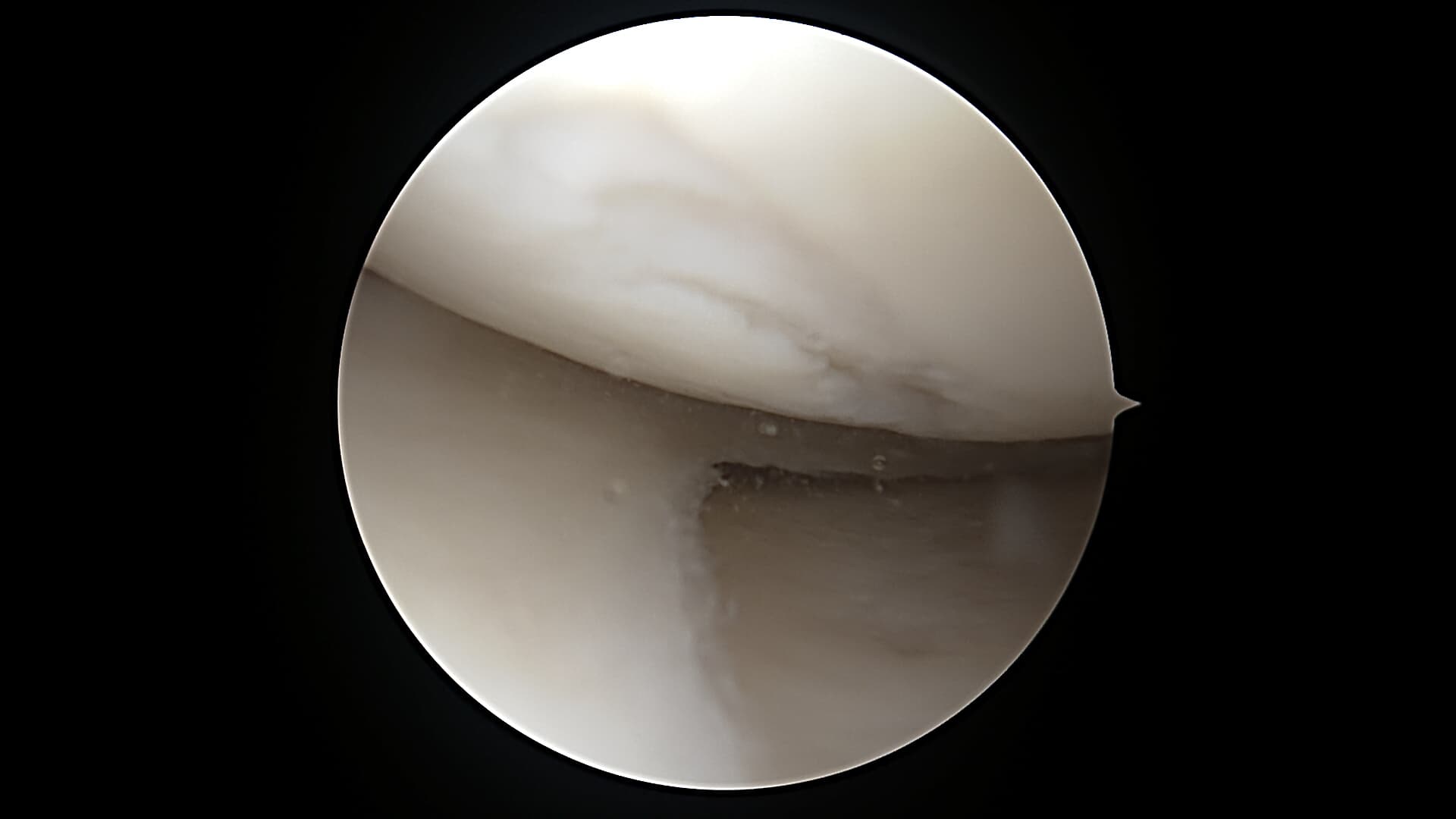
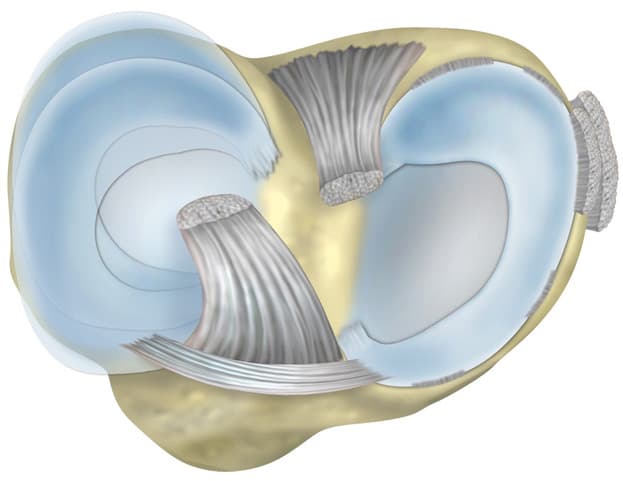
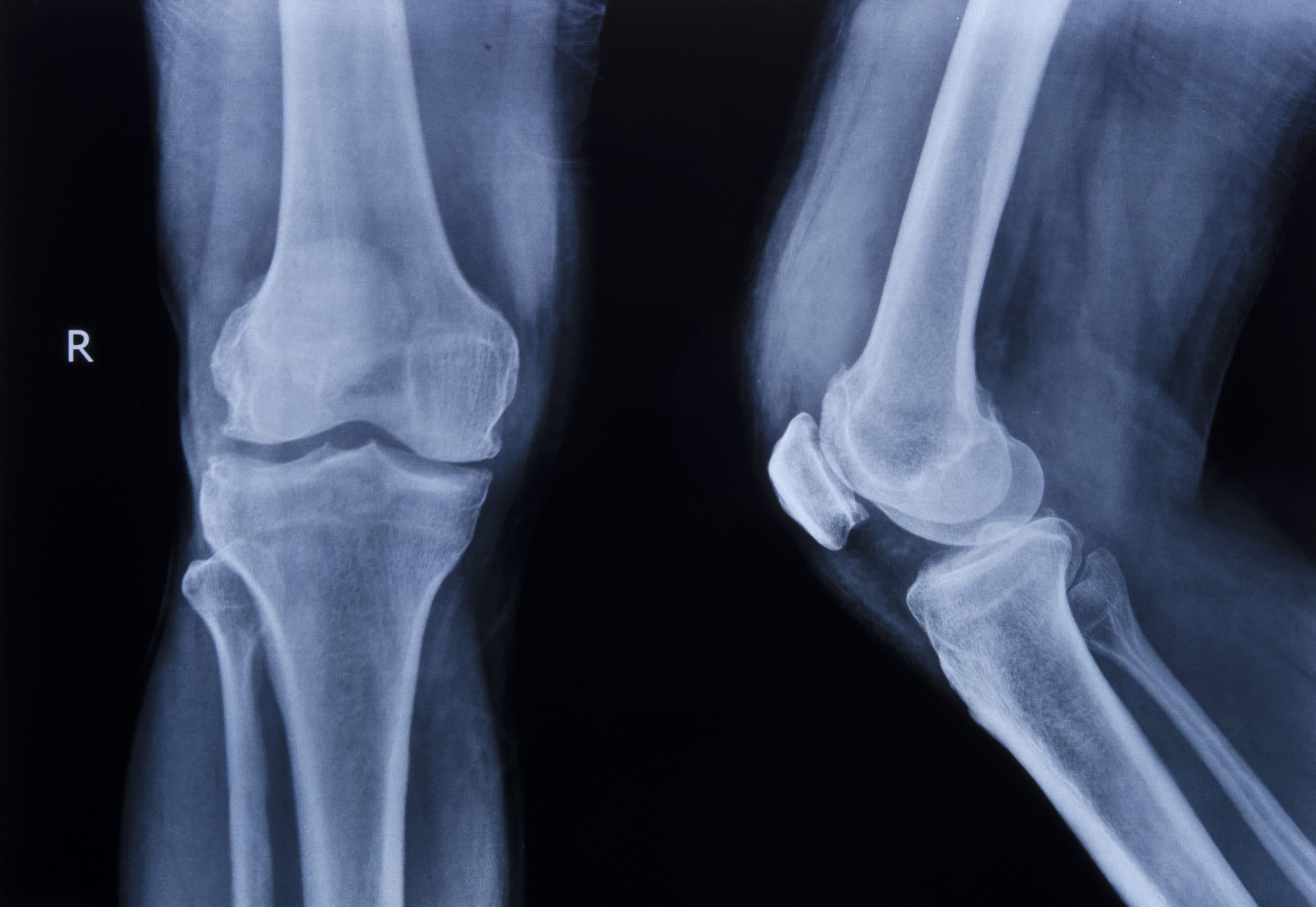
Patellofemoral osteoarthritis primarily wears down the cartilage beneath the kneecap (patella), causing pain usually felt at the front of the knee. People commonly notice discomfort or sharp pain when going up or down stairs, bending deeply to squat, or cycling for long distances.

Recent research has shown that the severity of this type of osteoarthritis is closely linked to factors such as age and joint alignment. For instance, “Radiographic severity of KOA was positively associated with age, sulcus angle, and tibial tuberosity to trochlear groove distance, but negatively associated with lateral patellar tilt angle” (Yang et al., 2024). This means that both how your knee is structured and your age can influence the extent of osteoarthritis and the discomfort experienced.

These activities place extra strain on the patellofemoral joint during bending and straightening of the knee. Climbing stairs forces the kneecap to press against the thigh bone at a sharper angle, increasing pain. Similarly, deep squatting amplifies contact forces, while cycling, particularly uphill, requires repeated bending that may aggravate symptoms.

Many sufferers find themselves avoiding hills or reducing cycling time because of this knee pain, which highlights the need for effective and tailored treatments.

Arthrosamid: A Modern Approach to Joint Cushioning

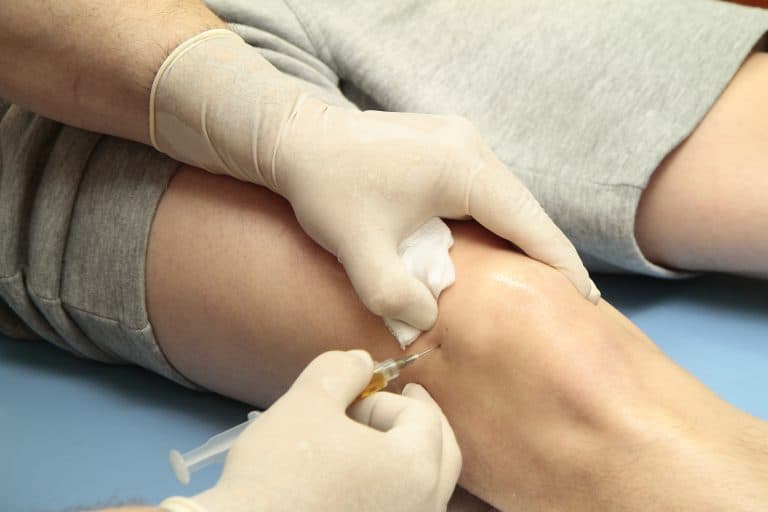
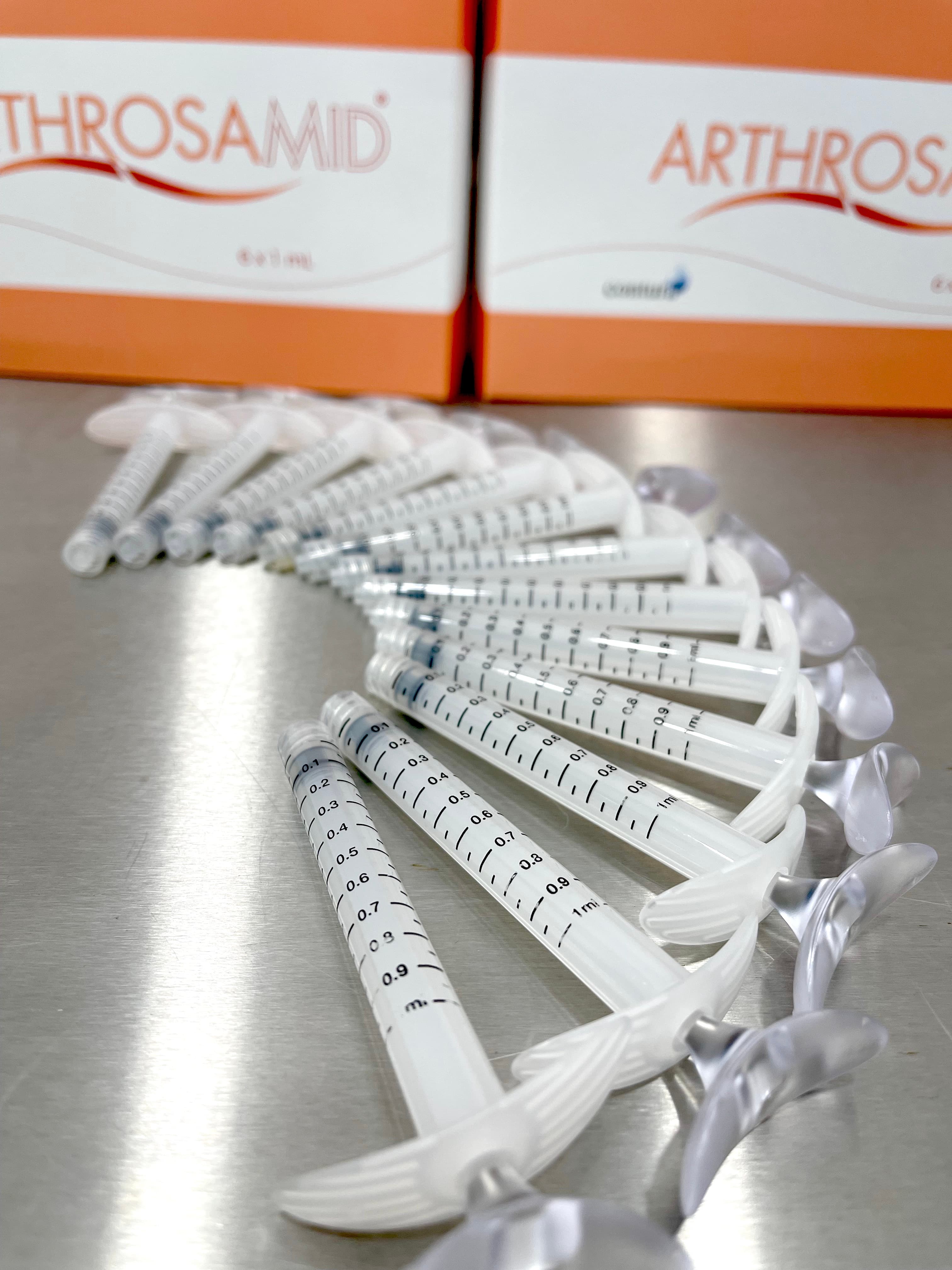
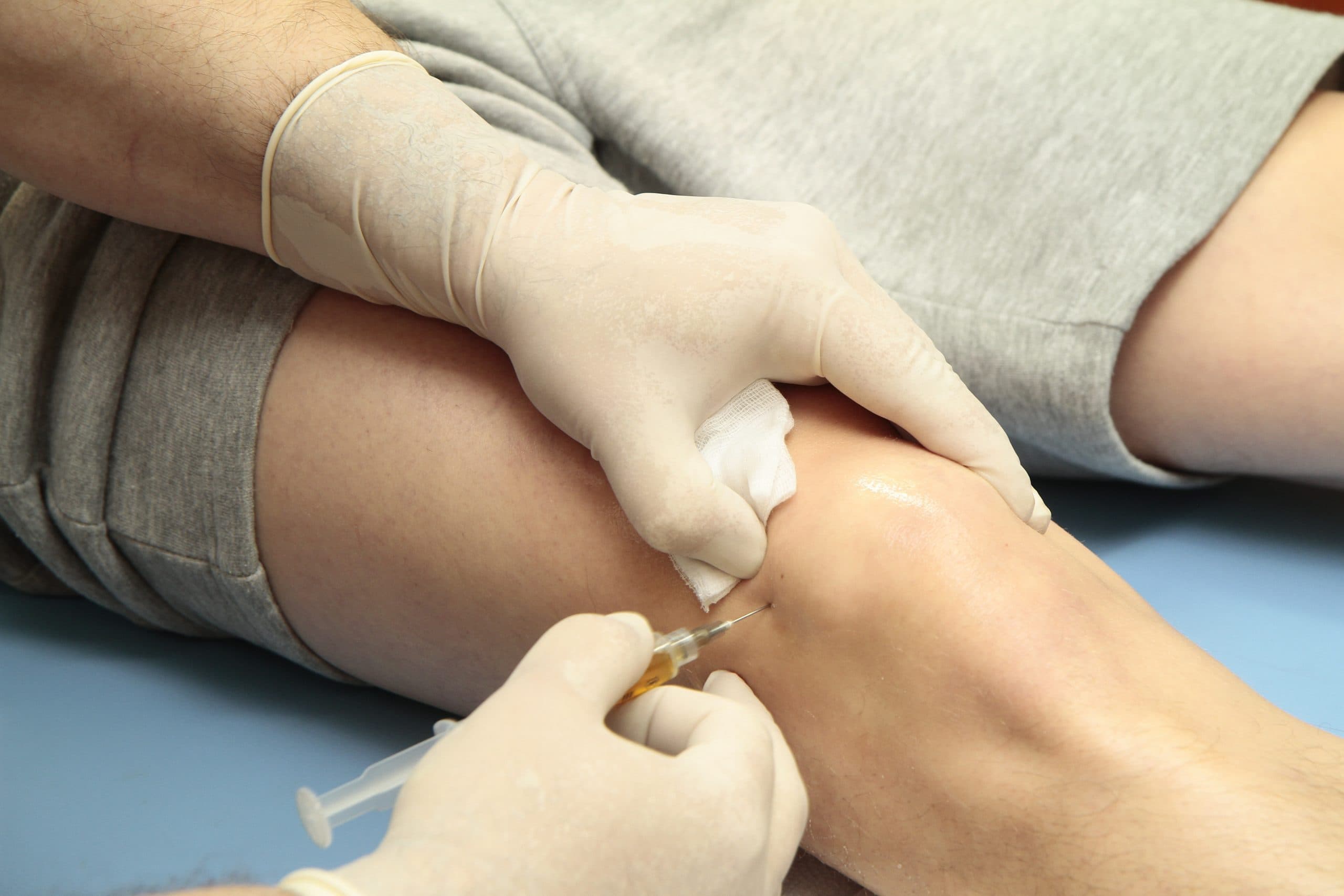
Arthrosamid is an injectable hydrogel, designed to supplement the natural cushioning in the knee joint. It works by improving lubrication and absorbing some of the pressures inside the joint, helping to reduce friction and ease pain during movement.

Unlike traditional corticosteroid injections that mainly reduce inflammation, or surgery which can be invasive and require long recovery, Arthrosamid focuses on improving the mechanical function of the joint thanks to its unique gel-like properties. This is especially useful for the patellofemoral joint, which experiences considerable shear forces during activities like stair climbing and squatting.

Research supports Arthrosamid as a safe and effective treatment. It has been described as “safe and efficacious in knee osteoarthritis patients” (Gao et al., 2025a). However, it is important to remember that Arthrosamid is not a cure, but rather a way to improve joint comfort and function as part of an overall treatment strategy.

The Role of Expert Care: Professor Paul Lee and the London Cartilage Clinic

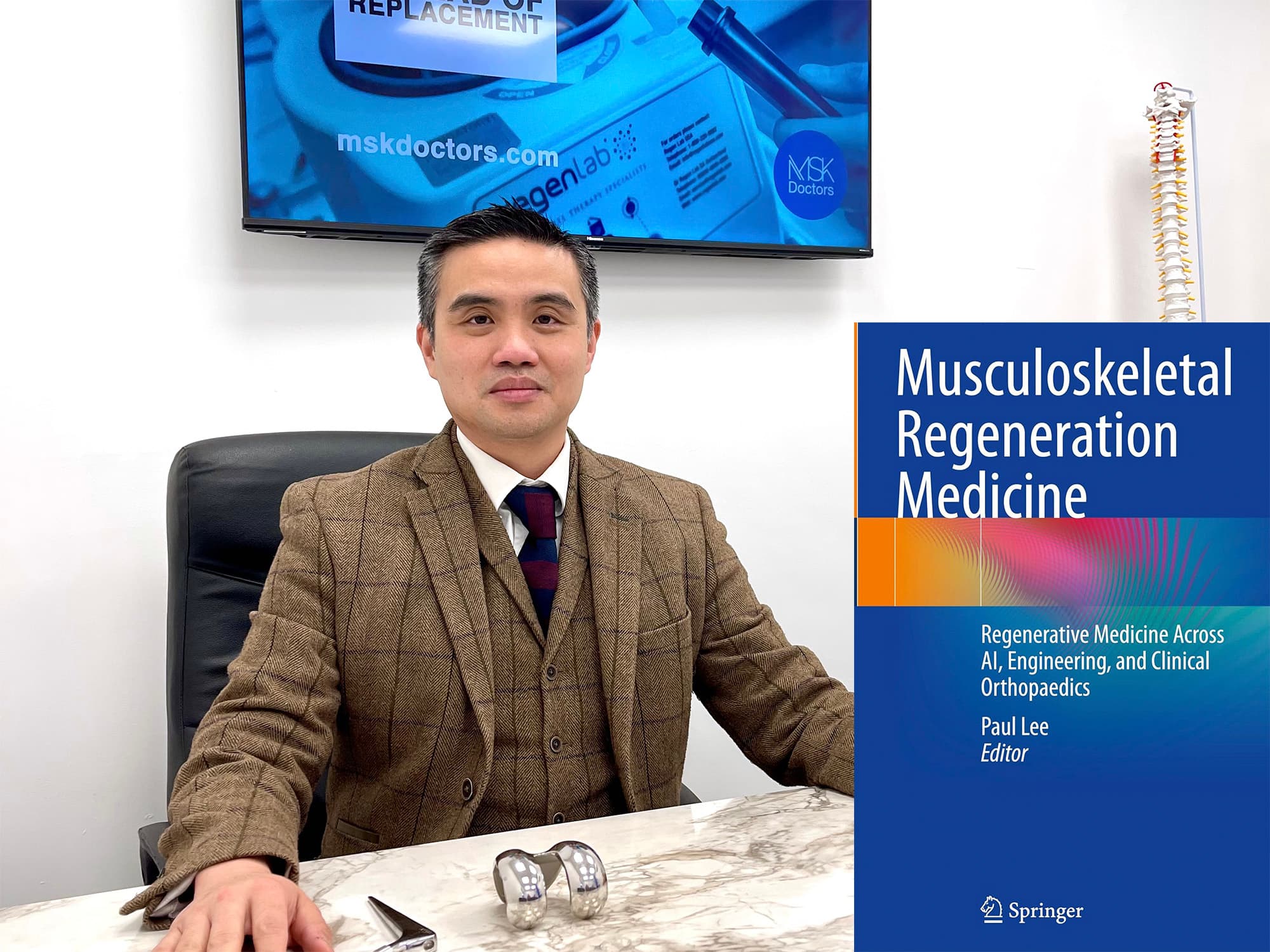
Professor Paul Lee is a leading cartilage specialist, Regional Surgical Ambassador, and advisor to the Royal College of Surgeons of Edinburgh. With his extensive experience in orthopaedics and rehabilitation, he ensures patients receive expert, personalised assessment and care.

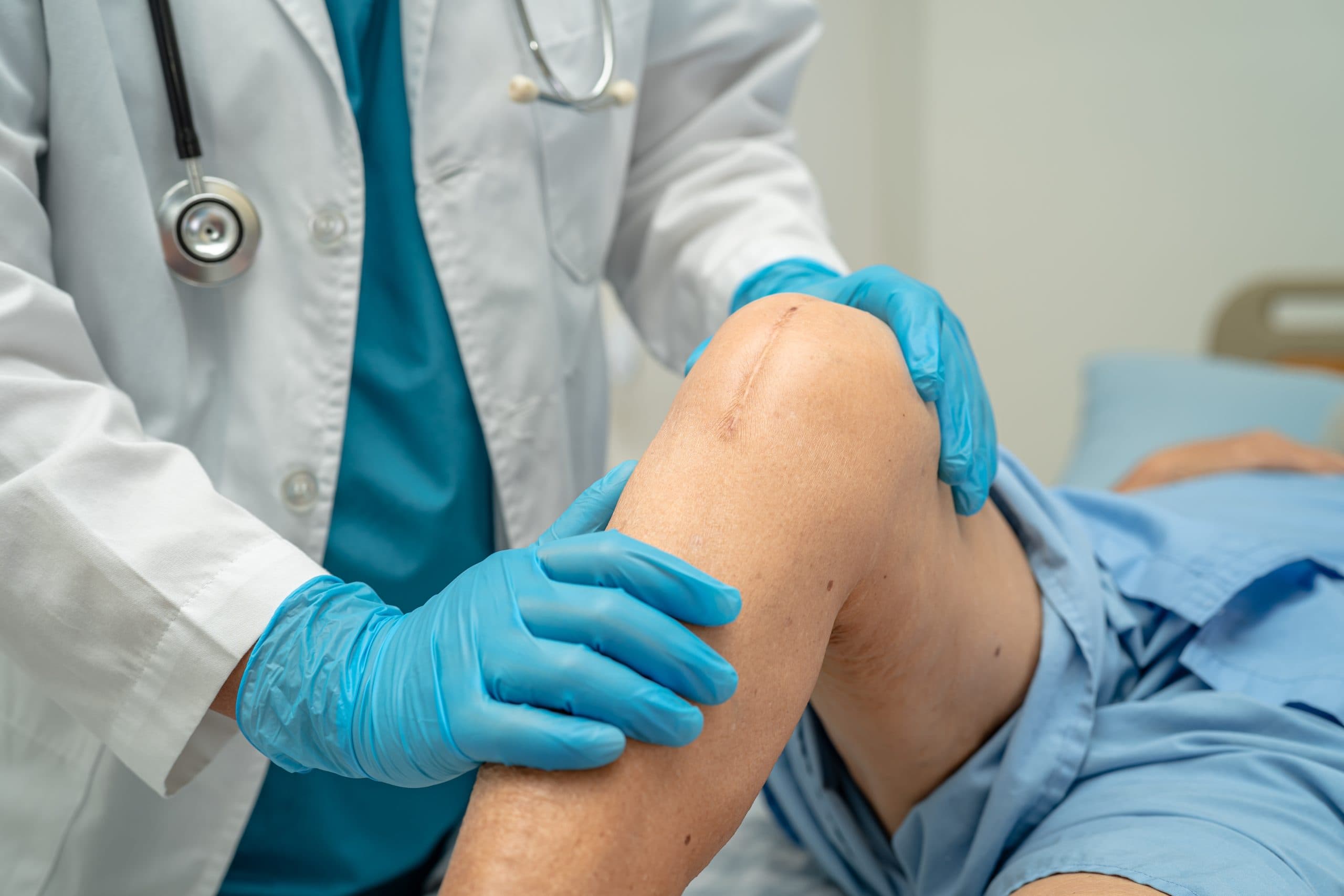
At the London Cartilage Clinic, Professor Lee and his team offer a comprehensive approach that reviews each patient’s knee condition in detail. This includes thorough diagnostic testing and creating bespoke treatment plans to determine if Arthrosamid is suitable, and how to combine it with rehabilitation for best results.

Patients benefit not only from innovative treatments but also from an environment that emphasises education, realistic goals, and ongoing support tailored to their individual needs.

Patient Experiences and Practical Considerations

Many patients report improved comfort in their knees following Arthrosamid treatment. This often translates to greater ease with activities such as climbing stairs, tackling hills, or cycling.

Studies indicate that more work is needed to understand fully which patients benefit most, as “the literature surrounding which patients would incur the most benefit from Arthrosamid is limited” (Gao et al., 2025a). As research advances, it may become clearer how factors like joint shape and patient characteristics influence outcomes.

In fact, anatomical factors matter greatly: “The lateral patellar tilt angle showed a strong negative correlation with osteoarthritis severity” (Yang et al., 2024), meaning the alignment of the kneecap can affect symptom severity and should be part of the clinical assessment.

If you are considering Arthrosamid, it is important to ask questions about expected benefits, possible risks, alternatives and aftercare. Consulting specialists at centres like the London Cartilage Clinic ensures you receive expert guidance tailored to your unique situation.

Conclusion and Responsible Disclaimer

Arthrosamid offers a modern, minimally-invasive option for those struggling with patellofemoral osteoarthritis and persistent kneecap pain—particularly during activities such as stair climbing, hill walking or cycling. By cushioning the joint and reducing mechanical stress, it can help improve comfort and mobility.

Seeing a specialised clinic, like the London Cartilage Clinic led by experts including Professor Paul Lee, is vital to accurately assess whether Arthrosamid is right for you and to design a personalised treatment plan.

For personalised medical advice, always consult with a qualified healthcare professional.

References

  • Gao, H. C. K., Akhtar, M., Creedon, C., Nar, Ö. O., Verma, T., & Lee, P. Y. F. (2025). Polyacrylamide hydrogel injections in knee osteoarthritis: A PROMs-based 24 month cohort study. Journal of Clinical Orthopaedics and Trauma, 103136. https://doi.org/10.1016/j.jcot.2025.103136
  • Gao, H. C. K., Akhtar, M., Creedon, C., Nar, Ö. O., & Lee, P. Y. F. (2025). The impact of patient factors on the minimal clinically important difference of Arthrosamid polyacrylamide hydrogel injection for knee osteoarthritis: A cohort study. Osteoarthritis and Cartilage, Abstract 648. https://doi.org/10.1016/j.joca.2025.02.648
  • Yang, Z., Shen, M., Xie, D., Zhang, J., & Wei, Q. (2024). Correlation between severity of knee joint osteoarthritis and alignment of patellofemoral and patellar height on radiographs. Chinese Medical Journal, 138(8), 947–952. https://doi.org/10.1097/cm9.0000000000003392

Frequently Asked Questions

Patellofemoral osteoarthritis commonly causes pain at the front of the knee, particularly during activities like stair climbing, squatting, or cycling. This discomfort often restricts daily movements and can force people to avoid certain activities, highlighting the need for tailored specialist care.

Arthrosamid is an injectable hydrogel that cushions the joint, reducing friction and discomfort. Unlike corticosteroid injections or surgery, Arthrosamid is minimally invasive and designed to enhance joint function rather than simply suppress inflammation. It offers a modern, innovative approach especially suited for active lifestyles.

The London Cartilage Clinic offers comprehensive, expert-led care under Professor Paul Lee, an internationally recognised cartilage specialist and advisor to the Royal College of Surgeons of Edinburgh. Patients benefit from detailed assessments and personalised management plans using the latest minimally invasive treatments.

Professor Paul Lee is a renowned cartilage expert, Regional Surgical Ambassador, and a trusted advisor to the Royal College of Surgeons of Edinburgh. His deep experience in cartilage care, combined with hands-on expertise, ensures patients receive outstanding, evidence-based treatment options for their joint issues.

Patients should discuss with a specialist the potential benefits, possible risks, expected outcomes, and aftercare of Arthrosamid. Consulting Professor Lee and his team at the London Cartilage Clinic ensures each patient’s plan is tailored to individual needs, while prioritising education and ongoing support.


All our treatments are selected to help patients achieve the best possible outcomes and return to the quality of life they deserve. Get in touch if you have any questions.

Modern Treatments with Long Lasting Results

At London Cartilage Clinic, we are constantly staying up-to-date on the latest treatment options for knee injuries and ongoing knee health issues. As a result, our patients have access to the best equipment, techniques, and expertise in the field, whether it’s for cartilage repair, regeneration, or replacement.

For the best in patient care and cartilage knowledge, contact London Cartilage Clinic today.

Cartilage Experts

At London Cartilage Clinic, our team has spent years gaining an in-depth understanding of human biology and the skills necessary to provide a wide range of cartilage treatments. It’s our mission to administer comprehensive care through innovative solutions targeted at key areas, including cartilage injuries. During an initial consultation, one of our medical professionals will establish which path forward is best for you.

Contact us if you have any questions about the various treatment methods on offer.

Book a free chat

We can help!

If you’re looking for support with effective cartilage treatment, our specialists non medical associate can help. Fill in your details below and a member of our team will get in touch with you as soon as possible.

team