ChondroFiller Recovery Bracing and Weightbearing Insights

ChondroFiller Recovery Bracing and Weightbearing Insights

John Davies

Written By John Davies

Introduction
ChondroFiller is an advanced treatment designed to repair small cartilage defects by using an acellular collagen matrix that encourages the body to regenerate healthy cartilage. For anyone undergoing this cutting-edge procedure, understanding what happens after surgery—the recovery and rehabilitation journey—is crucial for the best possible outcome. In this article, we explain when patients can expect to start walking again, whether using a brace is necessary, and the key principles of protecting the joint and maintaining proper alignment during recovery. We base this guidance on the expertise of Professor Paul Lee and the London Cartilage Clinic—leaders in cartilage care known for their thorough and patient-focused approach.

What is ChondroFiller and What Does Recovery Involve?

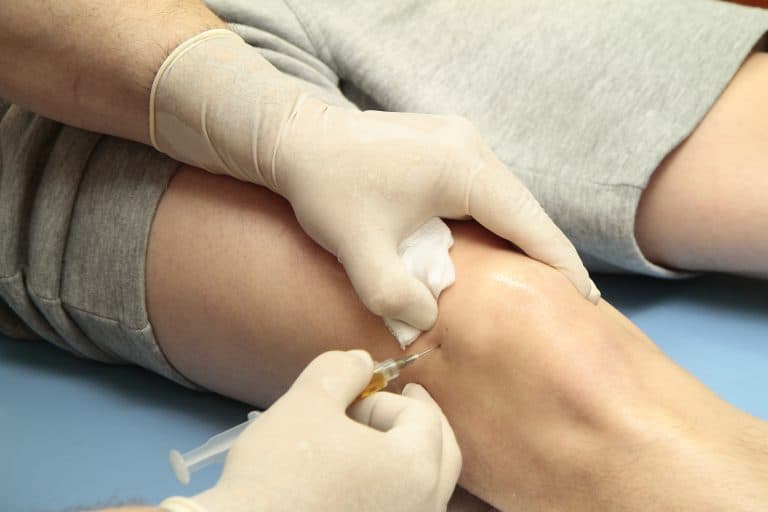
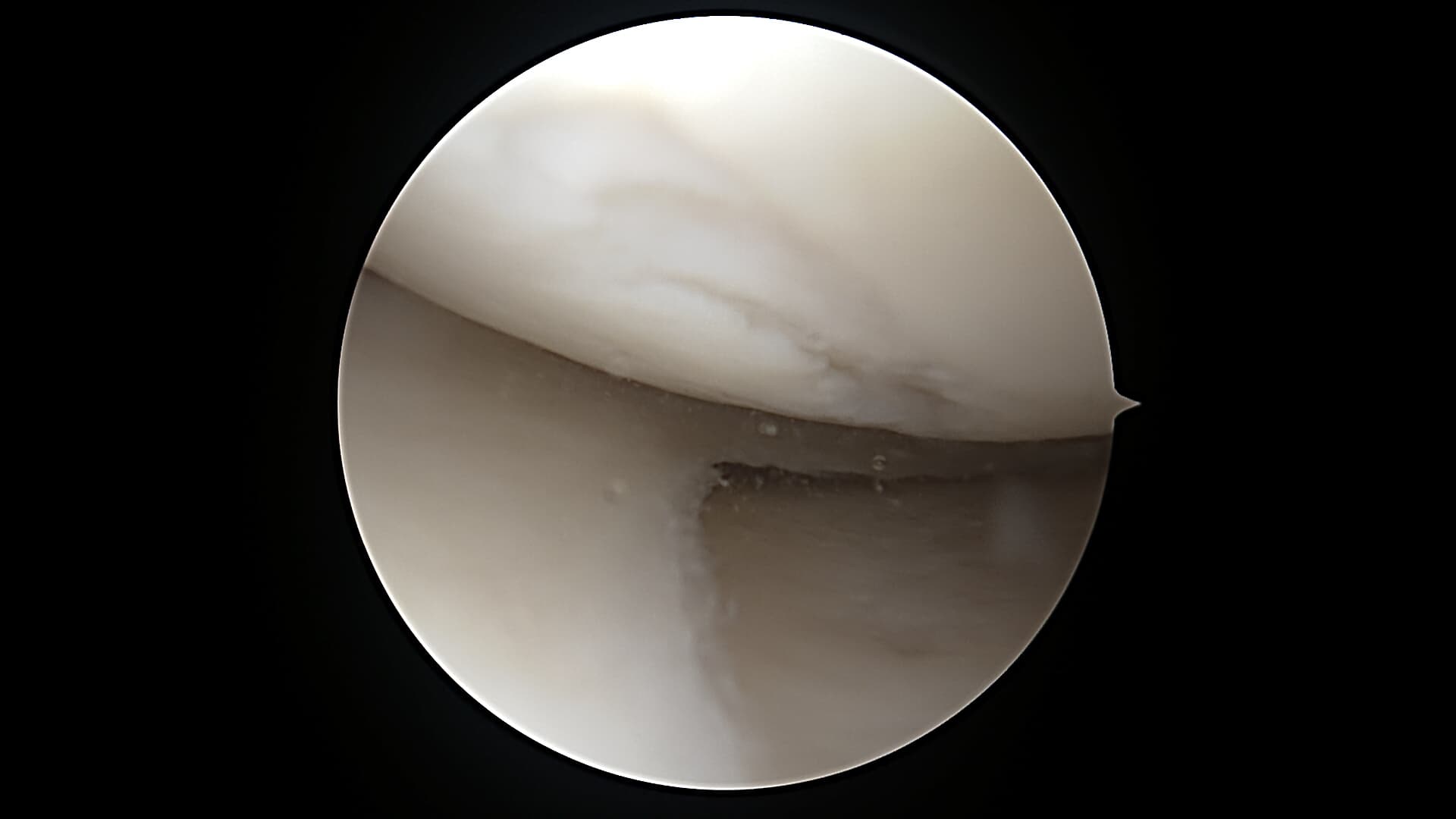
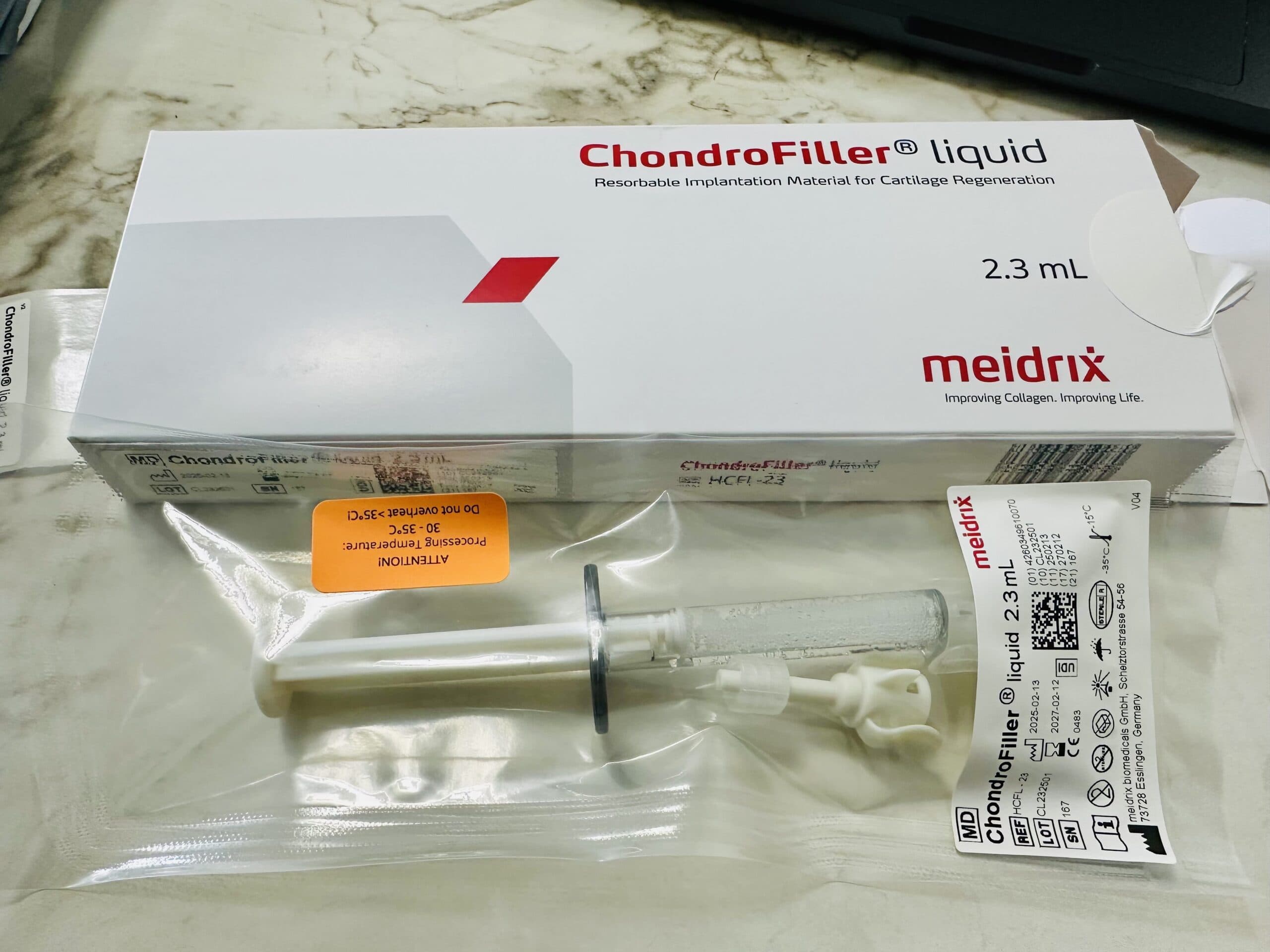
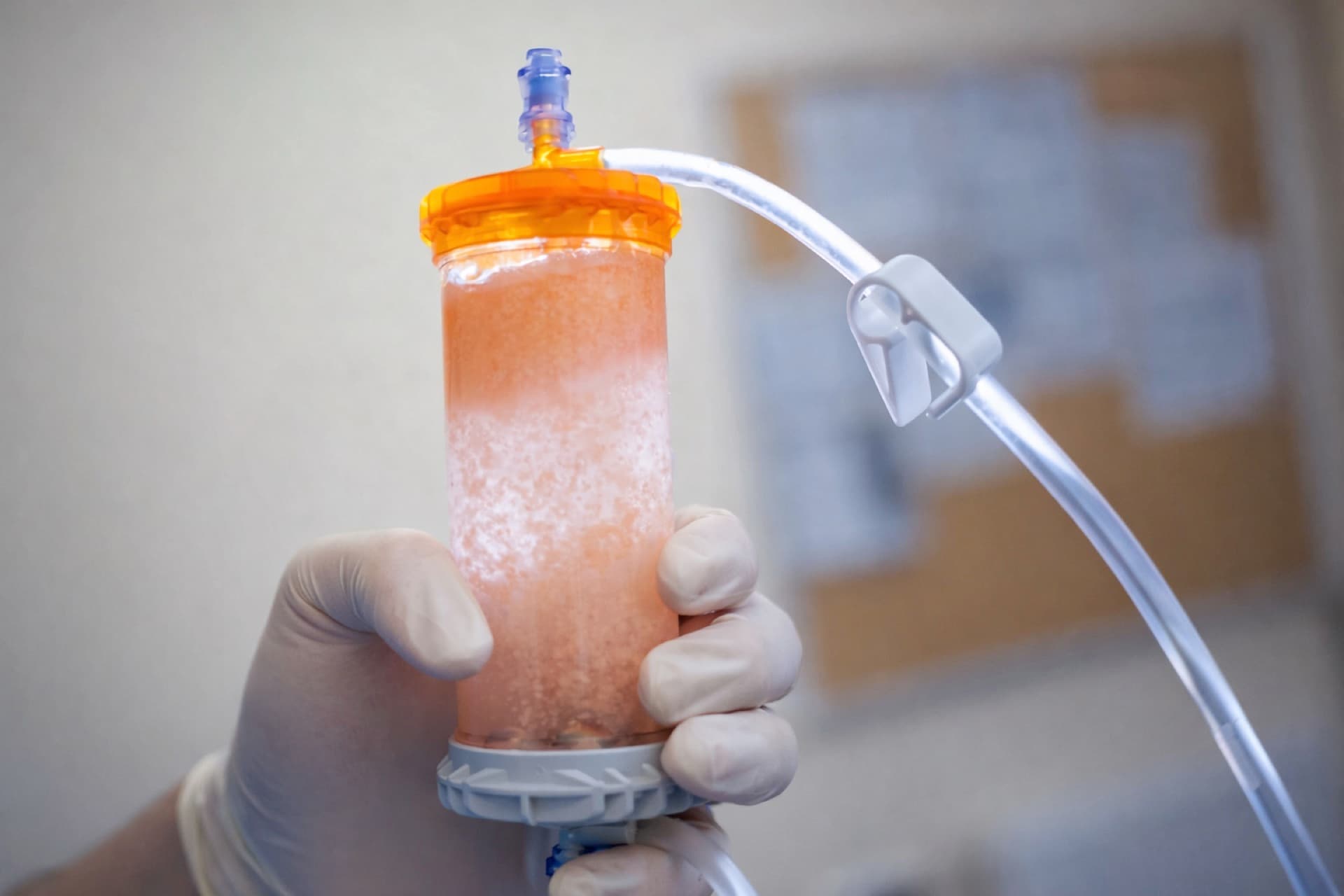
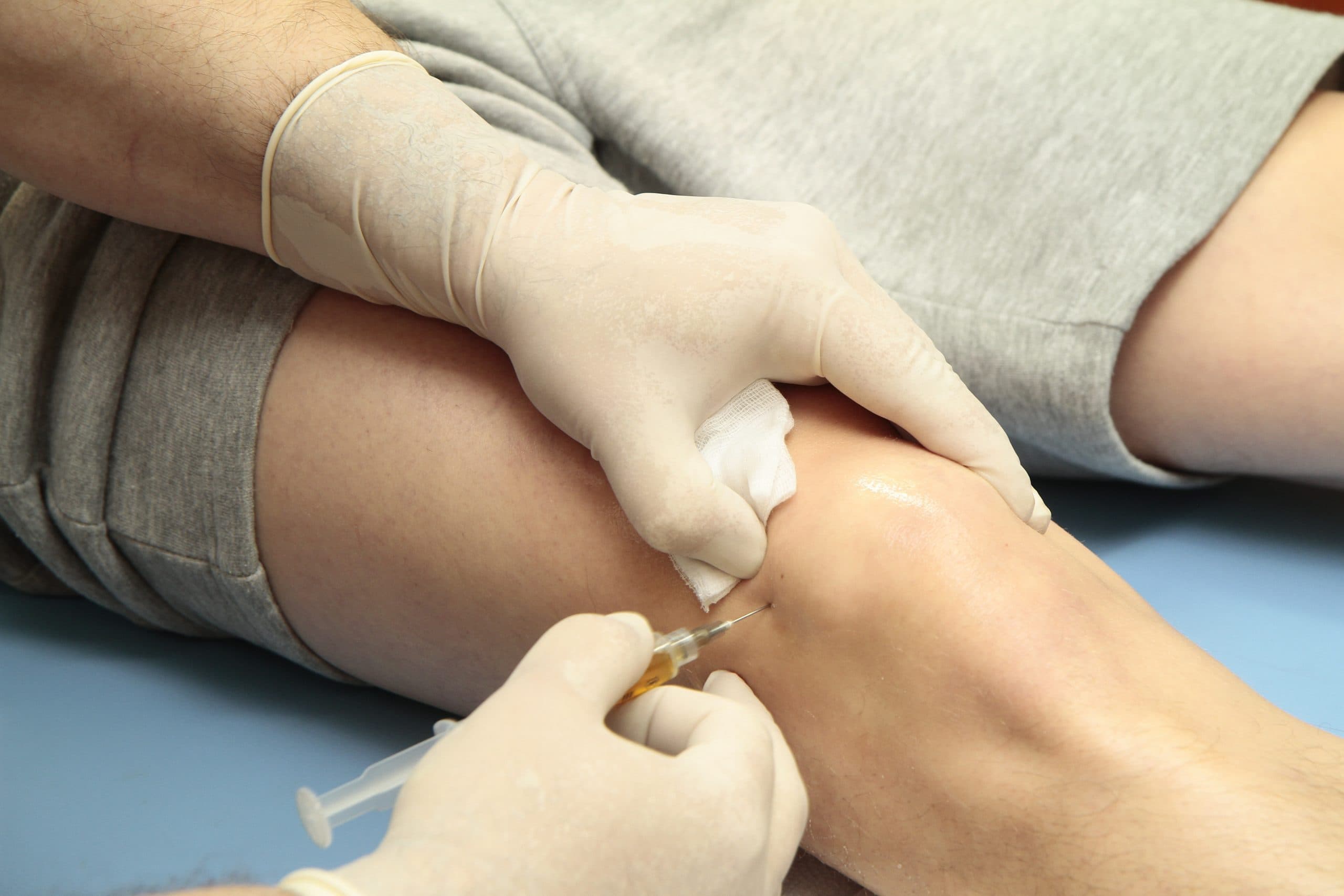
ChondroFiller is a liquid collagen filler used to treat cartilage damage. It acts like a protective cushion over the injured area and helps stimulate the growth of the cells that build new cartilage. This encourages the natural healing process and helps restore joint health.

It’s worth noting how ChondroFiller behaves compared to natural cartilage. Research shows that “ChondroFillerliquid shows the most pronounced viscous effects,” meaning it has a unique ability to absorb and dissipate forces, influencing how the joint feels and moves during recovery.

From a patient’s perspective, the outlook is encouraging. A study on hip cartilage repair found that “the liquid AMIC [autologous matrix-induced chondrogenesis] is a safe technique that shows good clinical and radiological outcomes in a 2-year follow-up.” This helps reassure patients about the safety and effectiveness of this treatment.

Early knee repair studies also report positive findings, with “the implant showing perfect integration to the adjacent cartilage right from the beginning” and over time “an impressive maturation of the reconstructed cartilage.” Importantly, no adverse effects were reported, highlighting its safety.

Recovery usually involves several stages. At first, protecting the treated area is essential, allowing new tissue to grow and mature undisturbed. Patients are normally advised to rest and avoid putting weight on the joint to prevent damage to the healing site.

Once the initial healing has taken place, physical activity can be gradually reintroduced in a controlled manner. Expert centres such as the London Cartilage Clinic provide personalised recovery plans, ensuring patients regain function safely and effectively.

The Role of Bracing: Is One Necessary After ChondroFiller?

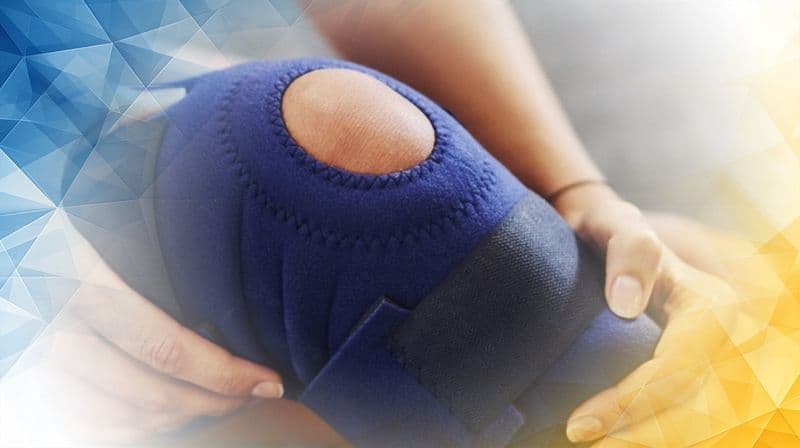
Braces are often used after cartilage repair to protect the joint, maintain correct alignment, and reduce stress on the healing cartilage. However, whether you need a brace depends on a few factors: the size and location of your cartilage injury, how active you are, and your surgeon’s recommendations.

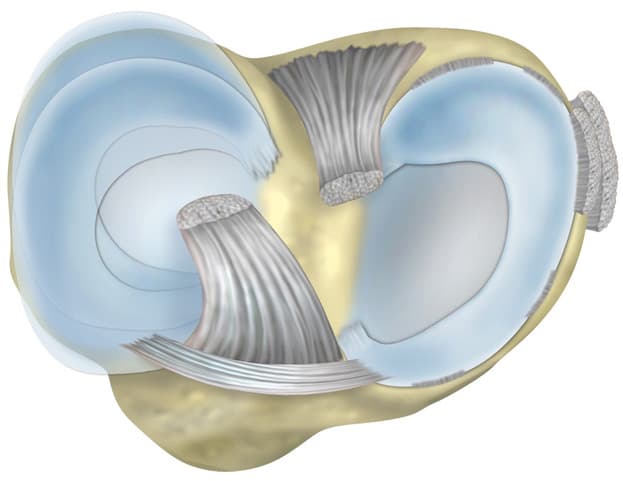
Studies underline the complexity of cartilage repair. For example, “both cartilage and ChondroFillerliquid contain fibrillar components,” which contribute to their structure and support. This structural similarity explains why bracing to support alignment can be beneficial.

Clinical results also demonstrate good functional outcomes with such collagen treatments. One study revealed that “95% of patients met the minimal clinically important difference” — a key measure of meaningful improvement — and “100% scored >74 points, achieving the patient acceptable symptomatic state,” showing a high rate of patient satisfaction following rehabilitation.

If a brace is recommended, it’s because your healthcare team believes it will help protect the joint and support your recovery. The decision is always personalised and made by your medical professionals. Specialists like Professor Paul Lee and the London Cartilage Clinic team focus on balancing protection, support, and mobility to optimise healing without unnecessary restrictions.

Walking, Weightbearing, and Functional Support Post-ChondroFiller

After ChondroFiller treatment, patients should expect a carefully planned return to walking and weightbearing based on individual progress and the extent of their cartilage repair. Early on, you may need crutches or other aids to avoid putting too much weight on the joint.

Because ChondroFiller differs mechanically from healthy cartilage — exhibiting “pronounced viscous effects” — rehabilitation requires a cautious approach to ensure the joint isn’t overloaded too soon.

Encouragingly, clinical evidence shows patients can resume their usual activities after recovery. For example, in a hip study, “all patients who practiced sports resumed them” following successful treatment and rehabilitation.

For knee repairs, patient scores improved significantly within months, with “mean IKDC patient values after three and six months significantly better than before surgery,” and these improvements lasted for at least a year. This highlights that gradual progression towards full weightbearing is safe and effective when guided by expert advice.

Whether or not a brace is used, rehabilitation specialists play an essential role. At centres like the London Cartilage Clinic, physiotherapists ensure patients learn safe movement patterns and build strength around the joint, protecting it while restoring function.

Best Practices for Pre- and Post-Procedure Care

Your recovery starts even before the procedure. Maintaining correct joint alignment and following any preparatory exercises recommended by your clinicians will help set the stage for success.

After surgery, it’s vital to stick to prescribed exercises, avoid risky activities, and attend follow-up appointments. Monitoring your progress with your care team ensures any issues are caught early and your rehabilitation plan can be adjusted as needed.

The London Cartilage Clinic is known for its structured approach, where specialists like Professor Paul Lee oversee each patient’s recovery journey. Their professional standards ensure you receive personalised, safe, and effective care—though individual results can vary depending on many factors.

Conclusion
In summary, successful recovery after ChondroFiller treatment depends on personalised care, careful use of bracing and functional support as needed, and a gradual return to weightbearing activity. Professional guidance from experienced specialists, such as those at the London Cartilage Clinic, is key to maximising outcomes. If you or a loved one are considering this treatment, be sure to seek advice tailored to your individual needs. For personalised medical advice, always consult a qualified healthcare professional.

References

  • Weizel, A., Distler, T., Schneidereit, D., & Friedrich, O. (2020). Complex mechanical behavior of human articular cartilage and hydrogels for cartilage repair. Acta Biomaterialia, 120, 178–189. https://doi.org/10.1016/j.actbio.2020.10.025
  • De Lucas Villarrubi, J. C., Méndez Alonso, M. Á., Sanz Pérez, M. I., Trell Lesmes, F., & Panadero Tapia, A. (2021). Acellular Matrix-Induced Chondrogenesis Technique Improves the Results of Chondral Lesions Associated With Femoroacetabular Impingement. Arthroscopy: The Journal of Arthroscopic & Related Surgery, 37(12), 3637-3646. https://doi.org/10.1016/j.arthro.2021.08.022
  • Schneider, U. (2016). Controlled, randomized multicenter study to compare compatibility and safety of ChondroFiller liquid (cell free 2-component collagen gel) with microfracturing of patients with focal cartilage defects of the knee joint. Thematic Journal of Veterinary Pathobiology, 5(1), 1-14. https://doi.org/10.5348/VNP05-2016-1-OA-1

Frequently Asked Questions

Professor Paul Lee is a Cartilage Expert and Regional Surgical Ambassador, recognised by the Royal College of Surgeons of Edinburgh as both an Ambassador and Advisor, ensuring patients benefit from his extensive training and leadership in pioneering cartilage treatments at the London Cartilage Clinic.

The London Cartilage Clinic, led by Professor Lee, offers individually tailored recovery plans. Their patient-focused approach ensures rehabilitation is based on the latest evidence and each patient’s unique condition, optimising joint protection, gradual progress, and long-term functional recovery.

Bracing requirements are personalised. Factors like injury size, joint treated, and patient activity levels are considered by Professor Lee and his specialist team, who focus on balancing support and mobility for each patient’s specific needs during ChondroFiller recovery.

ChondroFiller uses an acellular collagen matrix to cushion the injury and stimulate cartilage regeneration. Clinical studies highlight its safety, positive results, and high patient satisfaction—outcomes supported by Professor Lee’s extensive experience and commitment to innovative care at London Cartilage Clinic.

Expert rehabilitation at the London Cartilage Clinic, under Professor Lee’s guidance, teaches safe movement patterns and strength-building. This personalised physiotherapy ensures effective protection of the joint and optimises each patient’s progress, helping restore function and confidence after treatment.


All our treatments are selected to help patients achieve the best possible outcomes and return to the quality of life they deserve. Get in touch if you have any questions.

Modern Treatments with Long Lasting Results

At London Cartilage Clinic, we are constantly staying up-to-date on the latest treatment options for knee injuries and ongoing knee health issues. As a result, our patients have access to the best equipment, techniques, and expertise in the field, whether it’s for cartilage repair, regeneration, or replacement.

For the best in patient care and cartilage knowledge, contact London Cartilage Clinic today.

Cartilage Experts

At London Cartilage Clinic, our team has spent years gaining an in-depth understanding of human biology and the skills necessary to provide a wide range of cartilage treatments. It’s our mission to administer comprehensive care through innovative solutions targeted at key areas, including cartilage injuries. During an initial consultation, one of our medical professionals will establish which path forward is best for you.

Contact us if you have any questions about the various treatment methods on offer.

Book a free chat

We can help!

If you’re looking for support with effective cartilage treatment, our specialists non medical associate can help. Fill in your details below and a member of our team will get in touch with you as soon as possible.

team