Repairing damaged cartilage has always been a tricky challenge in orthopaedics, especially when it comes to keeping implants stable inside joints during healing. Traditionally, surgeons have relied on stitches or mechanical fixes to hold implants in place, which can complicate procedures and slow down recovery. But thanks to advances in biomaterials, treatments are evolving — and one exciting solution is ChondroFiller, a material that can repair cartilage without the need for stitches.
ChondroFiller offers a fresh and effective way to heal cartilage. But how does it stay securely positioned inside the joint without sewing it in place? This article dives into the clever science behind ChondroFiller’s stability, highlighting its unique properties and explaining why it’s beneficial for both patients and surgeons alike.
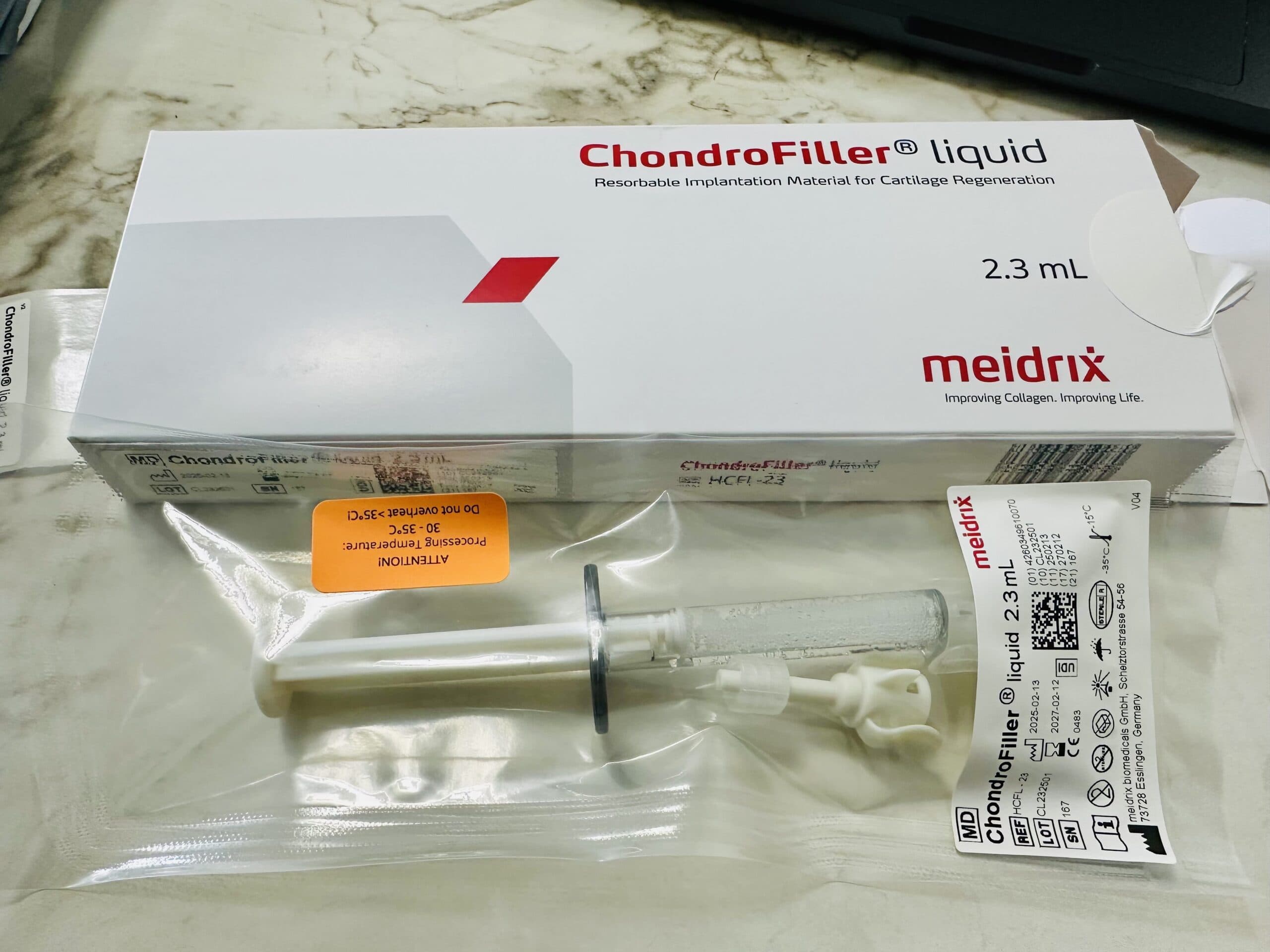
ChondroFiller is a gel-like, biocompatible material designed specifically to fill and repair cartilage defects. It’s becoming a popular choice in treatments, especially for knee problems. Unlike traditional methods that require stitches or anchors to secure implants, ChondroFiller is applied as a soft gel that naturally fits and sticks to the damaged area. This approach makes surgery less invasive and more straightforward for both surgeon and patient.
What really sets ChondroFiller apart is its ability to form a stable gel that “sticks naturally” to the cartilage around the injury. It moulds itself perfectly to the irregular shapes and curves inside joints, meaning there’s no need for surgical staples or tacks. This not only reduces the risk of complications but also shortens surgery time and improves patient comfort during recovery.
Research shows that ChondroFiller “displays the most pronounced viscous effects” when compared to other materials, which helps explain its adaptability and security once applied (Weizel et al., 2020).
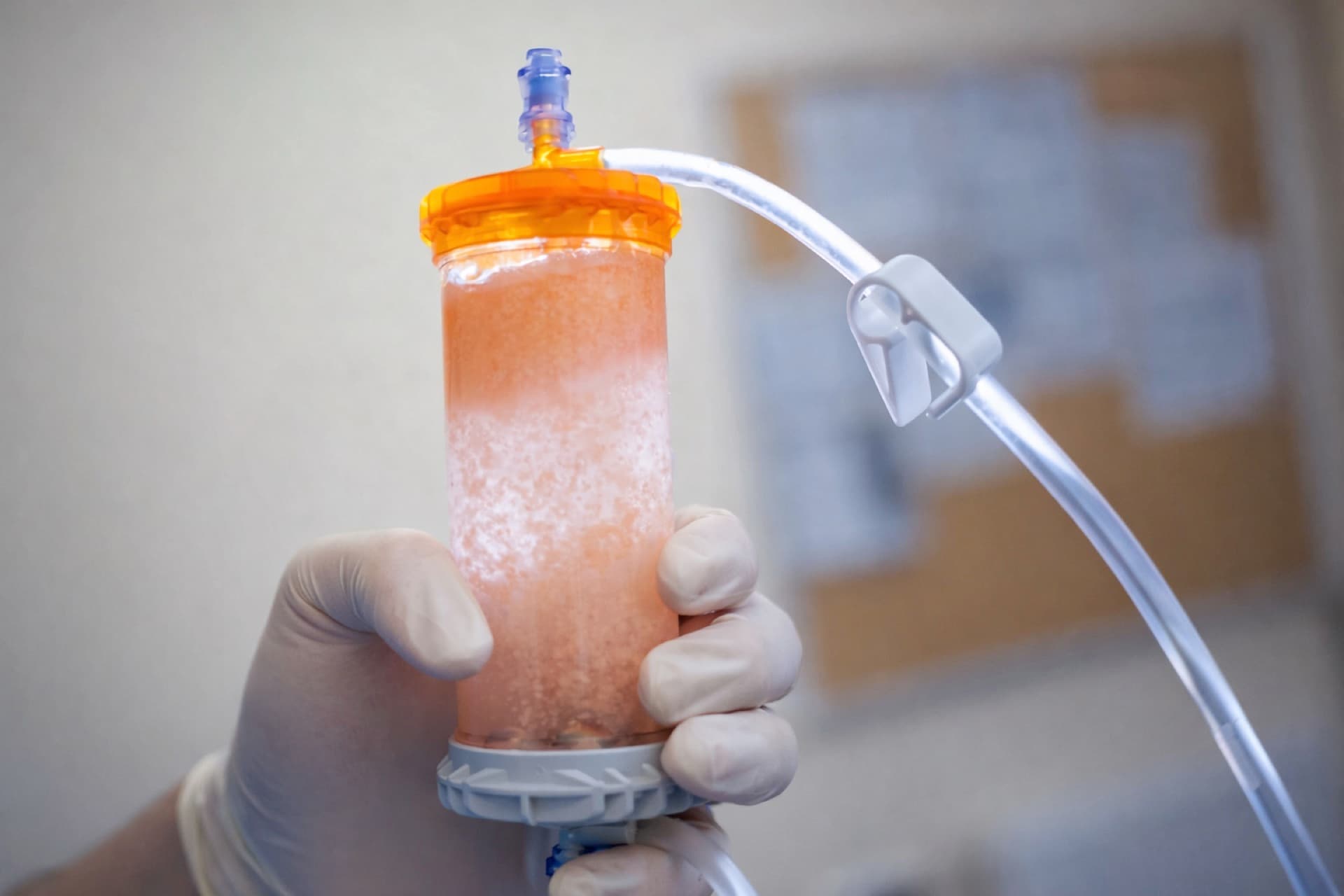
When ChondroFiller is applied, it changes from a liquid into a gel. This transformation creates a flexible yet stable structure that meshes well with the body’s natural tissues. The gel is firm enough to hold its shape but flexible enough to move with the joint without becoming loose or dislodged.
One key reason ChondroFiller stays put is its natural stickiness. Thanks to its biochemical makeup, the gel adheres firmly to the surrounding cartilage. It also adapts to the joint’s unique shape, filling every curve and crevice to distribute mechanical forces evenly. This close fit reduces the chance of it moving out of place — all without needing stitches or mechanical anchors.
Scientists describe ChondroFiller’s make-up as “a bi-phasic structure, where the 60% nonfibrillar hydrogel proportion dominates the mechanical response” (Weizel et al., 2020). This special structure gives the gel both stability and flexibility on application.
Another important point is that ChondroFiller holds its position well even “under movement.” Because joints are constantly in motion, any cartilage repair material must remain secure during everyday activities. Thanks to its special physical and chemical properties, ChondroFiller does just that, reducing complications that can arise from stitching or using rigid fixation devices.
In fact, studies reveal that “all materials exhibit nonlinearity and compression-tension asymmetry,” with ChondroFiller’s mechanical behaviour particularly suited to the demands of cartilage repair (Weizel et al., 2020).
While ChondroFiller is most commonly used for knee cartilage repairs, it’s versatile enough to be applied in other joints like the hip. The hip’s complex ball-and-socket design requires materials that can mould closely and stay secure despite multi-directional movement — qualities that ChondroFiller easily meets. This opens up new possibilities for treating cartilage damage across various joints.
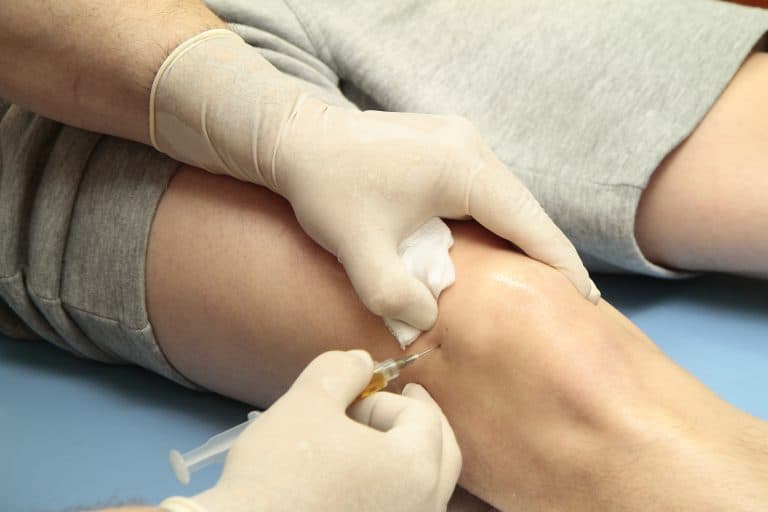
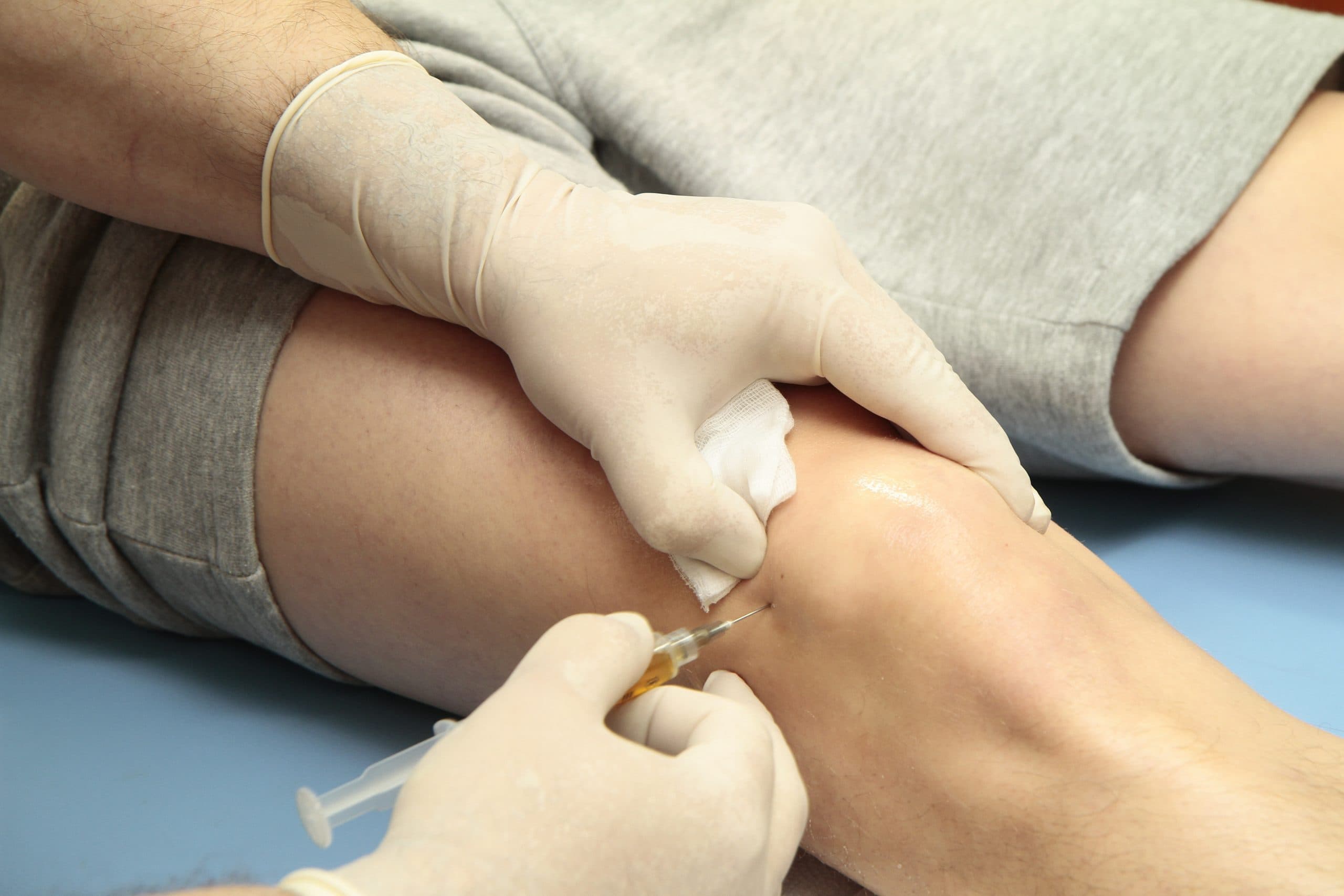
The gel’s soft consistency also lends itself to minimally invasive surgeries. Since it can be applied through small incisions, tissue damage is minimised, post-operative pain is reduced, and recovery tends to be quicker. For many patients, this means less time off their feet and a gentler healing process.
Clinical studies add weight to these benefits. One reported that “all defects could be filled successfully,” and MRI scans confirmed “a good immediate filling of all treated defects” (Schneider, 2016). Another retrospective study found that about “80% of the patients indicated good or very good results and would have the operation done again” (Breil-Wirth et al., 2016). Importantly, no complications were reported.
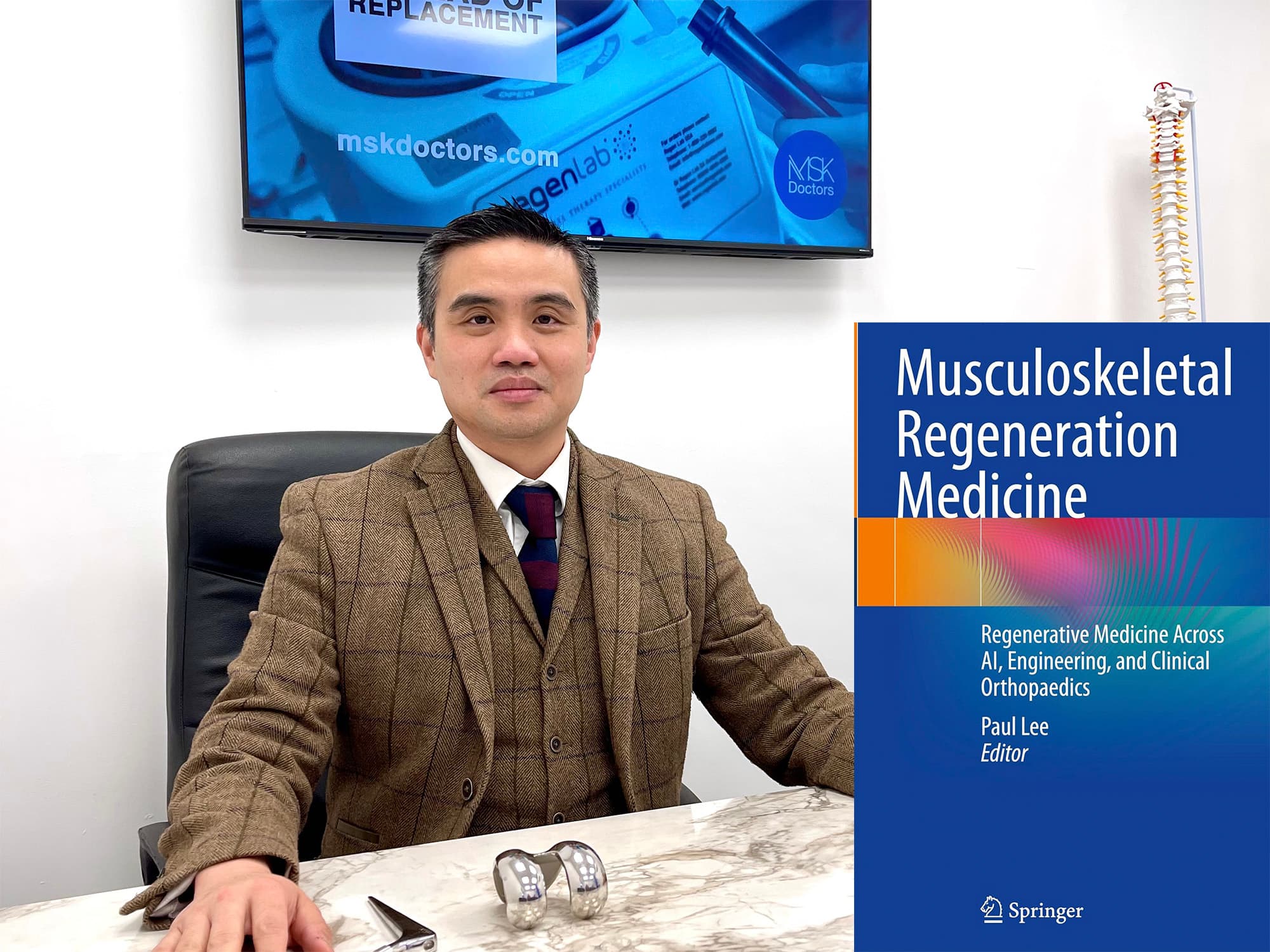
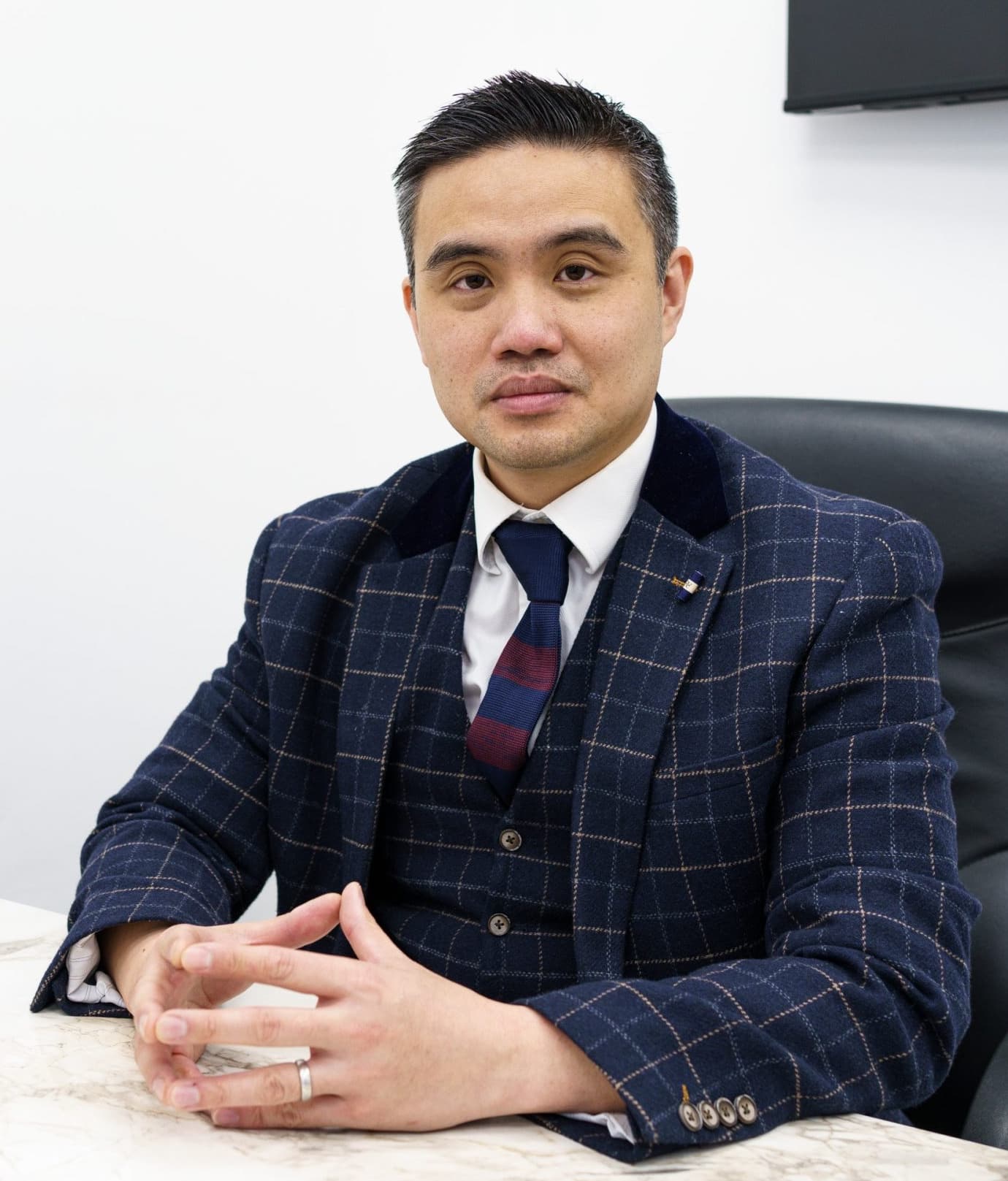
Leading the way in cutting-edge cartilage treatment is Professor Paul Lee, a highly respected expert in orthopaedics and rehabilitation. As a Regional Surgical Ambassador and advisor to the Royal College of Surgeons of Edinburgh, he brings extensive clinical experience and a patient-focused approach to cartilage repair.
At the London Cartilage Clinic, patients receive care in a friendly, professional environment that embraces advanced, evidence-based treatments like ChondroFiller. The clinic’s dedication to personalised care and modern surgical techniques ensures patients have access to the best possible outcomes.
ChondroFiller’s clever design allows it to form a stable, sticky gel that adheres naturally to cartilage — all without needing stitches. Its ability to conform closely to joint shapes and remain stable during movement overcomes major obstacles in cartilage repair. Not just for knees, it’s now paving the way for less invasive, effective treatments in various joints.
Choosing experts like Professor Paul Lee at the London Cartilage Clinic means patients benefit from top-tier knowledge and the latest advances in cartilage care. For anyone considering treatment, consulting a qualified healthcare professional is essential to determine the best option.
ChondroFiller is a gel-like, biocompatible material that naturally adheres to cartilage defects without the need for stitches, making treatment less invasive. This innovative approach is available at London Cartilage Clinic under the expert guidance of Professor Paul Lee.
ChondroFiller transforms into a stable yet flexible gel, moulding perfectly to the joint’s unique shape. Its natural stickiness and adaptability ensure it remains secure during movement, reducing the need for stitches and enhancing patient comfort at London Cartilage Clinic.
Yes, ChondroFiller is versatile enough to be used in multiple joints, including the hip. Its ability to fit complex shapes and remain stable under multidirectional movement provides more patients with advanced treatment options at London Cartilage Clinic.
Patients receive expert care from Professor Paul Lee, a respected cartilage specialist and advisor to the Royal College of Surgeons of Edinburgh. The London Cartilage Clinic delivers personalised treatment using innovative techniques like ChondroFiller, prioritising patient wellbeing and outcomes.
Minimally invasive techniques with ChondroFiller use small incisions, reducing tissue damage and post-operative discomfort. This approach, championed by Professor Paul Lee at the London Cartilage Clinic, supports gentle recovery and high standards of care for each individual patient.
All our treatments are selected to help patients achieve the best possible outcomes and return to the quality of life they deserve. Get in touch if you have any questions.
At London Cartilage Clinic, we are constantly staying up-to-date on the latest treatment options for knee injuries and ongoing knee health issues. As a result, our patients have access to the best equipment, techniques, and expertise in the field, whether it’s for cartilage repair, regeneration, or replacement.
For the best in patient care and cartilage knowledge, contact London Cartilage Clinic today.
At London Cartilage Clinic, our team has spent years gaining an in-depth understanding of human biology and the skills necessary to provide a wide range of cartilage treatments. It’s our mission to administer comprehensive care through innovative solutions targeted at key areas, including cartilage injuries. During an initial consultation, one of our medical professionals will establish which path forward is best for you.
Contact us if you have any questions about the various treatment methods on offer.
Legal & Medical Disclaimer
This article is written by an independent contributor and reflects their own views and experience, not necessarily those of londoncartilage.com. It is provided for general information and education only and does not constitute medical advice, diagnosis, or treatment.
Always seek personalised advice from a qualified healthcare professional before making decisions about your health. londoncartilage.com accepts no responsibility for errors, omissions, third-party content, or any loss, damage, or injury arising from reliance on this material. If you believe this article contains inaccurate or infringing content, please contact us at [email protected].