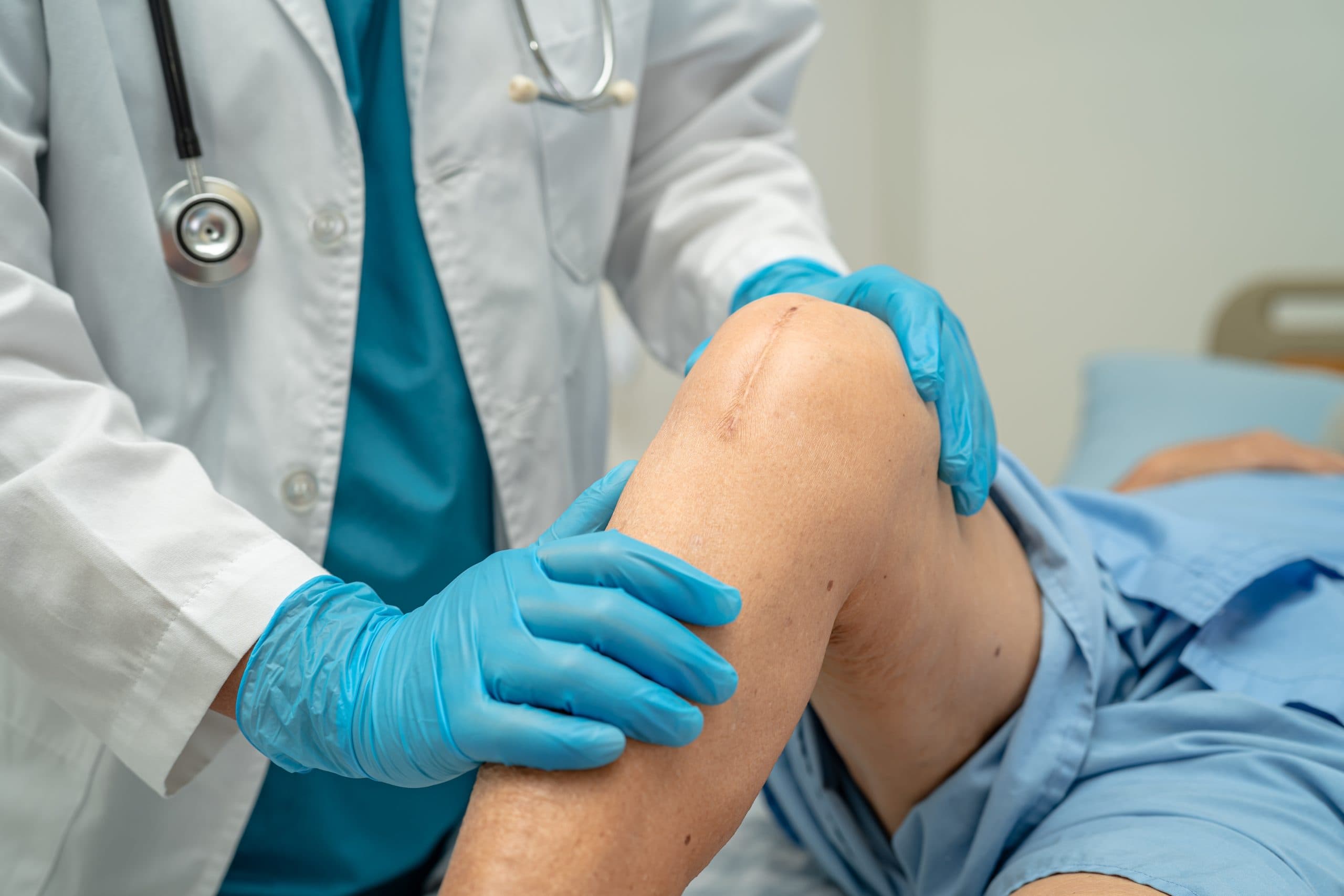
Nutritional Support for Knee Cartilage Health

Nutritional Support for Knee Cartilage Health

John Davies

Written By John Davies

Introduction

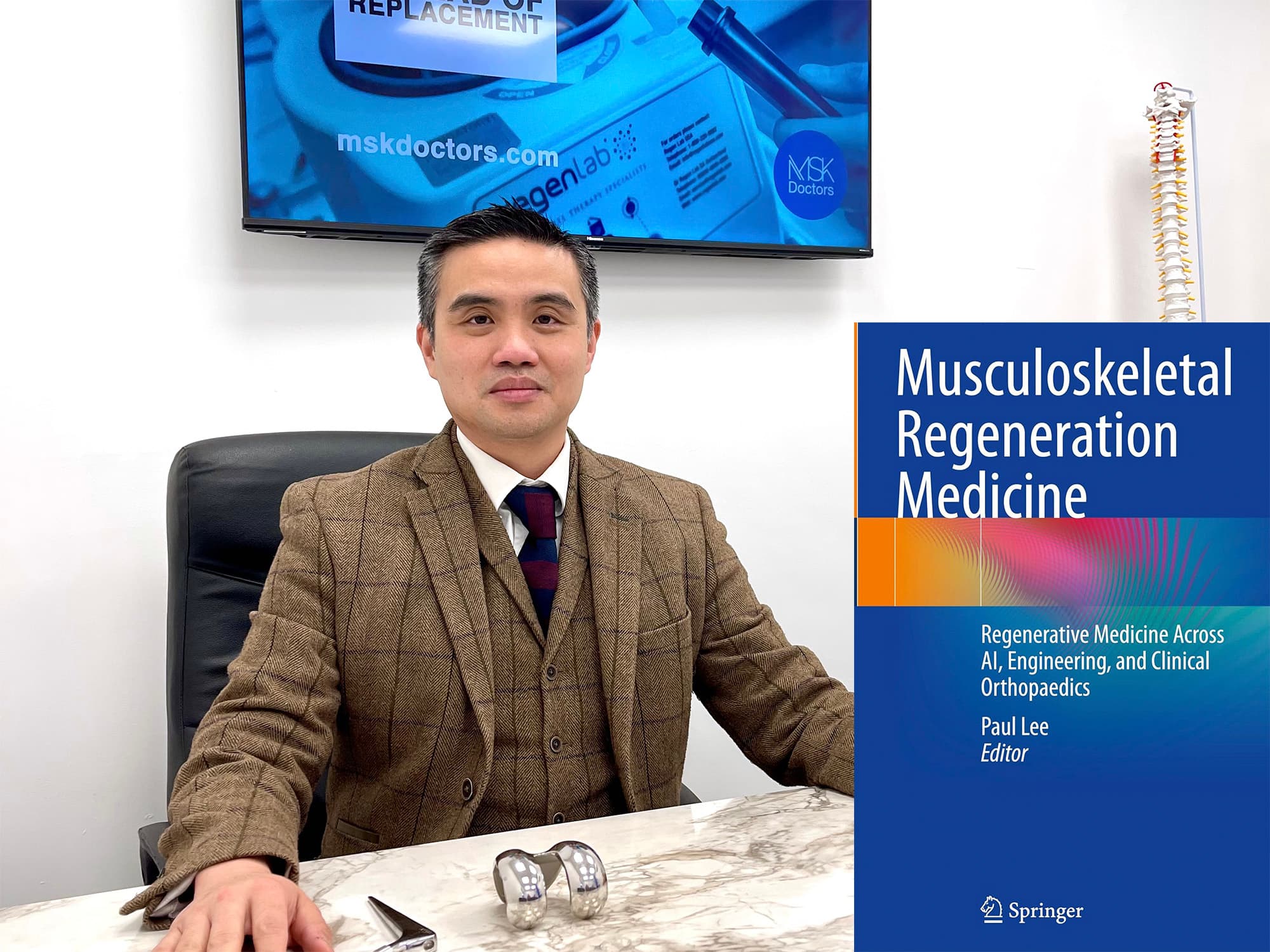
Knee cartilage damage is a common problem that can seriously affect mobility and quality of life. Many people living with joint discomfort or deterioration find that pain and stiffness limit their everyday activities. While medical and surgical treatments are available, an increasing number are interested in natural ways to support their joint health. Nutrition, in particular, is gaining recognition as a promising way to maintain and even encourage the repair of knee cartilage. This article explores current scientific knowledge on how diet impacts cartilage health and offers practical, evidence-based advice on the best foods to support your joints. Our insights are supported by the experience of Professor Paul Lee, a respected orthopaedic specialist at the London Cartilage Clinic, a centre renowned for patient-focused cartilage care.

The Science Behind Cartilage Regeneration and Diet

Knee cartilage is a specialised tissue that cushions your joints and allows for smooth movement. Unfortunately, it heals very slowly when damaged because it lacks its own blood supply, which restricts the nutrients and cells needed for repair. Factors such as ageing, injury, and persistent inflammation can further slow down this healing process. Nutrition can play an important role by providing essential building blocks for repair, or by helping to reduce harmful inflammation that damages cartilage.

Research shows that specific nutrients may help maintain cartilage by supporting the cells responsible for its upkeep (called chondrocytes) and by calming inflammatory responses that worsen joint problems. While promising, it’s important to understand that dietary approaches work alongside, rather than replace, medical treatments. As noted by Rodríguez‐Merchán (2012), “Cartilage therapy for focal articular lesions of the knee has been implemented for more than a decade, and it is becoming increasingly available.” Similarly, Martín and colleagues (2019) highlight that “the field of articular cartilage repair has made significant advances in recent decades,” though many patients with common health issues are often excluded from clinical trials of new treatments. Arthroscopic procedures also attract debate: “The effectiveness of arthroscopic treatment for knee osteoarthritis (OA) has always been a subject of debate” (Lyu et al., 2022). More research is needed to fully understand how diet can support cartilage repair.

Top Foods and Nutrients to Support Knee Cartilage

Certain foods and nutrients stand out for their potential benefits to knee cartilage. Oily fish like salmon and mackerel are packed with omega-3 fatty acids, known for their strong anti-inflammatory effects, which can help reduce joint swelling and pain. Fruits such as berries and citrus provide plenty of vitamin C, which is vital for producing collagen – a building block of cartilage. Leafy greens like spinach and kale bring powerful antioxidants to protect cartilage cells from damage.

Bone broth is a rich source of collagen and amino acids like proline and glycine, which are essential for tissue repair. Nuts and seeds provide healthy fats and minerals like zinc that support cartilage health and healing.

Key nutrients to prioritise include vitamins C, D, and K, zinc, and omega-3s. Vitamin C aids collagen synthesis, vitamin D helps with bone metabolism, vitamin K supports bone proteins, zinc participates in cartilage enzyme activity, and omega-3s help control inflammation.

Following a Mediterranean-style diet, which includes plenty of these foods, can help manage inflammation and support joint function. Practically, you might add berries and citrus to your breakfast, enjoy oily fish a couple of times each week, snack on nuts, and stay well hydrated to keep joints lubricated and cartilage healthy.

Foods to Limit and Why Moderation Matters

Some foods can increase inflammation or damage cartilage indirectly, so it’s wise to limit them. Processed foods often contain unhealthy trans fats and additives that promote inflammation. Excess sugar intake is linked to processes that can speed cartilage breakdown. Eating too much saturated fat, found in fast foods and fatty meats, can worsen joint pain and contribute to weight gain, adding extra strain to your knees.

Rodríguez‐Merchán (2012) notes that “some biological methods such as scaffolds, MSCs, GF, M-SDCs, BMPs, and elastic-like polypeptide gels still need more research.” Martín et al. (2019) further remind us that “criteria excluded by more than half of the trials were identified in order to focus discussion on emerging regenerative strategies that might address these concerns.” Reflecting this, Lyu and colleagues (2022) have found that “ACRFP is an effective treatment for knee OA. It can benefit most patients and modify their degeneration processes if performed in time. However, further investigations are needed to confirm our concept of treatment.” This shows why it’s important to focus primarily on achievable, evidence-based lifestyle changes like improving diet, while awaiting more data on advanced treatments.

Moderation is important because consuming too many pro-inflammatory foods can worsen joint health and increase cartilage wear. Maintaining a balanced diet low in processed foods, sugar and saturated fats supports better joint function and reduces risk of further damage.

Sample Meal Plan and Practical Strategies

Here’s an example of a daily meal plan that incorporates cartilage-friendly ingredients:

  • Breakfast: Greek yoghurt topped with mixed berries and a sprinkle of flaxseeds.
  • Lunch: Spinach and kale salad with grilled salmon, cherry tomatoes, orange slices, dressed with olive oil and lemon juice.
  • Dinner: Stewed chicken served with steamed broccoli and carrots, accompanied by a bone broth-based sauce.
  • Snacks: A handful of walnuts or almonds, plus some refreshing citrus fruit slices.

Long-lasting success comes from making small, gradual changes. Start by increasing your daily vegetable intake, aim to include oily fish twice weekly, and cut back on processed snacks. Planning your shopping list around whole, fresh foods helps you stay consistent. Batch-prep broths and salads to save time in the kitchen. If you find it difficult to change habits or cook, try simple recipes or get advice from a nutritionist.

Remember, it may take a few weeks or even months before you notice benefits. Combining nutritious eating with physical therapy to strengthen the muscles around your knee and improve flexibility will give your joints the best chance of feeling better.

Current Research and When to Seek Specialist Input

While a balanced diet supports joint health, it cannot replace medical treatments for cartilage damage or osteoarthritis. Rodríguez‐Merchán (2012) points out that “the results of comparative clinical studies using ACI have shown some superiority over conventional microfracturing in medium or large defects and in long-term durability.” Meanwhile, Martín et al. (2019) warn that “the identified criteria exclude a majority of the affected population from treatment, and thus greater focus must be placed on these emerging cartilage regeneration techniques.” Procedures like arthroscopic cartilage regeneration facilitating procedure (ACRFP) are showing promise: Lyu et al. (2022) report “reversal of cartilage degeneration was observed in 80.1% of the entire series.” Despite these advances, professional guidance remains important. Diet should be part of a wider management plan including physiotherapy, weight management, and specialist care.

Expert clinicians, such as Professor Paul Lee at the London Cartilage Clinic, provide valuable personalised assessment and treatment plans, combining nutritional advice with clinical interventions to best support your knee health.

For personalised medical advice, always consult a qualified healthcare professional.

This article offers a clear, evidence-based guide to dietary choices that could support your knee cartilage health. With informed, practical nutrition and integrated care strategies, you can take positive steps towards improved joint function and a better quality of life.

References

  • Rodríguez‐Merchán, E. C. (2012). Regeneration of articular cartilage of the knee. Rheumatology International, 33(4), 837–845. https://doi.org/10.1007/s00296-012-2601-3
  • Martín, A. R., Patel, J., Zlotnick, H. M., Carey, J. L., & Mauck, R. L. (2019). Emerging therapies for cartilage regeneration in currently excluded ‘red knee’ populations. NPJ Regenerative Medicine, 4(1). https://doi.org/10.1038/s41536-019-0074-7
  • Lyu, S-R., Hsu, C-C., Hung, J-P., Chou, L-C., Chen, Y-R., & Lin, C-W. (2022). Arthroscopic cartilage regeneration facilitating procedure: A decompressing arthroplasty for knee osteoarthritis. Medicine, 101(39), e30895. https://doi.org/10.1097/md.0000000000030895

Frequently Asked Questions

Nutrition can promote knee cartilage health by supplying vital nutrients for tissue repair and reducing inflammation. Adopting a diet rich in omega-3s, antioxidants, and vitamins can support joint function, but works best when combined with professional guidance from experts such as Prof Paul Lee.

Oily fish, berries, citrus fruits, leafy greens, bone broth, nuts, and seeds deliver omega-3s, vitamin C, antioxidants, and minerals. These nutrients help synthesise collagen, manage inflammation and provide building blocks for cartilage, all emphasised in patient care at the London Cartilage Clinic.

Professor Paul Lee is an internationally recognised cartilage expert, Royal College of Surgeons Ambassador, and advisor. At the London Cartilage Clinic, his personalised approach blends advanced clinical interventions and nutritional strategies, offering patients comprehensive care grounded in the latest scientific evidence.

Limiting processed foods, excess sugar, and saturated fats can help prevent inflammation and cartilage breakdown. At the London Cartilage Clinic, expert guidance supports patients in making healthier dietary decisions integrated into their wider management plans, advancing better mobility and quality of life.

While diet and lifestyle changes aid joint health, specialist input becomes crucial for persistent pain or advanced damage. Professor Paul Lee can offer comprehensive assessment, personalised management plans, and the latest evidence-based interventions at the London Cartilage Clinic.


All our treatments are selected to help patients achieve the best possible outcomes and return to the quality of life they deserve. Get in touch if you have any questions.

Modern Treatments with Long Lasting Results

At London Cartilage Clinic, we are constantly staying up-to-date on the latest treatment options for knee injuries and ongoing knee health issues. As a result, our patients have access to the best equipment, techniques, and expertise in the field, whether it’s for cartilage repair, regeneration, or replacement.

For the best in patient care and cartilage knowledge, contact London Cartilage Clinic today.

Cartilage Experts

At London Cartilage Clinic, our team has spent years gaining an in-depth understanding of human biology and the skills necessary to provide a wide range of cartilage treatments. It’s our mission to administer comprehensive care through innovative solutions targeted at key areas, including cartilage injuries. During an initial consultation, one of our medical professionals will establish which path forward is best for you.

Contact us if you have any questions about the various treatment methods on offer.

Book a free chat

We can help!

If you’re looking for support with effective cartilage treatment, our specialists non medical associate can help. Fill in your details below and a member of our team will get in touch with you as soon as possible.

team