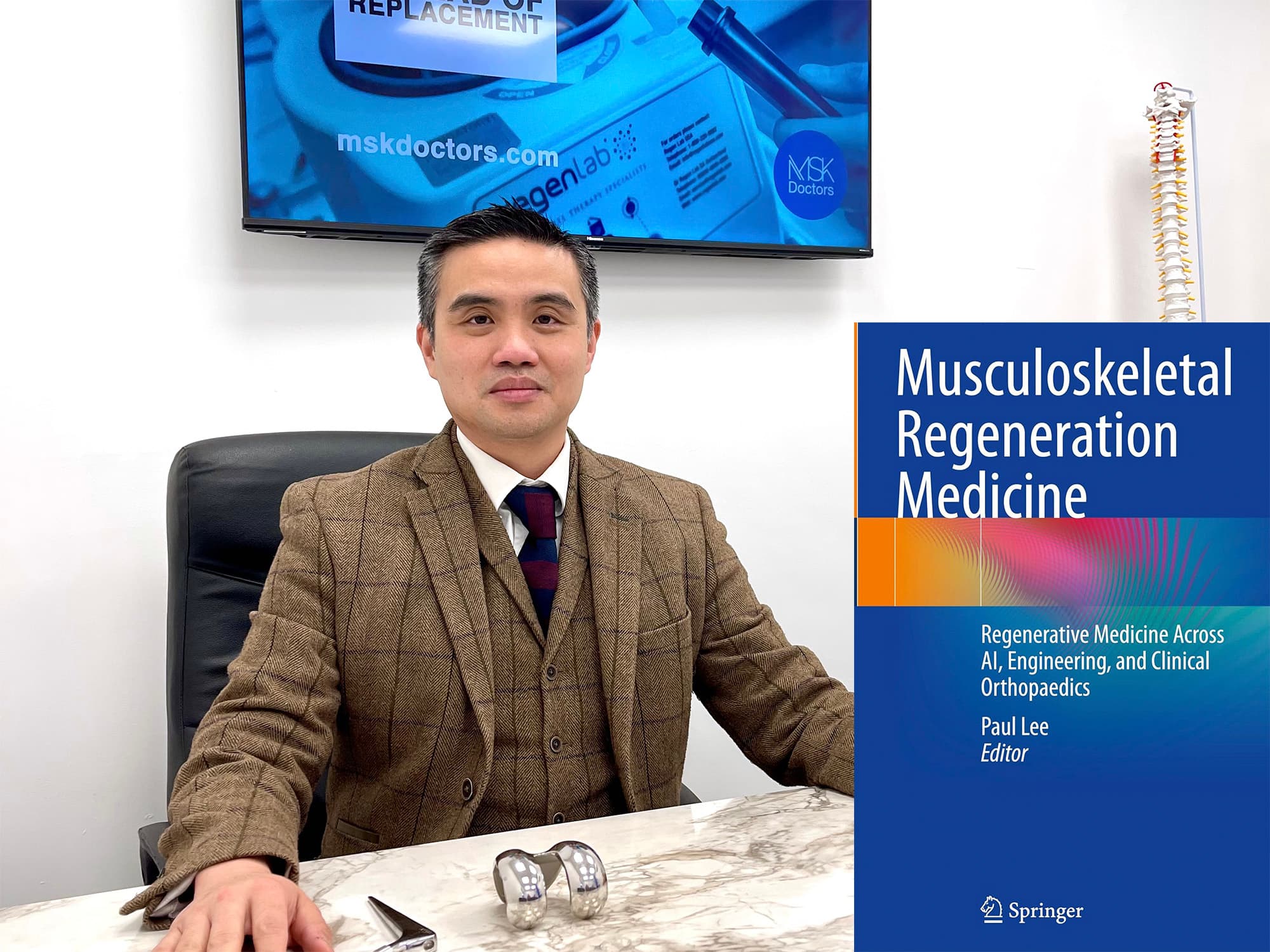
Cartilage damage affects millions worldwide and can be both painful and debilitating. Unlike many tissues, cartilage does not repair itself easily, often leading to long-term joint stiffness and reduced mobility. Keeping our joints healthy is key to maintaining an active and independent lifestyle. In this article, we explore exciting advances in gel-based therapies for cartilage repair, shedding light on their potential to revolutionise joint health. We also draw on the expertise of Professor Paul Lee, a renowned orthopaedic surgeon specialising in cartilage care at the London Cartilage Clinic, to provide a clear and informed perspective.
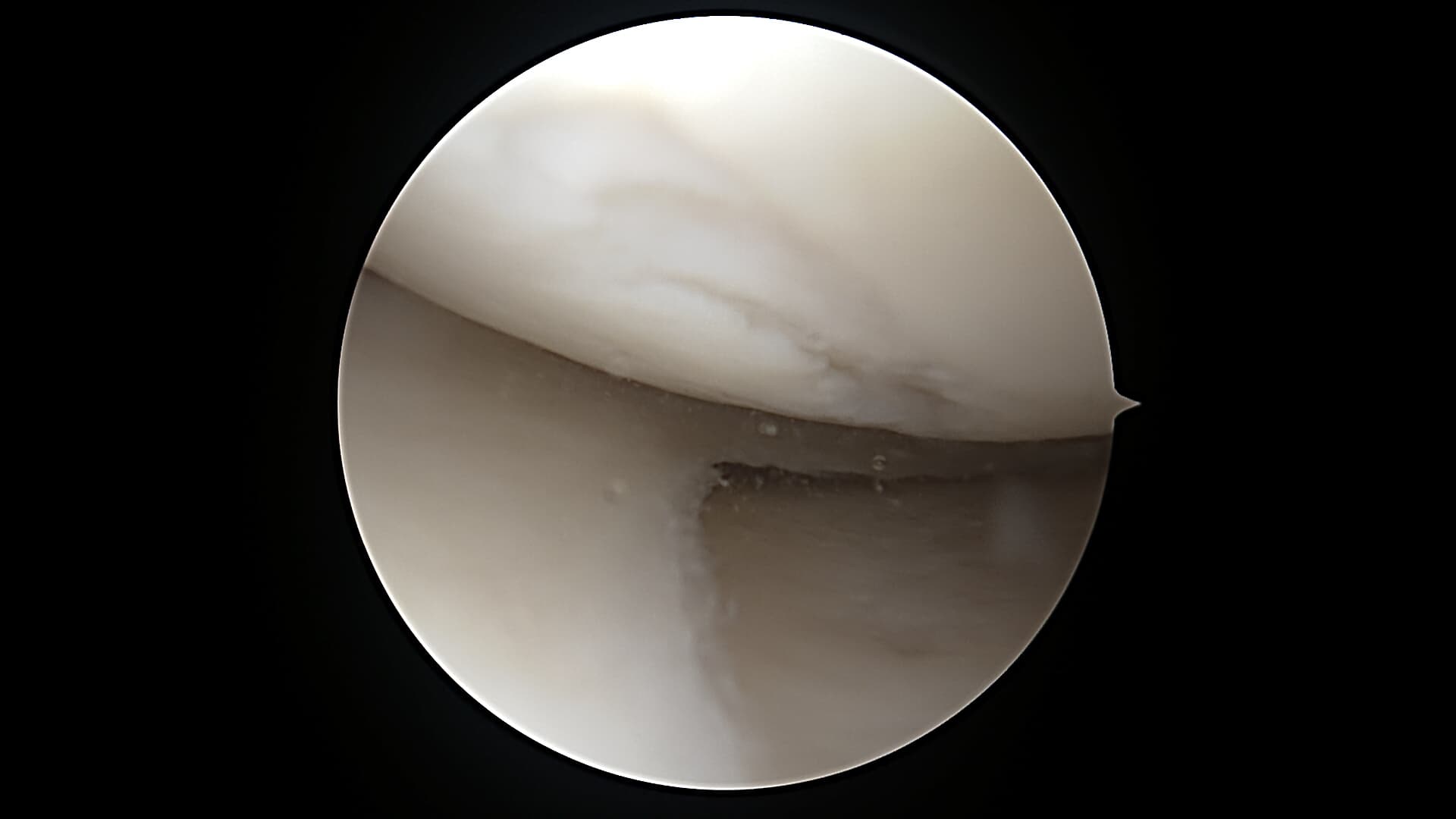
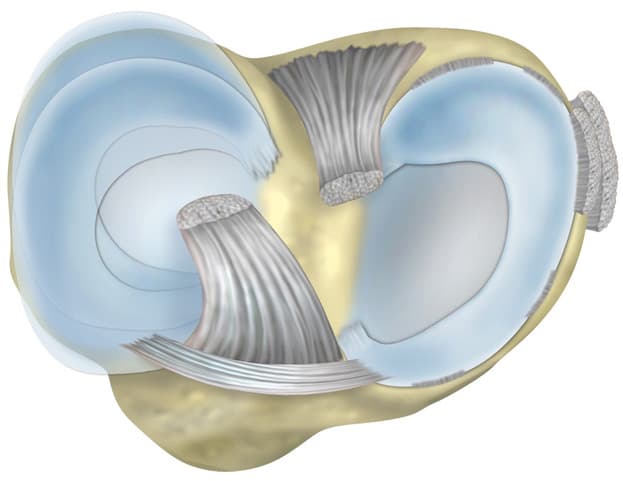
For many years, treatment options for cartilage damage have primarily involved surgical methods. Techniques like microfracture surgery – which creates tiny holes in the bone to stimulate cartilage growth – and autologous chondrocyte implantation – where patients’ own cartilage cells are collected, grown, and reinserted – have been the norm. While these approaches have helped many, they often struggle to fully restore the smooth, resilient structure of natural hyaline cartilage that lines our joints.
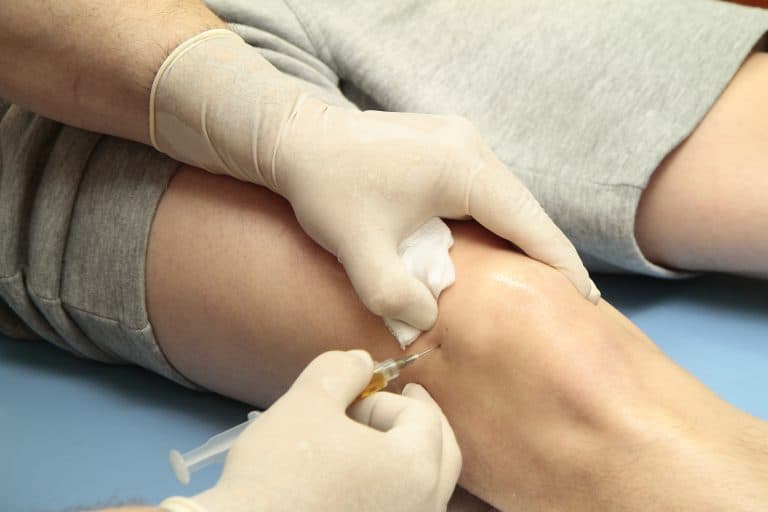
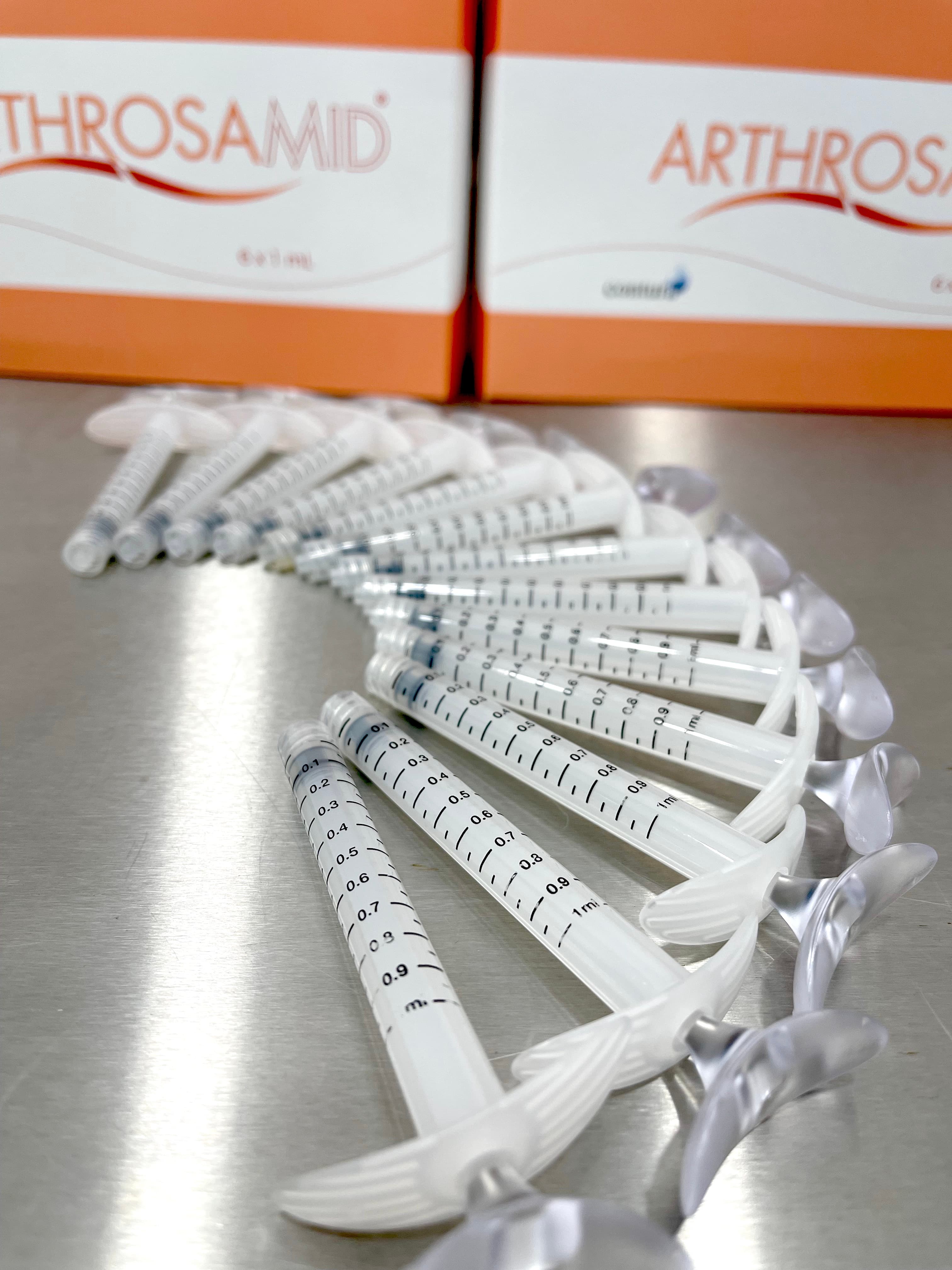
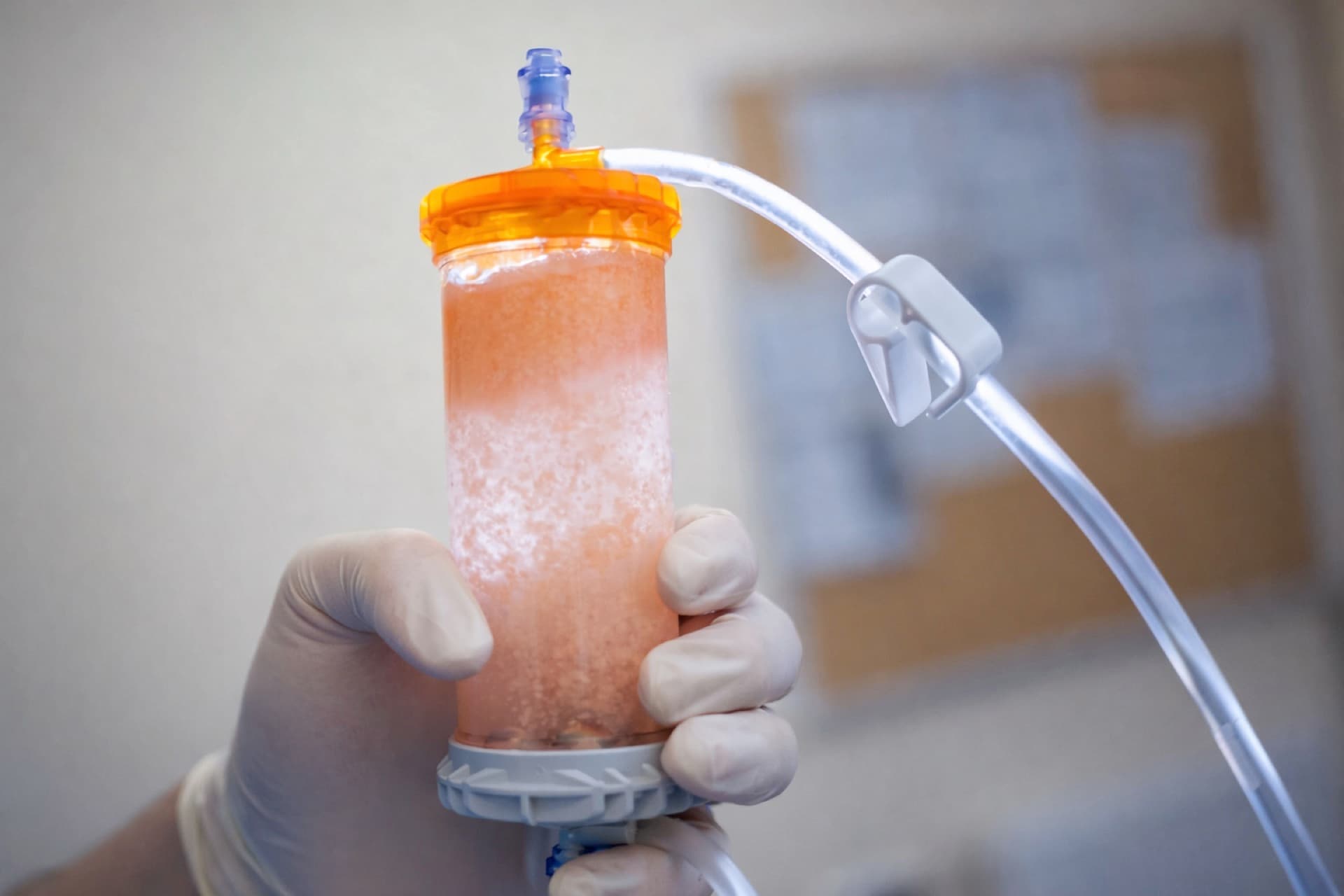
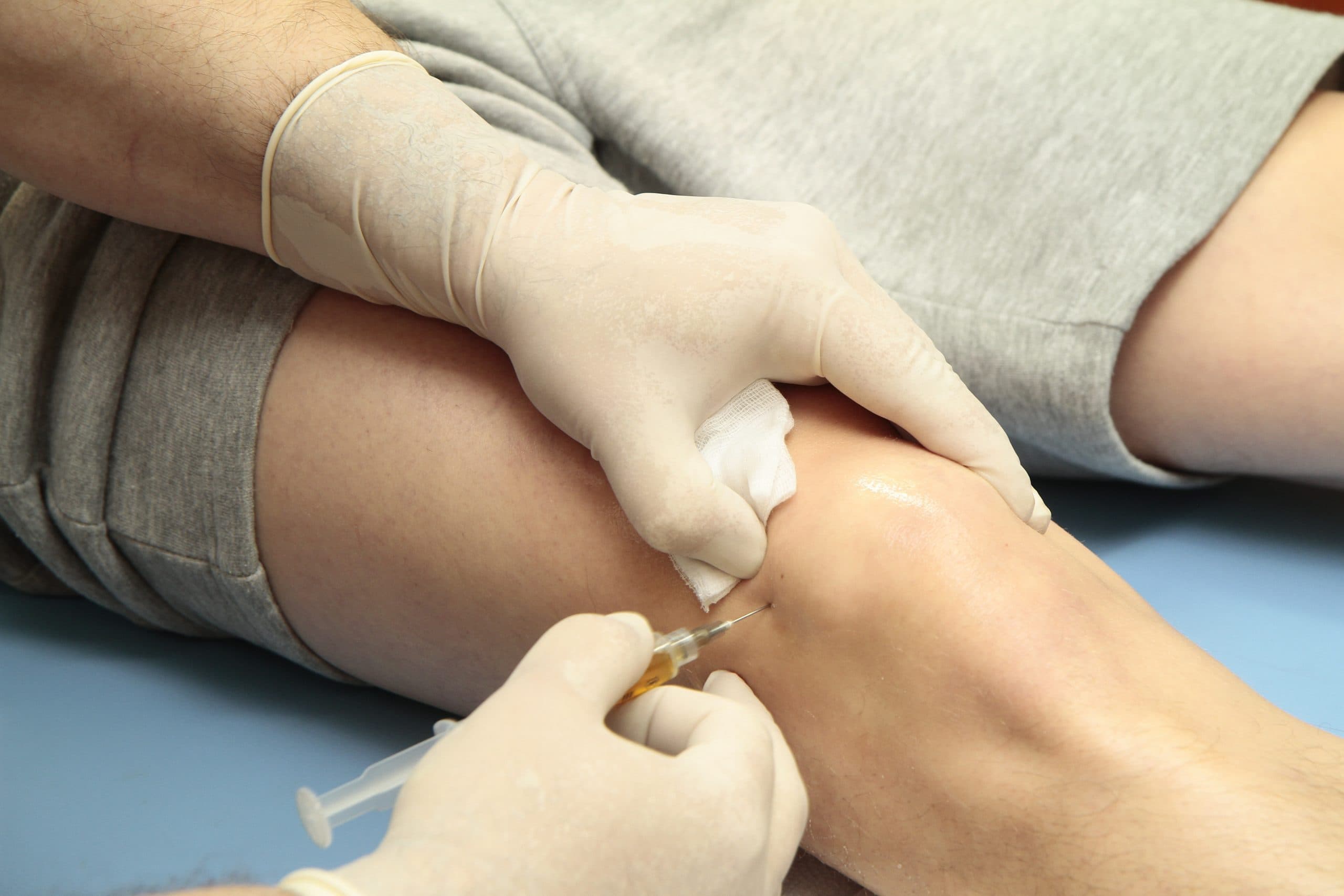
That’s where gel-based therapies come in. These treatments use hydrogels – gel-like materials rich in water – designed to mimic the natural environment of cartilage. Delivered through minimally invasive injections, these gels can be tailored to encourage cells to grow and repair the damaged tissue. Essentially, they act as a scaffold that supports the body’s natural healing process, offering hope for a stronger, more durable repair.
Recent breakthroughs in science and medicine have pushed the boundaries of gel therapies even further. “Smart” hydrogels have been developed that adapt to the joint environment, releasing growth factors as needed or adjusting their strength to better support healing.
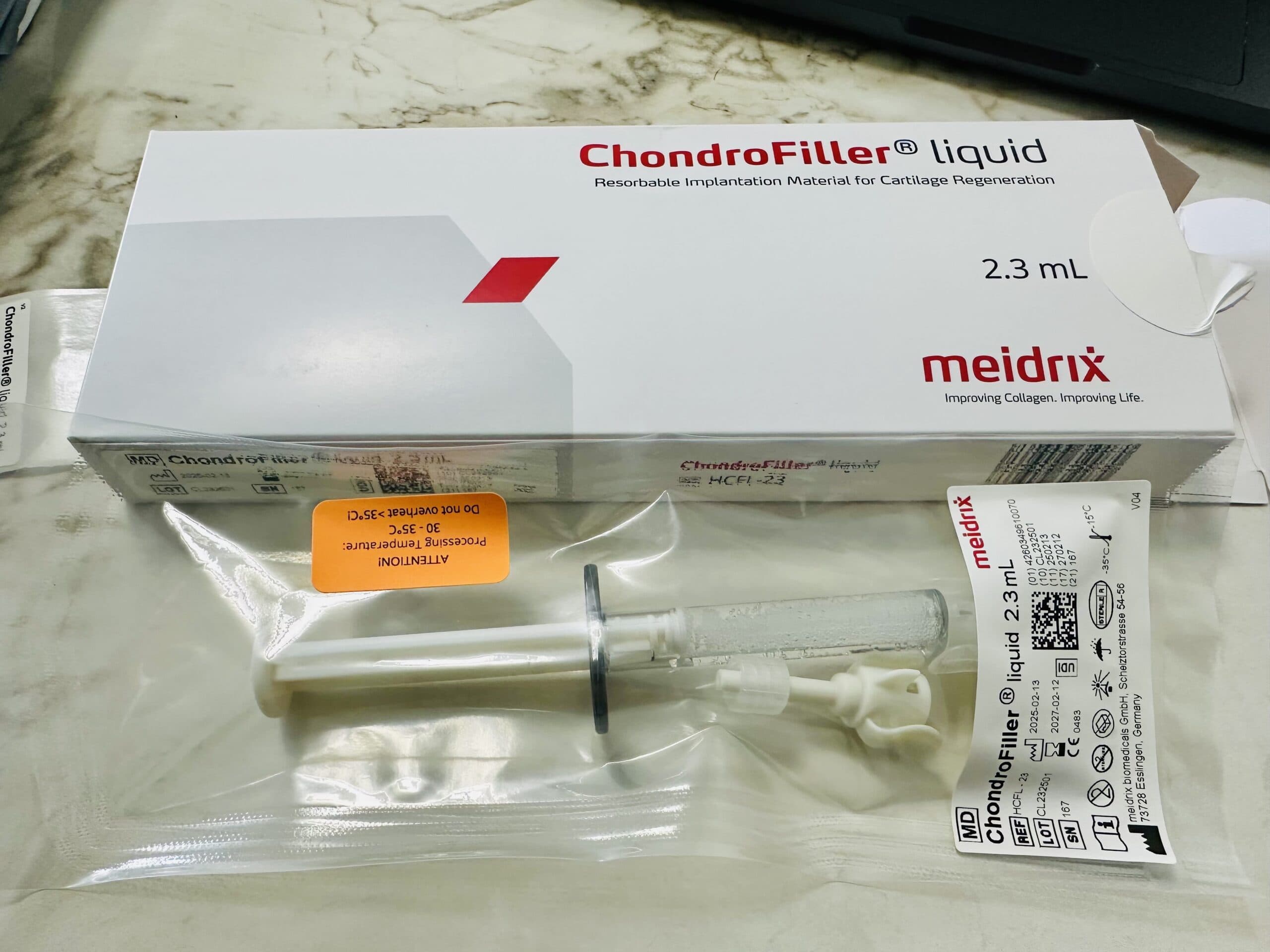
One particularly promising product is ChondroFiller® Liquid, an acellular collagen matrix. As one study explains, “The acellular matrix ChondroFiller Liquid® is a resorbable filler based on type I collagen and a neutralizing solution, used to form a protective layer around the cartilage defect while stimulating the growth of chondrocytes and the consequent induction of cartilage regeneration.” Research shows encouraging results, including “an improvement in pain symptoms, associated with an increase in force in the pincer and grip movements evaluated with clinical tests.” These promising findings showcase the potential of next-generation cartilage gels to transform joint repair.
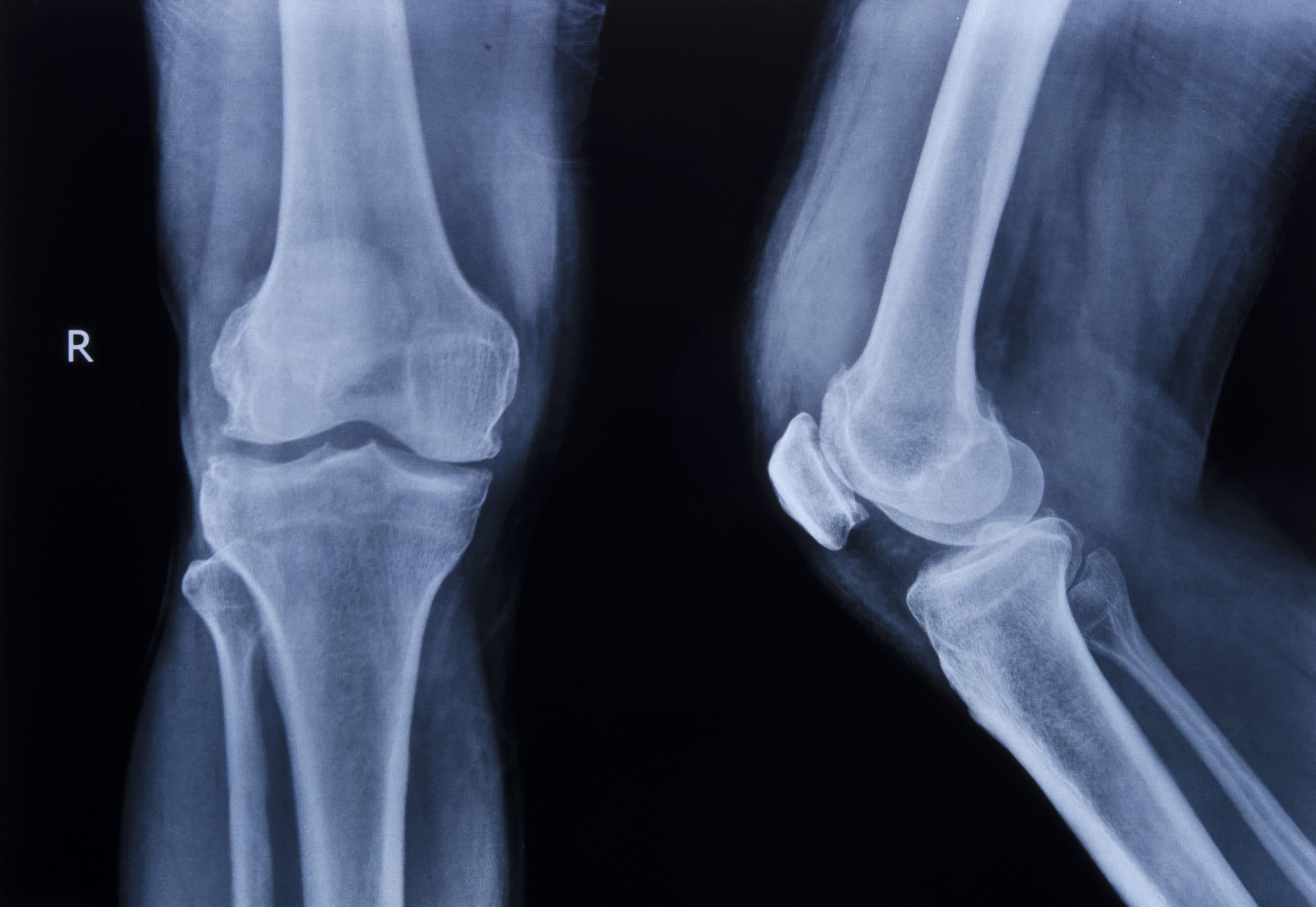
A controlled, randomised multicentre study on patients with knee cartilage defects found the treatment to be “a safe and simple workable method.” Patients experienced significant improvement in knee function, with scores improving from three months post-treatment and maintained at one year. MRI scans showed “good immediate filling of all treated defects… perfect integration to the adjacent cartilage from the very start, and over time an impressive maturation of the reconstructed cartilage.”
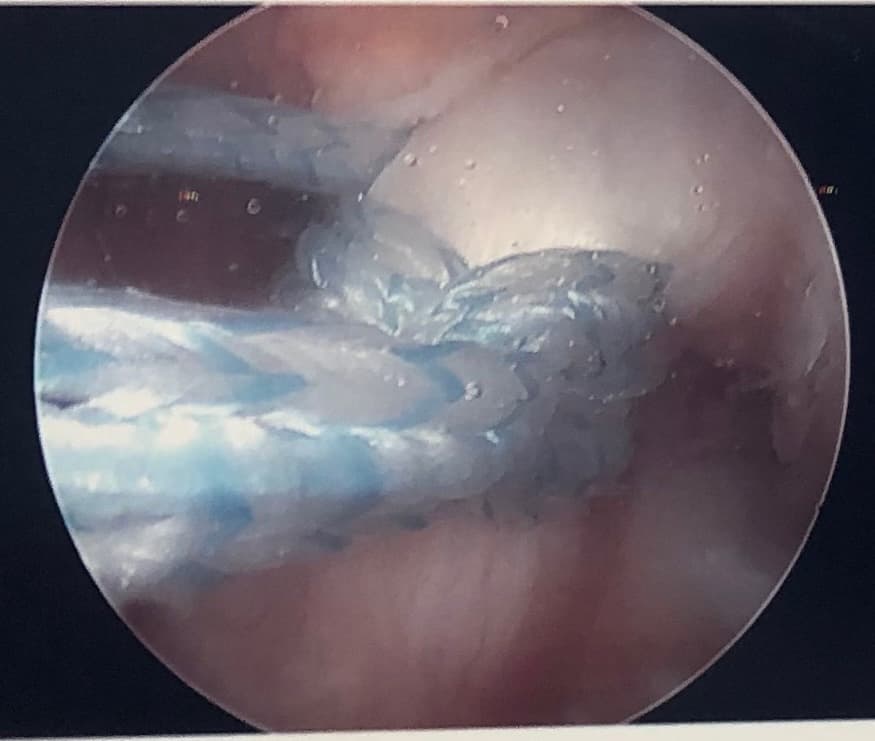
Gel therapies are not limited to the knee. Treating cartilage damage in the hip can be particularly challenging. However, researchers describe new techniques that ease treatment in these hard-to-reach areas. As one team states, “Management of symptomatic focal cartilage defects of the hip can be challenging. Cells, scaffold therapies, and injectable agents have emerged as an adjunctive modality to improve clinical outcomes,” with ChondroFiller® Liquid successfully used in “a 1-step arthroscopic procedure.”
Compared with traditional treatments, gel-based therapies offer improved integration with surrounding tissue, fewer side effects, and potentially better joint function. Clinical trials continue to explore their full potential.
Gel-based therapies are already in use for smaller cartilage defects, with their minimally invasive nature a significant advantage. For example, in hand osteoarthritis, studies have shown that “MRI imaging showed a change in the joint profile in patients subjected to infiltration, in some patients with reduction of bone oedema and periarticular effusion.” Techniques helping to deliver gels accurately in tight spaces, such as in hip cartilage defects, have been developed to improve treatment efficiency.
Safety is paramount. Encouragingly, one study noted “adverse events were not reported.” Despite this, these new therapies are still under rigorous evaluation. Proper regulation and further research are needed to confirm their long-term safety and effectiveness across wider patient groups.
The medical community is closely watching outcomes related to how well these gels integrate with natural tissue, how durable repairs are over time, and overall patient satisfaction. Such research will guide future recommendations for broader clinical use.
While we have made impressive strides, challenges remain. Fully replicating the mechanical strength and long-term durability of natural cartilage is complex. Moreover, extending the use of gels from small defects to larger joint damage and chronic conditions like osteoarthritis is an important goal.
Experts agree that “further prospective randomised studies with higher case numbers and longer follow-up intervals have to be done to evaluate the importance of this new type of treatment.” Over the coming five to ten years, we can expect significant advances in gel therapies, potentially reshaping how joint problems are treated and improving quality of life for many.
Gel-based therapies are an exciting frontier in cartilage regeneration, combining innovative science with patient-friendly treatments. While many developments are still under study, the outlook remains positive. Staying informed and consulting with specialists, such as Professor Paul Lee and the experienced team at the London Cartilage Clinic, is important for anyone considering cartilage treatment.
For personalised medical advice, please always speak to a qualified healthcare professional.
Gel-based therapies use hydrogels to mimic natural cartilage and support healing. Delivered via injection, these treatments offer improved integration with surrounding tissue and potentially fewer side effects than traditional cartilage repair surgeries, providing hope for better joint function.
The London Cartilage Clinic specialises in advanced, minimally invasive therapies, including innovative gel-based options. Led by Professor Paul Lee, a highly respected cartilage expert, the clinic offers patient-centred care with cutting-edge knowledge and extensive experience in optimising joint health.
Professor Paul Lee, a Cartilage Expert and Royal College of Surgeons Ambassador, brings world-class knowledge and practical skill. His focus on individualised treatment and research-backed therapies ensures patients receive the latest approaches and the highest level of orthopaedic care.
Gel-based treatments have shown encouraging safety profiles with few reported adverse events in clinical studies. Suitability varies by case, so specialist assessment at London Cartilage Clinic is recommended to determine the best approach for individual cartilage injuries and joint conditions.

Ongoing research is expected to further enhance gel therapies, with better durability and broader use for larger or chronic joint injuries. Regular collaboration with leading specialists like Professor Lee keeps patients at the forefront of these promising medical advances.
All our treatments are selected to help patients achieve the best possible outcomes and return to the quality of life they deserve. Get in touch if you have any questions.
At London Cartilage Clinic, we are constantly staying up-to-date on the latest treatment options for knee injuries and ongoing knee health issues. As a result, our patients have access to the best equipment, techniques, and expertise in the field, whether it’s for cartilage repair, regeneration, or replacement.
For the best in patient care and cartilage knowledge, contact London Cartilage Clinic today.
At London Cartilage Clinic, our team has spent years gaining an in-depth understanding of human biology and the skills necessary to provide a wide range of cartilage treatments. It’s our mission to administer comprehensive care through innovative solutions targeted at key areas, including cartilage injuries. During an initial consultation, one of our medical professionals will establish which path forward is best for you.
Contact us if you have any questions about the various treatment methods on offer.
Legal & Medical Disclaimer
This article is written by an independent contributor and reflects their own views and experience, not necessarily those of londoncartilage.com. It is provided for general information and education only and does not constitute medical advice, diagnosis, or treatment.
Always seek personalised advice from a qualified healthcare professional before making decisions about your health. londoncartilage.com accepts no responsibility for errors, omissions, third-party content, or any loss, damage, or injury arising from reliance on this material. If you believe this article contains inaccurate or infringing content, please contact us at [email protected].